Lucas Bennett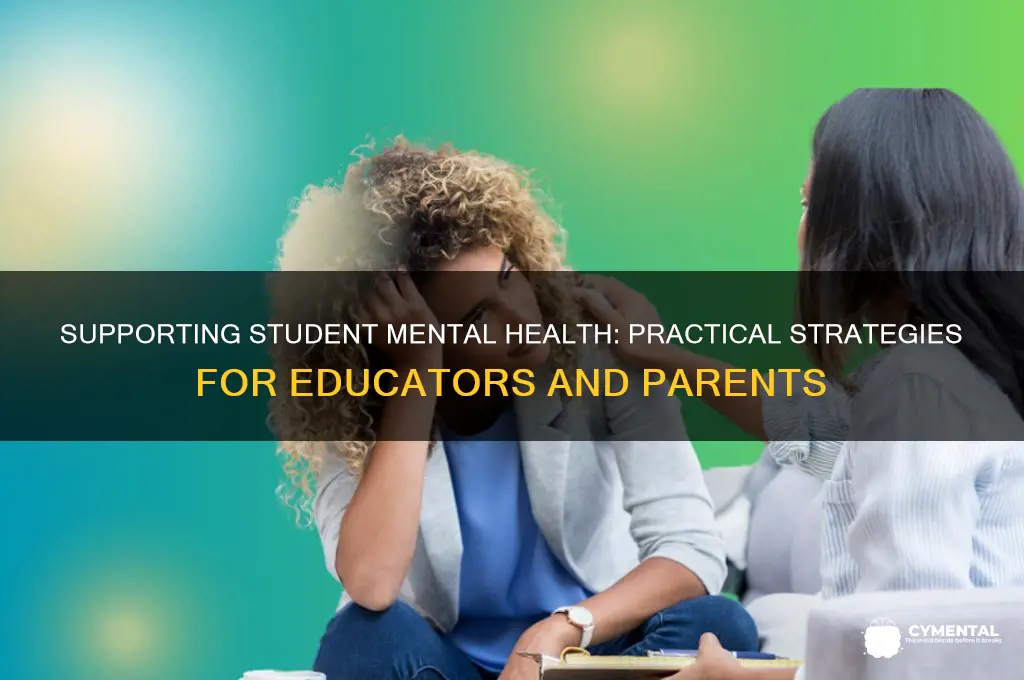
Supporting student mental health is a critical aspect of fostering a conducive learning environment, as academic success is deeply intertwined with emotional and psychological well-being. Students often face unique stressors, such as academic pressure, social challenges, and uncertainty about the future, which can significantly impact their mental health. To effectively help, educators, parents, and peers must first create a safe and non-judgmental space where students feel comfortable expressing their struggles. Encouraging open conversations about mental health, providing access to professional resources like counselors or therapists, and promoting healthy coping mechanisms such as mindfulness, exercise, and time management can make a substantial difference. Additionally, fostering a culture of empathy, reducing stigma, and implementing school policies that prioritize mental health can empower students to seek help and thrive both academically and personally.
| Characteristics | Values |
|---|---|
| Create a Safe Environment | Foster an inclusive, non-judgmental space where students feel comfortable sharing concerns. |
| Promote Open Communication | Encourage dialogue about mental health, normalize discussions, and reduce stigma. |
| Provide Access to Resources | Offer counseling services, mental health hotlines, and online tools (e.g., apps, websites). |
| Train Staff and Faculty | Equip educators with skills to recognize signs of mental health issues and provide support. |
| Implement Stress Management Programs | Introduce mindfulness, yoga, or time management workshops to help students cope with stress. |
| Encourage Work-Life Balance | Promote healthy habits like regular sleep, exercise, and breaks from academic pressures. |
| Personalized Support | Tailor assistance to individual student needs, considering cultural and personal backgrounds. |
| Peer Support Programs | Facilitate student-led groups or mentorship programs for shared experiences and support. |
| Regular Mental Health Check-Ins | Conduct periodic check-ins to monitor student well-being and address concerns early. |
| Collaborate with Families | Engage parents or guardians to create a unified support system for students. |
| Flexible Academic Policies | Allow extensions, reduced workloads, or alternative assessments for students in need. |
| Raise Awareness Campaigns | Organize events, workshops, or campaigns to educate students about mental health. |
| Confidentiality and Trust | Ensure all discussions and support services are private and confidential. |
| Crisis Intervention Plans | Develop protocols for immediate assistance during mental health emergencies. |
| Celebrate Achievements | Acknowledge student progress and successes to boost morale and self-esteem. |
Explore related products



What You'll Learn
- Promote Open Conversations: Encourage students to share feelings without fear of judgment
- Provide Access to Resources: Offer counseling, hotlines, and mental health apps
- Foster a Supportive Environment: Create safe, inclusive spaces for all students
- Teach Stress Management: Equip students with coping strategies like mindfulness and time management
- Monitor for Warning Signs: Train staff to recognize and address mental health red flags

Promote Open Conversations: Encourage students to share feelings without fear of judgment
Students often hesitate to express their emotions, fearing ridicule or dismissal. This silence can exacerbate mental health issues, turning minor concerns into major crises. To break this cycle, educators and peers must create an environment where vulnerability is met with empathy, not judgment. Start by normalizing emotional expression in everyday interactions. For instance, during class discussions, acknowledge feelings as valid contributions, not distractions. A simple phrase like, “It sounds like this topic made you feel frustrated—thank you for sharing that” can model acceptance. Over time, such responses foster trust, signaling that emotions are not weaknesses but human experiences worthy of respect.
Consider the power of structured activities to ease students into sharing. For younger age groups (10–14), icebreakers like “Feelings Check-Ins”—where students rate their day on a scale of 1 to 5—can make emotional expression feel routine rather than intimidating. For older teens (15–18), peer-led circles with ground rules (e.g., “No interrupting, no advice unless asked”) provide a safe space to explore complex emotions. Pair these activities with clear boundaries: emphasize that while sharing is encouraged, it’s never mandatory. This balance ensures participation feels voluntary, not forced, reducing anxiety for hesitant students.
Critics might argue that open conversations risk oversharing or triggering others, but research suggests the opposite. A 2021 study in *School Psychology Review* found that classrooms fostering emotional disclosure reported 30% lower rates of anxiety and depression symptoms. The key lies in training facilitators—teachers, counselors, or even student leaders—to respond appropriately. For example, if a student discloses suicidal thoughts, a trained responder knows to say, “Thank you for telling me. I’m going to connect you with someone who can help right now,” rather than panicking or minimizing the issue. Such preparedness turns conversations into lifelines, not liabilities.
Finally, sustain this culture through consistent reinforcement. Post anonymous testimonials from students who’ve benefited from sharing, such as, “Talking about my panic attacks helped me realize I wasn’t alone.” Celebrate vulnerability as a strength during assemblies or newsletters. For virtual settings, create digital forums where students can post feelings via pseudonyms, ensuring privacy while maintaining connection. By embedding openness into the fabric of school life, you transform it from a rare act into a reflex, equipping students with a tool they’ll carry long after graduation.
Expressing Emotions: How Sharing Feelings Boosts Mental Well-Being
You may want to see also
Explore related products


Provide Access to Resources: Offer counseling, hotlines, and mental health apps
Students often face mental health challenges in silence, unsure of where to turn or how to seek help. Providing access to resources like counseling, hotlines, and mental health apps can bridge this gap, offering immediate support and long-term strategies for well-being. These resources are not one-size-fits-all; they cater to diverse needs, from crisis intervention to daily mindfulness practices. By integrating them into the educational environment, schools and institutions can create a safety net that empowers students to take control of their mental health.
Step 1: Establish On-Campus Counseling Services
Begin by ensuring professional counseling services are available on campus. These services should be free or low-cost, with flexible scheduling to accommodate academic demands. Train counselors to address student-specific issues like exam stress, homesickness, or identity struggles. For younger students (ages 13–18), consider group therapy sessions focused on peer support, while older students (ages 19–25) may benefit from individual counseling tailored to career anxiety or relationship challenges. Promote these services through orientation programs, posters, and digital platforms to normalize seeking help.
Step 2: Partner with Crisis Hotlines and Text Lines
Not all students feel comfortable with face-to-face counseling, especially in moments of acute distress. Partner with 24/7 crisis hotlines and text lines like the National Alliance on Mental Illness (NAMI) Helpline or Crisis Text Line (text "HOME" to 741741). Display these numbers in dorms, classrooms, and restrooms—spaces students frequent. For international students, ensure resources are multilingual and culturally sensitive. Train faculty and staff to discreetly share these contacts during interactions with students who seem overwhelmed.
Step 3: Curate a List of Mental Health Apps
Mental health apps offer accessible, stigma-free tools for self-management. Curate a list of evidence-based apps like Headspace (for mindfulness), Calm (for sleep and meditation), or Sanvello (for anxiety). Tailor recommendations to age groups: younger teens may engage with gamified apps like Woebot, while college students might prefer productivity-focused tools like Moodpath. Provide tutorials or workshops on how to integrate these apps into daily routines, such as using Headspace for 10 minutes before bed or journaling with Daylio during study breaks.
Cautions and Considerations
While these resources are invaluable, they are not substitutes for professional treatment in severe cases. Train staff to recognize red flags, such as persistent withdrawal or self-harm mentions, and escalate concerns to mental health professionals. Additionally, ensure apps comply with privacy regulations like FERPA or GDPR to protect student data. Avoid overwhelming students with too many options; instead, highlight 3–5 resources per category (counseling, hotlines, apps) and explain their unique benefits.
Providing access to counseling, hotlines, and mental health apps is more than a checklist—it’s a commitment to fostering a culture where mental health is prioritized. By combining professional services with digital tools, institutions can meet students where they are, both emotionally and technologically. Regularly survey students to assess resource effectiveness and adapt offerings based on feedback. In doing so, schools become not just places of learning, but sanctuaries of support.
Iowa Mental Health Laws: Can You Force Someone to Get Help?
You may want to see also
Explore related products


Foster a Supportive Environment: Create safe, inclusive spaces for all students
Students spend a significant portion of their waking hours in educational settings, making schools and universities pivotal in shaping their mental health. A supportive environment can act as a buffer against stress, anxiety, and depression, while a toxic one can exacerbate these issues. To foster such an environment, start by assessing the physical and emotional climate of your institution. Are classrooms arranged to encourage collaboration or competition? Do public spaces feel welcoming to all, including students with disabilities or diverse backgrounds? Small changes, like adding flexible seating options or displaying multicultural artwork, can signal inclusivity and safety.
Consider the power of language in creating a safe space. Teachers and staff should model respectful communication, avoiding sarcasm or criticism that could alienate students. Implement a "no-shame" policy for mistakes, encouraging a growth mindset instead. For example, instead of saying, "You should know this by now," reframe it as, "Let’s break this down together." Peer-to-peer interactions matter too. Train student leaders or mentors to intervene when they witness exclusionary behavior, and establish clear protocols for reporting bullying or discrimination. Research shows that when students feel heard and valued, their sense of belonging increases, directly impacting their mental well-being.
Inclusivity requires intentionality, especially for marginalized groups. LGBTQ+ students, for instance, are twice as likely to experience depression and anxiety compared to their peers. Create gender-neutral restrooms, use students’ preferred pronouns, and integrate LGBTQ+ history into curricula to normalize diversity. Similarly, for neurodivergent students, sensory-friendly zones or quiet corners can provide much-needed respite. Schools in countries like Finland have successfully implemented "well-being teams" comprising counselors, teachers, and students to identify and address mental health concerns proactively. Such structured support systems ensure no student slips through the cracks.
Finally, measure the impact of your efforts. Conduct anonymous surveys to gauge students’ perceptions of safety and inclusion, and adjust strategies accordingly. Celebrate progress publicly—whether it’s a decrease in reported bullying incidents or an increase in club participation—to reinforce positive behaviors. Remember, fostering a supportive environment isn’t a one-time initiative but an ongoing commitment. By prioritizing safety and inclusivity, educators don’t just improve mental health outcomes; they empower students to thrive academically, socially, and emotionally.
Children and Mental Health: Are They Aware of Available Support?
You may want to see also
Explore related products





Teach Stress Management: Equip students with coping strategies like mindfulness and time management
Stress is an inevitable part of academic life, but it doesn’t have to be debilitating. Teaching students stress management equips them with tools to navigate pressure healthily. Start by introducing mindfulness practices, such as guided breathing exercises or short meditation sessions. For younger students (ages 6–12), incorporate playful mindfulness activities like "belly breathing" or "5-4-3-2-1 grounding." Older students (ages 13–18) can benefit from apps like Headspace or Calm, which offer age-appropriate guided sessions. Dedicate 5–10 minutes daily in class or encourage home practice to normalize these habits.
Pair mindfulness with time management skills to address stress at its root. Teach students to break tasks into smaller, manageable chunks using tools like the Pomodoro Technique (25 minutes of work followed by a 5-minute break). For teens, introduce digital planners or apps like Notion or Trello to organize assignments and deadlines. Caution against overloading schedules; emphasize the importance of prioritizing tasks and setting realistic goals. For example, a high schooler with three assignments due in a week should allocate specific time slots for each, avoiding last-minute cramming.
While mindfulness and time management are powerful, they’re not one-size-fits-all solutions. Encourage students to experiment with different strategies to find what works best for them. For instance, some may prefer journaling or physical activity as a stress outlet. Provide a variety of options and remind them that consistency is key—sporadic practice yields limited results. A middle schooler might start with a daily gratitude journal, while a college-bound senior could benefit from weekly planning sessions.
Finally, model these behaviors as an educator. Students are more likely to adopt stress management techniques if they see adults practicing them. Share your own experiences with mindfulness or time management in a relatable way. For example, explain how you use deep breathing during stressful meetings or how you plan your week on Sundays. This not only reinforces the strategies but also fosters a culture of openness around mental health. By teaching stress management, you’re not just helping students survive academic challenges—you’re preparing them to thrive in all areas of life.
Accessing Mental Health Support in BC: A Comprehensive Guide
You may want to see also
Explore related products


Monitor for Warning Signs: Train staff to recognize and address mental health red flags
Students often exhibit subtle yet significant changes in behavior before a mental health crisis escalates. A sudden drop in academic performance, frequent absences, or withdrawal from social activities can signal distress. Staff trained to recognize these red flags can intervene early, potentially preventing more severe outcomes. For instance, a teacher noticing a once-engaged student becoming consistently quiet and disinterested might initiate a private conversation, offering support and resources.
Training staff to identify warning signs requires a structured approach. Workshops should cover common indicators such as changes in sleep patterns, increased irritability, or expressions of hopelessness. Role-playing scenarios can help educators practice empathetic communication, ensuring they approach students with sensitivity rather than judgment. For example, instead of asking, "What’s wrong with you?" a trained staff member might say, "I’ve noticed you seem less involved lately. Is there something you’d like to talk about?"
While vigilance is crucial, staff must also understand their limits. Not every red flag indicates an immediate crisis, and not every student will be receptive to intervention. Overstepping boundaries or misinterpreting behavior can strain trust. Staff should be trained to document observations objectively and escalate concerns to mental health professionals when necessary. A balanced approach ensures students feel supported without feeling scrutinized.
Practical tools can enhance staff effectiveness in monitoring mental health. Checklists of warning signs, accessible reporting systems, and clear protocols for escalation streamline the process. For instance, a simple app or form where staff can log observed behaviors can help track patterns over time. Regular team meetings to discuss observations and share insights foster a collaborative environment, ensuring no student slips through the cracks.
Ultimately, training staff to monitor for warning signs is an investment in a proactive support system. By equipping educators with the knowledge and tools to recognize and address red flags, schools create a safety net for students. Early intervention not only mitigates crises but also fosters a culture of care, signaling to students that their mental well-being is a priority. This approach transforms staff from passive observers into active allies in the fight against student mental health challenges.
Keto Diet and Mental Health: Unlocking Brain Benefits or Myth?
You may want to see also
Frequently asked questions
Educators can identify signs by observing changes in behavior, such as withdrawal, decreased academic performance, irritability, or persistent sadness. Regular check-ins, fostering open communication, and being attentive to subtle cues can also help in early detection.
Create a safe and inclusive environment, encourage open conversations about mental health, and provide flexible deadlines or accommodations when needed. Incorporate mindfulness activities, promote a growth mindset, and collaborate with school counselors or mental health professionals for additional support.
Parents and caregivers can encourage healthy habits like regular sleep, balanced nutrition, and physical activity. Teach stress-management techniques, such as deep breathing or journaling, and ensure students feel heard and supported. Limiting screen time and setting realistic expectations can also reduce anxiety.