Ava Ramirez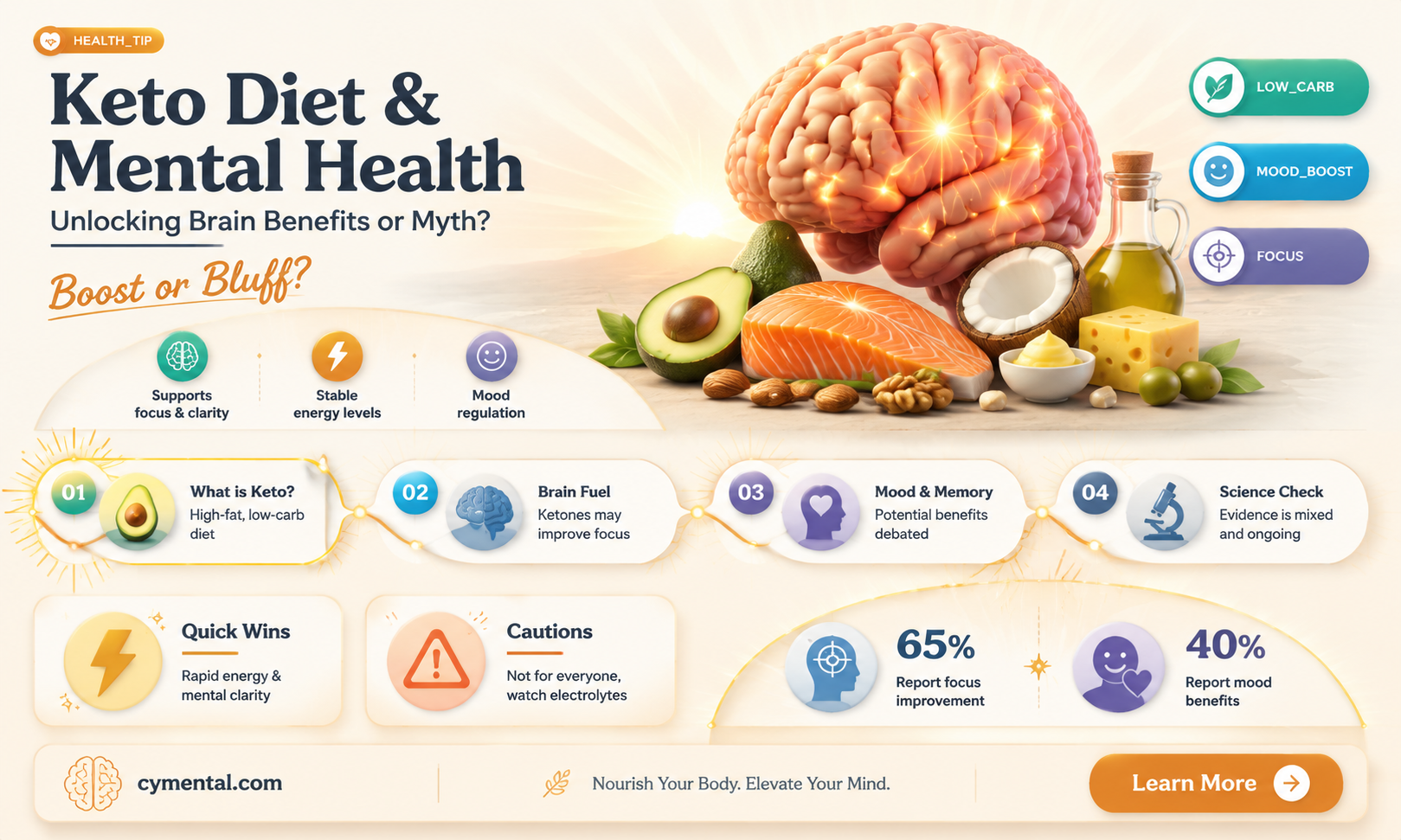
The ketogenic diet, a high-fat, low-carbohydrate eating plan, has gained popularity for its potential benefits in weight loss and managing certain medical conditions, but its impact on mental health is a topic of growing interest. Emerging research suggests that the keto diet may influence mental well-being by stabilizing blood sugar levels, reducing inflammation, and altering neurotransmitter function, which could alleviate symptoms of anxiety, depression, and cognitive decline. However, the long-term effects and individual variability in response to the diet remain areas of ongoing study, leaving many to question whether keto is a viable tool for improving mental health or if its benefits are primarily physiological.
| Characteristics | Values |
|---|---|
| Impact on Mood Disorders | Some studies suggest keto may improve symptoms of depression and anxiety due to stabilized blood sugar and increased production of brain-derived neurotrophic factor (BDNF). |
| Neuroprotective Effects | Ketones, produced during ketosis, may provide neuroprotective benefits, potentially reducing risk of neurodegenerative diseases like Alzheimer’s and Parkinson’s. |
| Reduction in Inflammation | Keto diet reduces systemic inflammation, which is linked to improved mental health outcomes, including reduced symptoms of depression and anxiety. |
| Stabilized Blood Sugar | By reducing carbohydrate intake, keto stabilizes blood sugar levels, which can improve mood and cognitive function. |
| Increased BDNF Production | Keto may boost BDNF, a protein essential for brain health, which is often low in individuals with depression and other mental health disorders. |
| Potential for Bipolar Disorder | Limited evidence suggests keto might help manage bipolar disorder symptoms, though more research is needed. |
| Anxiety Reduction | Some individuals report reduced anxiety levels on keto, possibly due to stabilized blood sugar and reduced inflammation. |
| Cognitive Enhancement | Ketones are an efficient fuel source for the brain, potentially improving focus, clarity, and overall cognitive function. |
| Limitations and Side Effects | Initial side effects (e.g., "keto flu") may temporarily worsen mood. Long-term adherence can be challenging, impacting mental health. |
| Individual Variability | Effects of keto on mental health vary widely; some individuals may experience benefits, while others may not. |
| Research Gaps | Most studies are preliminary or based on small sample sizes; more robust, long-term research is needed to confirm benefits. |
Explore related products


What You'll Learn

Keto's impact on mood disorders like depression and anxiety
The ketogenic diet, characterized by its high-fat, low-carbohydrate composition, has been studied for its potential to influence mental health, particularly mood disorders like depression and anxiety. Emerging research suggests that ketosis, the metabolic state induced by the keto diet, may modulate neurotransmitter function and reduce inflammation, both of which are implicated in these conditions. For instance, ketones like beta-hydroxybutyrate (BHB) have been shown to act as neuroprotective agents, potentially stabilizing mood and cognitive function. However, the evidence remains preliminary, and individual responses vary widely, making it essential to approach keto as a complementary, rather than standalone, strategy for managing mood disorders.
From a practical standpoint, adopting a keto diet for mental health requires careful planning. Start by gradually reducing carbohydrate intake to 20–50 grams per day while increasing healthy fats like avocados, nuts, and olive oil. Monitor your mood and energy levels during the transition, as the initial "keto flu" phase can temporarily worsen symptoms. Incorporate foods rich in omega-3 fatty acids, such as fatty fish, as they have been linked to improved mental health outcomes. For those with anxiety, maintaining consistent meal timing can help stabilize blood sugar levels, which may reduce symptom severity. Always consult a healthcare provider before starting keto, especially if you’re taking medications for mood disorders, as dietary changes can affect drug efficacy.
A comparative analysis of keto versus traditional diets for mood disorders reveals intriguing differences. While the Mediterranean diet, rich in whole grains and fruits, is often recommended for its anti-inflammatory benefits, keto’s unique metabolic effects may offer distinct advantages for certain individuals. For example, a 2019 study published in *Frontiers in Psychology* found that keto participants reported significant reductions in anxiety and depression symptoms compared to a low-fat diet group. However, keto’s restrictive nature can be challenging to sustain long-term, potentially limiting its effectiveness for chronic mood disorders. This highlights the importance of personalized approaches, where keto might be more suitable for short-term symptom management or as part of a broader treatment plan.
One of the most compelling aspects of keto’s impact on mood disorders is its potential to address underlying metabolic dysfunction. Research indicates that insulin resistance and chronic inflammation, common in individuals with depression and anxiety, may be alleviated by ketosis. A 2020 study in *Medical Hypotheses* proposed that ketones could enhance mitochondrial function in the brain, improving energy production and reducing oxidative stress. For practical application, combining keto with lifestyle interventions like regular exercise and stress management techniques may amplify its benefits. However, caution is warranted for individuals with a history of eating disorders, as restrictive diets can exacerbate psychological distress.
In conclusion, while the keto diet shows promise for alleviating symptoms of depression and anxiety, it is not a one-size-fits-all solution. Its effectiveness likely depends on individual factors such as metabolic health, genetic predisposition, and lifestyle. For those considering keto, start with a trial period of 6–8 weeks, tracking mood changes and consulting a mental health professional for guidance. Pairing the diet with other evidence-based treatments, such as therapy or medication, can provide a more comprehensive approach to managing mood disorders. As research evolves, keto may emerge as a valuable tool in the mental health toolkit, but its role should be tailored to the unique needs of each individual.
HR's Role in Supporting Employee Mental Health: A Comprehensive Guide
You may want to see also
Explore related products


Role of ketones in brain energy and cognitive function
Ketones, molecules produced by the liver during periods of low carbohydrate intake, serve as an alternative energy source for the brain when glucose availability is limited. Unlike glucose, which is the brain’s primary fuel under normal dietary conditions, ketones can cross the blood-brain barrier efficiently, providing up to 70% of the brain’s energy needs during ketosis. This metabolic shift occurs typically after 2–3 days of consuming fewer than 50 grams of carbohydrates daily, a hallmark of the ketogenic diet. For individuals with conditions like epilepsy, Alzheimer’s, or traumatic brain injury, this transition has been shown to stabilize neuronal function and reduce oxidative stress, offering a protective effect on cognitive health.
Consider the brain’s energy demands: it accounts for approximately 20% of the body’s total energy expenditure despite comprising only 2% of body weight. When glucose levels drop, as in ketosis, the brain adapts by increasing its uptake of ketones, specifically beta-hydroxybutyrate (BHB) and acetoacetate. BHB, in particular, acts not only as a fuel but also as a signaling molecule, influencing gene expression related to neuronal resilience and mitochondrial function. Studies suggest that elevated ketone levels may enhance cognitive performance in older adults, with improvements noted in memory, attention, and processing speed. However, individual responses vary, and factors like age, baseline metabolic health, and duration of ketosis play critical roles in determining outcomes.
To harness the cognitive benefits of ketones, practical implementation is key. For adults seeking to optimize brain function, a well-formulated ketogenic diet should prioritize healthy fats (e.g., avocados, nuts, olive oil), moderate protein (0.8–1.2 grams per kilogram of body weight), and minimal carbohydrates (under 50 grams daily). Monitoring ketone levels via blood or breath testing can ensure therapeutic ranges (0.5–3.0 mmol/L) are achieved. Caution is advised for individuals with pre-existing conditions like diabetes or pancreatic disorders, as ketosis can exacerbate certain metabolic imbalances. Consulting a healthcare provider before starting the diet is essential, especially for those on medications or with complex health histories.
Comparatively, while glucose metabolism produces reactive oxygen species (ROS) that contribute to neuronal damage over time, ketone metabolism generates fewer free radicals, reducing oxidative stress. This distinction may explain why ketogenic diets are being explored in neurodegenerative research. For instance, a 2019 study published in *Frontiers in Aging Neuroscience* found that older adults on a ketogenic diet exhibited improved mitochondrial function and reduced markers of inflammation compared to controls. Such findings underscore the potential of ketones not just as fuel, but as therapeutic agents for preserving and enhancing cognitive function across the lifespan.
Incorporating ketones into the brain’s energy repertoire requires a nuanced approach. For younger adults, intermittent ketosis (e.g., 2–3 days weekly) may suffice to boost mental clarity without the strictness of long-term adherence. For older adults or those with cognitive impairments, sustained ketosis under medical supervision could yield more pronounced benefits. Practical tips include staying hydrated, replenishing electrolytes (sodium, potassium, magnesium), and gradually transitioning into ketosis to minimize side effects like the "keto flu." Ultimately, the role of ketones in brain energy metabolism highlights their potential as a tool for cognitive optimization, provided they are utilized thoughtfully and with individualized care.
B12 and Mental Health: Unlocking the Connection for Better Well-Being
You may want to see also
Explore related products


Effects of keto on stress and cortisol levels
The ketogenic diet, characterized by its high-fat, low-carbohydrate composition, has been scrutinized for its impact on stress and cortisol levels, a critical aspect of mental health. Cortisol, often dubbed the "stress hormone," plays a pivotal role in the body's response to stress, influencing everything from mood to metabolic function. Research suggests that the keto diet may modulate cortisol levels, but the mechanisms and outcomes are complex. For instance, a study published in *Psychoneuroendocrinology* found that individuals on a ketogenic diet exhibited lower cortisol levels during stress tests compared to those on a standard diet. This finding raises the question: How does keto influence the body's stress response, and what does this mean for mental well-being?
One hypothesis is that ketosis, the metabolic state induced by the keto diet, promotes a more stable energy supply to the brain, reducing the need for cortisol-driven glucose mobilization. Typically, when the body is under stress, cortisol spikes to increase blood sugar, providing quick energy. However, in ketosis, the brain relies on ketones for fuel, potentially mitigating this surge. For example, a 2019 study in *Nutrients* observed that participants on a keto diet had lower cortisol awakening responses, a marker of daily stress levels. This suggests that keto may dampen the body's immediate stress reaction, offering a physiological buffer against chronic stress.
Practical implementation of keto for stress management requires careful consideration. Transitioning to ketosis can initially increase stress due to the "keto flu," a temporary state of fatigue and irritability. To minimize this, gradually reduce carbohydrate intake over 2–3 weeks while increasing healthy fats like avocados, nuts, and olive oil. Monitoring cortisol levels through saliva tests can provide personalized insights, especially for individuals with pre-existing stress-related conditions. For instance, a cortisol test in the morning and evening can reveal whether keto is effectively lowering stress hormones throughout the day.
However, not all findings are conclusive. Some studies indicate that prolonged ketosis may lead to adrenal fatigue, where the body struggles to produce adequate cortisol, potentially exacerbating stress. This highlights the importance of individual variability and the need for tailored approaches. For older adults or those with adrenal issues, a modified keto diet with slightly higher carb intake (50–100 grams daily) may be more sustainable. Pairing keto with stress-reduction techniques like mindfulness or yoga can further enhance its benefits, creating a holistic approach to mental health.
In conclusion, the keto diet’s effects on stress and cortisol levels are multifaceted, offering potential benefits for some but requiring caution for others. By understanding the interplay between ketosis and cortisol, individuals can make informed decisions to optimize mental health. Whether through gradual dietary adjustments, cortisol monitoring, or complementary practices, keto can be a tool—not a panacea—in managing stress effectively.
Supporting Loved Ones: Strategies to Assist Those Denying Mental Health Struggles
You may want to see also
Explore related products





Keto's influence on mental clarity and focus
The ketogenic diet, characterized by its high-fat, low-carbohydrate structure, fundamentally alters the brain’s primary fuel source from glucose to ketones. This metabolic shift is not merely physiological; it directly impacts cognitive function, particularly mental clarity and focus. Ketones, produced during ketosis, are a more efficient energy source for the brain, reducing oxidative stress and enhancing mitochondrial function. Studies suggest that this efficiency can lead to improved concentration and mental acuity, especially in tasks requiring sustained attention. For instance, a 2019 study published in *Frontiers in Aging Neuroscience* found that older adults on a ketogenic diet exhibited better cognitive performance compared to those on a standard diet.
To harness keto’s cognitive benefits, adherence to macronutrient ratios is critical. Aim for 70-75% of daily calories from fats, 20-25% from protein, and 5-10% from carbohydrates. This strict ratio ensures the body maintains ketosis, the state where ketones are produced. Practical tips include incorporating healthy fats like avocados, nuts, and olive oil while minimizing carb intake from grains and sugars. However, abrupt dietary changes can cause the "keto flu," a temporary state of fatigue and foggy thinking. Mitigate this by gradually reducing carbs over 2-3 weeks and staying hydrated with electrolytes like magnesium and potassium.
While keto’s cognitive benefits are promising, individual responses vary. Factors such as age, baseline health, and genetic predispositions influence outcomes. Younger adults may experience heightened focus during ketosis, while older individuals might notice improvements in memory retention. Athletes and professionals requiring prolonged concentration often report enhanced mental stamina. However, long-term adherence can be challenging, and some individuals may experience decreased cognitive performance if nutrient deficiencies arise. Monitoring biomarkers like blood ketone levels (optimal range: 0.5–3.0 mmol/L) can help tailor the diet for maximum mental clarity.
A comparative analysis reveals keto’s edge over traditional diets in cognitive enhancement. Unlike high-carb diets, which can cause blood sugar spikes and crashes, keto stabilizes energy levels, fostering consistent focus. For example, a 2020 study in *Nutrients* highlighted that keto dieters demonstrated better executive function compared to low-fat dieters. However, keto is not universally superior; it may not suit those with certain metabolic conditions or high-intensity athletes needing rapid glucose availability. The takeaway? Keto’s influence on mental clarity is potent but requires personalization and vigilance to avoid pitfalls.
Incorporating keto for cognitive benefits demands a strategic approach. Start with a 30-day trial to assess tolerance and results. Track mental clarity using focus-based apps or journaling to quantify improvements. Pair the diet with lifestyle enhancements like adequate sleep (7-9 hours) and regular physical activity, which synergize with ketosis to optimize brain function. For those hesitant to commit fully, a cyclical keto diet—alternating keto days with higher-carb days—can offer cognitive benefits without strict long-term adherence. Ultimately, keto’s impact on mental clarity is a tool, not a panacea, best wielded with informed precision.
Supporting Your Child’s Mental Health: Practical Steps for Parents
You may want to see also
Explore related products




Potential link between keto and reduced neuroinflammation
Neuroinflammation, a chronic inflammatory response in the brain, is increasingly recognized as a contributor to various mental health disorders, including depression, anxiety, and cognitive decline. Emerging research suggests that the ketogenic diet, a high-fat, low-carbohydrate regimen, may mitigate neuroinflammation by altering metabolic pathways and reducing pro-inflammatory markers. This potential link offers a compelling avenue for exploring dietary interventions in mental health management.
One mechanism by which the keto diet may reduce neuroinflammation is through ketone bodies, the alternative energy source produced during ketosis. Ketones, such as beta-hydroxybutyrate (BHB), have been shown to inhibit the NLRP3 inflammasome, a key driver of neuroinflammatory processes. Studies in animal models demonstrate that BHB reduces microglial activation, the brain’s immune cells, which are often overactive in neuroinflammatory conditions. For individuals considering keto, achieving a state of nutritional ketosis—typically defined as blood ketone levels between 0.5 and 3.0 mmol/L—may be crucial for these anti-inflammatory effects.
Practical implementation of the keto diet for neuroinflammation requires careful planning. A typical macronutrient breakdown involves 70-75% fat, 20-25% protein, and 5-10% carbohydrates, often limiting daily carb intake to 20-50 grams. Foods rich in healthy fats, such as avocados, nuts, and olive oil, should be prioritized, while processed foods and high-carb items like bread and sugar are minimized. Monitoring ketone levels via blood, breath, or urine tests can help ensure adherence to the diet’s anti-inflammatory potential.
However, the keto diet is not without challenges. Some individuals may experience the "keto flu," a temporary cluster of symptoms like fatigue and headaches, during the initial transition phase. Long-term sustainability and potential nutrient deficiencies, particularly in vitamins and minerals, must also be addressed. Consulting a healthcare provider or dietitian is advisable, especially for those with pre-existing conditions or those taking medications that may interact with dietary changes.
In conclusion, the keto diet’s potential to reduce neuroinflammation presents a promising, though not yet fully understood, strategy for supporting mental health. By leveraging ketone bodies and metabolic shifts, this dietary approach may offer a natural and accessible tool for managing neuroinflammatory conditions. However, individualized planning and professional guidance are essential to maximize benefits while minimizing risks.
Supporting Reluctant Loved Ones: Strategies for Accessing Mental Health Care
You may want to see also
Frequently asked questions
Many people report improved mental clarity and focus on the keto diet due to stable blood sugar levels and increased ketone production, which can serve as an alternative energy source for the brain.
Some studies suggest the keto diet may reduce inflammation and support neurotransmitter function, potentially alleviating symptoms of anxiety and depression, though more research is needed for conclusive evidence.
By stabilizing blood sugar levels and reducing inflammation, the keto diet may help minimize mood swings, though individual responses can vary.
Emerging research indicates the keto diet may benefit cognitive function in conditions like Alzheimer’s and epilepsy, but its effects on other mental health disorders are still being studied.
Yes, some people may experience temporary side effects like the "keto flu" or increased stress due to dietary restrictions, which could negatively impact mental health. It’s important to monitor how your body responds.