Ava Ramirez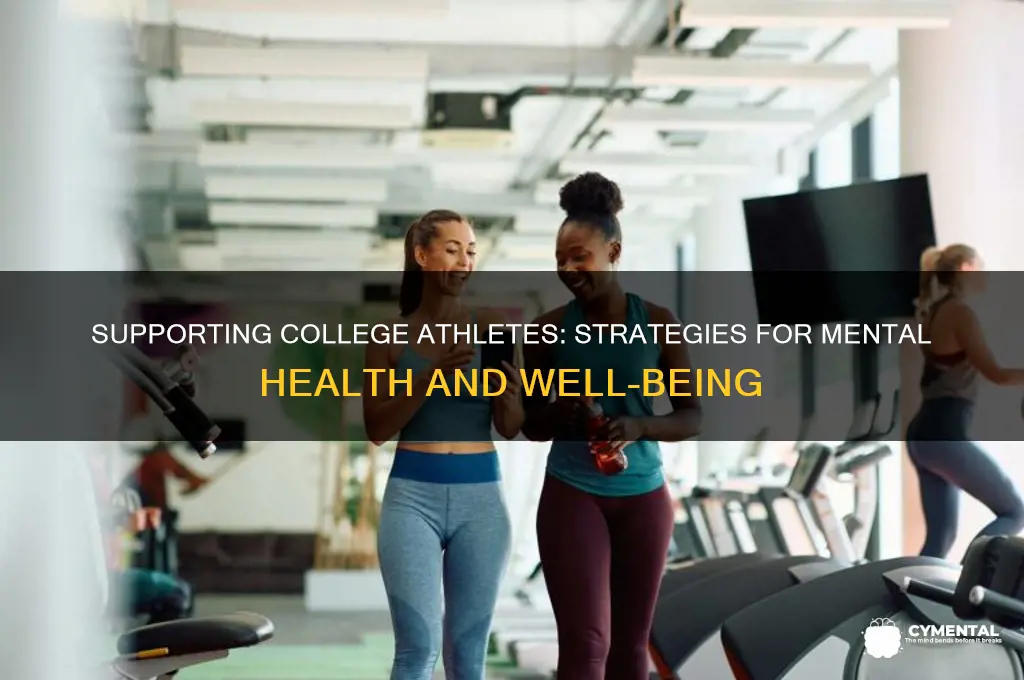
College athletes face unique mental health challenges due to the demanding balance of academic pressures, rigorous training schedules, and high performance expectations. The intense scrutiny from coaches, peers, and fans, coupled with the fear of injury or loss of scholarships, can exacerbate stress, anxiety, and depression. To support their mental well-being, institutions must prioritize comprehensive mental health resources, including access to licensed therapists, mental health education, and destigmatization campaigns. Coaches and teammates should also be trained to recognize signs of distress and foster a supportive environment. By addressing these issues proactively, colleges can ensure athletes thrive both on and off the field.
Explore related products


What You'll Learn
- Normalize Mental Health Conversations: Encourage open dialogue to reduce stigma and promote awareness among athletes
- Provide Access to Professionals: Ensure athletes have easy access to licensed therapists and counselors on campus
- Balance Academics and Sports: Implement time management strategies to reduce stress and burnout
- Peer Support Programs: Create athlete-led groups for shared experiences and emotional support
- Mindfulness and Resilience Training: Teach stress-reduction techniques to improve mental toughness and focus

Normalize Mental Health Conversations: Encourage open dialogue to reduce stigma and promote awareness among athletes
College athletes often face immense pressure, from academic demands to performance expectations, yet mental health struggles are frequently silenced. Normalizing conversations about mental health is the first step in dismantling the stigma that prevents athletes from seeking help. By fostering an environment where discussing mental well-being is as routine as talking about physical injuries, we can create a culture of support and understanding. Start by integrating mental health check-ins into team meetings or one-on-one coaching sessions, treating emotional health with the same urgency as physical health.
Consider the power of peer-to-peer influence. Athletes are more likely to open up when they see teammates sharing their own experiences. Implement peer-led workshops or mentorship programs where seasoned athletes can model vulnerability and resilience. For instance, a senior athlete sharing how therapy helped them manage anxiety can inspire others to seek similar support. Pair these initiatives with educational resources, such as workshops on stress management or mindfulness, to equip athletes with practical tools while normalizing the conversation.
Institutions play a critical role in shaping this dialogue. Athletic departments should mandate mental health training for coaches and staff, ensuring they can recognize signs of distress and respond effectively. For example, a coach who notices an athlete withdrawing from social interactions can initiate a conversation without judgment, offering resources like counseling services or support groups. Additionally, partnering with mental health professionals to provide on-campus services tailored to athletes’ unique needs can remove barriers to access.
Language matters in this normalization process. Avoid phrases like “toughen up” or “mental weakness,” which perpetuate harmful stereotypes. Instead, use language that frames mental health as a vital component of overall well-being. For instance, reframe seeking help as a sign of strength, akin to an athlete prioritizing recovery after an injury. Small shifts in communication can have a profound impact on how athletes perceive their own struggles and those of their peers.
Finally, measure progress and adapt strategies. Conduct anonymous surveys to gauge athletes’ comfort levels discussing mental health and their awareness of available resources. Use this data to refine programs, ensuring they meet the evolving needs of the athletic community. Normalizing mental health conversations isn’t a one-time effort but an ongoing commitment to creating a culture where athletes feel safe, supported, and empowered to thrive both on and off the field.
Move to Thrive: Physical Activity's Impact on Mental Well-Being
You may want to see also
Explore related products


Provide Access to Professionals: Ensure athletes have easy access to licensed therapists and counselors on campus
College athletes face unique pressures—academic demands, competitive stress, and public scrutiny—that can strain their mental health. Providing access to licensed therapists and counselors on campus isn’t just a support system; it’s a necessity. Research shows that athletes are less likely to seek mental health help due to stigma, lack of time, or fear of impacting their athletic standing. On-campus professionals eliminate barriers like travel time and unfamiliar environments, making it easier for athletes to prioritize their mental well-being without sacrificing their performance or privacy.
Consider the logistics: embed therapists within athletic departments or partner with campus counseling centers to offer dedicated hours for athletes. These professionals should specialize in sports psychology, understanding the intersection of physical performance and mental health. For instance, a counselor trained in cognitive-behavioral therapy (CBT) can help athletes reframe negative thoughts about injuries or competition anxiety. Additionally, offering flexible scheduling—early mornings, late evenings, or between practices—ensures athletes can access care without conflicting with their rigorous schedules.
Stigma remains a significant hurdle. To combat this, normalize mental health conversations within athletic programs. Coaches and staff should openly encourage therapy as a tool for peak performance, not a sign of weakness. For example, hosting workshops where therapists explain how mental health impacts focus, resilience, and recovery can shift perceptions. Testimonials from former athletes who benefited from counseling can also humanize the process, making it relatable and less intimidating for current students.
Finally, measure the impact. Track utilization rates, athlete feedback, and changes in mental health outcomes over time. Data-driven adjustments—like expanding services or diversifying therapy types—ensure the program evolves to meet athletes’ needs. For instance, if athletes report high stress during championship seasons, consider offering group therapy sessions focused on stress management. By treating mental health care as an integral part of athletic development, colleges can foster healthier, more resilient athletes both on and off the field.
Mental Health Programs: Empowering Lives Through Support and Healing
You may want to see also
Explore related products


Balance Academics and Sports: Implement time management strategies to reduce stress and burnout
College athletes often juggle rigorous academic demands with intense training schedules, creating a high-risk environment for stress and burnout. Effective time management isn’t just a skill—it’s a necessity for survival in this dual-track lifestyle. Without it, athletes may sacrifice sleep, social life, or even their mental well-being to meet competing deadlines and practice times. The first step to reclaiming balance is recognizing that time is a finite resource, and every minute allocated to one area is a minute taken from another. Prioritization becomes the linchpin of success, both on the field and in the classroom.
Consider the Eisenhower Matrix, a tool that categorizes tasks into four quadrants: urgent and important, important but not urgent, urgent but not important, and neither. For a college athlete, an upcoming exam falls into the first category, while scrolling through social media belongs in the last. By visualizing tasks this way, athletes can allocate time more intentionally. For instance, blocking out 2–3 hours daily for focused study during peak concentration times (often mornings for most people) while reserving evenings for recovery-focused activities like light stretching or meditation. This structured approach minimizes decision fatigue, a common culprit behind procrastination and stress.
However, time management isn’t solely about rigid schedules. Flexibility is equally critical, as unexpected injuries, last-minute team meetings, or academic emergencies can disrupt even the most meticulous plans. Athletes should build buffer time into their routines—perhaps 30–60 minutes daily—to accommodate these surprises without derailing their entire day. Additionally, leveraging technology can streamline efficiency. Apps like Notion or Trello allow athletes to track assignments, practice schedules, and personal commitments in one place, reducing mental clutter. For those who struggle with digital distractions, the Pomodoro Technique (25 minutes of focus followed by a 5-minute break) can enhance productivity while preventing burnout.
A cautionary note: over-scheduling can be as detrimental as under-scheduling. Athletes must guard against the temptation to fill every minute with productivity, as rest and recovery are non-negotiable components of performance. Sleep, in particular, should be treated as a priority, with 7–9 hours per night being the recommended range for college-aged individuals. Sacrificing sleep to cram for a test or review game footage will inevitably backfire, impairing cognitive function and physical recovery. Instead, athletes should aim for a rhythm that balances effort with renewal, ensuring they’re not just surviving but thriving in both domains.
Ultimately, mastering time management requires self-awareness and honesty about one’s limits. College athletes should regularly assess their schedules, asking themselves: *Am I spreading myself too thin? Where can I delegate or eliminate tasks?* By adopting these strategies, athletes can reduce stress, prevent burnout, and create a sustainable framework for excelling in both academics and sports. The goal isn’t perfection but progress—small, consistent adjustments that lead to greater balance and mental resilience over time.
Steroids and Mental Health: Exploring Potential Benefits and Risks
You may want to see also
Explore related products


Peer Support Programs: Create athlete-led groups for shared experiences and emotional support
College athletes face unique pressures—academic demands, competitive stress, and public scrutiny—that can strain their mental health. Peer support programs offer a powerful solution by leveraging shared experiences to foster emotional resilience. Unlike traditional counseling, these athlete-led groups create safe spaces where participants can openly discuss challenges without fear of judgment. For instance, a study at the University of Michigan found that athletes in peer-led groups reported higher levels of trust and willingness to share personal struggles compared to formal therapy sessions. This model works because peers inherently understand the athletic lifestyle, making their support more relatable and actionable.
Implementing a peer support program requires careful planning. Start by identifying athlete leaders who are empathetic, trustworthy, and willing to undergo training in active listening and mental health first aid. These leaders should facilitate weekly 60-minute sessions, structured to include check-ins, topic discussions, and goal-setting activities. For example, a session might begin with a "wins and worries" round, followed by a guided conversation on balancing training with coursework. Practical tips, like time management strategies or mindfulness exercises, can be shared during these meetings. Ensure sessions are voluntary and confidential to encourage participation.
One common challenge is maintaining consistency. Athletes’ schedules are packed, so integrate sessions into existing team meetings or offer flexible times. Use digital platforms like Slack or WhatsApp to share resources and reminders, but prioritize in-person interactions for deeper connections. Caution against overloading leaders—limit their responsibilities to 2–3 sessions per month and provide ongoing supervision from a mental health professional. Additionally, avoid turning these groups into complaint sessions; focus on problem-solving and positive reinforcement.
The impact of peer support programs extends beyond individual athletes. Teams that participate often report improved cohesion and communication, which translates to better performance on and off the field. For example, a basketball team at UCLA saw a 20% increase in player satisfaction and a 15% reduction in reported stress levels after implementing such a program. The key takeaway? Peer support is not just about addressing mental health—it’s about building a culture of empathy and resilience that benefits everyone involved. By investing in these programs, colleges can empower athletes to thrive in all aspects of their lives.
Navigating Mental Health Support Amid COVID-19 Challenges and Resources
You may want to see also
Explore related products


Mindfulness and Resilience Training: Teach stress-reduction techniques to improve mental toughness and focus
College athletes face unique pressures—academic demands, competitive stress, and physical exhaustion—that can erode mental toughness and focus. Mindfulness and resilience training offers a practical solution by equipping athletes with stress-reduction techniques grounded in cognitive and behavioral science. For instance, a 2019 study published in the *Journal of Clinical Sports Psychology* found that athletes who practiced mindfulness reported lower anxiety levels and improved performance consistency. This approach doesn’t require hours of daily practice; even 10–15 minutes of structured mindfulness exercises, such as focused breathing or body scans, can yield measurable benefits when incorporated into a daily routine.
To implement mindfulness training effectively, start with simple, actionable steps. Teach athletes to perform a 5-minute breathing exercise before practice or competition: inhale deeply for 4 seconds, hold for 4 seconds, exhale for 6 seconds, and repeat. This technique activates the parasympathetic nervous system, reducing cortisol levels and promoting calmness. Pair this with progressive muscle relaxation, where athletes tense and release each muscle group systematically, to further alleviate physical tension. For resilience training, introduce cognitive reframing exercises. Encourage athletes to identify negative thoughts—like "I’ll fail under pressure"—and replace them with positive, actionable statements, such as "I’ve prepared for this moment." These tools, when practiced consistently, build mental toughness by rewiring stress responses over time.
While mindfulness and resilience training are powerful, they’re not one-size-fits-all. Athletes may initially resist these practices, viewing them as unrelated to physical performance. To overcome this, frame mindfulness as a skill akin to strength training—essential for peak performance. Incorporate group sessions to foster accountability and normalize the practice. Caution against overloading athletes with complex techniques; start with foundational exercises and gradually introduce advanced practices like loving-kindness meditation or visualization. Additionally, ensure coaches and staff model these behaviors, as athletes are more likely to adopt habits they see in authority figures.
The long-term benefits of mindfulness and resilience training extend beyond the playing field. Athletes who master these techniques report improved sleep, enhanced emotional regulation, and greater overall life satisfaction. For example, a 2021 study in *Frontiers in Psychology* found that college athletes who engaged in mindfulness training experienced a 25% reduction in burnout symptoms over a 12-week period. By integrating these practices into athletic programs, institutions can cultivate not just better athletes, but more resilient individuals prepared to navigate life’s challenges. Start small, stay consistent, and watch as mental toughness becomes a cornerstone of athletic excellence.
Emotional Support: A Powerful Ally for Mental Health Recovery
You may want to see also
Frequently asked questions
Effective support includes providing access to mental health professionals, normalizing conversations about mental health, offering flexible schedules to manage academic and athletic demands, and fostering a supportive team culture that prioritizes well-being over performance.
Coaches can contribute by being trained in mental health awareness, recognizing signs of distress, creating a safe space for athletes to express concerns, and collaborating with mental health professionals to ensure athletes receive appropriate care.
Peer support is crucial as teammates often understand the unique pressures athletes face. Encouraging open dialogue, organizing team-building activities, and training athletes to identify and support struggling peers can create a strong support network.