Harper Lewis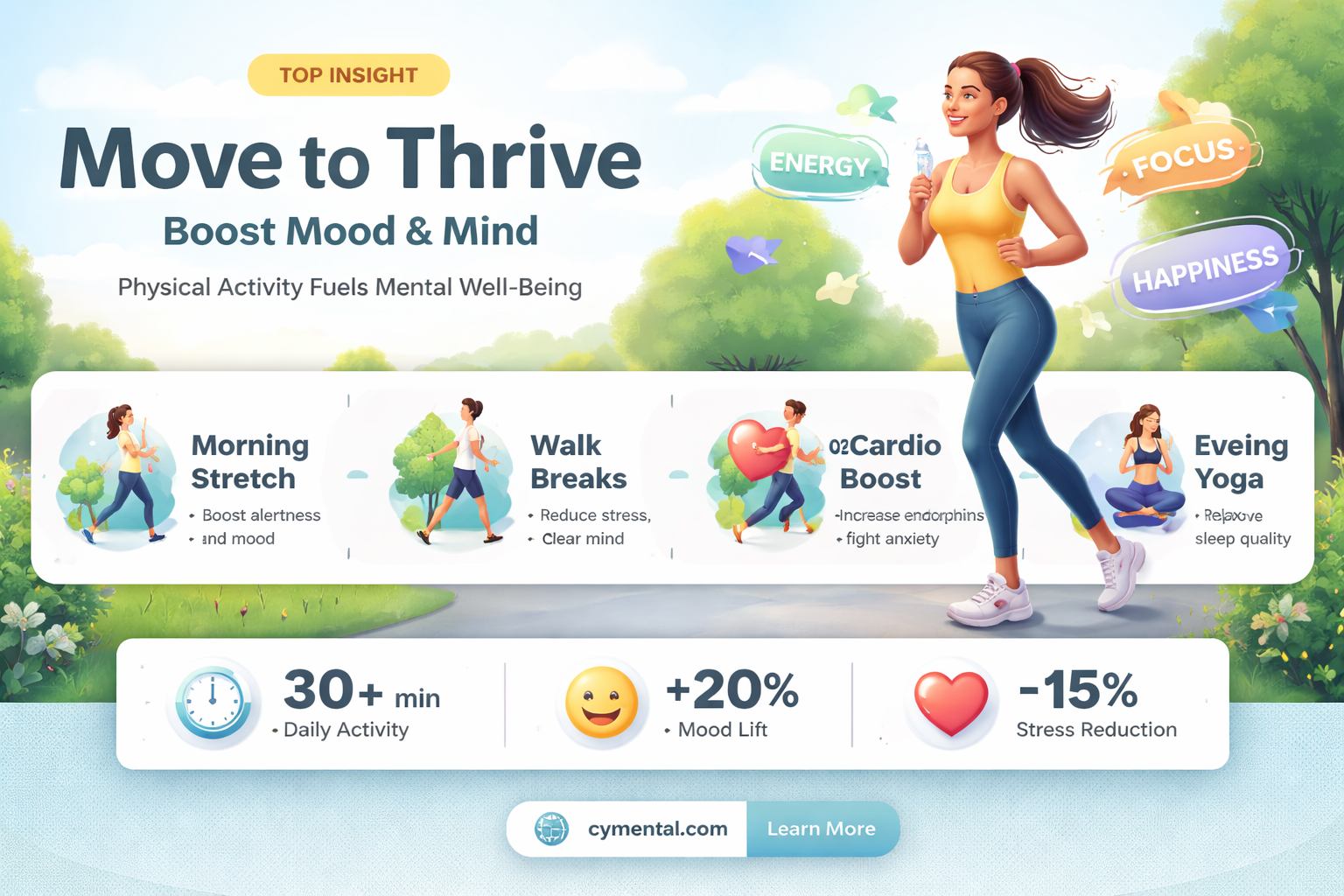
Physical activity has long been recognized as a cornerstone of physical health, but its profound impact on mental well-being is equally significant. Engaging in regular exercise, whether it’s walking, running, yoga, or team sports, has been shown to reduce symptoms of anxiety, depression, and stress while boosting mood, cognitive function, and overall mental resilience. This is largely due to the release of endorphins, often referred to as feel-good hormones, as well as the reduction of stress hormones like cortisol. Additionally, physical activity promotes better sleep, enhances self-esteem, and provides opportunities for social interaction, all of which contribute to maintaining positive mental health. As mental health challenges continue to rise globally, incorporating physical activity into daily routines emerges as a simple yet powerful tool to support emotional and psychological well-being.
| Characteristics | Values |
|---|---|
| Reduces Symptoms of Depression and Anxiety | Regular physical activity can decrease symptoms of depression and anxiety by releasing endorphins, which act as natural mood lifters. Studies show a 26% lower risk of developing depression among active individuals. |
| Improves Cognitive Function | Exercise enhances memory, attention, and problem-solving skills by promoting neuroplasticity and increasing blood flow to the brain. |
| Boosts Self-Esteem and Confidence | Achieving fitness goals and improving physical appearance can significantly enhance self-esteem and body image. |
| Reduces Stress | Physical activity lowers cortisol levels (stress hormone) and promotes relaxation, helping manage daily stressors more effectively. |
| Enhances Sleep Quality | Regular exercise improves sleep duration and quality, which is crucial for mental health and emotional regulation. |
| Increases Social Interaction | Team sports or group fitness classes foster social connections, reducing feelings of loneliness and isolation. |
| Regulates Mood | Exercise stabilizes mood by balancing neurotransmitters like serotonin and dopamine, reducing mood swings. |
| Prevents Cognitive Decline | Physical activity reduces the risk of age-related cognitive decline and neurodegenerative diseases like Alzheimer’s. |
| Promotes Mindfulness | Activities like yoga and tai chi combine physical movement with mindfulness, reducing anxiety and improving mental clarity. |
| Long-Term Mental Health Benefits | Consistent physical activity is associated with a lower risk of developing mental health disorders over time. |
Explore related products


$10.99 $18.99

$10.6 $19.99


What You'll Learn
- Exercise reduces stress and anxiety through endorphin release and improved mood regulation
- Physical activity boosts self-esteem and confidence by achieving fitness goals and improving body image
- Regular movement enhances cognitive function, memory, and focus by increasing brain blood flow
- Social sports and group activities combat loneliness, fostering connections and emotional support
- Exercise alleviates depression symptoms by balancing brain chemicals like serotonin and dopamine

Exercise reduces stress and anxiety through endorphin release and improved mood regulation
Physical activity isn’t just about building muscle or burning calories—it’s a powerful tool for rewiring your brain’s response to stress and anxiety. When you engage in exercise, your body releases endorphins, often referred to as "feel-good" hormones. These chemicals act as natural painkillers and mood elevators, creating a sense of euphoria known as the "runner’s high." But it’s not just about the immediate rush; regular exercise also enhances your brain’s ability to regulate emotions, making you more resilient to daily stressors. For instance, a 30-minute brisk walk or jog can trigger endorphin release, providing instant relief from tension. Over time, consistent physical activity strengthens neural pathways associated with calmness and clarity, reducing the frequency and intensity of anxiety episodes.
Consider this: studies show that moderate-intensity exercise, such as cycling or swimming for 20–30 minutes, three to five times a week, can significantly lower cortisol levels—the hormone linked to stress. For older adults, low-impact activities like yoga or tai chi not only boost endorphins but also improve balance and flexibility, addressing both mental and physical health. Even short bursts of activity, like a 10-minute dance session or a quick HIIT workout, can interrupt stress cycles and elevate mood. The key is consistency; aim to incorporate movement into your daily routine, whether it’s taking the stairs instead of the elevator or stretching during work breaks.
However, it’s important to tailor your exercise routine to your needs and preferences. High-intensity workouts like weightlifting or sprinting can be particularly effective for endorphin release, but they may not suit everyone, especially those with anxiety disorders or physical limitations. In such cases, gentler activities like walking, swimming, or mindfulness-based exercises like qigong can be equally beneficial. Pairing physical activity with social interaction—joining a group fitness class or exercising with a friend—can amplify its stress-reducing effects by fostering a sense of connection and accountability.
One practical tip is to track your mood before and after exercise to observe its impact. Keep a journal or use a fitness app to log your activities and emotional state. Over time, you’ll likely notice patterns, such as reduced irritability after a morning jog or improved sleep quality after an evening yoga session. For teens and young adults, incorporating team sports or outdoor activities like hiking can combine physical benefits with social engagement, addressing both stress and feelings of isolation.
In conclusion, exercise isn’t a cure-all, but it’s a scientifically backed strategy for managing stress and anxiety. By harnessing the power of endorphins and improving mood regulation, physical activity offers a natural, accessible way to enhance mental well-being. Start small, stay consistent, and experiment with different activities to find what works best for you. Your brain—and body—will thank you.
Journaling for Mental Health: Unlocking Emotional Healing and Self-Discovery
You may want to see also
Explore related products


$20.52 $25.99


Physical activity boosts self-esteem and confidence by achieving fitness goals and improving body image
Engaging in regular physical activity isn't just about building muscle or losing weight—it's a powerful tool for reshaping how you perceive yourself. When you set and achieve fitness goals, whether it's running your first 5K or mastering a new yoga pose, your brain registers these accomplishments as tangible proof of your capability. This process triggers a release of endorphins, often referred to as "feel-good" hormones, which reinforce a sense of pride and self-worth. Over time, these small victories accumulate, fostering a deeper belief in your ability to tackle challenges both inside and outside the gym.
Consider the psychological impact of improving your body image through consistent exercise. For many, body image struggles stem from a disconnect between how they see themselves and how they want to be seen. Physical activity bridges this gap by providing measurable progress—stronger muscles, better endurance, or increased flexibility. For instance, a study published in the *Journal of Health Psychology* found that just 30 minutes of moderate exercise three times a week significantly improved participants’ body satisfaction, regardless of weight loss. The key lies in shifting focus from aesthetics to functionality, celebrating what your body *can do* rather than how it looks.
To maximize the self-esteem boost, tailor your fitness goals to your personal values and interests. If you’re competitive, sign up for a local race or fitness challenge. If creativity drives you, explore dance or martial arts. For those over 50, low-impact activities like swimming or tai chi can build confidence without strain. Pairing physical goals with a journal to track progress can amplify the psychological benefits, as writing down achievements reinforces their impact. Remember, the goal isn’t perfection but consistency—each step forward, no matter how small, contributes to a stronger sense of self.
However, it’s crucial to approach fitness with mindfulness to avoid counterproductive behaviors. Over-exercising or fixating on unrealistic standards can erode self-esteem rather than build it. For teens and young adults, who are particularly vulnerable to body image pressures, framing exercise as a form of self-care rather than punishment is essential. Coaches, trainers, or even apps can help set realistic, health-focused goals. For example, aiming to increase squat weight by 10% in six weeks is more constructive than pursuing an arbitrary number on a scale.
Incorporating physical activity into your routine doesn’t require drastic changes. Start with 20–30 minutes of movement daily, whether it’s brisk walking, cycling, or a home workout. For parents, involving children in activities like hiking or sports can model positive self-esteem habits while fostering family bonds. The ultimate takeaway? Physical activity isn’t just about transforming your body—it’s about empowering your mind to see yourself as capable, resilient, and worthy of celebration.
Supporting Teens: Practical Strategies for Navigating Mental Health Challenges
You may want to see also
Explore related products


Regular movement enhances cognitive function, memory, and focus by increasing brain blood flow
Physical activity isn’t just about building muscle or burning calories—it’s a powerful tool for sharpening your mind. When you engage in regular movement, whether it’s a brisk walk, a bike ride, or a yoga session, your heart pumps more blood, delivering oxygen and nutrients to your brain. This increased blood flow stimulates the release of chemicals that enhance neural connections, directly boosting cognitive function, memory, and focus. Think of it as a natural brain fertilizer, where every step or stretch nourishes your mental garden.
Consider this: studies show that just 30 minutes of moderate aerobic exercise, such as jogging or swimming, can improve attention and information processing speed for up to two hours afterward. For older adults, consistent physical activity—like tai chi or dancing—has been linked to a reduced risk of cognitive decline. Even children benefit; recess or active playtime enhances their ability to concentrate in the classroom. The key is consistency; aim for at least 150 minutes of moderate exercise weekly, broken into manageable chunks like 20–30 minutes daily.
But how does this work on a biological level? Exercise triggers the release of brain-derived neurotrophic factor (BDNF), a protein that promotes the growth and survival of neurons. It also stimulates the production of neurotransmitters like dopamine and serotonin, which regulate mood and focus. For instance, a study published in *Frontiers in Psychology* found that students who exercised before an exam demonstrated better memory recall and problem-solving skills compared to their sedentary peers. Practical tip: Pair mental tasks with movement, like brainstorming during a walk or studying while on a stationary bike, to maximize these benefits.
Not all movement is created equal, though. While any activity is better than none, exercises that require coordination and complexity—like tennis, martial arts, or even juggling—offer additional cognitive benefits by engaging multiple brain regions simultaneously. For those with desk jobs, simple habits like standing desks, stretching breaks, or walking meetings can counteract the mental fog that comes from prolonged sitting. Even micro-movements, such as tapping your feet or doing seated leg lifts, can keep blood flowing to your brain during long periods of focus.
Incorporating regular movement into your routine doesn’t require a gym membership or athletic prowess. Start small: take the stairs instead of the elevator, park farther away from your destination, or do a quick bodyweight circuit during TV commercials. The goal is to make physical activity a seamless part of your day, not a chore. By doing so, you’re not just investing in your physical health—you’re giving your brain the fuel it needs to thrive, one step, stretch, or squat at a time.
Can Lawyers Improve Mental Health Outcomes in Legal Cases?
You may want to see also
Explore related products


Social sports and group activities combat loneliness, fostering connections and emotional support
Loneliness is a silent epidemic, affecting people of all ages and backgrounds, often with detrimental effects on mental health. Social sports and group activities offer a powerful antidote by creating environments where individuals can connect, share experiences, and build meaningful relationships. Unlike solitary exercise, these activities inherently involve interaction, breaking down barriers and fostering a sense of belonging. For instance, a weekly community soccer game not only provides physical benefits but also creates a regular opportunity for social engagement, reducing feelings of isolation.
Consider the structure of social sports: they often involve teamwork, communication, and shared goals. These elements encourage participants to rely on one another, fostering trust and camaraderie. For older adults, low-impact group activities like walking clubs or tai chi classes can be particularly effective. Research suggests that consistent participation in such groups can reduce symptoms of depression and anxiety by up to 30%, largely due to the emotional support provided by peers. Even for younger individuals, team sports like basketball or volleyball teach valuable social skills while promoting mental well-being.
To maximize the benefits, aim for at least two group activities per week, each lasting 45–60 minutes. Consistency is key, as regular interaction strengthens social bonds over time. If you’re new to group activities, start small—join a local fitness class or recreational league with no prior experience required. For introverts, less intense options like group yoga or hiking clubs can provide social interaction without overwhelming pressure. Remember, the goal isn’t to become best friends with everyone but to create a network of support that combats loneliness incrementally.
A cautionary note: not all group activities are created equal. Avoid environments that foster competition at the expense of inclusivity, as these can exacerbate feelings of inadequacy. Instead, seek out groups that prioritize participation over performance. For example, adaptive sports programs for individuals with disabilities emphasize community and empowerment, offering mental health benefits that extend far beyond physical activity. By choosing the right setting, you can ensure that social sports become a source of joy and connection rather than stress.
In conclusion, social sports and group activities are more than just exercise—they are lifelines for those struggling with loneliness. By combining physical movement with social interaction, these activities address both the body and mind, creating a holistic approach to mental health. Whether you’re joining a local running club or participating in a community dance class, the act of moving together can transform isolation into connection, one step at a time.
Does a Mental Health Worker Certificate Boost Your Career?
You may want to see also
Explore related products


Exercise alleviates depression symptoms by balancing brain chemicals like serotonin and dopamine
Physical activity isn’t just about building muscle or burning calories—it’s a powerful tool for rewiring the brain’s chemistry. Depression often stems from imbalances in neurotransmitters like serotonin and dopamine, which regulate mood, pleasure, and motivation. Exercise acts as a natural regulator, stimulating the release of these chemicals while reducing stress hormones like cortisol. For instance, a 30-minute brisk walk or jog can trigger the production of endorphins, often referred to as "feel-good" hormones, providing immediate relief from depressive symptoms. This biochemical response is why even short bursts of activity can shift your mood from lethargic to energized.
Consider the science behind this phenomenon. Studies show that aerobic exercises, such as cycling or swimming, increase serotonin levels by promoting the synthesis of tryptophan, its precursor. Strength training, on the other hand, boosts dopamine, which enhances motivation and reward-driven behavior. For optimal results, aim for at least 150 minutes of moderate-intensity exercise weekly, as recommended by the World Health Organization. Breaking this into 30-minute sessions, five days a week, is manageable for most adults and aligns with research showing consistent activity is more effective than sporadic workouts.
However, not all exercises yield the same results. High-intensity interval training (HIIT) can be particularly effective for dopamine release, while yoga and tai chi improve serotonin regulation through mindfulness and controlled breathing. For older adults or those with physical limitations, low-impact activities like walking or water aerobics still offer significant mental health benefits. The key is consistency—regular engagement ensures sustained chemical balance, reducing the severity of depression symptoms over time.
Practical implementation is crucial. Start small to avoid overwhelm; even 10 minutes of daily movement can initiate positive changes. Incorporate activities you enjoy to increase adherence, whether it’s dancing, hiking, or team sports. Pair exercise with social interaction, like joining a fitness class, to amplify its mood-enhancing effects. For those on antidepressants, consult a healthcare provider to ensure exercise complements medication rather than causing adverse interactions.
In conclusion, exercise isn’t a replacement for therapy or medication, but it’s a potent adjunctive strategy for managing depression. By targeting serotonin and dopamine imbalances, it offers a natural, accessible way to improve mental health. The evidence is clear: moving your body regularly can recalibrate your brain’s chemistry, paving the way for a brighter, more resilient mindset. Start today—your brain will thank you.
Pets and Mental Health: How Furry Friends Boost Well-Being
You may want to see also
Frequently asked questions
Yes, regular physical activity can significantly reduce symptoms of anxiety and depression by releasing endorphins, improving mood, and promoting better sleep.
Most guidelines recommend at least 150 minutes of moderate-intensity aerobic activity or 75 minutes of vigorous activity per week, though even small amounts of exercise can provide mental health benefits.
Yes, physical activity enhances cognitive function by increasing blood flow to the brain, promoting neuroplasticity, and improving concentration and memory.
Absolutely, exercise acts as a natural stress reliever by reducing cortisol levels, boosting resilience, and fostering a sense of accomplishment and relaxation.
While any form of exercise is beneficial, activities like yoga, walking, swimming, and team sports are particularly effective due to their combination of physical, social, and mindfulness elements.