Harper Lewis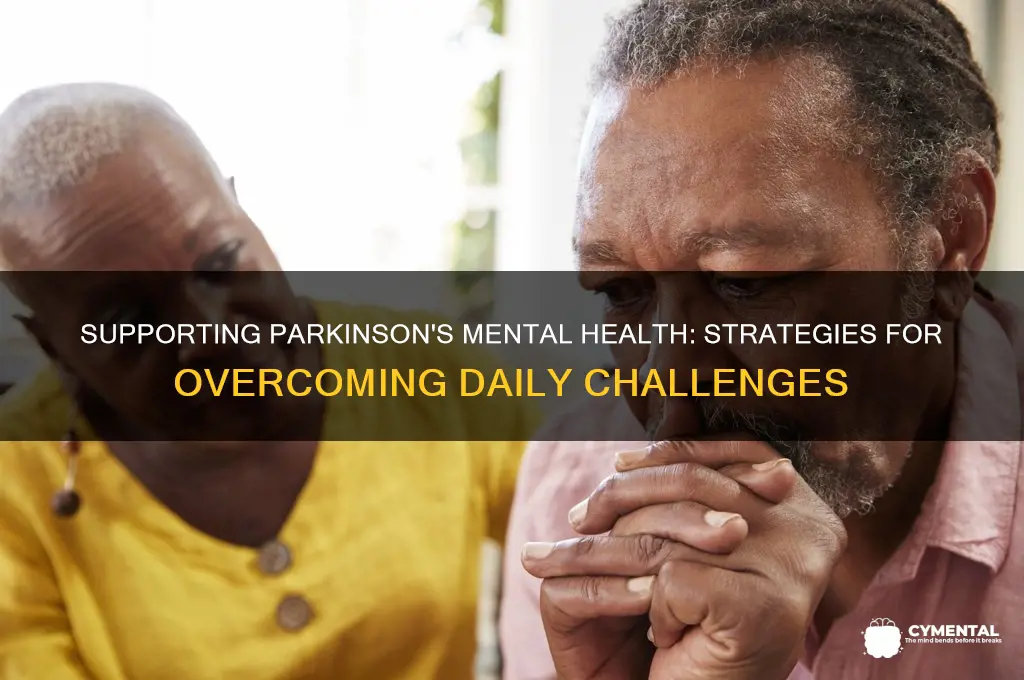
Parkinson's disease is a complex neurodegenerative disorder that not only affects physical motor skills but also poses significant mental and emotional challenges for those diagnosed. Individuals with Parkinson's often face cognitive impairments, mood disorders such as depression and anxiety, and difficulties with memory and executive functioning. Addressing these mental challenges is crucial for improving overall quality of life. Support strategies include cognitive-behavioral therapy to manage emotional distress, mindfulness and relaxation techniques to reduce anxiety, and structured cognitive exercises to enhance mental clarity. Additionally, fostering a strong support network of family, friends, and support groups can provide emotional reassurance and practical assistance. Medication management, in consultation with healthcare professionals, may also help alleviate symptoms. By combining these approaches, individuals with Parkinson's can better navigate the mental aspects of their condition, promoting resilience and well-being.
Explore related products


What You'll Learn
- Exercise Routines: Tailor low-impact exercises like yoga, tai chi, or walking to improve mobility and mood
- Nutrition Tips: Focus on brain-boosting foods like omega-3s, antioxidants, and balanced meals for symptom management
- Stress Reduction: Practice mindfulness, meditation, or deep breathing to reduce anxiety and improve focus
- Support Networks: Join Parkinson’s groups or seek therapy for emotional support and shared experiences
- Medication Adherence: Use reminders, organizers, or apps to ensure consistent and timely medication intake

Exercise Routines: Tailor low-impact exercises like yoga, tai chi, or walking to improve mobility and mood
Parkinson's disease often diminishes mobility and mood, but tailored, low-impact exercises can counteract these effects. Yoga, tai chi, and walking, when adapted to individual abilities, improve balance, flexibility, and emotional well-being. These activities are particularly effective because they minimize joint stress while maximizing functional benefits, making them suitable even for older adults or those with advanced symptoms.
Consider yoga, which emphasizes gentle stretching, breath control, and mindfulness. A 2019 study in the *Journal of Parkinson's Disease* found that participants who practiced yoga twice weekly for 8 weeks experienced significant improvements in motor function and reduced anxiety. For Parkinson's patients, focus on poses like the Mountain Pose (Tadasana) to enhance posture, or the Warrior II (Virabhadrasana II) to strengthen legs and improve stability. Use props like chairs or blocks to modify poses, ensuring safety and accessibility.
Tai chi, often described as "meditation in motion," combines slow, deliberate movements with deep breathing. Its low-impact nature reduces fall risk while enhancing coordination and mental clarity. A 2012 study in the *New England Journal of Medicine* showed that tai chi improved balance and reduced falls in Parkinson's patients. Start with short, 10-minute sessions, gradually increasing duration as stamina improves. Classes tailored for Parkinson's patients, such as those offered by the Parkinson’s Foundation, provide structured routines and peer support.
Walking, the simplest yet most accessible exercise, boosts cardiovascular health, mood, and gait. Aim for 20–30 minutes daily, breaking it into shorter intervals if needed. Incorporate varied terrain (flat surfaces, gentle inclines) to challenge balance and endurance. Wear supportive shoes and consider using a walker or trekking poles for added stability. Tracking progress with a pedometer or smartphone app can motivate consistency.
When designing an exercise routine, prioritize consistency over intensity. Start slowly, gradually increasing duration and complexity as tolerance improves. Consult a physical therapist or neurologist to tailor exercises to specific symptoms, such as rigidity or tremors. Avoid overexertion, and listen to your body—fatigue or pain signals the need for rest.
Incorporating these exercises into daily life not only addresses physical symptoms but also fosters a sense of accomplishment and control. By focusing on what the body *can* do, rather than its limitations, individuals with Parkinson's can reclaim agency over their health and quality of life.
Supporting Adult Children: Strategies to Encourage Mental Health Treatment
You may want to see also
Explore related products


Nutrition Tips: Focus on brain-boosting foods like omega-3s, antioxidants, and balanced meals for symptom management
Parkinson's disease not only affects motor function but also poses significant mental challenges, including cognitive decline and mood disorders. Nutrition plays a pivotal role in managing these symptoms by supporting brain health and overall well-being. Incorporating brain-boosting foods rich in omega-3 fatty acids, antioxidants, and balanced nutrients can mitigate mental challenges associated with Parkinson's. These dietary choices work synergistically to reduce inflammation, protect neurons, and enhance cognitive function.
Omega-3 fatty acids, found in fatty fish like salmon, mackerel, and sardines, are essential for brain health. They help maintain cell membrane integrity and reduce neuroinflammation, a key factor in Parkinson's progression. Aim for at least two servings of fatty fish per week, or consider a high-quality fish oil supplement providing 1,000–2,000 mg of combined EPA and DHA daily. For vegetarians, flaxseeds, chia seeds, and walnuts are excellent plant-based sources, though their conversion to active omega-3s in the body is less efficient. Pairing these foods with vitamin C-rich options like citrus fruits or bell peppers can enhance absorption.
Antioxidants combat oxidative stress, a hallmark of Parkinson's that damages brain cells. Foods high in antioxidants, such as berries, dark leafy greens, and nuts, should be staples in a Parkinson's diet. For instance, blueberries are rich in anthocyanins, while spinach and kale provide lutein and zeaxanthin. Aim for a colorful plate to ensure a diverse intake of these protective compounds. Green tea, rich in catechins, and dark chocolate (70% cocoa or higher) are additional antioxidant-rich options. Incorporate these foods daily, aiming for at least 5 servings of fruits and vegetables to maximize their benefits.
Balanced meals are critical for stabilizing blood sugar levels, which can impact mood and cognitive function. Focus on complex carbohydrates like whole grains, lean proteins, and healthy fats. For example, a meal combining quinoa, grilled chicken, and avocado provides sustained energy and essential nutrients. Avoid processed foods and refined sugars, which can exacerbate inflammation and energy crashes. Hydration is equally important; dehydration can worsen cognitive symptoms, so aim for 8–10 glasses of water daily. For those with swallowing difficulties, consider nutrient-dense smoothies or soups to meet dietary needs.
Practical implementation is key to making these nutrition tips effective. Start by gradually incorporating brain-boosting foods into daily meals. Keep a food journal to track intake and monitor symptom changes. Consult a dietitian or neurologist for personalized advice, especially regarding supplements or dietary restrictions. Small, consistent changes can yield significant improvements in mental clarity and mood, offering a proactive approach to managing Parkinson's challenges.
Supporting Reluctant Loved Ones: Strategies for Accessing Mental Health Care
You may want to see also
Explore related products


Stress Reduction: Practice mindfulness, meditation, or deep breathing to reduce anxiety and improve focus
Living with Parkinson's disease often means navigating a complex web of physical and mental challenges. Among these, stress and anxiety can exacerbate symptoms, creating a cycle that’s difficult to break. Mindfulness, meditation, and deep breathing aren’t just buzzwords—they’re evidence-based tools that can interrupt this cycle. Studies show that regular mindfulness practice can reduce cortisol levels, the body’s primary stress hormone, by up to 14%, offering a tangible way to manage anxiety and improve focus for individuals with Parkinson's.
To begin, mindfulness isn’t about emptying your mind; it’s about observing thoughts without judgment. Start with a simple 5-minute practice daily. Sit comfortably, close your eyes, and focus on your breath. When your mind wanders (which it will), gently bring your attention back to the sensation of air entering and leaving your nostrils. For those with tremors or rigidity, consider guided body scan meditations, which encourage awareness of each body part without tension. Apps like Calm or Headspace offer Parkinson’s-specific sessions, making it accessible even for beginners.
Deep breathing exercises, such as diaphragmatic breathing, are another powerful tool. Inhale slowly through your nose for a count of 4, hold for 4, exhale through your mouth for 6. Repeat this cycle for 5 minutes, twice daily. This technique activates the parasympathetic nervous system, promoting relaxation. For added focus, pair breathing with a visual anchor—imagine stress leaving your body with each exhale. Consistency is key; integrating these practices into a daily routine, perhaps during morning coffee or before bed, ensures they become habits rather than chores.
While mindfulness and meditation are widely beneficial, they’re not one-size-fits-all. Some individuals with Parkinson’s may find prolonged sitting uncomfortable or struggle with cognitive fatigue. In such cases, adapt the practice: try walking meditation, where you focus on the sensation of each step, or shorten sessions to 2–3 minutes. Pairing mindfulness with gentle yoga or tai chi can also enhance physical comfort while reducing stress. Always consult a healthcare provider before starting new practices, especially if you’re managing medications or other therapies.
The takeaway? Stress reduction through mindfulness, meditation, and deep breathing isn’t just about calming the mind—it’s about reclaiming control over your day-to-day experience with Parkinson’s. These practices don’t require special equipment or large time commitments, yet their impact on anxiety and focus can be profound. Start small, stay consistent, and tailor the approach to your unique needs. In a condition where unpredictability often reigns, these tools offer a grounding force—one breath, one moment, at a time.
Tackling Stress: Mental Health Benefits of American Football Explained
You may want to see also
Explore related products


Support Networks: Join Parkinson’s groups or seek therapy for emotional support and shared experiences
Living with Parkinson's disease often means navigating not just physical symptoms but also profound emotional and psychological challenges. Isolation can exacerbate feelings of anxiety, depression, or helplessness, making support networks a critical lifeline. Joining Parkinson’s groups or seeking therapy offers a dual benefit: emotional support from those who understand your experience and practical strategies for coping with mental challenges. These networks provide a safe space to share fears, frustrations, and victories, fostering resilience and a sense of belonging.
Consider the structure of Parkinson’s support groups, which often include peer-led discussions, educational workshops, and social activities. For instance, the Parkinson’s Foundation offers both in-person and virtual groups tailored to different age categories, such as young-onset Parkinson’s (diagnosed under 50) or caregiver-specific forums. These groups are not just about commiseration; they’re about collective problem-solving. Members exchange tips on managing medication side effects, coping with cognitive changes, or adapting to lifestyle shifts. For example, one group might focus on mindfulness techniques to reduce stress, while another shares strategies for maintaining independence in daily tasks.
Therapy, particularly cognitive-behavioral therapy (CBT), complements group support by addressing individual mental health needs. CBT helps reframe negative thought patterns and build coping mechanisms for anxiety or depression, common in Parkinson’s. A therapist can also guide caregivers, who often experience emotional strain while supporting their loved ones. Practical tips for finding the right therapist include seeking professionals experienced in chronic illness or geriatric care, especially if the individual is over 65. Teletherapy options are particularly useful for those with mobility challenges, ensuring consistent access to mental health support.
Comparing group support and therapy reveals their complementary strengths. Groups provide communal validation and shared wisdom, while therapy offers personalized tools for emotional regulation. For instance, a group member might share how journaling helps track mood fluctuations, while a therapist could help structure this practice into a daily routine. Combining both approaches maximizes mental health benefits, creating a robust support system tailored to the complexities of Parkinson’s.
In conclusion, building a support network through Parkinson’s groups and therapy is not just beneficial—it’s transformative. It turns isolation into connection, fear into empowerment, and uncertainty into actionable strategies. Whether you’re newly diagnosed or years into your journey, these networks offer a reminder: you’re not alone, and there’s strength in shared experience. Start by locating a local or virtual group, or ask your neurologist for a therapist referral. Small steps today can lead to significant mental health improvements tomorrow.
Supporting Your Adult Son Through Mental Health Challenges: A Guide
You may want to see also
Explore related products


Medication Adherence: Use reminders, organizers, or apps to ensure consistent and timely medication intake
Parkinson's disease often requires a complex medication regimen, with multiple doses taken at specific intervals throughout the day. Missing even a single dose can lead to a significant increase in symptoms, affecting mobility, mood, and overall quality of life. For individuals with Parkinson's, especially those experiencing cognitive challenges, adhering to this regimen can be particularly difficult.
This is where reminders, organizers, and apps become invaluable tools.
Forgetfulness, difficulty with time management, and motor impairments can all contribute to medication non-adherence. A study published in the *Journal of Parkinson's Disease* found that up to 50% of patients with Parkinson's struggle with medication adherence, highlighting the urgency of finding effective solutions.
Implementing a multi-pronged approach is key. Start with simple, low-tech solutions like pill organizers. These compartmentalized boxes, labeled with days of the week and times of day, provide a visual cue and physical reminder. For example, a 7-day pill organizer with morning, noon, and evening compartments can help ensure each dose is taken at the correct time. Pairing this with a daily alarm clock or timer set to medication times adds an auditory reminder, further reinforcing the routine.
For those comfortable with technology, medication reminder apps offer a more sophisticated solution. Apps like Medisafe, MyTherapy, and Mango Health not only send alerts for medication times but also track dosage history, provide refill reminders, and allow for data sharing with caregivers or healthcare providers. Some apps even incorporate gamification elements, rewarding consistent adherence with points or badges, which can be particularly motivating for some users.
It's crucial to personalize the approach. Consider the individual's cognitive abilities, technological proficiency, and personal preferences. For someone with mild cognitive impairment, a combination of a pill organizer and a simple alarm clock might suffice. For someone more tech-savvy, a feature-rich app with caregiver notifications could be ideal. Involving the individual in the decision-making process empowers them and increases the likelihood of successful adherence.
Remember, medication adherence is a team effort. Caregivers play a vital role in supporting individuals with Parkinson's in managing their medication. They can help set up reminders, monitor adherence, and provide encouragement. Open communication between the individual, caregivers, and healthcare team is essential to identify challenges and adjust strategies as needed.
By leveraging reminders, organizers, and apps, individuals with Parkinson's and their caregivers can work together to overcome medication adherence challenges. This, in turn, leads to better symptom management, improved quality of life, and a greater sense of control over the disease.
Kratom and Mental Health: Exploring Its Potential Benefits and Risks
You may want to see also
Frequently asked questions
Encourage regular exercise, mindfulness or meditation, cognitive-behavioral therapy (CBT), and maintaining social connections. Consult a healthcare provider for medication adjustments if needed.
Establish a routine, use memory aids (e.g., calendars or notes), simplify tasks, and provide a calm, structured environment. Seek professional guidance for cognitive therapy or support groups.
Physical activity, such as walking, yoga, or tai chi, can reduce symptoms of depression, anxiety, and cognitive decline by releasing endorphins, improving mood, and enhancing brain health.
A balanced diet rich in antioxidants, omega-3 fatty acids, and whole foods can support brain health. Limit processed foods and sugar, and stay hydrated. Consult a dietitian for personalized advice.
Practice stress management techniques like deep breathing or journaling, maintain a consistent sleep schedule, and communicate openly with loved ones. Medication review with a neurologist may also help stabilize moods.