Noah Parker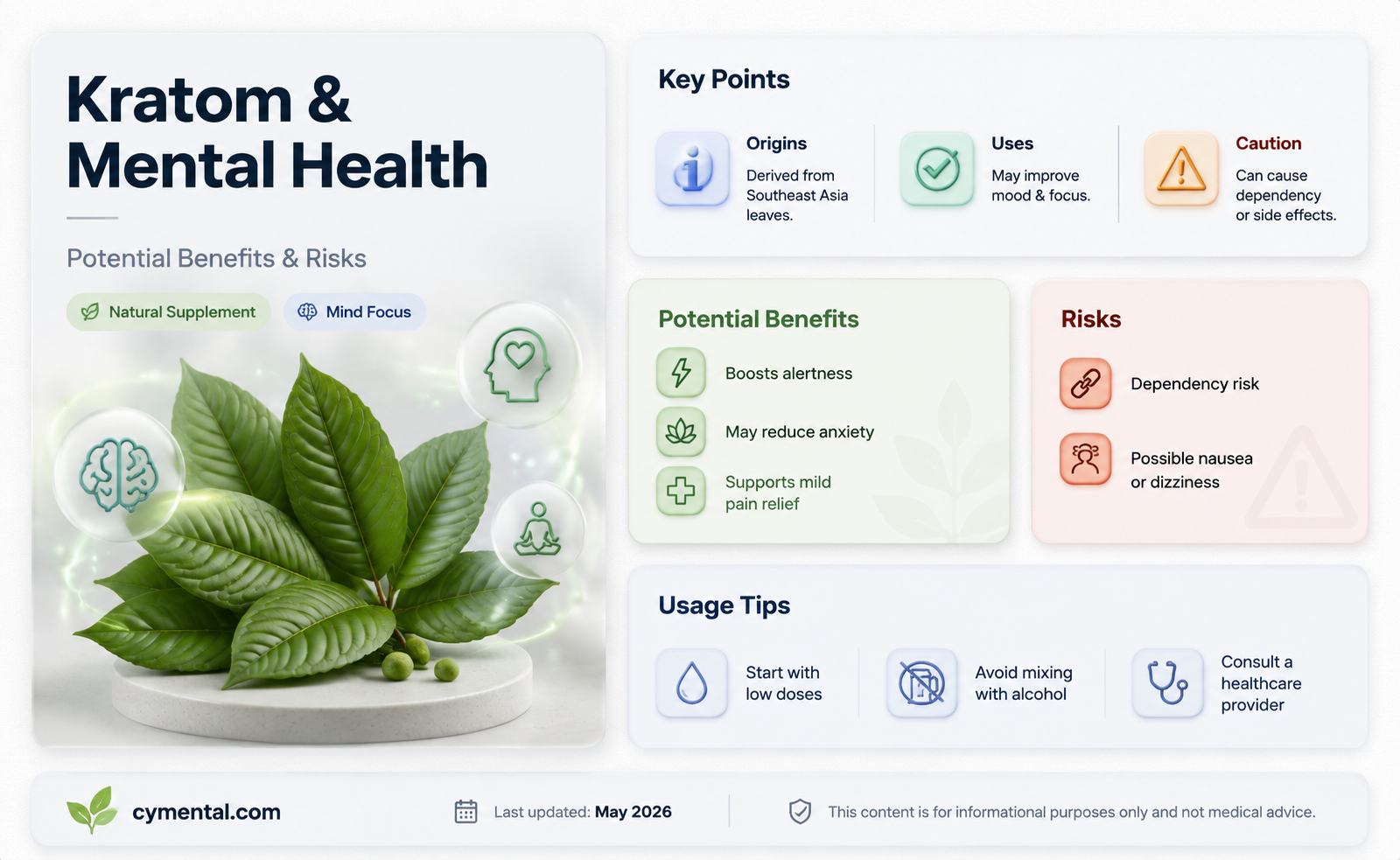
Kratom, derived from the leaves of a tree native to Southeast Asia, has gained attention for its potential effects on mental health, with some users reporting benefits such as reduced anxiety, improved mood, and relief from symptoms of depression. Advocates suggest that its active compounds, mitragynine and 7-hydroxymitragynine, interact with brain receptors to promote relaxation and emotional well-being. However, scientific research on kratom’s mental health benefits remains limited, and concerns persist regarding its safety, potential for dependency, and lack of regulation. As interest grows, further studies are needed to fully understand its efficacy and risks in addressing mental health conditions.
| Characteristics | Values |
|---|---|
| Anxiety Relief | Some users report reduced anxiety symptoms, though scientific evidence is limited and anecdotal. |
| Mood Enhancement | Kratom may act as a mild stimulant at low doses, potentially improving mood temporarily. |
| Depression | Limited studies suggest possible antidepressant effects, but long-term efficacy and safety are unclear. |
| Addiction Risk | High potential for dependence and withdrawal symptoms, which can worsen mental health issues. |
| Psychological Effects | May cause euphoria, relaxation, or sedation depending on dosage, but can also lead to irritability or agitation. |
| Scientific Evidence | Minimal rigorous research; most claims are based on user reports and small-scale studies. |
| Safety Concerns | Associated with risks like liver damage, seizures, and interactions with other substances. |
| Regulatory Status | Not approved by the FDA for any medical use; legal status varies by region. |
| Long-Term Effects | Unknown, with potential risks of chronic use outweighing perceived benefits. |
| Alternative to Prescription Drugs | Some users seek kratom as a substitute for antidepressants or anxiolytics, but this is not medically recommended. |
| Individual Variability | Effects vary widely based on dosage, strain, and individual physiology. |
| Withdrawal Symptoms | Can include anxiety, depression, insomnia, and physical symptoms, complicating mental health management. |
Explore related products


What You'll Learn

Kratom's effects on anxiety and stress relief
Kratom, derived from the leaves of the Mitragyna speciosa tree, has gained attention for its potential to alleviate anxiety and stress. Users often report a sense of calm and relaxation after consumption, attributing these effects to the active compounds mitragynine and 7-hydroxymitragynine. These alkaloids interact with the brain’s receptors, potentially modulating mood and reducing symptoms of anxiety. However, the lack of standardized dosing and varying strains (e.g., Red Bali, Green Malay) complicates its use, as effects can differ significantly based on strain and individual tolerance.
For those considering kratom as a stress-relief tool, starting with a low dose (1-2 grams) is critical. Higher doses (5+ grams) may lead to sedation or overstimulation, counteracting the desired calming effect. Age and body weight also play a role; younger adults and those with lower body mass may experience effects more intensely. Practical tips include consuming kratom on an empty stomach for faster onset and avoiding daily use to prevent tolerance buildup. Combining kratom with mindfulness practices, such as deep breathing or meditation, can enhance its stress-relieving properties.
Comparatively, kratom’s anxiety-reducing effects are often likened to those of traditional anxiolytics, but with a unique caveat: its stimulant-like properties at lower doses. This duality means users must carefully monitor their intake to avoid unintended agitation. Unlike prescription medications, kratom is not regulated, posing risks of contamination or inconsistent potency. For this reason, sourcing from reputable vendors and verifying product purity through third-party testing is essential.
A persuasive argument for kratom’s use in stress relief lies in its accessibility and natural origin, appealing to those seeking alternatives to pharmaceuticals. However, this must be weighed against potential risks, including dependency and withdrawal symptoms. Long-term users often report diminished efficacy over time, underscoring the need for moderation. For individuals with pre-existing mental health conditions, consulting a healthcare provider is crucial, as kratom may interact with other medications or exacerbate symptoms.
In conclusion, kratom’s effects on anxiety and stress relief are promising yet nuanced. Its ability to induce relaxation and improve mood makes it a compelling option for some, but the absence of clinical guidelines and potential risks demand cautious, informed use. By prioritizing low doses, quality sourcing, and mindful consumption, individuals can explore kratom’s benefits while minimizing adverse outcomes.
Baking Therapy: How Baking Boosts Mental Health and Well-being
You may want to see also
Explore related products


![SAFE LIFE Kratom Dip Card Test Kit | Urine Screening for Mitragynine, 300 ng/mL Cutoff [ 10 Pack]](https://m.media-amazon.com/images/I/71VN1ZGsvkL._AC_UL320_.jpg)


Potential benefits for depression symptoms
Kratom's potential to alleviate depression symptoms has garnered attention, with anecdotal reports suggesting it may offer a natural alternative to traditional antidepressants. Users often describe a mood-lifting effect, attributing it to the active compounds mitragynine and 7-hydroxymitragynine, which interact with opioid receptors in the brain. These interactions can lead to increased energy, improved focus, and a sense of well-being, all of which are critical in combating depressive episodes. However, the lack of extensive clinical research means these effects are not yet fully understood or universally accepted in the medical community.
To explore kratom’s benefits for depression, consider starting with a low dosage, typically 1-2 grams, to gauge its effects on your mood and energy levels. Gradually increasing the dose by 0.5 grams, up to a moderate 3-5 grams, may enhance its antidepressant properties without overwhelming side effects. It’s crucial to monitor how your body responds, as individual tolerance varies. For those over 30 or with pre-existing health conditions, consulting a healthcare provider is advisable, as kratom can interact with other medications or exacerbate underlying issues.
A comparative analysis reveals that kratom’s mood-enhancing effects differ from traditional antidepressants, which often take weeks to show results. Kratom’s faster-acting nature may provide immediate relief for acute depressive symptoms, such as fatigue or anhedonia. However, its long-term efficacy and safety remain uncertain, particularly due to concerns about dependency and withdrawal. Unlike SSRIs or SNRIs, kratom is not regulated, making consistent dosing and quality control challenging. This highlights the need for cautious experimentation and informed decision-making.
Practically, incorporating kratom into a mental health regimen requires a holistic approach. Pairing it with lifestyle changes, such as regular exercise, a balanced diet, and therapy, can maximize its potential benefits. For instance, using kratom in the morning may boost motivation for physical activity, while evening doses could promote relaxation and better sleep. Keeping a journal to track mood changes, dosage, and side effects can help identify patterns and optimize usage. Remember, kratom is not a cure-all but a tool that, when used mindfully, may support mental health management.
College and Mental Growth: Unlocking Personal Development and Resilience
You may want to see also
Explore related products


Impact on mood and emotional regulation
Kratom's alkaloids, particularly mitragynine and 7-hydroxymitragynine, interact with opioid receptors in the brain, influencing mood and emotional responses. Users often report feelings of euphoria, reduced anxiety, and improved emotional stability at low to moderate doses (1-5 grams). These effects are attributed to the substance's ability to modulate neurotransmitters like serotonin and dopamine, which play critical roles in mood regulation. However, the lack of standardized dosing and variability in individual responses make it difficult to predict outcomes consistently.
Consider the case of a 32-year-old professional who uses kratom to manage work-related stress. At 2 grams daily, she notes enhanced focus and a calmer demeanor without sedation. Yet, increasing the dose to 7 grams results in irritability and emotional numbness, highlighting the importance of precision in dosing. This example underscores the fine line between therapeutic benefit and adverse effects, emphasizing the need for self-monitoring and gradual titration.
For those exploring kratom for mood regulation, start with the lowest effective dose (1-2 grams) and observe effects over 24-48 hours. Avoid combining kratom with other substances, especially alcohol or prescription medications, as interactions can exacerbate emotional instability. Keep a journal to track dosage, timing, and emotional responses, enabling adjustments based on patterns. For individuals under 18 or over 65, consult a healthcare provider before use, as age-related metabolic differences may alter kratom’s impact.
Critics argue that kratom’s mood-enhancing effects are short-lived and may lead to dependency, particularly with prolonged use. A 2021 study published in *Drug and Alcohol Dependence* found that 40% of long-term users experienced withdrawal symptoms, including mood swings and anxiety, upon cessation. This raises concerns about its sustainability as a mental health aid. Proponents counter that responsible use, coupled with lifestyle changes like therapy and exercise, can mitigate risks while maximizing benefits.
In practice, kratom’s role in emotional regulation is context-dependent. For acute stress or occasional mood imbalances, it may offer temporary relief. However, it is not a substitute for evidence-based treatments like cognitive-behavioral therapy or antidepressants. Users should approach kratom as a supplementary tool, prioritizing long-term mental health strategies over quick fixes. Always source kratom from reputable vendors and stay informed about legal and safety updates in your region.
Accessing Mental Health Care Without Insurance: Affordable Options and Resources
You may want to see also
Explore related products



Kratom's role in managing PTSD symptoms
Kratom, derived from the leaves of the Mitragyna speciosa tree, has gained attention for its potential in alleviating symptoms of PTSD. While research is still in its infancy, anecdotal evidence and preliminary studies suggest that kratom may offer relief by modulating mood, reducing anxiety, and promoting relaxation. Its active compounds, mitragynine and 7-hydroxymitragynine, interact with opioid receptors in the brain, potentially mimicking the effects of traditional opioids without the same level of dependency risk. However, its use remains controversial, and understanding its role in PTSD management requires a nuanced approach.
For individuals exploring kratom as a PTSD management tool, dosage and strain selection are critical. Red vein kratom strains, such as Red Bali or Red Maeng Da, are often recommended for their calming and sedative effects, which may help mitigate hyperarousal and insomnia common in PTSD. Starting with a low dose (1-2 grams) and gradually increasing to 3-5 grams, depending on tolerance, is advised. It’s essential to monitor effects closely, as higher doses can lead to stimulation rather than relaxation. Consistency in timing—such as taking kratom in the evening—can also enhance its anxiolytic benefits without interfering with daily activities.
One of the most compelling aspects of kratom in PTSD management is its potential to address comorbid symptoms like depression and chronic pain. Many PTSD sufferers experience physical discomfort or emotional numbness, and kratom’s dual action as a mood enhancer and analgesic may provide holistic relief. However, this dual action also underscores the need for caution. Kratom’s opioid-like properties can lead to tolerance or dependence, particularly with prolonged use. Individuals with a history of substance use disorders should approach kratom with extreme caution or avoid it altogether.
Comparatively, kratom stands apart from traditional PTSD treatments like SSRIs or benzodiazepines, which often come with side effects such as weight gain, drowsiness, or cognitive fog. Kratom users frequently report fewer side effects, though this may be due to its unregulated nature and varying product quality. To minimize risks, sourcing kratom from reputable vendors and opting for lab-tested products is crucial. Additionally, combining kratom with therapy, such as cognitive-behavioral therapy (CBT) or eye movement desensitization and reprocessing (EMDR), may enhance its effectiveness by addressing both physiological and psychological aspects of PTSD.
In conclusion, while kratom shows promise in managing PTSD symptoms, it is not a one-size-fits-all solution. Its benefits must be weighed against potential risks, and its use should be guided by informed decision-making and, ideally, professional oversight. For those considering kratom, starting with small doses, selecting appropriate strains, and integrating it into a comprehensive treatment plan can maximize its therapeutic potential while minimizing adverse outcomes. As research evolves, kratom may emerge as a valuable adjunctive tool in the PTSD management toolkit, but for now, caution and education remain paramount.
Isolation's Impact: Does Solitude Heal or Harm Mental Health?
You may want to see also
Explore related products



Risks vs. benefits for mental health use
Kratom's potential as a mental health aid is a double-edged sword, offering both promise and peril. Advocates tout its ability to alleviate symptoms of anxiety, depression, and PTSD, often citing its natural origin as a safer alternative to pharmaceuticals. However, the lack of standardized dosing and long-term studies leaves users navigating a minefield of potential risks, including dependency, cognitive impairment, and unpredictable interactions with other substances.
Consider the case of a 32-year-old with generalized anxiety disorder who turned to kratom after traditional medications failed. Starting with 2 grams daily, they reported reduced anxiety and improved mood within weeks. Yet, after six months, they experienced withdrawal symptoms—irritability, insomnia, and muscle aches—when attempting to quit. This example underscores the fine line between therapeutic use and misuse, highlighting the need for cautious experimentation and professional oversight.
From an analytical standpoint, kratom’s active compounds, mitragynine and 7-hydroxymitragynine, interact with opioid receptors in the brain, producing both stimulant and sedative effects depending on dosage. Low doses (1–5 grams) may enhance focus and energy, while higher doses (5–15 grams) can induce relaxation or even euphoria. However, this dual action also increases the risk of adverse effects, such as dizziness, nausea, or respiratory depression, particularly in individuals with pre-existing mental health conditions or those taking medications like SSRIs or benzodiazepines.
For those considering kratom, a structured approach is essential. Begin with the lowest effective dose (1–2 grams) and monitor effects closely. Avoid daily use to minimize dependency risk, and never combine kratom with alcohol or other depressants. Consult a healthcare provider, especially if you’re under 18, over 65, or have a history of substance abuse. While kratom may offer temporary relief, it is not a substitute for evidence-based therapies like cognitive-behavioral therapy or medication management.
In conclusion, the risks and benefits of kratom for mental health are intertwined, demanding informed decision-making. Its potential as a complementary tool is undeniable, but so are the dangers of uninformed use. Approach with caution, prioritize safety, and remember: natural does not always mean harmless.
Hypnosis and Mental Health: Exploring Its Potential as a Therapeutic Tool
You may want to see also
Frequently asked questions
Some users report that kratom helps alleviate symptoms of anxiety and depression due to its stimulant and opioid-like effects. However, scientific evidence is limited, and long-term use may lead to dependence or worsen mental health symptoms.
At low doses, kratom may enhance focus and elevate mood due to its stimulant properties. However, individual responses vary, and higher doses can have sedative effects, potentially impairing cognitive function.
Kratom is not FDA-approved for mental health treatment and carries risks, including addiction, withdrawal, and potential interactions with medications. Consult a healthcare professional before using it for mental health purposes.
Kratom can interact with antidepressants, anti-anxiety medications, and other drugs, potentially causing adverse effects. Always discuss kratom use with a healthcare provider if you are taking mental health medications.