Ava Ramirez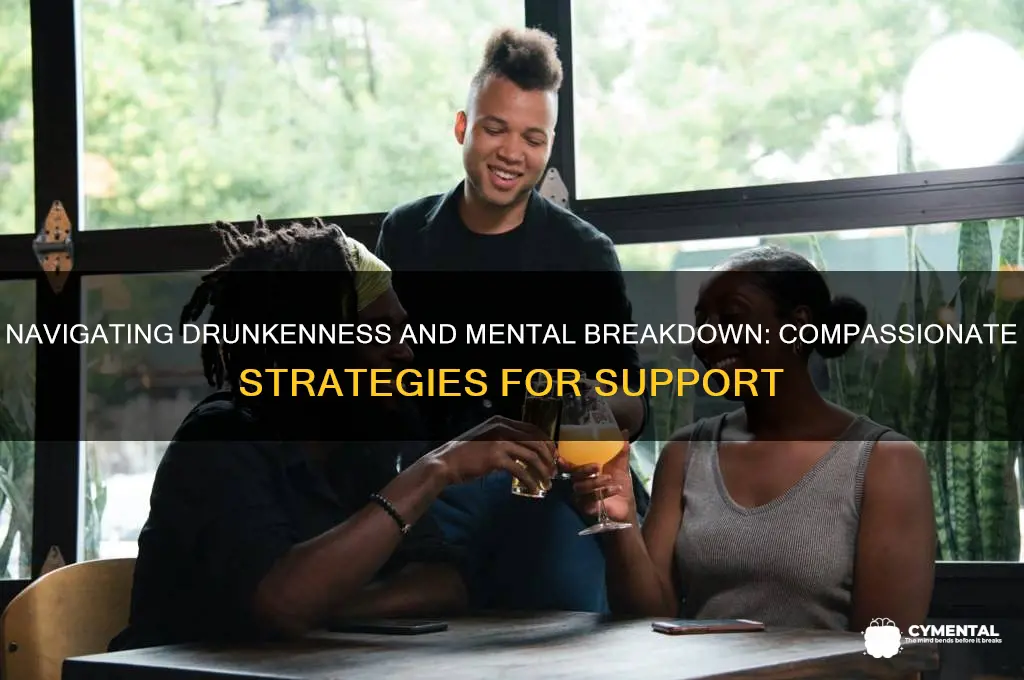
Helping someone experiencing a mental breakdown while under the influence of alcohol requires a delicate and compassionate approach. Alcohol can exacerbate emotional distress, impair judgment, and intensify feelings of anxiety or depression, making it crucial to prioritize safety and emotional support. Start by ensuring the person is in a secure environment, away from potential harm, and encourage them to slow down their drinking or stop altogether. Listen actively and non-judgmentally, acknowledging their feelings without dismissing their emotions, even if alcohol is a contributing factor. Avoid arguing or confronting them about their drinking, as this can escalate tension. Instead, gently suggest calming activities like deep breathing, hydration, or a quiet space to rest. If the situation feels overwhelming or unsafe, don’t hesitate to seek help from a trusted friend, family member, or professional, such as a mental health crisis hotline or medical assistance. The goal is to provide immediate comfort and stability while encouraging follow-up support to address both mental health and alcohol-related concerns.
| Characteristics | Values |
|---|---|
| Ensure Safety | Remove sharp objects, secure the environment, and prevent self-harm. |
| Stay Calm | Maintain a composed demeanor to de-escalate the situation. |
| Listen Actively | Allow the person to express their feelings without judgment. |
| Avoid Arguments | Refrain from debating or contradicting their emotions. |
| Offer Reassurance | Provide gentle, supportive words to help them feel less alone. |
| Encourage Hydration | Offer water to counteract dehydration from alcohol. |
| Limit Alcohol Intake | Prevent further consumption to avoid worsening the situation. |
| Suggest Fresh Air | Move to a well-ventilated area or outdoors if possible. |
| Monitor for Severe Symptoms | Watch for signs of alcohol poisoning or severe distress. |
| Seek Professional Help | Contact a mental health professional or crisis hotline if needed. |
| Avoid Enabling Behavior | Do not encourage drinking as a coping mechanism. |
| Be Patient | Understand that recovery from a mental breakdown takes time. |
| Follow Up | Check in with the person after the incident to offer continued support. |
| Educate on Healthy Coping | Discuss alternative ways to manage stress and emotions. |
| Respect Boundaries | Give space if the person requests it, but remain available for support. |
Explore related products
![SODAVA [3Pcs, 3in] We Do Recover Sticker – Motivational Addiction Recovery Vinyl Decal for Laptop Water Bottle Journal – Sober Mental Health AA NA Inspirational Gift for Him Her Men Women](https://m.media-amazon.com/images/I/615YufLZM3L._AC_UY218_.jpg)


What You'll Learn
- Stay Calm and Breathe: Focus on deep breathing to reduce anxiety and regain emotional control
- Hydrate and Eat Light: Drink water and eat small snacks to stabilize blood sugar and reduce intensity
- Limit Alcohol Intake: Stop drinking immediately to prevent worsening emotional and mental distress
- Seek Support: Call a trusted friend or helpline for immediate emotional reassurance and guidance
- Safe Environment: Move to a quiet, familiar place to minimize triggers and feel secure

Stay Calm and Breathe: Focus on deep breathing to reduce anxiety and regain emotional control
Deep breathing is a powerful tool to counteract the overwhelming emotions that can surface during a mental breakdown, especially when alcohol is involved. Alcohol disrupts the balance of neurotransmitters in the brain, amplifying anxiety and making it harder to regulate emotions. When you feel a breakdown looming, the first step is to pause and focus on your breath. This simple act can interrupt the spiral of panic and provide a moment of clarity.
To practice deep breathing effectively, find a quiet space if possible. Sit or stand comfortably, close your eyes if it feels safe, and place one hand on your chest and the other on your abdomen. Inhale slowly through your nose for a count of four, feeling your abdomen rise as you fill your lungs completely. Hold your breath for a count of four, then exhale slowly through your mouth for another count of four, letting your abdomen fall. Repeat this cycle for at least one minute, focusing solely on the sensation of the breath moving in and out of your body. This technique, known as diaphragmatic breathing, activates the parasympathetic nervous system, which calms the body’s stress response.
While deep breathing is accessible to anyone, regardless of age or physical ability, it’s particularly effective for individuals experiencing alcohol-induced anxiety. Alcohol dehydrates the body and disrupts oxygen flow, which can exacerbate feelings of dizziness and panic. Deep breathing counteracts this by increasing oxygen intake and promoting relaxation. For those who struggle to focus, pairing the breath with a mantra like “I am safe” or “This will pass” can enhance the calming effect.
One common mistake is to rush the process or become frustrated if the mind wanders. Remember, the goal isn’t to eliminate thoughts but to observe them without judgment while returning to the breath. If you’re in a noisy or chaotic environment, try using earbuds to block out distractions or focus on a fixed point to ground yourself. Consistency is key—practicing deep breathing daily, even when not in crisis, builds resilience and makes it easier to activate during moments of distress.
In conclusion, deep breathing is a simple yet profound way to regain emotional control during a mental breakdown while drunk. By slowing down the breath and engaging the body’s natural relaxation response, you can create a buffer against the overwhelming effects of alcohol and anxiety. It’s a tool that requires no equipment, no special skills, and can be used anywhere, making it an invaluable resource in moments of crisis.
Unlocking Mental Wellness: The Transformative Power of Psychedelics Explained
You may want to see also
Explore related products


Hydrate and Eat Light: Drink water and eat small snacks to stabilize blood sugar and reduce intensity
Alcohol’s diuretic effect accelerates dehydration, exacerbating symptoms like dizziness, fatigue, and emotional volatility during a mental breakdown. When drunk, the body prioritizes metabolizing alcohol over maintaining fluid balance, leading to rapid electrolyte loss. To counteract this, aim to drink 8–16 ounces of water every hour, alternating each alcoholic beverage with a glass of water. For those already dehydrated, oral rehydration solutions (e.g., Pedialyte) restore sodium and potassium more effectively than plain water. This simple act of hydration can blunt the physical symptoms that amplify emotional distress.
Blood sugar crashes are a silent agitator during alcohol-induced breakdowns. Alcohol blocks the liver from releasing glucose, while binge drinking depletes glycogen stores, causing hypoglycemia-like symptoms: irritability, confusion, and anxiety. To stabilize levels, consume small, carbohydrate-rich snacks such as crackers, bananas, or yogurt. Avoid sugary foods, which spike glucose temporarily but worsen crashes later. Aim for snacks under 200 calories to avoid nausea from overeating. Pairing carbs with a protein source (e.g., cheese and apple slices) slows sugar absorption, providing sustained energy without spikes.
The act of eating and drinking serves a dual purpose: physiological and psychological. Chewing triggers the parasympathetic nervous system, promoting calmness, while the ritual of sipping water or nibbling on food grounds the individual in the present moment, disrupting spiraling thoughts. For those resistant to eating, dissolve glucose tablets (5–10 grams) in water or offer electrolyte-infused popsicles, which are easier to consume. These methods address both the biochemical roots of distress and the need for sensory distraction during a breakdown.
A cautionary note: overhydration or overeating can backfire. Drinking more than 1 liter of water per hour risks diluting electrolytes, while consuming large meals slows alcohol metabolism and increases nausea. Similarly, forcing food on someone experiencing severe anxiety may trigger gag reflexes. Start with 1–2 small sips of water and a single cracker, gradually increasing intake as tolerated. Monitor for signs of worsening dehydration (dark urine, rapid heartbeat) or hypoglycemia (shakiness, sweating) and adjust accordingly. This measured approach ensures support without overwhelming the individual.
In practice, preparation is key. Keep a water bottle, electrolyte packets, and non-perishable snacks (e.g., granola bars, nuts) within reach during social drinking. For those prone to breakdowns, establish a "hydration buddy" who reminds them to drink water and eat periodically. While hydration and light eating aren’t cures, they act as biochemical anchors, reducing the intensity of a breakdown and creating a window for further intervention, whether emotional support or professional help.
Supporting Reluctant Loved Ones: Accessing Mental Health Care in Canada
You may want to see also
Explore related products



Limit Alcohol Intake: Stop drinking immediately to prevent worsening emotional and mental distress
Alcohol, a central nervous system depressant, exacerbates emotional volatility and cognitive impairment during moments of distress. When someone is experiencing a mental breakdown while intoxicated, continued drinking amplifies anxiety, depression, and irrational thoughts by flooding the brain with GABA and depleting serotonin. The immediate cessation of alcohol intake is the first critical step to stabilize the individual’s mental state. Even one additional drink can prolong disinhibition, delay rational thinking, and deepen feelings of despair.
To implement this, remove all alcoholic beverages from the immediate environment and replace them with water or non-caffeinated fluids. For individuals over 21, a practical rule is to halt consumption entirely, regardless of the amount already consumed. Younger individuals or those with lower tolerance should be monitored closely, as their bodies process alcohol less efficiently, heightening risks. Encourage the person to focus on slow, deep breathing while sipping water to counteract dehydration, a common trigger for heightened anxiety.
Comparatively, while some may argue for "tapering off" alcohol to avoid withdrawal symptoms, this approach is ill-advised during a mental breakdown. Tapering requires controlled, gradual reduction, which is nearly impossible in a crisis. Immediate cessation prioritizes mental clarity over physical discomfort, as the latter can be managed with hydration and rest. The goal is to minimize the alcohol’s neurochemical interference, allowing the individual to regain emotional footing sooner.
A persuasive argument for stopping drinking lies in the rapidity of alcohol’s effects. Blood alcohol concentration (BAC) peaks within 30–90 minutes of consumption, meaning halting intake immediately begins the reversal process. For someone with a BAC of 0.08% (the legal limit in many regions), ceasing alcohol prevents further escalation of emotional distress. Pair this with a calm, quiet environment to reduce sensory overload, and the individual’s ability to process emotions improves significantly within 1–2 hours.
Instruct caregivers to avoid judgmental language or forceful interventions, which can trigger defensiveness. Instead, use phrases like, "Let’s take a break from drinking and focus on breathing," framing the action as collaborative. For those with pre-existing mental health conditions, such as bipolar disorder or PTSD, alcohol cessation is even more critical, as it prevents dangerous mood swings or flashbacks. Always keep emergency contacts (e.g., crisis hotlines or mental health professionals) accessible, as professional guidance may be necessary.
The takeaway is clear: stopping alcohol intake is not a cure but a vital first step in managing a mental breakdown while drunk. It creates a foundation for further interventions, such as emotional support or professional help. By acting swiftly and decisively, caregivers can prevent the situation from spiraling further, offering the individual a chance to regain control and seek long-term solutions.
Supporting Friends Through Tough Times: Practical Ways to Help Their Mental Health
You may want to see also
Explore related products



Seek Support: Call a trusted friend or helpline for immediate emotional reassurance and guidance
In moments of acute distress, especially when alcohol clouds judgment, the act of reaching out can feel insurmountable. Yet, it’s precisely this action—calling a trusted friend or helpline—that can anchor you in reality and provide immediate emotional grounding. Alcohol impairs decision-making and amplifies negative emotions, making a mental breakdown feel isolating and overwhelming. A single phone call, however, can disrupt this cycle by introducing a rational, compassionate voice into the chaos.
Consider the mechanics of this intervention. When you call a friend, their familiarity with your personality and history allows them to offer tailored reassurance. For instance, they might remind you of past challenges you’ve overcome or reframe your current distress in a less catastrophic light. Helplines, on the other hand, provide professional guidance rooted in evidence-based strategies. Trained operators can de-escalate crises using techniques like active listening, grounding exercises, or cognitive reframing. For example, a helpline operator might guide you through a 5-4-3-2-1 sensory exercise to refocus your mind on the present moment, reducing the intensity of your emotional spiral.
The timing of this intervention is critical. Alcohol’s effects peak within 30–90 minutes of consumption, depending on dosage and individual metabolism, but its emotional impact can linger. Calling for help during this window can prevent a breakdown from deepening. For instance, if you’ve consumed 3–4 standard drinks (equivalent to 12 oz of beer or 5 oz of wine), your blood alcohol concentration (BAC) is likely between 0.05%–0.10%, a range where emotional volatility spikes. A timely call can counteract this by providing a sense of connection and clarity before the situation escalates.
Practical tips can enhance the effectiveness of this strategy. First, pre-save emergency contacts in your phone, including both trusted friends and helpline numbers (e.g., the National Suicide Prevention Lifeline at 988 in the U.S.). Second, if you’re hesitant to call, start with a text or voice message—even a brief “I’m not okay” can prompt a response. Third, if alcohol has impaired your speech, use a messaging app or pre-written notes to communicate your distress. Finally, remember that vulnerability is strength in this context; admitting you need help is the first step toward relief.
Comparing this approach to others highlights its unique advantages. Unlike self-soothing techniques, which require mental clarity, calling for support bypasses the cognitive barriers alcohol erects. Unlike waiting for sobriety to return, it offers immediate relief. And unlike isolating, it combats the loneliness that often fuels breakdowns. In a state where logic falters and emotions dominate, the human voice on the other end of the line becomes a lifeline—a reminder that you’re not alone, and that help is always within reach.
Keto Diet and Mental Clarity: Fact or Fiction?
You may want to see also
Explore related products



Safe Environment: Move to a quiet, familiar place to minimize triggers and feel secure
A person experiencing a mental breakdown while intoxicated is often overwhelmed by sensory input and emotional turmoil. Loud noises, unfamiliar surroundings, and chaotic environments can exacerbate feelings of anxiety and disorientation. Moving them to a quiet, familiar place immediately reduces these external stressors, creating a sense of predictability and control. This simple action can help stabilize their emotional state, making it easier to address the underlying distress.
Consider the practical steps involved in creating this safe environment. First, identify a space that is free from distractions—a quiet room with minimal foot traffic, soft lighting, and comfortable seating. If at home, guide them to their bedroom or a cozy living area they associate with relaxation. If in a public setting, seek out a secluded corner or request assistance from staff to find a private area. Remove any potential triggers, such as loud music, bright screens, or cluttered objects, to further minimize sensory overload.
The psychological impact of a familiar environment cannot be overstated. Familiarity fosters a sense of security, tapping into established neural pathways that promote calmness. For example, being in one’s own home surrounded by personal belongings can act as a psychological anchor, reminding the individual of their identity and stability. Even small details, like a favorite blanket or a cherished photograph, can provide comfort and help ground them in the present moment.
However, it’s crucial to approach this process with sensitivity. Avoid forcing movement if the person is resistant or agitated, as this could escalate their distress. Instead, gently suggest the change in environment, emphasizing its benefits in a calm, reassuring tone. If they are too intoxicated to cooperate, prioritize their safety and seek assistance from a trusted friend or professional if necessary. The goal is to create a safe space, not to add further stress.
In conclusion, relocating to a quiet, familiar place is a practical and effective strategy for managing a mental breakdown while drunk. It addresses the immediate need for reduced sensory input while leveraging the psychological comfort of familiarity. By taking these steps, you can help the individual regain a sense of stability, paving the way for further support and recovery.
Supporting Friends Through Mental Abuse: Practical Steps for Compassionate Help
You may want to see also
Frequently asked questions
First, prioritize safety. Sit or lie down in a secure place to avoid injury. Try deep breathing exercises to calm yourself, and drink water to stay hydrated. If possible, reach out to a trusted friend or family member for support.
Yes, alcohol is a depressant and can intensify feelings of anxiety, depression, or emotional distress. It can also impair judgment, making it harder to cope with the situation effectively.
Stay calm and reassure them that you’re there to help. Encourage them to sit or lie down, and avoid arguing or confronting them about their drinking. If they’re in immediate danger or unable to calm down, seek professional help.
Avoid mixing alcohol with stress or emotional triggers. If you feel overwhelmed, stop drinking immediately, hydrate, and try grounding techniques like focusing on your senses (e.g., naming five things you can see or hear). Reach out to someone for support if needed.