Ava Ramirez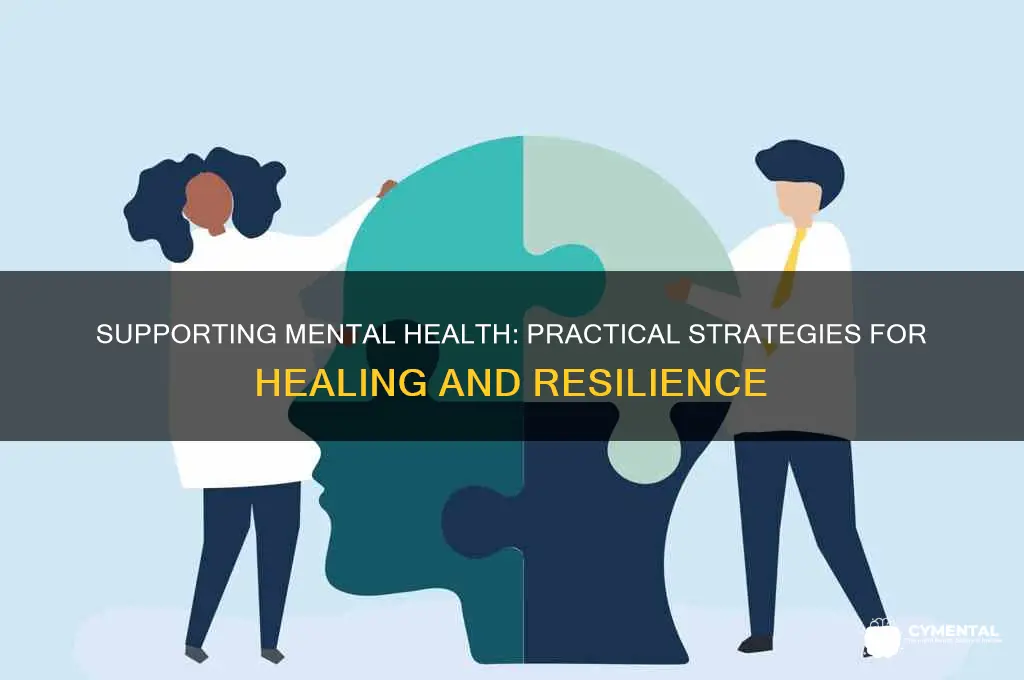
Helping individuals with mental health issues requires a compassionate, informed, and multifaceted approach. It begins with fostering open conversations to reduce stigma, encouraging those affected to seek support without fear of judgment. Providing access to professional resources, such as therapists, counselors, or psychiatrists, is crucial, as these experts can offer tailored treatment plans, including therapy, medication, or lifestyle adjustments. Equally important is promoting self-care practices, such as regular exercise, mindfulness, and adequate sleep, which can significantly improve emotional well-being. Building a strong support network of friends, family, or support groups also plays a vital role in recovery. Additionally, educating oneself and others about mental health helps create a more understanding and empathetic environment, ensuring that individuals feel seen, heard, and valued in their journey toward healing.
Explore related products


What You'll Learn
- Practice Self-Care: Regular exercise, balanced diet, adequate sleep, and mindfulness improve mental well-being
- Seek Professional Help: Therapists, counselors, and psychiatrists provide expert guidance and treatment options
- Build Support Networks: Connect with friends, family, or support groups for emotional encouragement
- Manage Stress: Use techniques like deep breathing, meditation, or journaling to reduce anxiety
- Limit Social Media: Reduce screen time to avoid negative comparisons and information overload

Practice Self-Care: Regular exercise, balanced diet, adequate sleep, and mindfulness improve mental well-being
Physical activity isn't just about building muscle or shedding pounds. It's a powerful tool for rewiring your brain chemistry. Studies show that regular exercise, even moderate activities like brisk walking or swimming, increases serotonin and dopamine levels, neurotransmitters crucial for mood regulation and stress reduction. Aim for at least 150 minutes of moderate-intensity exercise or 75 minutes of vigorous exercise per week, as recommended by the World Health Organization. This doesn't mean grueling gym sessions; dancing, cycling, or even gardening can be equally effective. The key is consistency. Start small, find activities you enjoy, and gradually increase duration and intensity.
Think of your diet as fuel for your brain. Processed foods high in sugar and unhealthy fats can exacerbate inflammation and negatively impact mood. Conversely, a diet rich in fruits, vegetables, whole grains, and lean protein provides essential nutrients for brain function and stability. Omega-3 fatty acids, found in fatty fish like salmon and flaxseeds, are particularly beneficial for cognitive health and mood regulation. Consider consulting a registered dietitian for personalized guidance, especially if you have specific dietary needs or restrictions.
Sleep deprivation doesn't just leave you feeling groggy; it disrupts your brain's ability to process emotions and cope with stress. Adults need 7-9 hours of quality sleep each night. Establish a consistent sleep schedule, create a relaxing bedtime routine, and limit screen time before bed. Avoid caffeine and alcohol close to bedtime, as they can interfere with sleep quality. If you struggle with falling asleep or staying asleep, consult a healthcare professional to rule out underlying sleep disorders.
Remember, self-care isn't selfish; it's essential for your mental well-being. By prioritizing regular exercise, a balanced diet, adequate sleep, and mindfulness practices, you're investing in your long-term mental health. These practices work synergistically, creating a foundation for resilience and emotional well-being. Start small, be consistent, and celebrate your progress along the way. Your mind will thank you.
Clean Spaces, Clear Minds: How Housekeeping Impacts Mental Well-Being
You may want to see also
Explore related products


Seek Professional Help: Therapists, counselors, and psychiatrists provide expert guidance and treatment options
Professional help is often the cornerstone of effective mental health treatment, yet many hesitate to take this step. Therapists, counselors, and psychiatrists are trained to diagnose, treat, and manage a wide range of mental health issues, from anxiety and depression to bipolar disorder and schizophrenia. Their expertise lies not only in understanding the complexities of the human mind but also in tailoring interventions to individual needs. For instance, cognitive-behavioral therapy (CBT) is a common approach used by therapists to help individuals reframe negative thought patterns, while psychiatrists may prescribe medications like selective serotonin reuptake inhibitors (SSRIs) for severe depression, often starting with a low dose (e.g., 10 mg of escitalopram) and adjusting based on response.
Choosing the right professional depends on your specific needs. Therapists and counselors typically focus on talk therapy, helping you explore emotions, behaviors, and coping strategies. Psychiatrists, on the other hand, are medical doctors who can diagnose, treat, and prescribe medications, making them ideal for conditions requiring pharmacological intervention. For example, a psychiatrist might recommend a combination of therapy and medication for someone with treatment-resistant depression, such as pairing fluoxetine (20 mg daily) with weekly CBT sessions. It’s crucial to communicate openly with your provider about your symptoms, concerns, and preferences to ensure the best fit.
One common misconception is that seeking professional help is a sign of weakness or failure. In reality, it’s a proactive step toward self-care and recovery. Consider this: just as you’d consult a doctor for a physical ailment, mental health professionals are specialists equipped to address psychological challenges. For adolescents and young adults, early intervention can be particularly impactful, as conditions like anxiety and depression often emerge during these years. Parents can play a key role by encouraging their children to speak with a school counselor or therapist, who can provide age-appropriate strategies, such as mindfulness exercises or group therapy sessions.
While professional help is invaluable, it’s important to manage expectations. Therapy and medication are not quick fixes; they require time, commitment, and patience. For instance, antidepressants may take 4–6 weeks to show noticeable effects, and therapy often involves weeks or months of consistent sessions. Additionally, finding the right provider may involve trial and error. Don’t hesitate to switch therapists or seek a second opinion if you feel the relationship isn’t productive. Practical tips include researching providers through trusted platforms, checking insurance coverage, and preparing a list of questions for your first appointment, such as their approach to treatment or experience with your specific issue.
Ultimately, seeking professional help is an investment in your mental well-being. It empowers you with tools, insights, and support to navigate life’s challenges more effectively. Whether you’re dealing with a diagnosed disorder or simply feeling overwhelmed, therapists, counselors, and psychiatrists offer a structured path toward healing. Remember, reaching out is not a last resort—it’s a smart, courageous decision that can transform your mental health journey. Start by taking that first step: schedule an appointment, and let the experts guide you toward a healthier, more balanced life.
Can Mental Health Case Managers Assist in Securing Disability Benefits?
You may want to see also
Explore related products




Build Support Networks: Connect with friends, family, or support groups for emotional encouragement
Human connection is a cornerstone of mental well-being. We are inherently social creatures, and our relationships significantly impact our emotional resilience. Building a strong support network isn't just about having people to talk to; it's about fostering connections that provide a sense of belonging, understanding, and validation.
Think of it as constructing a safety net – a web of relationships that catch you when you fall, offer perspective when you're lost, and celebrate your victories, big and small.
Who Belongs in Your Network?
Your support network doesn't have to be vast. Quality trumps quantity. Consider close friends who listen without judgment, family members who offer unconditional love, or even a therapist who provides professional guidance. Support groups, both online and in-person, can be invaluable, connecting you with individuals facing similar challenges. Sharing experiences and strategies with people who truly "get it" can be incredibly empowering.
Remember, vulnerability is key. Allow yourself to be open and honest with your network. This fosters deeper connections and allows them to provide the support you truly need.
Nurturing Your Network:
Building a support network requires effort. It's not a one-way street. Be present for your loved ones, celebrate their successes, and offer help when they need it. Active listening is crucial – give your undivided attention, ask questions, and validate their feelings.
Beyond the Obvious:
Support networks extend beyond emotional conversations. Engaging in shared activities – a hike with a friend, a book club with family, or a volunteer project with a support group – strengthens bonds and creates positive memories.
The Ripple Effect:
Investing in your support network isn't just about helping yourself. Strong social connections have a ripple effect, positively impacting the mental well-being of those around you. By fostering these relationships, you contribute to a more supportive and resilient community.
Shiatsu Therapy: A Natural Approach to Mental Health and Wellness
You may want to see also
Explore related products






Manage Stress: Use techniques like deep breathing, meditation, or journaling to reduce anxiety
Stress is an inevitable part of life, but its impact on mental health can be mitigated through intentional practices. Deep breathing, for instance, is a simple yet powerful tool. When practiced correctly, diaphragmatic breathing—inhaling deeply through the nose for a count of four, holding for four, and exhaling through the mouth for six—activates the parasympathetic nervous system, reducing cortisol levels. Incorporating this technique for just five minutes daily can create a noticeable shift in anxiety levels, particularly for adults under chronic stress.
Meditation, another cornerstone of stress management, offers a more structured approach to calming the mind. Mindfulness meditation, which involves focusing on the present moment without judgment, has been shown to decrease activity in the amygdala, the brain’s fear center. Apps like Headspace or Calm provide guided sessions as short as three minutes, making it accessible even for busy individuals. For adolescents and young adults, who often face academic or social pressures, consistent practice can improve emotional regulation and resilience over time.
Journaling serves as a complementary technique, allowing individuals to externalize thoughts and emotions. Writing for 15–20 minutes daily, particularly before bed, can help process stressors and reduce rumination. Prompt-based journaling, such as listing three things you’re grateful for or describing a recent challenge, adds structure and focus. This method is especially beneficial for those who struggle with verbalizing their feelings, offering a private space for reflection and release.
While these techniques are effective individually, their combined use creates a synergistic effect. For example, starting the day with deep breathing, followed by a 10-minute meditation session, and ending with evening journaling can establish a holistic stress management routine. However, it’s crucial to tailor these practices to personal preferences and lifestyles. Overcommitting or forcing a technique can lead to frustration, undermining its benefits. The key is consistency, not perfection, in integrating these tools into daily life.
Ultimately, managing stress through deep breathing, meditation, or journaling is not about eliminating challenges but cultivating a healthier response to them. These practices empower individuals to reclaim control over their mental state, fostering a sense of calm and clarity amidst life’s uncertainties. By prioritizing these simple yet impactful techniques, anyone can build a resilient foundation for long-term mental well-being.
Opening Up: Unlocking Mental Health Benefits Through Vulnerability and Connection
You may want to see also
Explore related products


Limit Social Media: Reduce screen time to avoid negative comparisons and information overload
Excessive social media use has been linked to increased symptoms of anxiety, depression, and loneliness, particularly in adolescents and young adults. A 2018 study published in the *Journal of Social and Clinical Psychology* found that limiting Facebook, Instagram, and Snapchat use to 30 minutes per day significantly reduced feelings of loneliness and depression in participants. This suggests that even small reductions in screen time can yield measurable mental health benefits.
To implement this strategy, start by tracking your daily social media usage through built-in tools like iPhone’s Screen Time or Android’s Digital Wellbeing. Aim to cut usage by 20–30 minutes daily for the first week, gradually increasing reductions over time. For example, if you spend 2 hours daily on social media, reduce it to 1.5 hours in week one, then 1 hour by week three. Replace this time with activities that foster mindfulness or social connection, such as reading, journaling, or face-to-face conversations.
However, limiting social media isn’t about elimination—it’s about intentionality. Designate specific times for checking platforms, such as 10 minutes in the morning and 10 minutes in the evening, and stick to them. Turn off notifications to minimize distractions, and consider using apps like Freedom or Cold Turkey to block access during work or leisure hours. For parents, establish screen-free zones (e.g., bedrooms, dinner tables) and model balanced tech use for children.
The challenge lies in resisting the dopamine-driven pull of endless scrolling. To counter this, reframe social media as a tool, not a habit. For instance, use it solely for messaging friends or following accounts that inspire rather than trigger comparison. If you find yourself envying others’ curated lives, unfollow or mute accounts that provoke negative emotions. Remember, the goal isn’t perfection but progress—even minor adjustments can create space for mental clarity and emotional well-being.
Deleting Social Media: A Path to Improved Mental Well-being?
You may want to see also
Frequently asked questions
Listen without judgment, show empathy, and encourage them to seek professional help. Educate yourself about their condition, be patient, and offer practical support like helping with daily tasks or accompanying them to appointments.
Prioritize regular exercise, maintain a balanced diet, get adequate sleep, and practice mindfulness or meditation. Set boundaries, engage in hobbies, and connect with supportive people in your life.
Seek help if symptoms persist for two weeks or more, interfere with daily functioning, or include thoughts of self-harm. Early intervention can prevent issues from worsening.
Educate others by sharing accurate information, use respectful language, and openly discuss mental health to normalize conversations. Support policies and initiatives that promote mental health awareness.