Caleb Wright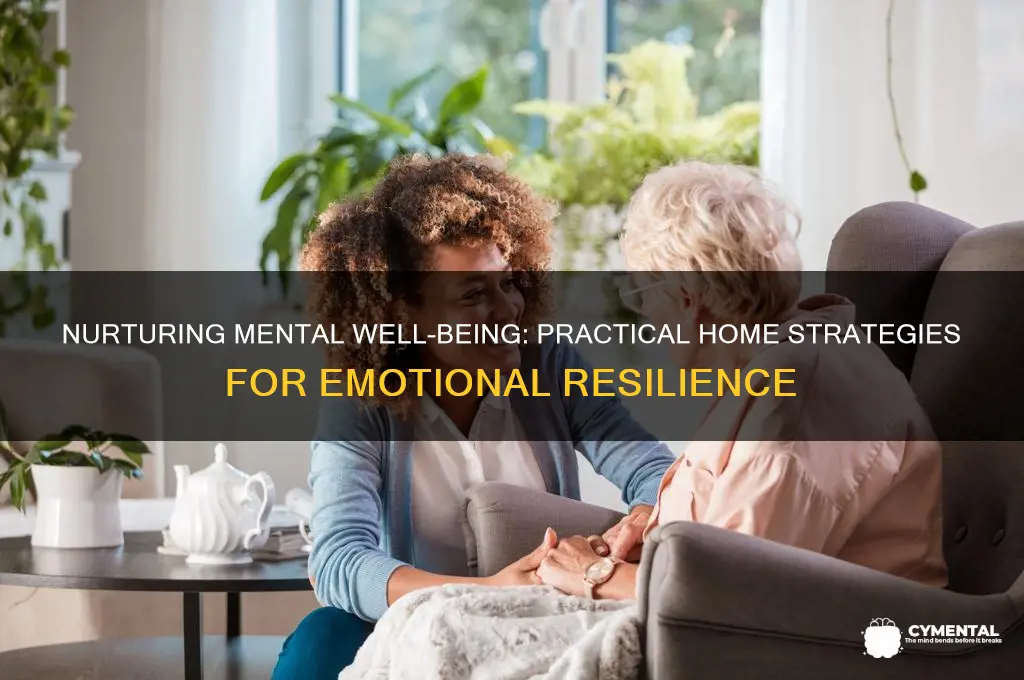
Helping mental health at home is an essential aspect of overall well-being, especially in today's fast-paced and often stressful world. By creating a supportive and nurturing environment, individuals can take proactive steps to manage their mental health effectively. Simple yet impactful practices such as maintaining a consistent daily routine, engaging in regular physical activity, and ensuring adequate sleep can significantly contribute to emotional stability. Additionally, incorporating mindfulness techniques, such as meditation or deep breathing exercises, can help reduce anxiety and promote relaxation. Building a strong support network, whether through family, friends, or online communities, is also crucial for sharing experiences and seeking guidance. Lastly, dedicating time to hobbies and activities that bring joy and fulfillment can foster a sense of purpose and resilience, ultimately enhancing mental health from the comfort of one's own home.
Explore related products

$8.99 $19.99


What You'll Learn
- Mindfulness Practices: Incorporate meditation, deep breathing, and mindful activities to reduce stress and improve focus
- Physical Activity: Engage in regular exercise, yoga, or stretching to boost mood and energy levels
- Healthy Eating: Consume balanced meals with nutrients that support brain health and emotional well-being
- Structured Routine: Create a daily schedule to provide stability and reduce anxiety or overwhelm
- Social Connection: Stay connected with loved ones through calls, video chats, or safe in-person visits

Mindfulness Practices: Incorporate meditation, deep breathing, and mindful activities to reduce stress and improve focus
Stress and anxiety often manifest physically, tightening muscles, quickening breaths, and clouding thoughts. Mindfulness practices, particularly meditation, deep breathing, and mindful activities, act as antidotes, calming the nervous system and restoring mental clarity.
Start with Breath Awareness: Dedicate 5–10 minutes daily to focused breathing. Sit comfortably, close your eyes, and inhale deeply through your nose for a count of four, hold for four, exhale through your mouth for six. This extended exhale activates the parasympathetic nervous system, signaling relaxation. Apps like Headspace or Calm offer guided sessions for beginners, but simplicity works too—focus on the sensation of air moving in and out.
Incorporate Mindful Movement: Yoga, tai chi, or even a mindful walk can anchor you in the present. During a walk, notice the ground beneath your feet, the rhythm of your steps, and the sounds around you. For yoga, try a 15-minute routine focusing on poses like Child’s Pose or Cat-Cow to release tension. Studies show that combining movement with breath awareness enhances stress reduction more than either practice alone.
Engage in Micro-Meditations: Not everyone can sit still for 30 minutes. Micro-meditations—brief, intentional pauses—fit into daily routines. While brushing your teeth, focus on the sensation of the bristles and the taste of toothpaste. During meals, chew slowly, savoring each bite. These moments of mindfulness accumulate, training your brain to stay present even in chaos.
Choose Activities That Demand Focus: Coloring intricate patterns, knitting, or gardening are mindful activities that require concentration, naturally quieting mental chatter. For example, adult coloring books reduce anxiety by 60% in some users, according to a 2016 study. Pair these activities with calming music or silence to deepen the effect.
Consistency Trumps Duration: Start small—even 2 minutes of mindfulness daily can yield benefits. Gradually increase duration as the practice becomes habitual. For children or those new to mindfulness, keep sessions under 10 minutes and use visual aids or storytelling to maintain engagement.
By weaving these practices into daily life, you create a buffer against stress, fostering resilience and clarity. Mindfulness isn’t about emptying the mind but observing thoughts without judgment, a skill that improves with practice. Begin today—your mental health will thank you.
Seeking Support: Mental Health Treatment Access and Utilization Trends
You may want to see also
Explore related products

$19.56 $20.99
$6.79 $14.99



Physical Activity: Engage in regular exercise, yoga, or stretching to boost mood and energy levels
Movement is medicine for the mind. Numerous studies demonstrate the profound impact of physical activity on mental health, with exercise, yoga, and stretching acting as powerful tools to combat stress, anxiety, and depression. The release of endorphins, often referred to as "feel-good" hormones, during physical activity provides an immediate mood boost, while regular engagement promotes long-term emotional resilience.
Think of it as a natural antidepressant, without the side effects.
For optimal benefits, aim for at least 150 minutes of moderate-intensity aerobic exercise or 75 minutes of vigorous-intensity aerobic exercise per week, as recommended by the World Health Organization. This could translate to brisk walking, cycling, swimming, or even dancing. Incorporate strength training exercises targeting major muscle groups at least twice a week. Remember, consistency is key. Even short bursts of activity, like a 10-minute walk or a quick yoga flow, can make a noticeable difference in your mood and energy levels.
Think of it as micro-dosing happiness throughout your day.
Yoga, with its focus on breathwork, mindfulness, and physical postures, offers a unique blend of physical and mental benefits. Studies suggest that regular yoga practice can reduce symptoms of anxiety and depression, improve sleep quality, and enhance overall well-being. Beginners can start with simple poses like downward-facing dog, child’s pose, or cat-cow, gradually progressing to more challenging sequences. Numerous online resources and apps provide guided yoga sessions tailored to different experience levels and needs.
Stretching, often overlooked, is a gentle yet effective way to alleviate physical tension and promote mental relaxation. Incorporate dynamic stretches before exercise to prepare your body and static stretches post-workout to improve flexibility and reduce muscle soreness. Even a few minutes of stretching in the morning or before bed can help release tension and prepare your mind for a calmer state.
Think of it as a physical reset button for both body and mind.
Remember, the goal is not to become a fitness guru overnight but to find joy and consistency in movement. Choose activities you genuinely enjoy, whether it’s dancing to your favorite playlist, practicing sun salutations, or taking a leisurely walk in nature. Listen to your body, start slowly, and gradually increase intensity and duration. By making physical activity a regular part of your routine, you’ll not only strengthen your body but also nurture your mental well-being, one step, stretch, or pose at a time.
Mental Representations: Unlocking Thought and Enhancing Communication Effectively
You may want to see also
Explore related products


$20.49 $36.99



Healthy Eating: Consume balanced meals with nutrients that support brain health and emotional well-being
The food we eat directly impacts our mental health, and a balanced diet rich in specific nutrients can significantly support brain function and emotional well-being. Omega-3 fatty acids, found in fatty fish like salmon and flaxseeds, are essential for brain health, reducing symptoms of depression and anxiety. Incorporating these foods into your diet can be as simple as adding a tablespoon of ground flaxseed to your morning smoothie or opting for salmon twice a week. For those who struggle with fish, consider a high-quality fish oil supplement, aiming for 1,000–2,000 mg of combined EPA and DHA daily, as recommended by many health professionals.
A diet lacking in essential nutrients can exacerbate mental health issues, making it crucial to focus on whole, unprocessed foods. Complex carbohydrates, such as whole grains, provide a steady release of energy, stabilizing mood and preventing the crashes associated with refined sugars. Pairing these with lean proteins like chicken, tofu, or legumes ensures a balanced intake of amino acids, which are the building blocks for neurotransmitters like serotonin and dopamine. For instance, a meal of quinoa salad with chickpeas and vegetables not only nourishes the body but also supports the brain’s chemical balance. Avoid skipping meals, especially breakfast, as this can lead to irritability and fatigue, further straining mental health.
Vitamins and minerals play a pivotal role in mental health, with deficiencies often linked to increased anxiety and depression. Vitamin D, for example, is crucial for mood regulation, and while sunlight is a natural source, supplementation may be necessary, especially in winter months or for those with limited sun exposure. A daily dose of 600–800 IU is generally recommended, but consult a healthcare provider for personalized advice. Similarly, magnesium, found in nuts, seeds, and leafy greens, helps reduce stress and improve sleep quality. Incorporating a handful of almonds as a snack or adding spinach to your meals can make a noticeable difference in how you feel.
Hydration is another often-overlooked aspect of healthy eating that impacts mental health. Dehydration can impair cognitive function, leading to difficulty concentrating and heightened stress levels. Aim for at least 8 glasses of water daily, and consider herbal teas or infused water for variety. Limiting caffeine and alcohol is equally important, as both can disrupt sleep and increase anxiety. For those who enjoy coffee, stick to one or two cups in the morning to avoid interference with evening rest. Small, consistent changes in your diet can create a foundation for improved mental health, proving that what you eat truly matters.
Do Mental Health Facilities Truly Aid Recovery and Healing?
You may want to see also
Explore related products

$7.97 $18.99


Structured Routine: Create a daily schedule to provide stability and reduce anxiety or overwhelm
A well-structured daily routine can be a powerful tool for managing mental health, offering a sense of control and predictability in an often chaotic world. For individuals struggling with anxiety or feeling overwhelmed, a consistent schedule acts as a mental anchor, providing stability and reducing the cognitive load associated with decision-making. This is particularly beneficial for those with conditions like generalized anxiety disorder or ADHD, where uncertainty and disorganization can exacerbate symptoms.
Crafting Your Routine: A Step-by-Step Guide
- Identify Core Activities: Begin by listing essential daily tasks, such as meals, work or study hours, and sleep. For adults, aim for 7-9 hours of sleep, while teenagers may require 8-10 hours. Include dedicated time for personal care, like a 30-minute morning exercise routine or a 15-minute evening skincare regimen.
- Incorporate Flexibility: While structure is key, rigidity can be counterproductive. Allocate 1-2 hours of "buffer time" for unexpected tasks or relaxation. For instance, a 20-minute mindfulness session can be scheduled between work and dinner to ease transitions.
- Prioritize Consistency: Maintain regular timings for high-impact activities. For example, eating meals within a one-hour window each day (e.g., breakfast between 7-8 AM) stabilizes energy levels and reduces stress.
The Science Behind Structure
Research in behavioral psychology highlights that routines minimize decision fatigue, a phenomenon where the quality of choices deteriorates after a long session of decision-making. By automating daily activities, individuals free up mental resources for more complex tasks. A study published in the *Journal of Health Psychology* found that participants with consistent routines reported lower stress levels and improved mood compared to those with erratic schedules.
Practical Tips for Success
- Start Small: Introduce one new habit at a time, such as waking up at the same time daily, before expanding the routine.
- Use Visual Aids: Create a physical or digital schedule with time blocks for each activity. Apps like Google Calendar or Notion can help.
- Account for Age and Lifestyle: Tailor routines to individual needs. For children, include structured playtime and shorter focus periods, while seniors may benefit from gentle exercises like tai chi or yoga.
Cautions and Adaptations
Avoid overloading your schedule with productivity-focused tasks. Include downtime to prevent burnout. If you’re new to routines, start with a weekend trial before committing to a full week. For those with fluctuating mental health, build in adjustable components, like optional social activities or alternative relaxation techniques, to accommodate varying energy levels.
By embracing a structured routine, you create a framework that supports mental well-being, turning daily life into a series of manageable, purposeful steps rather than an overwhelming blur.
Supporting Mental Health: Practical Ways to Help Loved Ones Heal
You may want to see also
Explore related products


$29.31 $42.99


Social Connection: Stay connected with loved ones through calls, video chats, or safe in-person visits
Human beings are inherently social creatures, and our mental health thrives on meaningful connections. Yet, in an era where physical distance often separates us, fostering these bonds requires intentional effort. Enter the digital age's lifeline: calls, video chats, and, when possible, safe in-person visits. These tools aren’t just substitutes for face-to-face interaction; they’re bridges that carry laughter, empathy, and shared experiences across miles. A 2020 study published in *The American Journal of Geriatric Psychiatry* found that regular video calls significantly reduced loneliness in older adults, highlighting the power of visual connection. For younger demographics, platforms like Zoom or FaceTime have become arenas for virtual game nights, study sessions, and even shared meals, proving that technology can mimic—and sometimes enhance—the intimacy of physical presence.
To maximize the mental health benefits of these interactions, consider their frequency and quality. Aim for at least three meaningful conversations per week, each lasting 15–30 minutes. “Meaningful” doesn’t mean heavy; it could be a lighthearted catch-up or a shared activity like watching a movie simultaneously while on a call. For video chats, encourage participants to use devices with good cameras and stable internet to minimize frustration. Pro tip: Schedule these interactions as you would appointments to ensure consistency. For in-person visits, prioritize safety by adhering to local health guidelines—outdoor meetings, masking when appropriate, and keeping groups small. A picnic in the park or a masked coffee date can provide the sensory richness that virtual interactions sometimes lack.
Contrast the passive consumption of social media with the active engagement of direct communication. While scrolling through feeds might offer a fleeting sense of connection, it often leaves us feeling emptier than before. Direct interactions, however, foster reciprocity—listening, sharing, and responding in real time. This dynamic exchange activates brain regions associated with empathy and belonging, as noted in a 2019 study from *Nature Communications*. The key lies in presence: put away distractions, maintain eye contact (or its digital equivalent), and focus on the person, not the screen. For those struggling with anxiety, start small—a five-minute call can be a manageable first step, gradually building to longer conversations.
Finally, tailor these connections to individual needs. Extroverts might crave daily check-ins, while introverts may prefer deeper, less frequent interactions. Families with children can incorporate routines like bedtime story readings over video calls, blending structure with emotional warmth. For those in different time zones, asynchronous tools like voice notes or shared photo albums can bridge the gap. The goal isn’t perfection but consistency—a steady stream of human contact that reminds us we’re not alone. In a world where isolation often feels inevitable, these deliberate acts of connection become not just lifelines but anchors for our mental well-being.
Supporting Loved Ones: Practical Ways to Help Mentally Ill Family Members
You may want to see also
Frequently asked questions
Incorporate mindfulness practices like deep breathing or meditation, maintain a consistent sleep schedule, stay hydrated, and engage in physical activity, even if it’s just a short walk or stretching.
Declutter your space, use soft lighting, add plants or soothing colors, and minimize noise. Creating a designated relaxation area can also help reduce stress.
Social connection is vital for mental well-being. Use video calls, messaging apps, or virtual activities to stay in touch with friends and family. Joining online communities with shared interests can also help.
Practice journaling to express emotions, limit exposure to negative news, engage in hobbies or creative activities, and use relaxation techniques like progressive muscle relaxation or guided imagery.