Lucas Bennett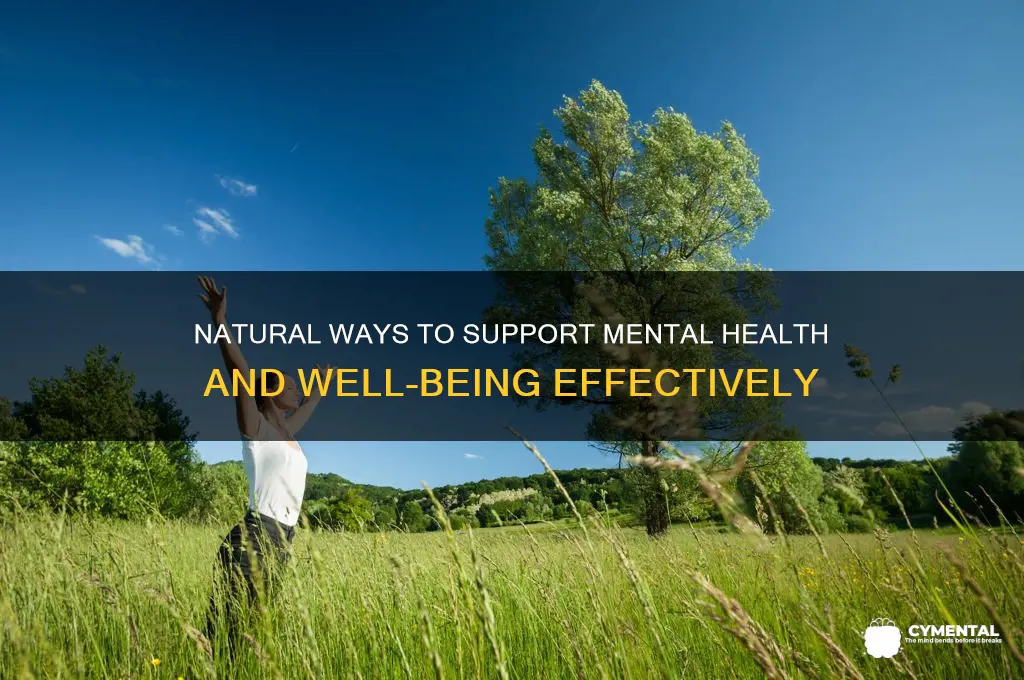
Helping mental illness naturally involves adopting holistic approaches that support emotional and psychological well-being without relying solely on medication. Techniques such as mindfulness meditation, regular physical activity, and a balanced diet rich in nutrients can significantly reduce symptoms of anxiety, depression, and stress. Adequate sleep, exposure to nature, and maintaining strong social connections also play crucial roles in fostering mental health. Additionally, practices like journaling, creative expression, and herbal remedies like chamomile or lavender can complement these efforts. By integrating these natural strategies into daily life, individuals can empower themselves to manage mental health challenges more effectively and promote long-term resilience.
Explore related products

$22.48 $29.99



What You'll Learn
- Mindfulness & Meditation: Practice daily mindfulness and meditation to reduce stress and improve emotional regulation
- Nutrition & Diet: Consume brain-boosting foods like omega-3s, antioxidants, and probiotics for mental health support
- Physical Activity: Engage in regular exercise to release endorphins and alleviate symptoms of depression and anxiety
- Sleep Hygiene: Prioritize consistent sleep patterns and create a restful environment for mental recovery
- Social Connection: Build and maintain supportive relationships to combat loneliness and foster emotional well-being

Mindfulness & Meditation: Practice daily mindfulness and meditation to reduce stress and improve emotional regulation
Stress, a silent agitator of mental illness, often thrives on autopilot living. We react to stimuli without conscious awareness, fueling anxiety and emotional turbulence. Mindfulness, the practice of anchoring attention to the present moment without judgment, disrupts this cycle.
Consider this: a study published in *JAMA Internal Medicine* found that mindfulness meditation programs significantly reduced symptoms of anxiety, depression, and pain. The mechanism? Mindfulness trains the brain to observe thoughts and emotions as passing events, not immutable truths. This cognitive shift fosters emotional regulation, allowing individuals to respond to stressors with clarity rather than reactivity.
Implementing mindfulness doesn't require hours of cross-legged silence. Start small: dedicate 5-10 minutes daily to focused breathing. Sit comfortably, close your eyes, and direct your attention to the sensation of air entering and leaving your nostrils. When your mind wanders (it will), gently guide it back to the breath. Gradually increase duration as comfort allows.
Incorporate mindfulness into daily activities. While eating, savor each bite, noticing textures and flavors. During walks, feel the ground beneath your feet, the rhythm of your breath, the sounds around you. This "informal" mindfulness cultivates present-moment awareness, a cornerstone of emotional resilience.
Remember, mindfulness is a practice, not a destination. Consistency is key. Some days will be easier than others. Be patient with yourself, embracing the journey without judgment. Over time, this simple yet powerful tool can become a sanctuary amidst the storms of mental illness, offering a path towards greater calm and emotional balance.
Oxytocin's Role in Boosting Mental Health and Emotional Well-Being
You may want to see also
Explore related products


Nutrition & Diet: Consume brain-boosting foods like omega-3s, antioxidants, and probiotics for mental health support
The food we eat directly impacts our brain's structure and function, influencing mood, cognition, and resilience to stress. This gut-brain connection is a powerful lever for managing mental health naturally. Prioritizing brain-boosting nutrients like omega-3 fatty acids, antioxidants, and probiotics can be a cornerstone of a holistic approach to mental well-being.
Imagine your brain as a high-performance engine. Just as a race car needs premium fuel, your brain thrives on specific nutrients. Omega-3 fatty acids, found abundantly in fatty fish like salmon, mackerel, and sardines, are essential for building and maintaining healthy brain cell membranes. Aim for at least two servings of fatty fish per week, or consider a high-quality fish oil supplement providing 1,000-2,000 mg of combined EPA and DHA daily.
Antioxidants, nature's rust inhibitors, protect our brain cells from damage caused by free radicals. Think of them as the brain's personal bodyguards. Load up on colorful fruits and vegetables like berries, spinach, kale, and bell peppers. Aim for a rainbow on your plate daily. For an extra antioxidant boost, consider green tea, rich in catechins, or dark chocolate (70% cocoa or higher) in moderation.
Probiotics, the beneficial bacteria residing in our gut, have a surprising impact on mental health. Research suggests a strong link between gut microbiome balance and mood regulation. Incorporate fermented foods like yogurt, kefir, sauerkraut, and kimchi into your diet regularly. If dietary sources are insufficient, consider a probiotic supplement with diverse strains and a potency of at least 10 billion CFUs.
Remember, dietary changes are a marathon, not a sprint. Start small, gradually incorporating these brain-boosting foods into your daily routine. Track your mood and energy levels to observe the positive changes. Consult with a healthcare professional or registered dietitian for personalized guidance, especially if you have underlying health conditions or are taking medications. By nourishing your body with the right fuel, you're investing in the long-term health and resilience of your mind.
Epigenetics Unveils the Complex Link Between Genes and Mental Illness
You may want to see also
Explore related products


Physical Activity: Engage in regular exercise to release endorphins and alleviate symptoms of depression and anxiety
Regular physical activity is a powerful, natural tool for managing mental health, particularly for those grappling with depression and anxiety. The science is clear: exercise triggers the release of endorphins, often referred to as "feel-good" hormones, which act as natural painkillers and mood elevators. A study published in the *Journal of Psychiatric Research* found that just 30 minutes of moderate exercise three to five times a week can significantly reduce symptoms of depression. This isn’t about running marathons—it’s about consistency and accessibility. Whether it’s a brisk walk, a yoga session, or a bike ride, the key is to move your body in a way that feels sustainable and enjoyable.
For those new to exercise or struggling with motivation, starting small is crucial. Begin with 10-minute sessions and gradually increase duration and intensity. Incorporating variety can also keep things engaging; try alternating between aerobic activities like swimming and strength-based exercises like bodyweight workouts. Age and fitness level should dictate the approach: older adults might benefit from low-impact activities like tai chi, while younger individuals could explore high-energy options like dance or team sports. The goal is to find a rhythm that fits your lifestyle and preferences, ensuring it becomes a habit rather than a chore.
While exercise is beneficial, it’s important to approach it mindfully. Over-exertion can lead to burnout or injury, which may exacerbate stress or anxiety. Listen to your body and avoid comparing your progress to others. For those with severe mental health conditions, consulting a healthcare provider before starting a new exercise regimen is advisable. Additionally, combining physical activity with other natural strategies, such as mindfulness or social connection, can amplify its benefits. Think of exercise as one piece of a holistic puzzle, not a standalone solution.
The psychological benefits of exercise extend beyond endorphins. Engaging in physical activity can improve sleep quality, boost self-esteem, and provide a sense of accomplishment. For instance, joining a local sports club or fitness class can foster social interaction, reducing feelings of isolation often associated with mental illness. Even solitary activities like hiking or jogging can offer moments of clarity and reflection, helping to break the cycle of negative thoughts. The takeaway? Exercise isn’t just about physical health—it’s a transformative practice for the mind, offering a natural and accessible way to reclaim control over your mental well-being.
Gaming for Mental Health: A New Era Under the Presidency
You may want to see also
Explore related products


Sleep Hygiene: Prioritize consistent sleep patterns and create a restful environment for mental recovery
Quality sleep is a cornerstone of mental health, yet it’s often overlooked in favor of more active interventions like therapy or medication. Irregular sleep patterns disrupt the brain’s ability to regulate emotions, process stress, and consolidate memories, exacerbating symptoms of anxiety, depression, and other mental illnesses. For instance, studies show that individuals with insomnia are 10 times more likely to develop depression. Prioritizing sleep hygiene isn’t just about resting—it’s about creating a foundation for mental recovery.
To establish consistent sleep patterns, start by anchoring your bedtime and wake time, even on weekends. Adults aged 18–64 require 7–9 hours of sleep nightly, so calculate your ideal schedule backward from your wake time. For example, if you need to rise at 7 a.m., aim to be in bed by 11 p.m. at the latest. Use a sleep tracker or journal to monitor progress and identify disruptions. Consistency trains your body’s internal clock, making it easier to fall asleep and wake naturally over time.
Creating a restful environment involves more than a comfortable mattress. Light, noise, and temperature significantly impact sleep quality. Invest in blackout curtains to block external light, especially if you live in an urban area. Keep the room temperature between 60–67°F (15–19°C), as cooler environments promote deeper sleep. For noise-sensitive individuals, a white noise machine or earplugs can mask disruptive sounds. Avoid screens at least one hour before bed, as blue light suppresses melatonin production, delaying sleep onset.
Incorporate a calming pre-sleep routine to signal to your brain that it’s time to wind down. Activities like reading, gentle stretching, or journaling can reduce mental clutter. Herbal teas such as chamomile or valerian root may promote relaxation, though their effectiveness varies by individual. Avoid caffeine after 2 p.m. and limit alcohol, as it fragments sleep cycles despite its sedative effects. For those with racing thoughts, guided meditation or deep breathing exercises (e.g., 4-7-8 breathing: inhale for 4 seconds, hold for 7, exhale for 8) can quiet the mind.
While sleep hygiene is powerful, it’s not a standalone cure for mental illness. Chronic sleep issues may require professional intervention, such as cognitive-behavioral therapy for insomnia (CBT-I). However, for many, prioritizing sleep patterns and optimizing the sleep environment can significantly alleviate symptoms and improve overall mental resilience. Think of it as tending to the soil before planting a garden—healthy sleep nurtures the growth of mental well-being.
Hypnotherapy for Mental Health: Unlocking Healing Potential and Inner Peace
You may want to see also
Explore related products


Social Connection: Build and maintain supportive relationships to combat loneliness and foster emotional well-being
Human beings are inherently social creatures, and our mental health thrives on meaningful connections. Loneliness, often a silent companion to mental illness, can exacerbate symptoms and create a vicious cycle of isolation. Building and maintaining supportive relationships acts as a powerful antidote, offering a sense of belonging, emotional validation, and a safety net during difficult times.
Think of it as a natural antidepressant, a mood booster readily available without a prescription.
The first step is recognizing the quality, not just the quantity, of your connections. A handful of genuine, understanding relationships are far more beneficial than a large circle of acquaintances. Identify individuals who make you feel heard, respected, and accepted. These could be family members, close friends, or even members of a support group who share similar experiences.
Cultivating these relationships requires effort. Schedule regular interactions, whether it's weekly coffee dates, phone calls, or shared activities. Active listening is crucial; show genuine interest in their lives and be open about your own experiences, fostering a sense of reciprocity. Vulnerability, though daunting, strengthens bonds and allows for deeper connection.
Remember, relationships are a two-way street. Be reliable, supportive, and celebrate their successes as you would your own.
For those struggling with social anxiety or finding it difficult to connect, start small. Join a club or class based on your interests, volunteer for a cause you care about, or attend community events. Online communities can also provide a sense of belonging, but strive for meaningful interactions beyond likes and comments. Consider seeking guidance from a therapist who can help develop social skills and overcome barriers to connection.
Building a strong social network takes time and patience. Don't be discouraged by setbacks or rejections. Focus on nurturing existing relationships and gradually expanding your circle. Remember, investing in social connections is an investment in your mental well-being, a natural and powerful tool for combating loneliness and fostering emotional resilience.
Nurturing Mental Well-being: Practical Strategies for Lockdown Resilience and Self-Care
You may want to see also
Frequently asked questions
Natural methods to manage anxiety and stress include practicing mindfulness or meditation, engaging in regular physical activity, maintaining a balanced diet rich in omega-3 fatty acids and antioxidants, ensuring adequate sleep, and spending time in nature. Deep breathing exercises and herbal remedies like chamomile or valerian root may also help.
Yes, diet and nutrition play a significant role in mental health. Foods rich in nutrients like magnesium, zinc, and vitamins B and D can support brain function and mood regulation. Avoiding processed foods, excessive sugar, and alcohol, while incorporating whole foods like fruits, vegetables, nuts, and lean proteins, can help reduce symptoms of depression and anxiety.
Exercise releases endorphins, which are natural mood lifters, and reduces stress hormones like cortisol. It also promotes better sleep and boosts self-esteem. Aerobic exercises like walking, jogging, or swimming are particularly effective for mental health, but yoga, tai chi, and strength training can also provide significant benefits. Aim for at least 30 minutes of moderate activity most days of the week.