Ava Ramirez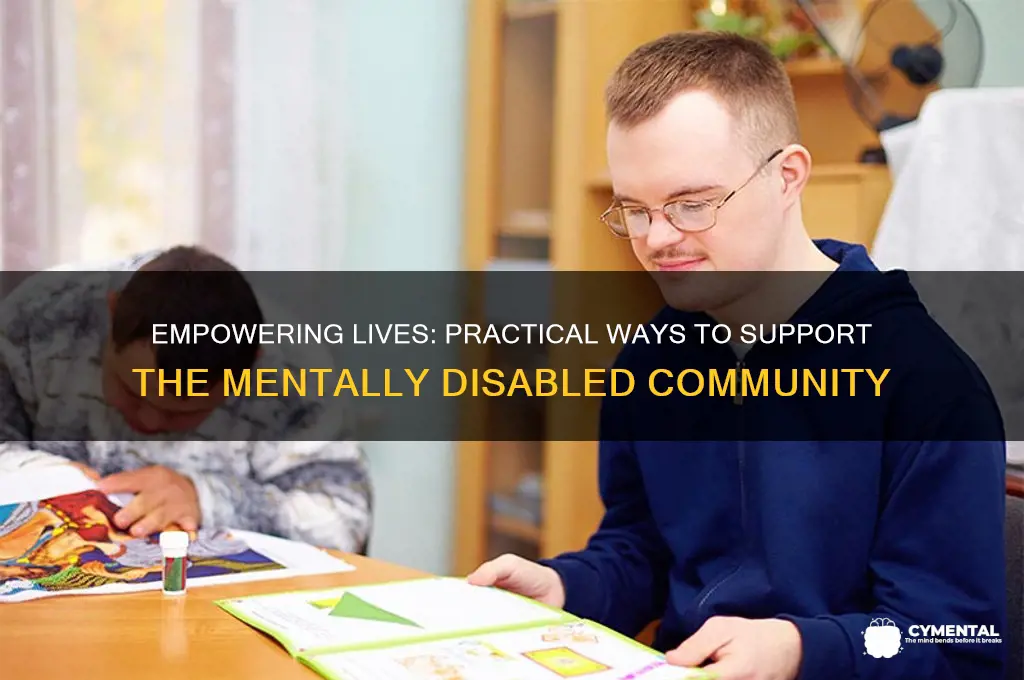
Supporting individuals with mental disabilities requires a compassionate and multifaceted approach that prioritizes their dignity, autonomy, and well-being. Key strategies include fostering an inclusive environment by raising awareness and reducing stigma, ensuring access to tailored resources such as therapy, vocational training, and community programs, and encouraging open communication to understand their unique needs. Caregivers and advocates should focus on empowering these individuals through patience, empathy, and personalized support, while also advocating for policies that promote equal opportunities and rights. By combining individual efforts with systemic change, society can create a more supportive and inclusive space for people with mental disabilities to thrive.
Explore related products


What You'll Learn
- Provide structured routines for stability and predictability to reduce anxiety and confusion
- Use clear communication with simple language, visual aids, and patience for better understanding
- Encourage independence through skill-building activities tailored to their abilities and interests
- Offer emotional support by listening actively, validating feelings, and fostering a safe environment
- Promote social inclusion by creating opportunities for community engagement and meaningful relationships

Provide structured routines for stability and predictability to reduce anxiety and confusion
Structured routines act as a scaffold for individuals with mental disabilities, offering a sense of order in a world that can often feel chaotic. Think of it like a roadmap: knowing what comes next reduces the cognitive load of constant decision-making, a task that can be particularly taxing for those with processing difficulties. This predictability fosters a sense of control, mitigating anxiety and allowing individuals to focus on engaging with their environment rather than constantly navigating uncertainty.
Studies show that structured routines are particularly beneficial for conditions like autism spectrum disorder (ASD) and attention deficit hyperactivity disorder (ADHD), where unpredictability can exacerbate symptoms.
Implementing a structured routine doesn't mean rigidly scheduling every minute. It's about creating a consistent framework with clear transitions. Start by identifying key daily activities: waking up, meals, school or work, therapy sessions, leisure time, and bedtime. Establish a visual schedule using pictures, symbols, or written words, tailored to the individual's comprehension level. For younger children, a picture chart with Velcro-backed icons can be a fun and interactive way to represent the day's flow. For older individuals, a written schedule or digital calendar might be more appropriate.
Consistency is key. Aim for regular times for meals, sleep, and other activities, even on weekends. This doesn't mean rigidity; allow for some flexibility, but maintain the overall structure.
While structure is crucial, it's important to avoid over-scheduling. Build in downtime and opportunities for choice within the routine. For example, during leisure time, offer a selection of pre-approved activities rather than dictating a single option. This fosters a sense of autonomy while maintaining the overall predictability. Be mindful of sensory sensitivities. Some individuals may find certain sounds, textures, or environments overwhelming. Incorporate calming activities or sensory breaks into the routine to prevent overstimulation.
The benefits of structured routines extend beyond immediate anxiety reduction. They promote independence by teaching individuals to anticipate and prepare for upcoming events. Over time, this predictability can lead to improved self-regulation skills, allowing individuals to better manage their emotions and behaviors. Remember, creating effective routines is an iterative process. Observe what works best for the individual, be willing to adjust, and celebrate small successes along the way.
Reading for Resilience: Boosting Mental Health Through Books and Stories
You may want to see also
Explore related products


Use clear communication with simple language, visual aids, and patience for better understanding
Effective communication is a cornerstone of supporting individuals with mental disabilities, and it begins with simplicity and clarity. Imagine trying to follow a complex recipe written in a foreign language—frustrating, right? Now, apply that to daily interactions for someone with cognitive challenges. Using straightforward language is not about talking down to anyone; it’s about ensuring your message is accessible. Break down instructions into short, actionable steps. For instance, instead of saying, “Get ready for the doctor’s appointment,” try, “First, put on your shoes. Next, grab your coat.” This sequential approach reduces confusion and builds confidence.
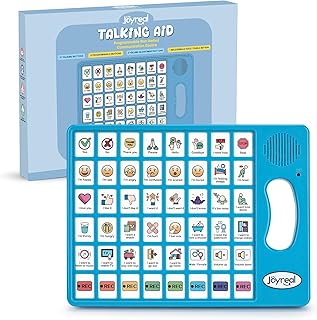
Visual aids amplify understanding exponentially. Humans process images 60,000 times faster than text, and this advantage is particularly beneficial for those with cognitive or learning disabilities. Incorporate pictures, symbols, or gestures to reinforce verbal communication. For example, a visual schedule with icons for meals, therapy sessions, and bedtime can help a person with autism anticipate their day. Similarly, using a simple hand gesture alongside the word “stop” can make the instruction more concrete. Tools like communication boards or apps with pre-loaded images can be game-changers for non-verbal individuals, providing them a voice when words fail.
Patience isn’t just a virtue—it’s a necessity. Processing information takes time for everyone, but for individuals with mental disabilities, it can take significantly longer. Rushing or repeating instructions in the same tone can heighten anxiety and impede understanding. Instead, pause after each sentence and observe for signs of comprehension. If confusion persists, rephrase the message or use a different visual aid. For instance, if explaining how to use a new device, demonstrate the steps slowly and allow the person to mimic your actions. This hands-on approach fosters learning without pressure.
Combining these strategies creates a supportive communication environment. Consider a 12-year-old with Down syndrome learning to brush her teeth independently. Start with a simple script: “Wet the brush. Squeeze toothpaste. Scrub gently.” Pair this with a step-by-step picture chart and allow her to practice at her own pace. Over time, reduce verbal prompts, relying more on the visual guide. This gradual shift encourages independence while maintaining clarity. Remember, the goal isn’t perfection but progress—each small step forward is a victory.
In practice, tailoring communication to the individual’s needs is key. A 30-year-old with schizophrenia may benefit from consistent routines and minimal distractions during conversations, while a child with ADHD might respond better to dynamic, interactive visuals. Observe what works and adapt accordingly. Clear communication isn’t a one-size-fits-all solution; it’s a toolkit of strategies that, when used thoughtfully, can bridge gaps and foster meaningful connections. Patience, paired with simplicity and visual support, transforms interactions from barriers into bridges.
Supporting Your Teenage Son: A Guide to Accessing Mental Health Care
You may want to see also
Explore related products


Encourage independence through skill-building activities tailored to their abilities and interests
Mentally disabled individuals often face barriers to independence, but tailored skill-building activities can unlock their potential. Start by assessing their current abilities and interests through observation or consultation with caregivers. For instance, a 25-year-old with mild intellectual disability who enjoys cooking might begin with simple tasks like measuring ingredients or setting the table. These activities not only build practical skills but also foster a sense of accomplishment and self-worth.
The key to effective skill-building lies in progressive challenges. Break tasks into manageable steps, gradually increasing complexity as proficiency improves. For example, a teenager with autism interested in gardening could start with planting seeds, then progress to watering, weeding, and eventually designing small garden layouts. Each step should be clearly defined, with visual aids or verbal prompts as needed. Consistency is crucial—aim for 20–30 minutes of practice daily, as shorter, regular sessions yield better retention than longer, sporadic ones.
While encouraging independence, it’s essential to balance support with autonomy. Avoid over-assistance, which can undermine confidence, but step in when frustration arises. For instance, if a child with Down syndrome struggles to tie shoelaces, demonstrate the process slowly, then let them attempt it independently. Celebrate small victories—verbal praise, stickers, or a simple high-five can reinforce progress. Research shows positive reinforcement increases motivation and skill retention in this population.
Tailoring activities to individual interests ensures engagement and long-term commitment. A nonverbal adult with cerebral palsy who loves music might benefit from rhythm-based tasks like drumming or sorting musical instruments by size. Similarly, a tech-savvy adolescent with ADHD could learn basic coding or video editing, aligning skill-building with their passion. The goal is to make learning feel less like therapy and more like a rewarding hobby, fostering intrinsic motivation.
Finally, caregivers and educators must remain patient and adaptable. Progress may be slow, and setbacks are inevitable. Regularly reassess goals and adjust activities to match evolving abilities and interests. For example, if a skill becomes too easy, introduce variations to maintain challenge. Conversely, if frustration persists, revisit foundational steps or explore alternative activities. By prioritizing personalization and persistence, skill-building activities become powerful tools for promoting independence in mentally disabled individuals.
Pop Music's Power: Healing Minds, Uplifting Spirits, and Fostering Resilience
You may want to see also
Explore related products


Offer emotional support by listening actively, validating feelings, and fostering a safe environment
Emotional support is a cornerstone of helping individuals with mental disabilities, yet it’s often misunderstood as mere sympathy or occasional encouragement. In reality, it requires intentionality and skill. Active listening, for instance, isn’t just about hearing words—it’s about tuning into nonverbal cues, asking open-ended questions, and reflecting back what’s been said to show genuine engagement. For example, instead of responding to “I feel overwhelmed” with a quick “It’ll be okay,” try saying, “It sounds like you’re carrying a lot right now. Can you tell me more about what’s on your mind?” This approach communicates respect for their experience and opens the door for deeper connection.
Validation is another critical component, but it’s not about agreeing with every sentiment expressed. It’s about acknowledging the legitimacy of their emotions, even if they seem irrational or disproportionate to an outsider. For a person with anxiety, their fear of a social event might appear excessive, but dismissing it with “There’s nothing to worry about” invalidates their struggle. Instead, say, “It makes sense that you’re feeling anxious—social situations can be unpredictable. How can I support you in feeling more comfortable?” This shifts the focus from judgment to empathy, fostering trust and reducing emotional isolation.
Creating a safe environment goes beyond physical safety; it involves emotional and psychological security. This means being consistent in your responses, avoiding criticism or sarcasm, and respecting boundaries. For instance, if someone with PTSD expresses discomfort with sudden movements, honor that by giving warnings before actions like standing up or leaving the room. Practical steps include establishing a calm, clutter-free space, using predictable routines, and being mindful of sensory sensitivities. For children or adults with autism, this might involve dimming lights, using noise-canceling headphones, or providing a quiet corner for retreat.
A comparative analysis reveals that emotional support for mentally disabled individuals often requires more patience and adaptability than for the general population. While a neurotypical person might recover quickly from a stressful interaction, someone with a mental disability may need days or weeks to process the same event. This doesn’t mean they’re “overly sensitive”—it’s a reflection of their unique neurological wiring. By recognizing this, caregivers can avoid frustration and tailor their support to match the individual’s pace. For example, a weekly check-in might be more effective than daily conversations for someone who processes emotions slowly.
The takeaway is clear: emotional support isn’t a one-size-fits-all solution. It demands active listening to understand their perspective, validation to affirm their emotions, and a safe environment to reduce stress and build trust. These practices aren’t just kind gestures—they’re essential tools for helping mentally disabled individuals navigate a world that often feels overwhelming. By mastering these skills, caregivers can provide meaningful support that enhances their quality of life and fosters resilience.
Supporting Your Boyfriend's Mental Health Through Nutrition and Diet
You may want to see also
Explore related products


Promote social inclusion by creating opportunities for community engagement and meaningful relationships
Social isolation exacerbates mental health challenges, yet many community programs fail to engage individuals with disabilities in meaningful ways. To counter this, design initiatives that prioritize shared interests rather than disability-centric activities. For instance, a local gardening club can allocate small plots for participants of all abilities, fostering collaboration through planting, maintenance, and harvest celebrations. This approach normalizes inclusion by focusing on common goals, not accommodations.
Consider the power of mentorship programs that pair individuals with disabilities alongside community members based on mutual hobbies or career aspirations. A teenager with autism passionate about coding could shadow a software developer for 2–3 hours weekly, gradually building rapport through project-based tasks. Such relationships thrive when structured around shared objectives, reducing the pressure of forced socialization. Ensure mentors receive training on adaptive communication strategies to deepen connections.
Public spaces often inadvertently exclude those with sensory sensitivities. Transform this by hosting "quiet hours" at libraries or museums, reducing lighting and noise for 1–2 hours weekly. Simultaneously, organize parallel events in adjacent areas to encourage organic interactions between attendees. For example, a silent art exhibit paired with a neighboring community mural project allows participants to engage at their comfort level while fostering indirect social connections.
Leverage technology to bridge physical barriers without replacing in-person interaction. Platforms like Meetup or Facebook Groups can facilitate interest-based gatherings, but success hinges on offline follow-through. A photography enthusiast group might meet virtually to share techniques, then organize monthly outings to local parks where members naturally collaborate on compositions. Pair digital tools with tangible activities to cultivate lasting relationships.
Measure success not by attendance numbers but by qualitative indicators of belonging. Distribute anonymous feedback forms quarterly, asking participants to rate statements like, "I feel valued for my contributions" or "I’ve formed at least one meaningful connection." Adjust programs based on responses, ensuring they evolve to meet emotional needs. True inclusion requires continuous adaptation, not one-size-fits-all solutions.
School Psychologists: Essential Mental Health Support in Education
You may want to see also
Frequently asked questions
Use clear, simple language, maintain eye contact, and be patient. Allow extra time for them to process information and respond. Visual aids, gestures, or written communication can also help enhance understanding.
Break tasks into smaller, manageable steps and provide consistent guidance. Encourage independence while offering assistance when needed. Create a structured routine to help them feel secure and confident.
Many communities offer support groups, respite care, and training programs for caregivers. Government agencies, nonprofit organizations, and local disability services can provide access to resources, financial assistance, and professional advice.