Lucas Bennett
Emotional support animals (ESAs) play a crucial role in alleviating symptoms of mental disorders by providing consistent companionship, emotional stability, and a sense of purpose for their owners. Unlike service animals, ESAs are not trained to perform specific tasks but instead offer unconditional support through their presence, which can significantly reduce feelings of loneliness, anxiety, and depression. Research suggests that interactions with ESAs trigger the release of oxytocin, a hormone associated with bonding and stress reduction, while lowering cortisol levels, thereby promoting a calmer mental state. For individuals with conditions like PTSD, anxiety disorders, or major depressive disorder, ESAs can serve as a grounding force, helping to manage panic attacks, provide routine, and foster a sense of responsibility. Additionally, the non-judgmental nature of animals allows individuals to feel more comfortable and secure, encouraging emotional expression and improving overall mental well-being.
| Characteristics | Values |
|---|---|
| Companionship | Provides constant presence, reducing feelings of loneliness and isolation, which are common in mental disorders like depression and anxiety. |
| Stress Reduction | Interacting with animals lowers cortisol levels and increases oxytocin, promoting relaxation and reducing stress. |
| Routine and Structure | Caring for an emotional support animal (ESA) establishes a daily routine, which can improve time management and provide a sense of purpose for individuals with conditions like ADHD or bipolar disorder. |
| Emotional Regulation | Animals offer non-judgmental support, helping individuals manage emotional fluctuations and providing comfort during anxiety or panic attacks. |
| Physical Activity | ESAs encourage physical activity, such as walking or playing, which boosts endorphins and improves mood, benefiting conditions like depression. |
| Social Interaction | ESAs can serve as social catalysts, encouraging conversations and interactions with others, reducing social anxiety and improving social skills. |
| Sense of Security | The presence of an ESA can provide a sense of safety and protection, particularly for individuals with PTSD or anxiety disorders. |
| Unconditional Love and Acceptance | Animals offer consistent affection without judgment, fostering self-esteem and emotional stability in individuals with low self-worth or trauma. |
| Distraction from Negative Thoughts | Caring for an ESA shifts focus away from negative thoughts or behaviors, helping individuals with OCD, anxiety, or depression. |
| Improved Sleep | The presence of an ESA can promote better sleep patterns by reducing nighttime anxiety and providing comfort, benefiting those with insomnia or PTSD. |
| Therapeutic Bond | The human-animal bond has been shown to have therapeutic effects, improving mental health outcomes and overall well-being. |
| Reduced Symptoms of Mental Disorders | Studies indicate that ESAs can alleviate symptoms of depression, anxiety, PTSD, and other mental health conditions by providing emotional and psychological support. |
| Increased Independence | Caring for an ESA can boost confidence and self-reliance, helping individuals with mental disorders feel more capable of managing their lives. |
| Non-Verbal Communication | Animals provide emotional support through non-verbal cues, which can be particularly beneficial for individuals who struggle with verbal expression or have communication disorders. |
| Long-Term Mental Health Benefits | Consistent interaction with ESAs has been linked to long-term improvements in mental health, including reduced reliance on medication and therapy for some individuals. |
Explore related products


What You'll Learn
- Reducing anxiety and depression symptoms through companionship and emotional bonding
- Providing a sense of purpose and routine for individuals with mental health issues
- Alleviating loneliness and social isolation by fostering human-animal connections
- Acting as grounding tools during panic attacks or emotional distress episodes
- Encouraging physical activity and outdoor engagement, improving overall mental well-being

Reducing anxiety and depression symptoms through companionship and emotional bonding
Emotional support animals (ESAs) have been shown to significantly reduce symptoms of anxiety and depression by fostering companionship and emotional bonding. Unlike service animals, ESAs do not require specialized training; their primary role is to provide comfort through presence and interaction. Research indicates that the act of caring for an animal—feeding, grooming, or simply spending time together—creates a routine that grounds individuals in the present moment, disrupting cycles of rumination often associated with depression. For instance, a study published in the *Journal of Psychiatric Research* found that pet owners experienced a 30% reduction in anxiety symptoms within the first month of ESA adoption, highlighting the immediate impact of this bond.
The physiological benefits of emotional bonding with an ESA are equally compelling. Physical contact with an animal, such as petting a dog or cat, triggers the release of oxytocin, a hormone linked to stress reduction and feelings of calm. Simultaneously, cortisol levels—the body’s primary stress hormone—decrease. For individuals with anxiety disorders, this biochemical response can provide a natural, drug-free way to manage symptoms. Practical tips for maximizing this benefit include setting aside 15–20 minutes daily for focused interaction with the ESA, such as grooming or playtime, to reinforce the bond and activate these physiological responses.
Comparatively, ESAs offer a unique advantage over traditional therapy or medication: they provide unconditional support without judgment or expectation. This is particularly beneficial for individuals who struggle with social interactions or trust issues, common barriers in therapeutic settings. For example, a person with social anxiety may find it easier to confide in a pet than in a human therapist, using the animal as a bridge to emotional expression. Over time, this dynamic can improve self-esteem and reduce feelings of isolation, key factors in alleviating depression.
However, integrating an ESA into one’s life requires careful consideration. Not all individuals or living situations are suited for pet ownership, and the responsibility can sometimes exacerbate stress if not managed properly. For those in apartments or with limited mobility, smaller animals like cats or rabbits may be more practical than larger dogs. Additionally, individuals should consult with a mental health professional to determine if an ESA is the right fit and to obtain the necessary documentation. While ESAs are not a cure-all, their ability to reduce anxiety and depression symptoms through companionship and emotional bonding makes them a valuable tool in holistic mental health care.
Supporting Mental Health at Work: Practical Strategies for Employers and Colleagues
You may want to see also
Explore related products





Providing a sense of purpose and routine for individuals with mental health issues
Emotional support animals (ESAs) often become the cornerstone of daily structure for individuals grappling with mental health disorders. For someone struggling with depression, anxiety, or PTSD, the simple act of waking up to feed, groom, or walk an animal can provide a non-negotiable reason to start the day. This routine, though seemingly mundane, anchors the individual in the present, reducing the overwhelming sense of aimlessness that often accompanies mental health challenges. A study published in the *Journal of Psychiatric Research* found that 84% of participants reported a significant improvement in their daily functioning after incorporating an ESA into their lives, highlighting the power of routine in mental health recovery.
Consider the case of a 28-year-old with generalized anxiety disorder who adopted a rescue dog. Before the dog, her days blurred together, marked by avoidance and isolation. Post-adoption, her mornings began at 7 a.m. with a walk, followed by feeding and playtime. This predictable schedule not only reduced her anxiety but also gave her a sense of accomplishment early in the day. For individuals with bipolar disorder, ESAs can serve as a stabilizing force during manic or depressive episodes, as the animal’s needs demand consistency regardless of the owner’s mood state. Practical tip: Start with small, manageable tasks like feeding at set times and gradually incorporate more activities as the bond strengthens.
From a neurological perspective, the routine care of an ESA activates the brain’s reward system, releasing dopamine and oxytocin, which counteract symptoms of depression and anxiety. This biochemical response is reinforced by the emotional connection formed with the animal, creating a positive feedback loop. For instance, a cat’s purr or a dog’s wagging tail during grooming sessions can provide immediate emotional validation, encouraging the individual to maintain the routine. Caution: While ESAs are beneficial, they should complement, not replace, professional treatment plans. Over-reliance on the animal without addressing underlying issues can lead to dependency rather than recovery.
Comparatively, the sense of purpose derived from caring for an ESA differs from that of other responsibilities, such as work or social obligations, which can feel burdensome during mental health crises. An ESA’s unconditional love and reliance on their owner foster a unique sense of being needed, which can be particularly transformative for those struggling with self-worth. For example, a veteran with PTSD might find that training their service dog not only provides structure but also a mission, redirecting their focus from trauma to progress. This dual benefit of routine and purpose is what sets ESAs apart from other therapeutic interventions.
Incorporating an ESA into one’s life requires intentionality. Begin by assessing your lifestyle and mental health needs—a high-energy dog might suit someone with depression seeking motivation, while a calm cat could benefit an individual with anxiety. Establish a daily schedule that includes feeding, exercise, and bonding time, ensuring it aligns with your treatment goals. For instance, a morning walk with your dog can double as exposure therapy for agoraphobia. Remember, the goal is not just to care for the animal but to use this care as a tool for self-healing. By doing so, ESAs become more than companions—they become catalysts for reclaiming structure and meaning in life.
Mind Over Pain: Mental Strategies to Ease Chronic Discomfort
You may want to see also
Explore related products


Alleviating loneliness and social isolation by fostering human-animal connections
Loneliness and social isolation can exacerbate mental health disorders, creating a vicious cycle of withdrawal and despair. Emotional support animals (ESAs) disrupt this cycle by providing consistent, nonjudgmental companionship. Unlike human relationships, which can be unpredictable or conditional, animals offer unwavering presence and acceptance. For individuals struggling with depression or anxiety, the simple act of caring for a pet—feeding, grooming, or playing—creates a sense of purpose and routine, anchoring them in the present moment. Studies show that even brief interactions with animals can reduce cortisol levels, the body’s primary stress hormone, while increasing oxytocin, often referred to as the "love hormone," which promotes feelings of trust and bonding.
Consider the case of a 32-year-old woman with generalized anxiety disorder who adopted a rescue dog. Initially, her motivation was to have a companion during long, solitary days working from home. Over time, the dog’s reliance on her for walks and playtime forced her to leave the house daily, increasing her exposure to social situations. The dog also served as a natural conversation starter, with neighbors and strangers alike approaching her to pet or admire the animal. This unintentional social facilitation gradually reduced her anxiety in public settings, illustrating how ESAs can act as social catalysts, bridging the gap between isolation and community engagement.
To maximize the benefits of an ESA in combating loneliness, intentional integration into daily life is key. Start by establishing a consistent care routine—for example, 30 minutes of playtime in the morning and evening, or a 20-minute walk after work. For those with limited mobility or energy, smaller animals like cats or rabbits can provide companionship without demanding high levels of physical activity. Incorporate the animal into social activities whenever possible, such as visiting pet-friendly cafes or joining local pet groups. For older adults or individuals with severe social anxiety, even virtual pet interactions, like watching fish in an aquarium or grooming a rabbit, can offer comfort and a sense of connection.
However, it’s crucial to acknowledge that ESAs are not a one-size-fits-all solution. For some, the responsibility of pet ownership may feel overwhelming, potentially worsening anxiety or depression. Before committing to an ESA, assess your lifestyle, resources, and emotional capacity. Consult with a mental health professional to determine if an ESA aligns with your treatment plan, and research local regulations regarding ESA certification and housing rights. Additionally, consider adopting from shelters, as rescue animals often form particularly strong bonds with their caregivers, amplifying the mutual benefits of the relationship.
In conclusion, fostering human-animal connections through emotional support animals offers a powerful tool for alleviating loneliness and social isolation. By providing unconditional companionship, creating structured routines, and facilitating social interactions, ESAs can help individuals rebuild their sense of belonging and emotional stability. While not a standalone treatment, when integrated thoughtfully into a broader mental health strategy, these animals can significantly enhance quality of life, one wagging tail or purring lap at a time.
Blue Light Therapy: Enhancing Mental Well-Being Through Calming Illumination
You may want to see also
Explore related products
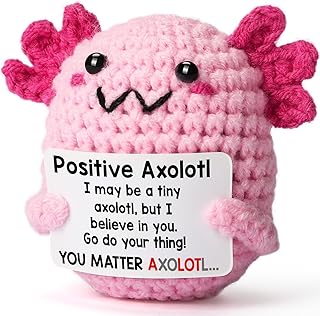


Acting as grounding tools during panic attacks or emotional distress episodes
During a panic attack, the world can feel like it's closing in, with overwhelming sensations and thoughts spiraling out of control. In these moments, emotional support animals (ESAs) serve as vital anchors, pulling their owners back to the present. Unlike therapy animals, ESAs don't require specialized training; their natural presence and behaviors—like a cat's purring or a dog's gentle nudge—can interrupt the cycle of anxiety. For instance, a person hyperventilating during a panic attack might focus on the rhythmic sound of their dog’s breathing, synchronizing their own breaths to match, a technique often recommended by therapists. This simple act of redirection can be enough to break the intensity of the episode.
Consider the mechanics of grounding techniques, which mental health professionals often recommend to manage acute distress. These techniques engage the senses to reconnect the individual with their immediate environment. ESAs inherently facilitate this process. A dog’s cool nose against your hand, the weight of a cat on your lap, or even the tactile sensation of brushing a rabbit’s fur can serve as immediate sensory inputs. For example, a study published in the *Journal of Psychiatric Research* found that interaction with pets significantly reduced cortisol levels in stressed individuals, highlighting the physiological benefits of such grounding. To maximize this effect, owners can train their ESAs to respond to specific cues during distress, such as sitting on their lap or licking their hand, though this is more about consistency than formal training.
Not all ESAs are created equal in this role, and the effectiveness of grounding depends on the animal’s temperament and the owner’s needs. A high-energy dog might not be the best fit for someone with severe anxiety, as their excitement could inadvertently escalate stress. Conversely, a calm, predictable animal—like a trained ESA rabbit or a placid cat—can provide steady reassurance. Age and mobility are also factors; older adults or individuals with physical limitations might find smaller, low-maintenance animals more practical. For instance, a guinea pig can offer the same calming presence as a larger animal without the demands of frequent walks or extensive grooming.
While ESAs are powerful tools, reliance on them during panic attacks should complement, not replace, professional treatment. Over-dependence can limit the development of coping skills, and in rare cases, the absence of the animal could trigger additional anxiety. To avoid this, incorporate ESAs into a broader mental health strategy. For example, during therapy sessions, practice grounding techniques both with and without the animal present. Keep a journal to track which behaviors or interactions are most effective, such as deep breathing while petting your ESA or focusing on their movements during a distress episode. This dual approach ensures the animal enhances, rather than dominates, your coping mechanisms.
Finally, the role of ESAs in grounding is as much about emotional connection as it is about physical presence. The bond between owner and animal fosters a sense of safety and predictability, which is crucial during moments of emotional chaos. For someone with PTSD, a dog’s consistent response to their distress—whether it’s sitting quietly beside them or offering a paw—can signal that they are not alone. This emotional reassurance, combined with sensory grounding, creates a powerful tool for managing acute episodes. By understanding and leveraging these dynamics, individuals can transform their ESAs into active participants in their mental health journey, turning moments of crisis into opportunities for connection and calm.
Kindness Boosts Mental Health: Simple Acts, Powerful Healing Benefits
You may want to see also
Explore related products


Encouraging physical activity and outdoor engagement, improving overall mental well-being
Emotional support animals (ESAs) serve as natural catalysts for physical activity, nudging individuals with mental disorders to step outside their comfort zones—literally. Unlike therapy animals, ESAs do not require specialized training; their mere presence often prompts routines like daily walks, playtime, or grooming. For someone with depression or anxiety, the responsibility of caring for an animal can break the cycle of inertia, replacing sedentary habits with movement. A 2019 study in the *Journal of Psychiatric Research* found that dog owners walked an average of 22 minutes more per day than non-owners, a modest yet impactful increase in activity levels. This simple shift can elevate heart rate, boost endorphins, and create a sense of accomplishment, all of which are critical for mental health.
Consider the mechanics of this interaction: an ESA’s need for exercise becomes the individual’s reason to engage with the outdoors. For instance, a 30-minute walk with a dog not only meets the animal’s needs but also aligns with the CDC’s recommendation of 150 minutes of moderate aerobic activity weekly. For those with social anxiety, this outdoor time can be structured to avoid crowds—early morning or late evening walks, for example—reducing stress while still reaping the benefits of fresh air and sunlight. Even small animals, like rabbits or guinea pigs, encourage movement through play or habitat maintenance, though the impact is less pronounced than with dogs or horses. The key is consistency; integrating these activities into daily life transforms them from chores into habits that support mental resilience.
The mental health benefits of outdoor engagement extend beyond physical activity. Exposure to nature has been shown to reduce cortisol levels, improve mood, and enhance cognitive function. ESAs act as bridges to these environments, whether it’s a park, a trail, or even a backyard. For individuals with PTSD or agoraphobia, an ESA can provide a sense of safety and companionship, making outdoor spaces feel less threatening. A study published in *Ecopsychology* (2020) highlighted that participants with ESAs reported greater emotional comfort in natural settings, leading to longer and more frequent outdoor sessions. Pairing this with the physical demands of caring for an animal creates a dual benefit: the body moves, and the mind calms.
However, maximizing these benefits requires intentionality. For older adults or those with mobility issues, low-impact activities like short walks or seated play are still effective. Parents of children with ADHD or autism can use ESAs to encourage outdoor games, such as fetch or hide-and-seek, which improve focus and reduce hyperactivity. It’s crucial to match the animal’s energy level to the individual’s capacity—a high-energy dog might overwhelm someone with severe anxiety, while a calmer breed could be ideal. Additionally, tracking progress through journals or apps can reinforce the connection between activity and improved mood, making the routine feel purposeful.
Incorporating ESAs into mental health strategies isn’t just about adding a pet to the household; it’s about leveraging their innate ability to motivate and soothe. By encouraging physical activity and outdoor engagement, these animals address two critical components of mental well-being: the need for movement and the need for connection to the natural world. The result is a holistic approach that complements traditional therapies, offering individuals a tangible, daily tool to combat symptoms of mental disorders. With consistency and mindfulness, the bond between human and animal can become a powerful force for healing.
Supporting Your Child’s Mental Health: Practical Steps for Parents
You may want to see also
Frequently asked questions
Emotional support animals provide companionship, reduce feelings of loneliness, and offer a sense of purpose, which can alleviate symptoms of mental disorders like anxiety, depression, and PTSD.
Yes, ESAs can lower anxiety and stress by promoting relaxation, providing a calming presence, and encouraging routines, such as walking or grooming, which release endorphins.
Absolutely, ESAs combat depression by fostering emotional connection, encouraging physical activity, and providing unconditional love, which can improve mood and reduce feelings of hopelessness.
ESAs can help individuals with PTSD by offering comfort during flashbacks or nightmares, providing a sense of security, and grounding them in the present moment, reducing hypervigilance.