Noah Parker
Supporting mentally challenged learners requires a compassionate, individualized approach that prioritizes their unique needs and strengths. By fostering an inclusive environment, educators and caregivers can implement tailored strategies such as visual aids, structured routines, and sensory-friendly spaces to enhance learning and engagement. Building strong communication channels, offering patience, and celebrating small achievements are essential to boosting confidence and fostering independence. Collaboration with professionals, families, and the community ensures a holistic support system, empowering these learners to thrive and reach their full potential.
| Characteristics | Values |
|---|---|
| Individualized Education Plans (IEPs) | Tailor learning goals, accommodations, and support based on the learner's unique needs. |
| Small Group or One-on-One Instruction | Provide focused attention to address specific challenges and foster understanding. |
| Visual and Multi-Sensory Aids | Use pictures, diagrams, tactile materials, and interactive tools to enhance learning. |
| Structured and Predictable Environment | Establish routines, clear schedules, and consistent rules to reduce anxiety. |
| Positive Reinforcement | Use praise, rewards, and encouragement to motivate and reinforce positive behaviors. |
| Simplified Instructions | Break tasks into smaller steps and use clear, concise language. |
| Social Skills Training | Teach communication, interaction, and emotional regulation through role-playing and modeling. |
| Patience and Understanding | Allow extra time for processing information and responding to tasks. |
| Collaboration with Professionals | Work with special educators, therapists, and psychologists for comprehensive support. |
| Inclusive Classroom Practices | Promote acceptance and participation by integrating learners into mainstream activities. |
| Technology Integration | Use assistive devices, apps, and software to support learning and independence. |
| Regular Progress Monitoring | Assess and adjust strategies based on the learner's development and needs. |
| Family Involvement | Engage families in the learning process and provide resources for home support. |
| Emotional and Behavioral Support | Address emotional challenges and provide coping strategies for stress and frustration. |
| Life Skills Development | Teach practical skills like self-care, time management, and problem-solving for independence. |
Explore related products


What You'll Learn
- Individualized Education Plans: Tailor learning goals, accommodations, and support to each student's unique needs and abilities
- Visual and Hands-On Learning: Use pictures, objects, and activities to enhance understanding and engagement
- Consistent Routines: Establish predictable schedules to reduce anxiety and promote a sense of security
- Positive Behavior Support: Encourage desired behaviors with rewards, redirection, and clear, consistent expectations
- Collaborative Teamwork: Involve teachers, parents, therapists, and specialists to provide holistic support and progress tracking

Individualized Education Plans: Tailor learning goals, accommodations, and support to each student's unique needs and abilities
Every student with mental challenges brings a distinct set of strengths, struggles, and learning styles to the classroom. A one-size-fits-all approach to education fails these learners, widening achievement gaps and stifling potential. Individualized Education Plans (IEPs) serve as blueprints for success, meticulously crafted to align instruction with each student’s unique profile. These legally binding documents outline specific goals, accommodations, and supports tailored to address individual needs, ensuring that every learner has a fair shot at academic and personal growth.
Consider a 10-year-old with dyslexia who struggles with decoding but excels in verbal expression. Her IEP might include goals like improving phonemic awareness through multisensory reading programs (e.g., Orton-Gillingham, 30 minutes daily) and extending her storytelling skills through creative writing workshops. Accommodations such as audiobooks for literature assignments and extra time on tests would level the playing field, while a speech-language pathologist could provide weekly sessions to refine her articulation. This example illustrates how IEPs transform abstract aspirations into actionable strategies, grounded in the student’s reality.
Crafting an effective IEP requires collaboration among educators, parents, and specialists, with the student’s voice central to the process. Start by conducting comprehensive assessments—cognitive, academic, and functional—to pinpoint strengths and barriers. For instance, a student with ADHD may benefit from a visual schedule and movement breaks, while a learner with autism might require social narratives to navigate transitions. Once goals are set, monitor progress through data-driven check-ins (e.g., quarterly reviews) and adjust strategies as needed. Caution: Avoid overloading the plan with too many objectives; prioritize 3–5 measurable, achievable goals annually to maintain focus.
Critics argue that IEPs can be bureaucratic and time-consuming, but their impact is undeniable when executed thoughtfully. A study by the National Center for Learning Disabilities found that students with IEPs showed greater gains in reading and math when plans were consistently implemented and regularly updated. To maximize effectiveness, ensure all stakeholders understand their roles—teachers must integrate accommodations seamlessly, parents should reinforce strategies at home, and administrators must provide necessary resources. For instance, a teacher might use color-coded materials for a visually impaired student, while parents could practice tactile math games at home.
Ultimately, IEPs are not just documents but dynamic tools that empower mentally challenged learners to thrive. By honoring each student’s individuality, they bridge the gap between potential and achievement, fostering confidence and resilience. For educators, the process demands creativity, patience, and a commitment to equity. For students, it offers a personalized pathway to success, proving that with the right support, every learner can shine.
Unlocking Learning Potential: The Power of Mental Models Explained
You may want to see also
Explore related products


Visual and Hands-On Learning: Use pictures, objects, and activities to enhance understanding and engagement
Visual aids and hands-on activities are powerful tools for teaching mentally challenged learners, as they tap into multiple senses and learning styles. For instance, a study by the National Association for the Education of Young Children (NAEYC) found that children with developmental delays showed a 30% increase in task engagement when visual and tactile materials were used. This approach bridges the gap between abstract concepts and tangible experiences, making learning more accessible and memorable.
To implement this effectively, start by selecting age-appropriate visuals and objects. For younger learners (ages 3–7), use large, colorful pictures and simple, safe objects like blocks or textured fabrics. For older students (ages 8–12), incorporate diagrams, maps, or interactive models that align with their cognitive abilities. Pair each visual with a hands-on activity to reinforce the lesson. For example, when teaching shapes, show a picture of a circle, then have the learner trace it in sand or clay. This dual approach ensures both visual and kinesthetic learners benefit.
One caution: avoid overwhelming learners with too many stimuli at once. Limit each session to 2–3 key visuals or objects and keep activities focused on a single concept. Overloading can lead to frustration or disengagement. Additionally, ensure the materials are durable and safe, especially for learners who may mouth objects or handle them roughly. Laminated cards, soft toys, and non-toxic art supplies are excellent choices.
The takeaway is clear: visual and hands-on learning transforms abstract ideas into concrete experiences, fostering deeper understanding and engagement. By thoughtfully selecting materials and structuring activities, educators can create an inclusive environment where mentally challenged learners thrive. This method not only supports academic growth but also builds confidence and independence, proving that learning is truly a multi-sensory journey.
Supporting Children: Strategies to Heal from a Mentally Abusive Father
You may want to see also
Explore related products




Consistent Routines: Establish predictable schedules to reduce anxiety and promote a sense of security
Mentally challenged learners often experience heightened anxiety due to uncertainty and unpredictability. Their brains may struggle with processing sudden changes or ambiguous situations, leading to emotional distress and behavioral challenges. Establishing consistent routines acts as a cognitive anchor, providing a framework that helps them anticipate what comes next and feel more in control of their environment.
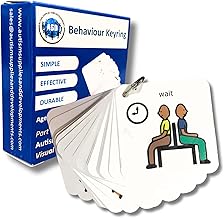
For instance, a daily schedule visually displayed with pictures or symbols can significantly reduce confusion and anxiety for non-verbal learners or those with limited language skills.
Creating a predictable routine doesn't mean rigidly adhering to a minute-by-minute timetable. Instead, it involves structuring the day into recognizable blocks with clear transitions. Start by identifying key activities like waking up, meals, schoolwork, therapy sessions, playtime, and bedtime. Assign specific times or time ranges for each activity, ensuring consistency across weekdays. Weekends can have a slightly different routine, but maintain some core elements for familiarity. For younger learners, consider using timers or visual cues like a sand timer to signal upcoming transitions, allowing them to mentally prepare for the change.
While consistency is crucial, it's equally important to build in flexibility. Unexpected events will occur, and rigid adherence to a schedule can backfire if it becomes a source of stress itself. Teach learners coping strategies for handling changes, such as deep breathing exercises or using a "calm down" corner. Gradually introduce small variations in the routine to help them adapt to unpredictability. For example, occasionally swap the order of two activities or introduce a new task during playtime, providing verbal reassurance and positive reinforcement throughout.
The benefits of consistent routines extend beyond immediate anxiety reduction. They foster a sense of security and self-efficacy, enabling mentally challenged learners to navigate their world with greater confidence. Predictable schedules also improve focus and engagement during learning activities, as learners aren't expending mental energy on deciphering what's expected of them. Over time, consistent routines can contribute to the development of executive functioning skills, such as planning, organization, and time management, which are often areas of difficulty for this population.
To maximize the effectiveness of routines, involve learners in their creation whenever possible. Allow them to choose between two acceptable options for certain activities or let them arrange visual schedule cards in their preferred order. This sense of ownership increases buy-in and motivation to follow the routine. Regularly review and adjust the schedule as needed, taking into account developmental changes, new skills acquired, or shifting interests. By treating the routine as a living document rather than a static plan, you ensure it remains a supportive tool that grows with the learner.
Mental Stimulation and Dementia: Unlocking Cognitive Resilience and Brain Health
You may want to see also
Explore related products





Positive Behavior Support: Encourage desired behaviors with rewards, redirection, and clear, consistent expectations
Mentally challenged learners often thrive when their environment is structured to promote positive behaviors. Positive Behavior Support (PBS) is a proactive approach that focuses on encouraging desired actions through rewards, redirection, and clear, consistent expectations. By understanding the underlying causes of challenging behaviors, educators and caregivers can create a supportive framework that fosters growth and success.
Step 1: Identify and Define Desired Behaviors
Begin by pinpointing specific behaviors you want to encourage, such as task completion, social interaction, or emotional regulation. For example, if a learner struggles with transitions, define success as "moving to the next activity within 3 minutes of being prompted." Clarity ensures both the learner and support team know what to aim for. Use simple, observable language to avoid confusion. For younger learners (ages 5–12), visual aids like picture charts can help reinforce expectations.
Step 2: Implement a Reward System Tailored to the Learner
Rewards must be meaningful to the individual to be effective. For some, this might be verbal praise; for others, it could be earning tokens toward a preferred activity. For instance, a learner who enjoys sensory play might work toward 10 minutes of playdough time after completing three tasks. Be mindful of overusing tangible rewards, as they can lose effectiveness over time. Instead, alternate with social rewards like a high-five or a special sticker. For adolescents (ages 13–18), consider involving them in choosing their rewards to increase buy-in.
Step 3: Use Redirection to Prevent Escalation
When undesired behaviors occur, redirection shifts focus to a more appropriate activity. For example, if a learner becomes frustrated during a task, gently guide them to a calming activity like deep breathing or a short walk. Redirection works best when paired with a clear, calm tone and minimal verbal cues to avoid overwhelming the learner. Practice consistency by ensuring all caregivers respond similarly to similar situations. For learners with autism or ADHD, sensory tools like fidgets or noise-canceling headphones can aid redirection.
Cautions and Considerations
While PBS is effective, it requires patience and adaptability. Avoid punitive measures, as they can erode trust and increase resistance. Be cautious of overloading learners with too many expectations at once; focus on 1–2 behaviors at a time. Additionally, ensure rewards are age-appropriate and culturally sensitive. For instance, a teenager might find public praise embarrassing, while a younger child may thrive on it. Regularly review and adjust the plan as the learner progresses.
Positive Behavior Support is not a one-size-fits-all solution but a dynamic process that evolves with the learner. By setting clear expectations, using tailored rewards, and employing strategic redirection, caregivers can create an environment where mentally challenged learners feel supported and motivated. Consistency is key—small, daily efforts yield significant long-term gains. With patience and creativity, PBS transforms challenges into opportunities for growth.
Encouraging Mental Health Support: Ethical Approaches to Intervention
You may want to see also
Explore related products


Collaborative Teamwork: Involve teachers, parents, therapists, and specialists to provide holistic support and progress tracking
Effective support for mentally challenged learners hinges on dismantling silos. Isolated efforts from teachers, parents, therapists, or specialists often yield fragmented progress. By fostering collaborative teamwork, these stakeholders can weave a cohesive safety net, ensuring consistent care and targeted interventions. Imagine a child with autism who struggles with sensory overload in the classroom. A teacher might implement visual schedules, but without input from an occupational therapist, the root cause—sensory processing issues—remains unaddressed. Conversely, a therapist’s sensory diet plan loses impact if parents aren’t trained to reinforce it at home. When all parties align, sharing insights and strategies, the learner receives a unified, holistic approach that maximizes growth.
To operationalize this collaboration, establish clear communication channels. Weekly email updates, shared digital platforms like Google Classroom, or quarterly in-person meetings ensure everyone stays informed. For instance, a speech therapist working on articulation goals can record short videos of exercises for parents to practice daily. Teachers can then integrate these exercises into classroom activities, turning learning opportunities into seamless parts of the day. For younger learners (ages 3–8), visual tools like progress charts with stickers or color-coded behavior logs can help parents and educators track milestones in a tangible way. Consistency across environments—school, therapy sessions, and home—amplifies the impact of each intervention.
However, collaboration isn’t without challenges. Misaligned priorities, scheduling conflicts, and differing methodologies can create friction. To mitigate this, define shared goals from the outset. For a learner with ADHD, a shared objective might be improving sustained attention during tasks. A teacher could focus on classroom accommodations (e.g., 10-minute work intervals), a therapist on mindfulness techniques, and parents on structured homework routines. Regularly revisiting these goals ensures everyone remains on the same page. Caution against overloading any one party; distribute responsibilities based on expertise and availability. For example, a specialist might lead training sessions for parents and teachers on de-escalation techniques, rather than expecting them to intuit these skills independently.
The power of collaborative teamwork lies in its ability to provide 360-degree support. Consider a teenager with Down syndrome preparing for transition to adulthood. A vocational specialist can assess job readiness, a teacher can incorporate life skills into lessons (e.g., handling money), and parents can arrange community-based practice opportunities. Therapists can address emotional regulation to manage workplace stress. By pooling their strengths, the team creates a scaffolded pathway toward independence. This model isn’t just about addressing deficits—it’s about celebrating strengths and fostering resilience through collective effort.
Ultimately, collaborative teamwork transforms isolated interventions into a symphony of support. It requires intentionality, flexibility, and a commitment to shared success. Start small: invite a therapist to observe a classroom session, or ask parents to share home observations during IEP meetings. Over time, these interactions build trust and deepen understanding. For mentally challenged learners, this unified approach isn’t just beneficial—it’s transformative. It turns challenges into opportunities, progress into momentum, and individuals into empowered members of their community.
Mental Therapy: A Powerful Tool to Overcome Depression and Heal
You may want to see also
Frequently asked questions
Creating a supportive environment involves differentiated instruction, where teachers adapt content, process, and product to meet individual needs. This includes using visual aids, simplified instructions, and providing extra time for tasks. Small group work and peer tutoring can also foster a sense of community and understanding.
Clear and simple communication is key. Use straightforward language, maintain eye contact, and speak at a moderate pace. Encourage students to ask questions and provide multiple means of communication, such as pictures, symbols, or gestures, to ensure understanding.
Yes, structured teaching methods like the TEACCH (Treatment and Education of Autistic and related Communication-handicapped Children) approach provide a predictable routine and visual organization, which can reduce anxiety. Additionally, applied behavior analysis (ABA) techniques can help teach new skills and manage behaviors.
Social skills training can be integrated into daily routines and activities. Role-playing, social stories, and modeling appropriate behaviors are effective techniques. Encouraging participation in group activities and providing positive feedback can also enhance social interactions and self-esteem.