Caleb Wright
Helping teenagers maintain and improve their mental health is crucial, as adolescence is a period of significant emotional, social, and cognitive development. Teenagers often face unique challenges such as academic pressure, peer relationships, identity formation, and hormonal changes, which can impact their mental well-being. To support them effectively, it’s essential to foster open communication, encourage healthy coping mechanisms, and provide access to professional resources when needed. Parents, educators, and caregivers can play a vital role by creating a safe, non-judgmental environment where teens feel comfortable expressing their feelings. Promoting self-care practices like regular exercise, adequate sleep, and mindfulness, along with teaching stress management skills, can empower teenagers to navigate their emotions more effectively. Additionally, recognizing warning signs of mental health issues, such as persistent sadness, withdrawal, or changes in behavior, and seeking timely intervention can make a significant difference in their overall well-being.
Explore related products

$6.53 $12.99




What You'll Learn
- Encourage open communication about feelings and emotions without judgment or criticism
- Promote regular physical activity and balanced nutrition for overall well-being
- Teach stress management techniques like mindfulness, deep breathing, and journaling
- Foster healthy relationships and social connections to combat loneliness and isolation
- Limit screen time and encourage offline hobbies for better mental balance

Encourage open communication about feelings and emotions without judgment or criticism
Teenagers often struggle to express their emotions, fearing rejection or misunderstanding. This silence can exacerbate mental health issues, making it crucial to foster an environment where they feel safe to share. Start by normalizing emotional conversations in daily life. For instance, share your own feelings casually—“I felt overwhelmed today because of the workload”—to model vulnerability. This simple act can signal that emotions are not taboo and that everyone experiences them.
Encouraging open communication requires active listening, not just hearing. When a teenager speaks, avoid interrupting or offering immediate solutions. Instead, reflect back what they say to show understanding: “It sounds like you’re feeling frustrated because your friends canceled plans.” This validates their emotions and builds trust. Research shows that feeling heard reduces stress and anxiety, making this a powerful tool in supporting mental health.
One practical strategy is to create dedicated, judgment-free zones for conversation. For example, establish a weekly check-in time where the focus is solely on their feelings, not on solving problems or giving advice. Use open-ended questions like, “How did that situation make you feel?” rather than yes-or-no questions, which can shut down dialogue. For younger teens (ages 13–15), visual aids like emotion charts can help them identify and articulate feelings they may not yet have the vocabulary for.
Criticism, even when well-intentioned, can shut down communication faster than anything else. Instead of saying, “You’re overreacting,” try, “I can see this is really upsetting for you.” Phrasing matters—it shifts the focus from judgment to empathy. For older teens (ages 16–19), who may be more sensitive to perceived criticism, acknowledge their autonomy by saying, “I’m here if you want to talk,” rather than pressing for details.
Finally, consistency is key. Open communication isn’t a one-time effort but a habit. If a teenager senses that emotional honesty is met with judgment or dismissal, even occasionally, they’ll retreat. Keep your responses neutral and supportive, even if their feelings are difficult to hear. Over time, this consistency will strengthen your relationship and provide a stable foundation for their mental health.
Walking for Wellness: How Daily Steps Boost Mental Health
You may want to see also
Explore related products

$13.48 $15.97




Promote regular physical activity and balanced nutrition for overall well-being
Teenagers who engage in regular physical activity experience a 20-30% reduction in symptoms of depression and anxiety, according to studies by the American Psychological Association. This isn’t just about burning energy—exercise triggers the release of endorphins, which act as natural mood lifters, while also reducing stress hormones like cortisol. Aim for at least 60 minutes of moderate-to-vigorous activity daily, such as brisk walking, cycling, or team sports. For those who resist structured exercise, encourage movement through hobbies like dancing, skateboarding, or even active gaming (think VR or motion-sensor games). Consistency is key; even short bursts of activity, like a 10-minute jump rope session, can provide immediate mental clarity and emotional relief.
Nutrition plays an equally critical role in teenage mental health, yet it’s often overlooked. The brain requires a steady supply of nutrients like omega-3 fatty acids, vitamins B and D, and magnesium to function optimally. A diet rich in whole foods—fruits, vegetables, lean proteins, and whole grains—supports neurotransmitter production and stabilizes blood sugar levels, reducing mood swings. Conversely, diets high in processed foods, sugar, and caffeine can exacerbate anxiety and irritability. Practical tips include swapping sugary snacks for nuts or yogurt, incorporating fatty fish like salmon twice a week, and ensuring teens start their day with a protein-rich breakfast. For picky eaters, consider fortified foods or supplements under professional guidance.
Comparing physical activity and nutrition, both are foundational yet distinct pillars of mental well-being. While exercise provides immediate and long-term psychological benefits, nutrition acts as a slow-burn fuel for sustained mental resilience. Together, they create a synergistic effect: a well-nourished body is better equipped to reap the mental rewards of physical activity, and an active lifestyle enhances the body’s ability to utilize nutrients efficiently. For instance, teens who combine regular exercise with a balanced diet report higher energy levels, improved focus, and better sleep quality—all critical factors in managing stress and emotional challenges.
Implementing these habits requires a supportive environment. Parents and caregivers can model healthy behaviors by cooking nutritious meals together, joining in physical activities, and limiting screen time during meals. Schools can play a role by offering diverse physical education options and ensuring access to fresh, healthy food choices in cafeterias. For teens, the goal isn’t perfection but progress. Start small—replace one sugary drink with water daily, or take a 15-minute walk after dinner. Over time, these habits compound, fostering not just physical health but a resilient mindset capable of navigating the complexities of adolescence.
Empowering Self-Care Strategies: A Guide to Helping Yourself Thrive
You may want to see also
Explore related products


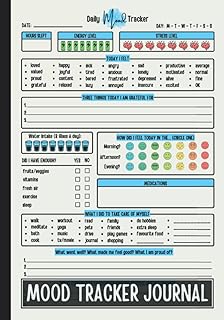



Teach stress management techniques like mindfulness, deep breathing, and journaling
Teenagers today face a barrage of stressors, from academic pressure to social media comparisons, often leaving them feeling overwhelmed and unequipped to cope. Teaching stress management techniques like mindfulness, deep breathing, and journaling can provide them with tangible tools to navigate these challenges. Mindfulness, for instance, involves focusing on the present moment without judgment, which has been shown to reduce anxiety and improve emotional regulation. A simple practice like a 5-minute body scan—where teens mentally check in with each part of their body—can ground them during moments of stress. Similarly, deep breathing exercises, such as the 4-7-8 technique (inhale for 4 seconds, hold for 7, exhale for 8), activate the parasympathetic nervous system, promoting calmness. These techniques are not only backed by research but are also accessible and can be practiced anywhere, making them ideal for busy teenage lives.
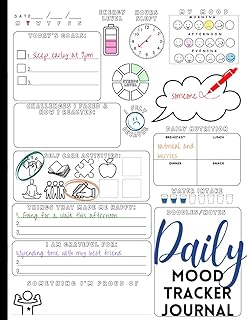
While mindfulness and deep breathing address immediate stress, journaling offers a long-term strategy for emotional processing. Encouraging teens to spend 10–15 minutes daily writing about their thoughts, feelings, or experiences can help them identify patterns and gain perspective. For example, a gratitude journal, where they list three things they’re thankful for each day, has been linked to improved mood and resilience. However, journaling should be flexible—some teens may prefer creative outlets like drawing or bullet-point lists over traditional writing. The key is consistency; even a few minutes a day can foster self-awareness and reduce the mental burden of unresolved emotions.
Implementing these techniques requires more than just instruction; it demands integration into daily routines. Schools and parents can play a pivotal role by modeling these practices and creating safe spaces for teens to explore them. For instance, starting class with a 2-minute mindfulness exercise or designating a quiet corner for journaling can normalize these habits. Caution should be taken, however, to avoid forcing these practices, as teens may resist if they feel pressured. Instead, frame them as tools they can choose to use when needed, emphasizing their autonomy in managing their mental health.
Comparing these techniques to other stress-relief methods highlights their unique advantages. Unlike screen time or passive activities, mindfulness, deep breathing, and journaling actively engage the mind and body, fostering a sense of control. They are also cost-effective and require no special equipment, making them accessible to all teens. While therapy and medication are crucial for severe cases, these techniques serve as preventive measures and complementary strategies, empowering teens to build resilience from a young age. By teaching them these skills, we equip them with a toolkit to face not just current stressors but future challenges as well.
Omega-3 Supplements: A Mental Health Boost or Myth?
You may want to see also
Explore related products


$9.79 $17.99


Foster healthy relationships and social connections to combat loneliness and isolation
Loneliness and isolation can silently erode a teenager’s mental health, often manifesting as anxiety, depression, or withdrawal. Healthy relationships and social connections act as a protective buffer, offering emotional support, a sense of belonging, and opportunities for growth. Research shows that adolescents with strong social ties report higher levels of happiness and resilience compared to their isolated peers. Yet, fostering these connections isn’t always intuitive—it requires intentional effort, both from teenagers themselves and the adults guiding them.
To begin, encourage teenagers to engage in group activities that align with their interests, whether it’s joining a sports team, participating in a book club, or volunteering. These structured environments provide natural opportunities for interaction without the pressure of forced socialization. For introverted teens, smaller, low-stakes settings like study groups or art classes can be more comfortable starting points. The key is consistency; regular participation builds familiarity and lays the groundwork for deeper connections. Pair this with open conversations about the value of relationships, emphasizing that quality matters more than quantity.
Adults play a critical role in modeling and facilitating these connections. Parents and caregivers should create a home environment that fosters open communication, where teenagers feel safe discussing their feelings and experiences. Schools can implement peer mentoring programs or social-emotional learning curricula to teach relationship skills explicitly. For example, a weekly 30-minute session focused on active listening or conflict resolution can equip teens with tools to navigate social dynamics effectively. Technology, often blamed for isolation, can also be harnessed positively—encourage teens to use social media platforms to connect with like-minded individuals or join online communities centered around shared passions.
However, it’s essential to balance digital interactions with face-to-face engagement. Excessive screen time can hinder the development of empathy and nonverbal communication skills, which are best honed through in-person interactions. Set boundaries, such as designating tech-free family dinners or encouraging offline meetups with online friends when possible. Additionally, be mindful of signs that a teenager’s social connections may be unhealthy, such as peer pressure, exclusion, or emotional manipulation. Teach them to recognize red flags and empower them to set boundaries or seek help when needed.
Ultimately, fostering healthy relationships and social connections is a proactive investment in a teenager’s mental well-being. It’s about creating a web of support that catches them when they fall and celebrates with them when they succeed. By combining structured opportunities, intentional skill-building, and mindful guidance, we can help teens combat loneliness and build a foundation for lifelong emotional resilience. The goal isn’t to eliminate solitude—which can be enriching—but to ensure no teenager feels isolated in their struggles.
Empowering Actions: Simple Ways to Make a Positive Impact Today
You may want to see also
Explore related products





Limit screen time and encourage offline hobbies for better mental balance
Excessive screen time has been linked to increased anxiety, depression, and sleep disturbances in teenagers, particularly when it interferes with face-to-face interactions and physical activity. A study published in *Preventive Medicine Reports* found that adolescents who spent more than two hours daily on screens were significantly more likely to report poor mental health outcomes. This correlation underscores the need for deliberate limits on digital engagement to protect adolescent well-being.
To implement effective screen time limits, start by establishing clear boundaries tailored to your teenager’s age and needs. For 13- to 18-year-olds, the American Academy of Child and Adolescent Psychiatry recommends capping recreational screen time at 1-2 hours per day, excluding schoolwork. Use built-in device settings or apps like *Screen Time* (iOS) or *Digital Wellbeing* (Android) to monitor usage and enforce limits. Pair these restrictions with designated tech-free zones, such as bedrooms or the dinner table, to create natural breaks from screens.
Encouraging offline hobbies is equally critical, as these activities foster creativity, self-esteem, and stress relief. Introduce teenagers to hobbies that align with their interests, such as painting, playing a musical instrument, gardening, or sports. For example, a 15-year-old who enjoys storytelling might benefit from joining a local writing group or starting a journal. Physical activities like hiking or yoga not only improve mental health but also counteract the sedentary nature of screen time.
However, abrupt changes can meet resistance. Involve your teenager in the process by discussing the benefits of reduced screen time and letting them choose which offline activities to explore. Offer incentives, such as earning extra free time for completing a hobby-related project, to motivate participation. Be mindful of modeling balanced behavior yourself; teenagers are more likely to adopt healthier habits when they see adults prioritizing offline activities.
The goal is not to eliminate screens entirely but to create a healthier balance that supports mental well-being. By limiting digital distractions and fostering engagement in tangible, fulfilling activities, teenagers can develop resilience, focus, and a deeper connection to the world around them. This approach not only mitigates the negative impacts of excessive screen time but also equips adolescents with lifelong skills for managing their mental health.
Supporting Your Friend: A Guide to Accessing Mental Health Assistance
You may want to see also
Frequently asked questions
Create a safe and non-judgmental environment where they feel comfortable expressing their feelings. Encourage open communication, maintain consistent routines, and show unconditional love and support. Limit screen time, promote physical activity, and ensure they get enough sleep.
Look for persistent changes in behavior, mood, or performance, such as withdrawal from social activities, irritability, declining grades, or changes in sleep or appetite. Other signs include frequent sadness, anxiety, or expressions of hopelessness. Trust your instincts and seek professional help if concerned.
Schools can provide a supportive environment by offering mental health education, access to counselors, and programs that promote resilience and stress management. Teachers and staff should be trained to recognize signs of mental health issues and connect students with appropriate resources.
Approach the topic with empathy and avoid making them feel pressured or ashamed. Explain that seeking help is a sign of strength and that professionals are there to support them. Offer to accompany them to appointments and emphasize that their well-being is a priority.