Caleb Wright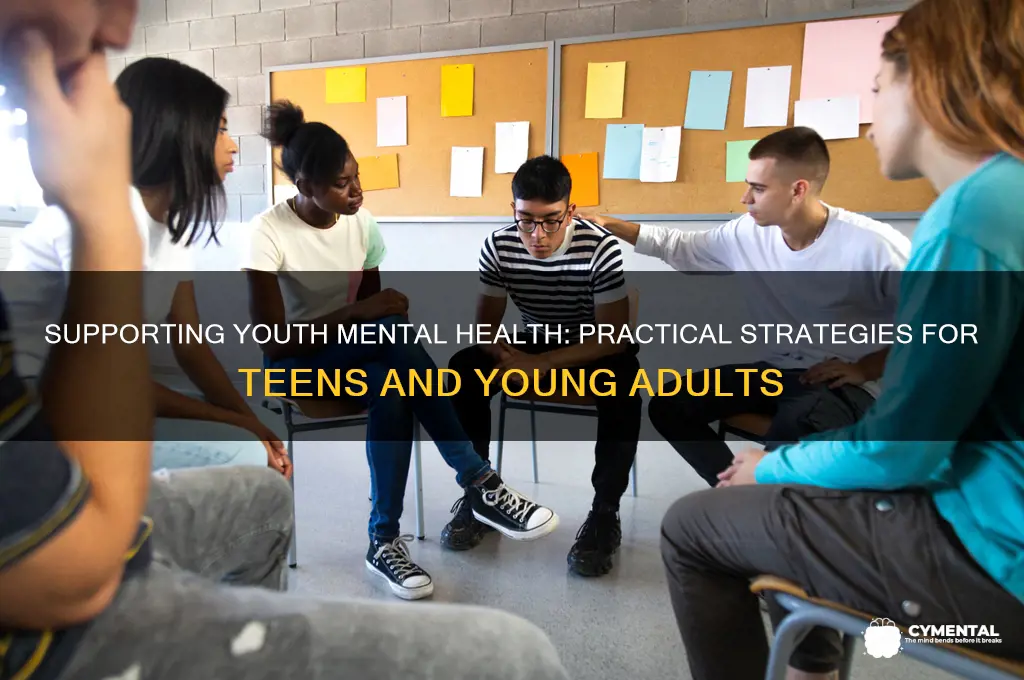
Supporting the mental health of young adults and teens is crucial in today’s fast-paced and often stressful world. With increasing academic pressures, social media influence, and societal expectations, many young people face unique challenges that can impact their emotional well-being. To effectively help them, it’s essential to create safe, non-judgmental spaces where they feel heard and understood. Encouraging open conversations about mental health, promoting self-care practices, and fostering resilience can empower them to navigate difficulties. Additionally, providing access to professional resources, such as counseling or therapy, and educating both young individuals and their support networks about mental health can make a significant difference. By addressing their needs with empathy and proactive strategies, we can help young adults and teens build a strong foundation for lifelong mental wellness.
| Characteristics | Values |
|---|---|
| Early Intervention | Identify signs early (e.g., mood changes, withdrawal) and provide timely support. |
| Open Communication | Encourage non-judgmental conversations about feelings and mental health struggles. |
| Access to Professional Help | Ensure availability of therapists, counselors, or mental health professionals. |
| Education and Awareness | Promote mental health literacy in schools and communities. |
| Safe and Supportive Environments | Create spaces where young adults feel accepted and understood. |
| Healthy Lifestyle Promotion | Encourage regular exercise, balanced diet, and adequate sleep. |
| Digital Well-being | Teach healthy screen time habits and mindful social media use. |
| Peer Support Programs | Facilitate group therapy or peer-led initiatives for shared experiences. |
| Family Involvement | Engage families in the support process to foster understanding and collaboration. |
| Crisis Resources | Provide access to hotlines, crisis centers, and emergency mental health services. |
| Stigma Reduction | Challenge stereotypes and normalize discussions around mental health. |
| Personalized Care | Tailor interventions to individual needs, considering cultural and personal backgrounds. |
| Skill-Building | Teach coping strategies, stress management, and emotional regulation techniques. |
| Community Engagement | Involve local organizations and initiatives to provide additional support networks. |
| Regular Check-Ins | Implement routine mental health screenings and follow-ups in schools or healthcare settings. |
| Empowerment and Autonomy | Encourage young adults to take ownership of their mental health journey. |
Explore related products

$6.53 $12.99



What You'll Learn
- Early Detection Signs: Teach families and schools to recognize subtle changes in behavior or mood
- Open Communication: Encourage safe, non-judgmental conversations about feelings and struggles
- Access to Resources: Provide easy access to therapy, hotlines, and mental health apps
- Healthy Coping Strategies: Promote mindfulness, exercise, and creative outlets for stress relief
- Community Support: Build peer groups and mentorship programs for connection and understanding

Early Detection Signs: Teach families and schools to recognize subtle changes in behavior or mood
Subtle shifts in behavior or mood often precede more severe mental health challenges in young adults and teens. These early signs—withdrawn social interactions, unexplained irritability, or changes in sleep patterns—are easy to dismiss as typical adolescent behavior. Yet, they can be critical indicators of underlying issues like anxiety, depression, or stress. Recognizing these changes requires a baseline understanding of the individual’s normal behavior, making it essential for families and schools to observe consistently and without judgment.
To effectively teach early detection, start by educating caregivers and educators on specific red flags. For instance, a teen who suddenly stops participating in favorite activities may be experiencing anhedonia, a symptom of depression. Similarly, frequent headaches or stomachaches without a medical cause could signal anxiety. Provide concrete examples and scenarios during training sessions, using age-appropriate language for parents and staff. For younger teens (12–14), focus on observable actions like changes in academic performance or increased secrecy. For older teens (16–19), emphasize shifts in communication style or sudden changes in friend groups.
Practical tools can enhance detection efforts. Encourage families to establish weekly check-ins, creating a safe space for open dialogue. Schools can implement peer support programs where students are trained to identify concerning behaviors in classmates. Digital resources, such as mood-tracking apps or mental health screening tools, can also aid in monitoring subtle changes. However, caution against over-reliance on technology; human observation remains irreplaceable.
A comparative approach highlights the importance of early detection. Consider two scenarios: In one, a teacher notices a student’s declining participation and alerts the counselor, leading to timely intervention. In another, a family dismisses a teen’s persistent sadness as “teenage moodiness,” delaying support until symptoms worsen. The contrast underscores the impact of proactive recognition. By fostering a culture of awareness, families and schools can act as the first line of defense, ensuring young people receive help before issues escalate.
Finally, emphasize the role of empathy in early detection. Avoid labeling behaviors as “problematic” or “abnormal”; instead, frame changes as signals of distress. Teach caregivers and educators to respond with curiosity rather than criticism, asking open-ended questions like, “I’ve noticed you seem less excited about soccer lately—is everything okay?” This approach builds trust and encourages young people to share their struggles. Early detection is not just about spotting signs—it’s about creating an environment where those signs can be acknowledged and addressed with care.
Daily Routines: Unlocking Mental Clarity and Emotional Stability
You may want to see also
Explore related products

$13.48 $15.97



Open Communication: Encourage safe, non-judgmental conversations about feelings and struggles
Young adults and teens often struggle to express their emotions, fearing judgment or misunderstanding. This silence can exacerbate mental health issues, turning minor concerns into major crises. Creating an environment where they feel safe to share their feelings is the first step in providing meaningful support. It’s not about forcing conversations but about signaling openness and acceptance in everyday interactions. For instance, instead of asking, “Are you okay?” try, “I’ve noticed you seem quieter lately. Is there something on your mind?” This subtle shift removes pressure and invites honesty.
To foster open communication, establish clear boundaries and norms. Let them know their feelings won’t be dismissed, ridiculed, or used against them. For example, if a teen shares they’re struggling with anxiety, avoid phrases like, “Just stop overthinking,” which invalidate their experience. Instead, respond with empathy: “That sounds really tough. How can I support you right now?” Consistency is key—ensure these conversations happen regularly, not just during moments of crisis. Consider setting aside 10–15 minutes weekly for a check-in, treating it as a non-negotiable part of your relationship.
Compare this approach to traditional methods of addressing mental health, which often rely on formal interventions or crisis management. While therapy and medication are vital, they’re reactive measures. Open communication, on the other hand, is preventive. It builds trust and resilience, equipping young people with the tools to articulate their struggles before they escalate. Think of it as emotional first aid—a skill they can carry into adulthood. For parents and caregivers, this means modeling vulnerability by sharing your own feelings (age-appropriately) to normalize emotional expression.
Practical tips can make this process more accessible. Start by creating safe physical spaces for conversations—perhaps during a car ride or while cooking together, activities that reduce eye contact and ease tension. Use open-ended questions like, “What’s been on your mind lately?” rather than yes/no queries. For teens aged 13–18, who often crave autonomy, frame these talks as collaborative problem-solving sessions, not lectures. Finally, leverage technology if face-to-face conversations feel daunting. A text like, “I’m here if you want to talk,” can open doors for digital natives who find in-person communication intimidating.
The takeaway is clear: open communication isn’t a one-time effort but a habit to cultivate. It requires patience, active listening, and a commitment to non-judgment. By making emotional expression a norm, you’re not just addressing current struggles—you’re teaching young adults and teens how to navigate their mental health for life. This approach doesn’t replace professional help but complements it, creating a supportive ecosystem where they feel seen, heard, and valued. Start small, stay consistent, and watch the transformative power of safe conversations unfold.
Seeking Mental Health Support: A Guide to Finding the Right Help
You may want to see also
Explore related products



Access to Resources: Provide easy access to therapy, hotlines, and mental health apps
Young adults and teens often face barriers to mental health care, from stigma to logistical hurdles. One of the most effective ways to dismantle these barriers is by ensuring easy access to therapy, hotlines, and mental health apps. These resources provide immediate support, long-term coping strategies, and a sense of connection during moments of crisis or uncertainty. By making them readily available, we can empower this demographic to take control of their mental well-being.
Consider the role of therapy: for many, it’s a lifeline. Yet, long waitlists, high costs, and lack of awareness about available services can deter young people from seeking help. Schools and communities can bridge this gap by partnering with mental health organizations to offer subsidized or free therapy sessions. For instance, programs like *Open Path Collective* provide low-cost therapy options, while platforms like *BetterHelp* or *Talkspace* offer online counseling tailored to younger age groups. Schools could also integrate mental health screenings during annual check-ups, ensuring early intervention for those at risk.
Hotlines serve as an immediate safety net for those in crisis. The *National Alliance on Mental Illness (NAMI)* helpline (1-800-950-NAMI) and the *Crisis Text Line* (text HOME to 741741) are examples of accessible, confidential resources. However, awareness is key. Schools and social media campaigns should actively promote these numbers, ensuring teens and young adults know where to turn in moments of distress. Additionally, training educators and peers to recognize signs of mental health struggles can encourage timely referrals to these services.
Mental health apps offer a modern, tech-driven approach to self-care. Apps like *Headspace* and *Calm* provide guided meditation and stress-reduction techniques, while *Moodpath* helps users track their emotional well-being. For those dealing with anxiety or depression, *Sanvello* offers cognitive-behavioral therapy tools. Schools and healthcare providers can curate lists of vetted apps, ensuring young people have access to evidence-based resources. Some apps even offer free versions or student discounts, making them more inclusive.
However, access alone isn’t enough. Education is critical. Young adults and teens need to understand how to use these resources effectively. Workshops on navigating therapy, recognizing when to call a hotline, or integrating apps into daily routines can maximize their impact. For example, a 15-minute session during health class could demonstrate how to use a mindfulness app or explain the difference between therapy and crisis hotlines.
In conclusion, providing easy access to therapy, hotlines, and mental health apps is a multifaceted strategy that requires collaboration between schools, healthcare providers, and technology platforms. By removing financial, logistical, and informational barriers, we can ensure that young adults and teens have the tools they need to thrive mentally. The goal isn’t just to offer resources—it’s to create a culture where seeking help is normalized, accessible, and effective.
Rehabilitation: A Powerful Tool for Mental Health Recovery and Wellness
You may want to see also
Explore related products


$9.79 $17.99


Healthy Coping Strategies: Promote mindfulness, exercise, and creative outlets for stress relief
Mindfulness isn’t just a buzzword—it’s a scientifically backed tool for rewiring the brain’s response to stress. Studies show that just 10 minutes of daily mindfulness practice can reduce cortisol levels, the hormone linked to stress, by up to 14%. For teens and young adults, whose brains are still developing, this practice can be particularly transformative. Start small: guide them to focus on their breath for one minute, gradually increasing to 5–10 minutes daily. Apps like Headspace or Calm offer age-appropriate meditations, but even a quiet corner and a timer can suffice. The key is consistency, not perfection.
Exercise isn’t just about physical health—it’s a powerful mood regulator. For teens and young adults, 30–60 minutes of moderate activity, like brisk walking, cycling, or dancing, can release endorphins that combat anxiety and depression. The trick is to make it enjoyable, not a chore. Encourage them to join a sports team, try yoga, or even dance to their favorite playlist. For those resistant to traditional workouts, frame it as a social activity—a hike with friends or a game of basketball. The goal is to embed movement into their routine without it feeling like a prescription.
Creative outlets—drawing, writing, music, or even cooking—offer a unique form of stress relief by channeling emotions into something tangible. For instance, journaling for 15–20 minutes daily can help clarify thoughts and reduce rumination. Encourage experimentation: provide access to art supplies, instruments, or a simple notebook. The process, not the product, is what matters. For tech-savvy teens, digital platforms like GarageBand or Canva can be modern creative tools. The key is to let them choose the medium that resonates, fostering a sense of autonomy and self-expression.
Combining these strategies creates a holistic approach to mental health. Mindfulness grounds the mind, exercise energizes the body, and creativity nourishes the soul. For example, a teen might start their day with a 10-minute meditation, take a 30-minute walk during lunch, and end with 20 minutes of sketching before bed. This structured yet flexible routine provides a sense of control in an often chaotic world. Parents, educators, and mentors can model these behaviors, showing that self-care isn’t selfish—it’s essential. By integrating these practices, young adults and teens can build resilience, one mindful breath, step, and stroke at a time.
Nurturing Connections: How Relationships Foster Mental Health and Well-Being
You may want to see also
Explore related products





Community Support: Build peer groups and mentorship programs for connection and understanding
Loneliness and isolation can exacerbate mental health struggles in young adults and teens, creating a vicious cycle of withdrawal and worsening symptoms. Building community support through peer groups and mentorship programs offers a powerful antidote by fostering connection, understanding, and a sense of belonging.
Consider the structure of these programs. Peer groups should ideally consist of 6-10 individuals within a similar age range (e.g., 13-15, 16-18, 19-22) facing comparable challenges, whether anxiety, depression, or simply navigating life transitions. Meetings, held weekly for 90 minutes, should be facilitated by a trained mental health professional or experienced peer leader. Activities might include guided discussions, mindfulness exercises, creative expression, or shared goal-setting, all aimed at building trust, empathy, and coping skills.
Mentorship programs pair young adults with trained mentors who have lived experience with mental health struggles and have successfully navigated similar challenges. These relationships, meeting bi-weekly for 60 minutes over a minimum of six months, provide personalized guidance, accountability, and a sense of hope. Mentors act as role models, offering practical advice on managing symptoms, accessing resources, and building resilience.
While these programs offer immense benefits, caution must be exercised. Screening mentors thoroughly for stability and training them in ethical boundaries is crucial. Peer groups require skilled facilitators to manage dynamics, prevent triggering conversations, and ensure inclusivity. Both models should be supplementary to professional treatment, not replacements.
Navigating Mental Health Crises: Essential Steps to Access Immediate Support
You may want to see also
Frequently asked questions
Parents and caregivers can support young adults and teens by actively listening without judgment, validating their feelings, and encouraging open communication. Educate yourself about mental health, maintain a supportive and non-blaming environment, and help them access professional resources like therapists or counselors.
Normalize conversations about mental health, share personal experiences if appropriate, and emphasize that seeking help is a sign of strength. Offer to accompany them to appointments, research local resources together, and remind them they are not alone in their struggles.
Schools and communities can implement mental health education programs, provide access to counselors or mental health professionals, and create safe spaces for students to express themselves. Promote awareness campaigns, reduce stigma, and foster a culture of empathy and support.
Encourage daily self-care practices like exercise, mindfulness, and adequate sleep. Help them set realistic goals, limit screen time, and engage in activities they enjoy. Teach stress management techniques, such as deep breathing or journaling, and remind them to reach out for help when needed.