Madison Cole
Helping your baby develop mentally is a crucial aspect of their overall growth and well-being. From birth, infants are constantly learning and absorbing information from their environment, making early childhood a critical period for cognitive development. Parents and caregivers can play a significant role in fostering their baby's mental growth by engaging in activities that stimulate their senses, encourage exploration, and promote problem-solving skills. By providing a nurturing and responsive environment, offering age-appropriate toys and books, and engaging in interactive play, you can help lay the foundation for your baby's future learning, language, and social-emotional development. Additionally, establishing consistent routines, responding sensitively to their needs, and modeling positive behaviors can further support their mental development and set them on a path toward reaching their full potential.
Explore related products


$9.14 $15.95


What You'll Learn
- Early Reading Habits: Read daily, use expressive voices, point to pictures, and ask simple questions
- Sensory Play Activities: Encourage touch, smell, and sound exploration with safe, varied materials
- Interactive Playtime: Engage in peek-a-boo, stacking blocks, and imitation games for cognitive growth
- Music and Rhyme: Sing songs, clap rhythms, and introduce instruments to boost language skills
- Outdoor Exploration: Take nature walks, point out objects, and discuss colors, shapes, and sounds

Early Reading Habits: Read daily, use expressive voices, point to pictures, and ask simple questions
Reading to your baby daily is one of the most effective ways to stimulate their mental development. Aim for at least 10–15 minutes each day, even if it’s broken into shorter sessions. Consistency matters more than duration, especially for infants whose attention spans are naturally brief. Start as early as the first few months of life, when their brains are most receptive to language and auditory input. Daily reading not only exposes them to new words and sounds but also fosters a routine that signals calm and connection, laying the foundation for future learning.
The way you read matters just as much as the act itself. Use expressive voices to bring stories to life, varying your tone, pitch, and pace to highlight characters, emotions, and key moments. This engages your baby’s auditory senses and helps them distinguish between different sounds, a critical skill for language acquisition. For example, deepen your voice for a bear’s growl or lighten it for a bird’s chirp. Exaggeration is your ally here—it captures their attention and makes the experience more interactive and memorable.
Pointing to pictures as you read transforms a passive activity into an interactive one. For babies aged 6–12 months, this simple action helps them connect spoken words with visual representations, strengthening their cognitive and linguistic pathways. Use your finger to trace the outline of objects or characters, and label them clearly. For instance, say, “Look, there’s a red apple!” while pointing to the fruit. This technique not only enhances vocabulary but also improves their focus and hand-eye coordination as they learn to follow your gestures.
Incorporating simple questions into your reading sessions encourages active engagement and critical thinking, even in very young babies. For infants under one year, ask open-ended questions like, “Where’s the dog?” or “What’s that sound?” and pause to give them time to respond, even if it’s just a babble or a smile. For toddlers, progress to more specific queries, such as, “What color is the ball?” or “What do you think happens next?” These interactions stimulate their problem-solving skills and teach them that stories are not just for listening but also for thinking and participating.
By combining daily reading, expressive voices, picture pointing, and simple questions, you create a rich, multi-sensory experience that accelerates your baby’s mental development. These habits not only nurture language and cognitive skills but also strengthen the emotional bond between you and your child. Start early, be consistent, and most importantly, enjoy the process—your enthusiasm will make the experience as rewarding for your baby as it is for you.
Supporting Inmate Mental Health: Strategies for Prison Reform and Recovery
You may want to see also
Explore related products


![[9491882163] [9789491882166] The Wonder Weeks: How to Stimulate Your Baby's Mental Development and Help Him Turn His 10 Predictable, Great, Fussy Phases into Magical Leaps Forward (5th Edition)-Paperback](https://m.media-amazon.com/images/I/415Fes8sX0L._AC_UY218_.jpg)


Sensory Play Activities: Encourage touch, smell, and sound exploration with safe, varied materials
Babies are born with an innate curiosity, and sensory play is a powerful way to nurture their mental development. By engaging their senses of touch, smell, and sound, you create a rich environment that stimulates brain growth and cognitive skills. This type of play isn't just about entertainment; it's about building neural connections that form the foundation for learning and understanding the world.
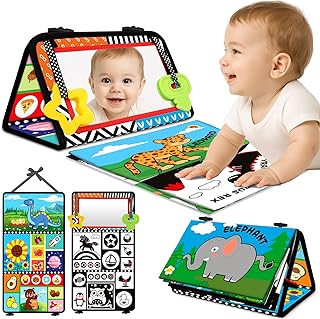
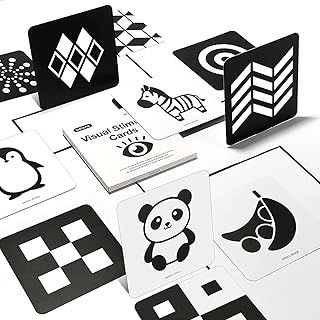
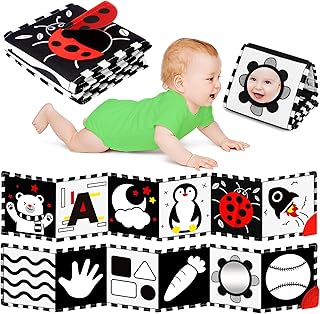
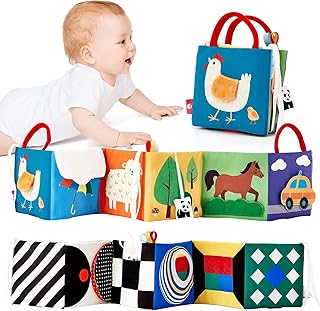
Sensory play activities are most effective when they are safe, varied, and tailored to your baby's developmental stage. For infants under six months, focus on high-contrast visuals, soft textures, and gentle sounds. A simple activity like placing a soft, crinkly fabric near your baby encourages them to reach and grasp, fostering motor skills and sensory exploration. As they grow, introduce more complex materials like textured balls, scented scarves, or rattles with different sounds to keep their curiosity piqued.
Analytical Perspective:
The science behind sensory play is rooted in brain plasticity, the ability of the brain to form and reorganize synaptic connections. When babies engage in sensory activities, their brains process new information, strengthening neural pathways. For instance, the smell of lavender can be calming, while the sound of a rattle stimulates auditory processing. By varying the sensory input, you ensure that multiple areas of the brain are activated, promoting holistic development.
Instructive Guide:
To set up sensory play activities, start with a safe, clean space. For touch exploration, use materials like silky scarves, bumpy sponges, or smooth wooden blocks. For smell, introduce safe, non-toxic items like fresh herbs (e.g., mint or rosemary) or scented playdough. For sound, incorporate instruments like shakers, bells, or a rain stick. Rotate materials weekly to keep the experience novel. Always supervise your baby during play and ensure all items are too large to pose a choking hazard.
Comparative Insight:
While structured toys have their place, everyday household items often provide more diverse sensory experiences. For example, a pot and wooden spoon offer both tactile and auditory stimulation, whereas a store-bought toy might only focus on one sense. By repurposing items like fabric scraps, rice, or dried beans, you create a cost-effective and environmentally friendly sensory toolkit. This approach also encourages creativity and resourcefulness in both you and your baby.
Descriptive Example:
Imagine a sensory bin filled with uncooked pasta in various shapes and sizes. As your baby scoops, pours, and feels the pasta, they’re not just playing—they’re refining their fine motor skills and learning about textures. Add a few drops of vanilla extract to the pasta for a subtle scent, and include a small bell buried within for an auditory surprise. This multi-sensory experience transforms a simple activity into a rich learning opportunity, engaging your baby’s mind in multiple ways.
Practical Tips:
For babies 6–12 months, aim for 10–15 minutes of sensory play per day, gradually increasing the duration as their attention span grows. Always follow your baby’s lead—if they seem overwhelmed or disinterested, pause and try again later. Incorporate sensory play into daily routines, such as bath time (with floating toys and scented bubbles) or mealtime (with textured utensils and edible finger foods). By making sensory exploration a natural part of their day, you’re not just helping them develop mentally—you’re fostering a lifelong love of learning.
Strategies to Foster Mental Resilience and Prevent Psychological Disorders
You may want to see also
Explore related products

$17.38 $17.95


Interactive Playtime: Engage in peek-a-boo, stacking blocks, and imitation games for cognitive growth
Babies are born with an innate curiosity, and interactive playtime is the perfect way to nurture their developing minds. Peek-a-boo, stacking blocks, and imitation games aren’t just fun—they’re powerful tools for cognitive growth. These activities stimulate neural connections, enhance problem-solving skills, and foster social-emotional development. By engaging in these simple yet impactful games, you’re laying the foundation for your baby’s future learning and adaptability.
Peek-a-boo, for instance, is more than just a giggle-inducing game. It teaches object permanence—the understanding that objects exist even when out of sight. Start playing this game around 4–6 months, when babies begin to grasp this concept. Cover your face with your hands or a cloth, then reveal yourself with a smile and an exaggerated "Peek-a-boo!" Repeat this 3–5 times in a session, keeping it short and engaging. The predictability of the game builds anticipation, while the surprise element strengthens memory and attention span.
Stacking blocks introduces babies to spatial awareness and cause-and-effect relationships. Begin with oversized, lightweight blocks around 9–12 months, when their fine motor skills are developing. Demonstrate stacking two blocks, then let them attempt it themselves. If they struggle, guide their hands gently. As they grow, introduce more blocks and challenge them to build taller towers. This activity not only sharpens hand-eye coordination but also encourages patience and problem-solving as they learn to balance the blocks.
Imitation games, such as clapping hands or making funny faces, are a cornerstone of social and cognitive development. Between 6–12 months, babies start mimicking actions as a way to understand the world. Sit face-to-face and exaggerate your movements—stick out your tongue, wave your arms, or make silly sounds. Encourage them to copy you, praising their efforts regardless of accuracy. These games foster communication skills, emotional connection, and self-awareness, as babies learn to recognize themselves as separate individuals.
The beauty of these activities lies in their simplicity and adaptability. They require no expensive toys or elaborate setups, just your time and enthusiasm. Aim for 10–15 minutes of interactive play daily, adjusting the complexity as your baby grows. Remember, the goal isn’t perfection but engagement. Laugh together, celebrate small victories, and let the process be as joyful for you as it is for them. Through these playful interactions, you’re not just entertaining your baby—you’re shaping their cognitive future.
Breaking the Cycle: Strategies to Support and Confront Your Mental Abuser
You may want to see also
Explore related products


Music and Rhyme: Sing songs, clap rhythms, and introduce instruments to boost language skills
Babies are born with an innate sensitivity to rhythm and melody, making music a powerful tool for mental development. Singing songs, clapping rhythms, and introducing instruments aren’t just fun activities—they’re scientifically proven to stimulate neural connections in areas of the brain responsible for language, memory, and cognitive processing. For instance, a study published in *Developmental Science* found that infants exposed to rhythmic patterns show enhanced auditory discrimination, a foundational skill for language acquisition. This early engagement with music lays the groundwork for more complex cognitive abilities later in life.
To maximize the benefits, start with simple, repetitive songs and rhymes tailored to your baby’s age. For newborns to 6-month-olds, focus on lullabies and gentle humming, which soothe and familiarize them with tonal patterns. By 6 to 12 months, incorporate clapping games like “Pat-a-Cake” or fingerplays such as “Itsy Bitsy Spider” to encourage imitation and motor coordination. Toddlers (12–24 months) can explore basic instruments like shakers, drums, or xylophones, fostering creativity and hand-eye coordination. Aim for 10–15 minutes of musical interaction daily, gradually increasing as their attention span grows.
While the benefits are clear, overstimulation is a risk. Avoid loud or complex music that might overwhelm your baby’s developing sensory system. Stick to soft, consistent rhythms and melodies, and observe their cues—if they seem fussy or distracted, pause and try again later. Additionally, resist the urge to turn music into a performance. The goal isn’t to create a mini Mozart but to nurture a love for sound and language in a relaxed, playful environment.
Comparing music and rhyme to other developmental activities highlights their unique advantages. Unlike screen time, which offers passive engagement, musical interaction is inherently active, requiring participation and response. Unlike solitary play, it fosters social bonding, as babies naturally tune into the rhythm and tone of your voice. This dual benefit—cognitive stimulation and emotional connection—makes music an unparalleled tool for early mental development.
Incorporating music into daily routines amplifies its impact. Sing during diaper changes, hum while feeding, or clap during tummy time to make these moments both functional and developmental. Over time, your baby will associate these activities with joy and security, strengthening their emotional and cognitive resilience. By weaving music and rhyme into the fabric of their early life, you’re not just teaching them songs—you’re building the neural pathways that will shape their future learning and communication.
Helping Others: A Powerful Path to Improved Mental Well-Being
You may want to see also
Explore related products



Outdoor Exploration: Take nature walks, point out objects, and discuss colors, shapes, and sounds
Babies are born with an innate curiosity about the world around them, and outdoor exploration can be a powerful tool to nurture this curiosity while fostering mental development. Nature walks, in particular, offer a sensory-rich environment that stimulates cognitive growth in infants as young as 6 months. The rustling of leaves, the chirping of birds, and the feel of grass under tiny fingers provide a multisensory experience that encourages neural connections. Unlike structured indoor activities, outdoor exploration allows for unstructured play, which is essential for developing problem-solving skills and creativity.
To maximize the benefits of nature walks, incorporate intentional interactions with your baby. Point out objects like flowers, trees, or clouds, and label them clearly. For instance, say, “Look at the yellow flower!” while gently guiding their gaze. This practice not only builds vocabulary but also enhances their ability to focus and categorize information. For babies aged 9–12 months, introduce simple shapes and colors by saying, “See the round rock? It’s gray!” Repetition is key; consistency in labeling helps reinforce learning. Pro tip: Carry a small bag with natural objects (e.g., leaves, pinecones) to revisit later, extending the learning experience.
While outdoor exploration is beneficial, it’s crucial to balance stimulation with comfort. Overwhelming a baby with too many sights or sounds can lead to sensory overload, especially for infants under 9 months. Start with short, 10–15 minute walks and gradually increase duration as your baby grows more engaged. Be mindful of weather conditions—avoid extreme heat or cold, and always dress your baby appropriately. Caution: Ensure the environment is safe, free from hazards like sharp objects or poisonous plants. A well-planned walk avoids stress and ensures a positive experience for both baby and caregiver.
Comparing outdoor exploration to indoor activities highlights its unique advantages. While toys and books are valuable, nature provides unpredictable elements that challenge a baby’s perception. For example, the sound of wind through trees or the texture of bark offers novel sensory input that static toys cannot replicate. Additionally, outdoor exploration encourages physical activity, such as crawling on grass or reaching for a dangling branch, which supports motor development alongside cognitive growth. This dual benefit makes it a superior choice for holistic mental stimulation.
In conclusion, outdoor exploration is a simple yet profound way to support your baby’s mental development. By engaging their senses, fostering language skills, and encouraging curiosity, nature walks lay the foundation for lifelong learning. Start small, stay consistent, and let the natural world become your baby’s first classroom. With a little planning and creativity, every walk can be an adventure that shapes their growing mind.
Mental Imagery: Accelerating Recovery and Performance for Injured Athletes
You may want to see also
Frequently asked questions
Engage in activities like talking, singing, and reading to your baby daily. Use contrasting colors and patterns, provide safe exploration opportunities, and respond to their cues to encourage brain growth.
Tummy time is crucial as it strengthens neck and shoulder muscles, promotes motor skills, and encourages visual exploration, all of which support cognitive development.
Yes, music stimulates auditory processing, improves focus, and fosters emotional expression. Singing, playing instruments, or listening to calming tunes can all benefit your baby’s brain.
Start reading to your baby from infancy. Even newborns benefit from hearing your voice, which helps develop language skills, attention, and bonding.
Social interactions teach babies about emotions, communication, and problem-solving. Playdates or sibling interactions can enhance their cognitive and social-emotional skills.