Harper Lewis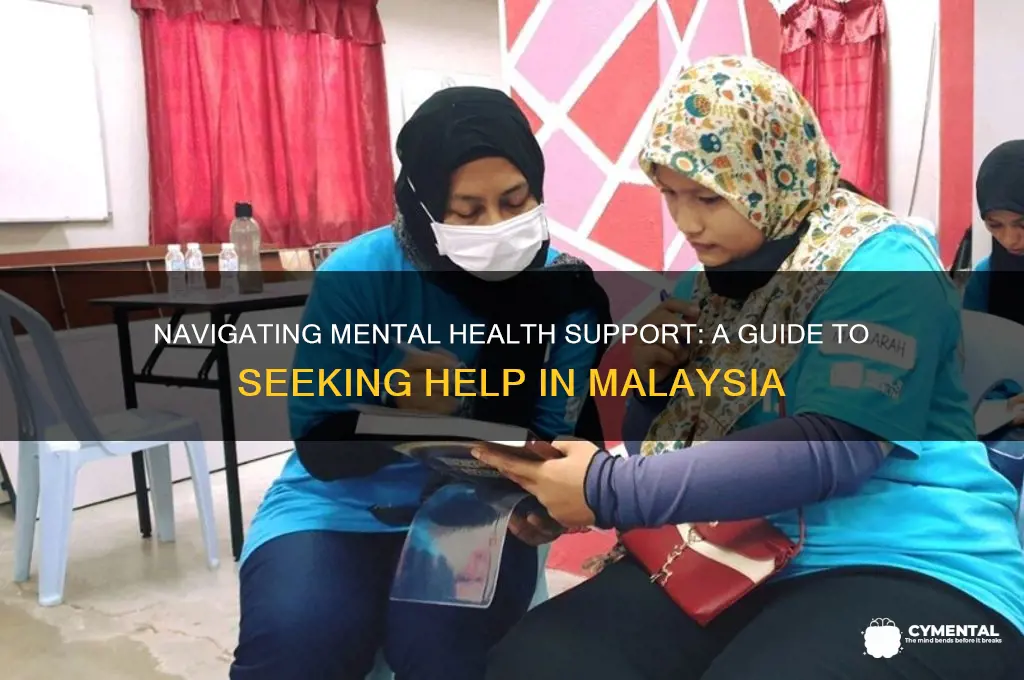
Seeking help for mental illness in Malaysia is becoming increasingly accessible, thanks to growing awareness and the availability of resources. The country offers a range of support options, including public healthcare facilities, private clinics, and non-governmental organizations (NGOs) dedicated to mental health. Individuals can start by consulting a general practitioner or visiting a government hospital’s psychiatric department, where services are often subsidized. Private mental health professionals, such as psychiatrists, psychologists, and counselors, provide additional avenues for personalized care, though costs may vary. Online platforms and helplines, like Befrienders Malaysia and the Mental Health Psychosocial Support (MHPSS) hotline, offer immediate assistance and guidance for those in crisis. Additionally, community-based initiatives and support groups foster a sense of belonging and understanding. It’s important to remember that reaching out for help is a sign of strength, and Malaysia’s mental health ecosystem is designed to provide compassionate and professional support to those in need.
Explore related products


What You'll Learn
- Identifying Symptoms: Recognize signs of mental illness early for timely intervention and effective treatment
- Finding Professionals: Locate psychiatrists, psychologists, or counselors through clinics, hospitals, or online platforms
- Government Resources: Utilize public mental health services, hotlines, and community health centers for support
- Private Healthcare Options: Explore private clinics, therapists, and specialized mental health facilities for personalized care
- Support Groups: Join peer support groups or NGOs like Befrienders for community-based assistance and understanding

Identifying Symptoms: Recognize signs of mental illness early for timely intervention and effective treatment
Early detection of mental health symptoms can be a game-changer, significantly improving treatment outcomes and overall well-being. In Malaysia, where mental health awareness is growing, recognizing these signs is the crucial first step towards seeking help. But what exactly should you be looking for?
Changes in Behavior and Mood: Imagine a friend who suddenly withdraws from social activities, a once vibrant colleague becoming increasingly irritable, or a family member experiencing persistent sadness. These shifts in behavior and mood could be red flags. Prolonged periods of low mood, excessive worry, or sudden outbursts of anger might indicate underlying mental health issues. For instance, a person with depression may exhibit a loss of interest in hobbies, while someone with anxiety disorders could display restlessness and fatigue.
Physical Manifestations: Mental health struggles often leave physical traces. Keep an eye out for noticeable changes in appetite and sleep patterns. Insomnia or oversleeping, coupled with significant weight loss or gain, can be indicative of conditions like depression or anxiety. Other physical symptoms may include frequent headaches, digestive issues, or even chronic pain, which can be the body's response to psychological distress.
Cognitive and Social Indicators: Mental illness can also affect one's thinking and social interactions. Difficulty concentrating, making decisions, or remembering things could be cognitive symptoms. A person might struggle with everyday tasks or seem disconnected from their surroundings. Socially, they may become isolated, preferring solitude over social engagements, or exhibit inappropriate behavior in public. For instance, a teenager with emerging schizophrenia might display a decline in academic performance and withdraw from friends, requiring early intervention.
Practical Steps for Recognition: Start by educating yourself and those around you about mental health. Familiarize yourself with the common symptoms of various mental illnesses, but remember, each person's experience is unique. Keep a journal to track any concerning changes in behavior, mood, or physical health over time. This documentation can be valuable when consulting a healthcare professional. Encourage open conversations about mental well-being, creating a safe space for individuals to share their feelings without fear of judgment.
In Malaysia, where cultural stigma might prevent people from seeking help, early recognition of these signs is vital. It empowers individuals to take control of their mental health journey, ensuring they receive the necessary support and treatment promptly. By being vigilant and proactive, you can play a pivotal role in fostering a healthier, more resilient community.
Urgent Care for Mental Health: Quick Support or Limited Solution?
You may want to see also
Explore related products


Finding Professionals: Locate psychiatrists, psychologists, or counselors through clinics, hospitals, or online platforms
In Malaysia, finding the right mental health professional begins with understanding the roles of psychiatrists, psychologists, and counselors. Psychiatrists are medical doctors who can diagnose, treat, and prescribe medication for mental health conditions. Psychologists focus on therapy and behavioral interventions, while counselors provide support and guidance for emotional and psychological issues. Knowing which professional aligns with your needs is the first step in your search.
Clinics and hospitals are traditional yet reliable avenues for locating mental health professionals. Government hospitals like Hospital Kuala Lumpur and Hospital Universiti Malaya offer psychiatric services, often at subsidized rates. Private hospitals and clinics, such as Gleneagles Kuala Lumpur and Prince Court Medical Centre, provide access to a wider range of specialists, though at a higher cost. To navigate these options, start by contacting the hospital’s mental health department or using their online appointment systems. Pro tip: Call ahead to inquire about wait times and whether the professional specializes in your specific concern, such as anxiety, depression, or trauma.
Online platforms have revolutionized the way Malaysians access mental health services, offering convenience and anonymity. Websites like DoctorOnCall and KlikDokter allow users to search for psychiatrists and psychologists based on location, expertise, and patient reviews. Apps such as Intellect and OSOM connect individuals with licensed counselors and therapists for virtual sessions. When using these platforms, ensure the professional is registered with the Malaysian Medical Council (for psychiatrists) or the Malaysian Psychological Association (for psychologists). Caution: Verify credentials and read reviews to avoid unqualified practitioners.
For those on a budget, community health centers and NGOs like Malaysian Mental Health Association (MMHA) and BEFRIENDERS offer affordable or free counseling services. These organizations often collaborate with trained volunteers and professionals to provide support for mild to moderate mental health issues. While they may not replace specialized care, they serve as a starting point for individuals hesitant to seek formal treatment. Practical tip: Check their websites for operating hours and availability, as some services are limited to specific days or times.
In conclusion, locating a mental health professional in Malaysia requires a mix of research, resourcefulness, and self-awareness. Whether through clinics, hospitals, or online platforms, the key is to prioritize your needs and comfort. Start with a clear understanding of your concerns, explore multiple avenues, and don’t hesitate to switch professionals if the fit isn’t right. Mental health is a journey, and finding the right guide is worth the effort.
Supporting Mental Health: Practical Ways to Help People Thrive Daily
You may want to see also
Explore related products


Government Resources: Utilize public mental health services, hotlines, and community health centers for support
Malaysia's public health system offers a robust network of resources for individuals grappling with mental health challenges. At the forefront are government-run mental health clinics, strategically located across the country. These clinics provide accessible and affordable psychiatric services, including consultations, medication management, and psychotherapy. For instance, the Hospital Bahagia Ulu Kinta in Perak and Hospital Permai in Johor are specialized psychiatric hospitals offering comprehensive care. To access these services, individuals can visit their nearest clinic or obtain a referral from a general practitioner. It’s essential to bring identification and any relevant medical records to streamline the process.
Hotlines serve as a critical lifeline for those in immediate need of emotional support or crisis intervention. The Ministry of Health’s Mental Health Psychosocial Support (MHPP) hotline, accessible at 03-2935 9935, operates daily from 9 AM to 5 PM, offering professional counseling in multiple languages. For 24/7 assistance, the Befrienders helpline at 03-7956 8145 provides confidential support for individuals experiencing distress, suicidal thoughts, or emotional turmoil. These hotlines are staffed by trained professionals who can offer guidance, coping strategies, and referrals to further resources. Keep these numbers saved in your phone or written down for quick access during emergencies.
Community health centers, known as Klinik Kesihatan, play a pivotal role in integrating mental health care into primary healthcare. These centers often have mental health nurses or counselors who conduct screenings, provide basic interventions, and refer patients to specialized care when needed. For example, the Klinik Kesihatan in urban areas like Kuala Lumpur or Penang may offer group therapy sessions or mental health awareness workshops. To utilize these services, simply walk in or call ahead to inquire about available programs. These centers are particularly beneficial for early intervention and reducing the stigma associated with seeking help.
While government resources are widely available, navigating them can sometimes feel overwhelming. A practical tip is to start with a visit to your nearest Klinik Kesihatan for an initial assessment. From there, healthcare providers can guide you to more specialized services if required. Additionally, combining hotline support with clinic visits can provide both immediate relief and long-term care. For instance, someone experiencing anxiety could call the MHPP hotline for coping strategies while concurrently scheduling an appointment at a mental health clinic for ongoing treatment. This dual approach maximizes the benefits of public resources.
In conclusion, Malaysia’s government-led mental health services offer a multifaceted support system that is both accessible and comprehensive. By leveraging clinics, hotlines, and community health centers, individuals can address their mental health needs at various stages—from crisis intervention to long-term management. The key lies in knowing where to turn and how to integrate these resources effectively. With persistence and the right guidance, these public services can be a cornerstone of recovery and well-being.
Cold Water Therapy: Boosting Mental Health and Reducing Stress Naturally
You may want to see also
Explore related products


Private Healthcare Options: Explore private clinics, therapists, and specialized mental health facilities for personalized care
Private healthcare in Malaysia offers a spectrum of mental health services tailored to individual needs, often with shorter wait times and greater confidentiality than public options. Clinics like Klinik Psikiatri Kuala Lumpur and The Mind Faculty provide psychiatric consultations, psychotherapy, and medication management, often in English or Mandarin, catering to diverse communities. Specialized facilities such as Promises Healthcare focus on addiction and dual diagnosis, while Solace Asia offers residential programs for severe cases. These options prioritize personalized care, with therapists often trained in specific modalities like Cognitive Behavioral Therapy (CBT) or Eye Movement Desensitization and Reprocessing (EMDR).
Choosing a private provider requires careful consideration of cost, as fees range from RM200 to RM600 per session, depending on the practitioner’s expertise and location. Insurance coverage varies, so verify with your provider whether mental health services are included. For instance, AIA and Great Eastern offer policies covering outpatient therapy, but exclusions may apply. Additionally, some clinics offer sliding-scale fees or package deals for long-term treatment, making care more accessible. Always request a detailed breakdown of costs to avoid unexpected expenses.
A key advantage of private care is the ability to select a therapist whose approach aligns with your needs. For example, Dr. Philip George at Mind Wellness specializes in trauma-informed care, while Dr. Adeline Ng at The Calm Space focuses on adolescent mental health. Online directories like DoctorOnCall or Tinder for Therapists (a local platform) allow you to filter by specialization, language, and location. Initial consultations often include a mental health assessment to tailor treatment plans, ensuring a collaborative approach.
Despite the benefits, private care is not without challenges. The lack of regulation in Malaysia means credentials can vary widely. Always verify a therapist’s qualifications through the Malaysian Medical Council or Malaysian Society of Clinical Psychology. Additionally, private facilities may not offer 24/7 crisis support, so have a backup plan, such as the Befrienders helpline (03-7956 8145), for emergencies. Combining private care with community resources can provide a holistic support system.
For those seeking specialized care, facilities like The Cabin Kuala Lumpur offer evidence-based programs for addiction, while The Mind Faculty integrates psychiatry with traditional healing practices. Such facilities often include multidisciplinary teams, including dietitians and occupational therapists, to address mental health holistically. While private care demands investment, its personalized approach can lead to more effective and sustainable recovery, particularly for complex or chronic conditions.
Decluttering for Mental Clarity: How a Tidy Space Boosts Well-Being
You may want to see also
Explore related products


Support Groups: Join peer support groups or NGOs like Befrienders for community-based assistance and understanding
In Malaysia, the journey toward mental wellness often begins with a simple yet powerful step: connecting with others who understand. Support groups and NGOs like Befrienders offer a sanctuary where individuals can share their experiences, fears, and triumphs without judgment. These community-based platforms are not just about talking; they’re about healing through collective empathy and practical advice. For instance, Befrienders Malaysia provides a 24-hour helpline and face-to-face sessions, ensuring accessibility for those in crisis. Joining such groups can be a lifeline, especially in a culture where mental health conversations are often stigmatized.
Consider the structure of these support groups: they typically operate in small, facilitated sessions where members can openly discuss their struggles. For example, peer support groups for anxiety or depression often use structured activities like mindfulness exercises or goal-setting discussions to foster resilience. NGOs like the Malaysian Mental Health Association (MMHA) also organize workshops and awareness campaigns, empowering participants with knowledge and skills to manage their conditions. These groups are particularly beneficial for those who feel isolated or misunderstood, as they provide a sense of belonging and shared purpose.
However, it’s essential to approach these groups with realistic expectations. While they offer emotional support, they are not a substitute for professional therapy or medication. For instance, someone with severe depression may still need a psychiatrist’s intervention alongside group participation. Practical tips include researching groups beforehand to ensure they align with your needs, attending consistently to build trust, and being open to both giving and receiving support. Age-specific groups, such as those for teenagers or seniors, can also provide more tailored assistance.
The persuasive case for joining support groups lies in their ability to humanize mental health struggles. Hearing others’ stories can normalize your own experiences, reducing feelings of shame or inadequacy. For example, a young adult battling anxiety might find solace in hearing how a peer managed to complete their studies despite similar challenges. This shared vulnerability often leads to actionable advice, such as coping mechanisms or recommendations for affordable therapists. NGOs like Befrienders also train volunteers to provide non-judgmental listening, ensuring a safe space for all participants.
In conclusion, support groups and NGOs in Malaysia serve as vital bridges between isolation and community, stigma and acceptance. They are not one-size-fits-all solutions but rather flexible resources that complement other forms of care. By joining these groups, individuals can gain practical tools, emotional support, and a renewed sense of hope. Whether you’re seeking immediate crisis assistance or long-term companionship, these community-based platforms offer a unique and powerful avenue for healing. Take the first step—reach out, and discover the strength that comes from standing together.
Legal Frameworks: Empowering Mental Health Support and Reducing Stigma
You may want to see also
Frequently asked questions
Malaysia offers various resources for mental health support, including government-run hospitals, private clinics, and non-profit organizations. The Ministry of Health (MOH) provides mental health services through public hospitals and clinics. Additionally, organizations like the Befrienders, Talian Kasih (15999), and the Malaysian Mental Health Association (MMHA) offer counseling, helplines, and community support.
You can find a qualified mental health professional by checking the Malaysian Psychiatric Association (MPA) directory or the Malaysian Psychological Association (MPA) website. Public hospitals and clinics also have psychiatrists and clinical psychologists. Private practitioners can be found through online platforms, recommendations from healthcare providers, or insurance networks.
Mental health services in Malaysia vary in cost, with public healthcare being more affordable than private options. Government hospitals and clinics offer subsidized rates for Malaysian citizens. Financial assistance may be available through NGOs, community programs, or employer-provided insurance plans. Some organizations also offer free counseling or reduced fees for low-income individuals.


![Help![Blu-ray]](https://m.media-amazon.com/images/I/6155cLsT0HL._AC_UY218_.jpg)


![Help! [LP]](https://m.media-amazon.com/images/I/71Lo3XMoSlL._AC_UY218_.jpg)