Caleb Wright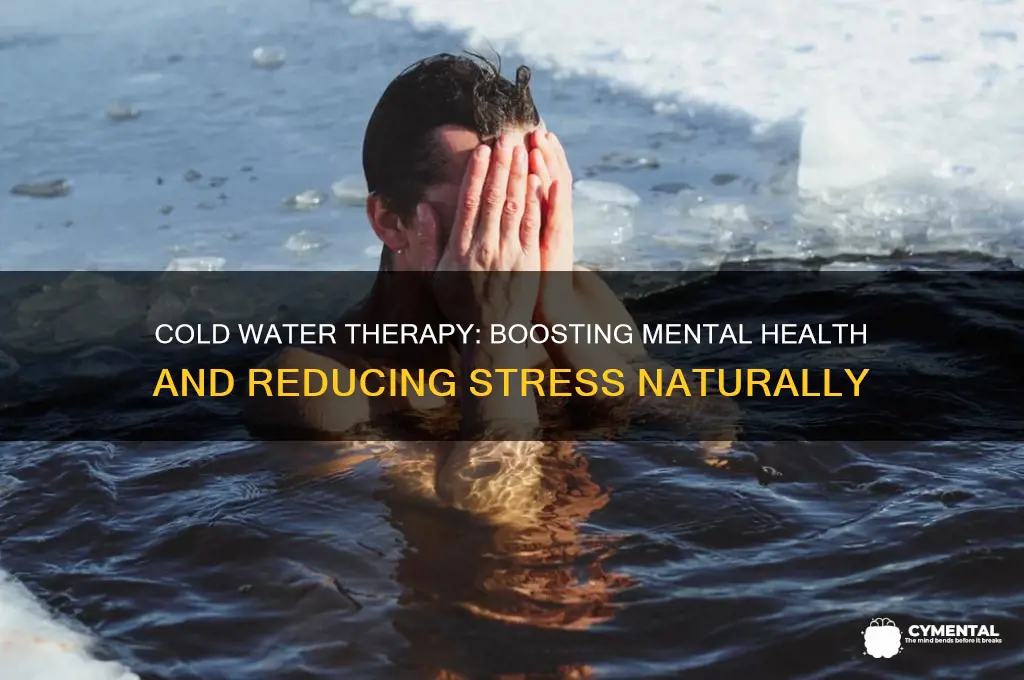
Cold water therapy, such as cold showers, ice baths, or open-water swimming, has gained attention for its potential benefits on mental health. Exposure to cold water triggers the release of endorphins, often referred to as feel-good hormones, which can reduce stress and improve mood. Additionally, the shock of cold water activates the vagus nerve, promoting a calming effect on the nervous system and reducing symptoms of anxiety and depression. The practice also encourages mindfulness, as individuals must focus on their breath and bodily sensations to endure the cold, fostering a sense of presence and resilience. Studies suggest that regular cold water exposure may increase norepinephrine levels, a neurotransmitter linked to improved focus and reduced symptoms of ADHD. Overall, cold water therapy offers a natural, accessible way to support mental well-being by combining physiological responses with psychological benefits.
Explore related products


What You'll Learn
- Reduced Stress: Cold water triggers endorphins, lowering stress hormones like cortisol, promoting relaxation
- Improved Mood: Cold exposure boosts dopamine and serotonin, enhancing mood and reducing anxiety
- Enhanced Focus: Cold therapy increases alertness and mental clarity by stimulating the brain
- Better Sleep: Lower body temperature from cold water aids in deeper, more restorative sleep
- Resilience Building: Regular cold exposure trains the mind to handle discomfort, boosting mental toughness

Reduced Stress: Cold water triggers endorphins, lowering stress hormones like cortisol, promoting relaxation
Cold water immersion acts as a natural stress reliever by triggering the release of endorphins, often referred to as "feel-good" hormones. When you expose your body to cold water, whether through a quick shower, a plunge in a cold pool, or a winter swim, your nervous system responds by activating the sympathetic response, which in turn stimulates the production of these chemicals. Endorphins are natural painkillers and mood elevators, and their release can lead to an immediate sense of well-being and reduced stress. This process is similar to the "runner's high" experienced after intense exercise, but it can be achieved in a matter of seconds with cold water exposure.
The science behind this is fascinating. When your skin comes into contact with cold water, the cold thermoreceptors send signals to the brain, prompting the release of norepinephrine, a neurotransmitter that plays a crucial role in the body's stress response. This surge in norepinephrine helps to counteract the effects of cortisol, the primary stress hormone. High levels of cortisol are associated with anxiety, depression, and other mental health issues. By reducing cortisol and increasing endorphins, cold water therapy can effectively break the cycle of chronic stress, offering a simple yet powerful tool for mental health management.
For those looking to incorporate cold water therapy into their routine, start small and gradually increase exposure. Begin with a 30-second cold shower at the end of your regular shower, focusing on deep breathing to manage the initial shock. Over time, you can extend the duration to 1-2 minutes. If you have access to a cold pool or natural body of water, aim for 2-3 minute immersions, 2-3 times per week. It’s important to listen to your body and avoid overexposure, especially if you have cardiovascular issues or are pregnant. Consistency is key, as regular practice can lead to sustained reductions in stress levels and improved overall mental resilience.
A comparative analysis of cold water therapy versus traditional stress-relief methods highlights its efficiency. While mindfulness, meditation, and exercise are proven strategies, they often require significant time and practice to yield noticeable results. Cold water therapy, on the other hand, provides almost instantaneous benefits. For instance, a study published in the *Medical Hypotheses* journal suggested that regular cold showers could lead to a 25% reduction in sick days, likely due to improved stress resilience and immune function. This makes it an attractive option for busy individuals seeking quick and effective ways to manage stress.
Incorporating cold water therapy into your routine doesn’t require elaborate setups or expensive equipment. It’s accessible, affordable, and can be tailored to fit various lifestyles. Whether you’re an athlete looking to enhance recovery, a professional seeking stress relief, or someone exploring natural mental health remedies, cold water offers a unique and scientifically-backed solution. By understanding the mechanism of endorphin release and cortisol reduction, you can harness its power to promote relaxation and mental clarity, one cold plunge at a time.
Violet Ray Therapy: A Potential Aid for Mental Health Disorders?
You may want to see also
Explore related products


Improved Mood: Cold exposure boosts dopamine and serotonin, enhancing mood and reducing anxiety
Cold water immersion triggers a cascade of physiological responses, one of which is the release of neurotransmitters like dopamine and serotonin. These chemicals, often referred to as the brain's "feel-good" messengers, play a pivotal role in regulating mood, pleasure, and anxiety. When you expose your body to cold water, whether through a quick dip in an icy lake or a refreshing cold shower, you're essentially giving your brain a natural boost of these mood-enhancing chemicals.
Imagine starting your day with a surge of energy and positivity. A study published in the *Medical Hypotheses* journal suggests that cold showers can increase dopamine levels by 250% and norepinephrine by 530%. These numbers are not just impressive; they're transformative. Dopamine, in particular, is associated with motivation, reward, and pleasure, making it a key player in combating feelings of lethargy and depression. By incorporating cold water exposure into your routine, you're not just waking up your body; you're awakening your mind to a more vibrant and optimistic state.
For those seeking practical ways to harness these benefits, consider the following: start with short bursts of cold water exposure, such as a 30-second cold shower at the end of your regular shower. Gradually increase the duration as your body adapts. For a more intense experience, try cold water swimming, but always ensure safety by acclimatizing slowly and never swimming alone. The key is consistency; regular exposure yields the most significant results. For instance, a 2018 study found that participants who took cold showers for 2-3 minutes, 1-2 times daily, reported reduced symptoms of depression and anxiety within a month.
The mechanism behind this mood enhancement is twofold. Firstly, the cold shock activates the sympathetic nervous system, leading to the release of dopamine and norepinephrine. Secondly, the subsequent warming-up process stimulates the parasympathetic nervous system, promoting serotonin production, which helps regulate mood and anxiety. This natural cycle of stress and recovery mimics the effects of certain therapeutic interventions, offering a simple yet powerful tool for mental well-being.
Incorporating cold water therapy into your routine doesn't require drastic changes. Start small, perhaps with a cold rinse after your morning shower, and observe the subtle shifts in your mood and energy levels. For those with more adventurous spirits, joining a local cold water swimming group can provide both physical and social benefits, further enhancing the positive impact on mental health. Remember, the goal is not to endure discomfort but to embrace a practice that can significantly improve your overall well-being.
Setting Goals: A Powerful Tool for Enhancing Mental Wellness
You may want to see also
Explore related products


Enhanced Focus: Cold therapy increases alertness and mental clarity by stimulating the brain
Cold water immersion, whether through a quick shower or a plunge into an icy lake, acts as a natural stimulant for the brain. When your body is exposed to cold temperatures, it triggers a surge of electrical impulses from the nerve endings to the brain, effectively jolting it into a heightened state of awareness. This physiological response is akin to hitting a reset button, clearing mental fog and sharpening focus almost instantly. For those seeking a quick and natural way to enhance concentration, a 2-minute cold shower in the morning can be a game-changer, particularly for individuals aged 18-65 who need a boost to start their day.
The science behind this phenomenon lies in the activation of the sympathetic nervous system and the release of norepinephrine, a neurotransmitter associated with attention and alertness. Studies have shown that cold exposure can increase norepinephrine levels by up to 500%, providing a significant cognitive edge. To maximize this effect, consider incorporating a routine of alternating between hot and cold water during showers, spending at least 30 seconds in cold water to stimulate the brain effectively. This method is especially beneficial for students, professionals, or anyone requiring sustained mental clarity throughout the day.
While the immediate effects of cold therapy on focus are well-documented, its long-term benefits are equally compelling. Regular cold exposure has been linked to improved mood and reduced symptoms of ADHD and brain fog, conditions often characterized by lapses in concentration. For optimal results, aim for 2-3 cold therapy sessions per week, each lasting 1-5 minutes, depending on your tolerance. It’s crucial to listen to your body and avoid overexposure, especially if you have cardiovascular concerns or are over 60, as extreme cold can strain the heart.
Practical implementation is key to reaping the focus-enhancing benefits of cold therapy. Start small—begin with a 10-second cold rinse at the end of your shower and gradually increase the duration. Pair this practice with deep breathing exercises to amplify its effects, as controlled breathing further enhances oxygen flow to the brain. For those with access to cold bodies of water, a weekly open-water swim can provide both physical and mental rejuvenation. Always prioritize safety, ensuring water temperatures are above 15°C (59°F) to minimize the risk of cold shock.
Incorporating cold therapy into your routine doesn’t require drastic changes or expensive equipment. A simple adjustment to your daily shower, combined with consistency, can yield profound improvements in mental clarity and focus. Whether you’re preparing for an important meeting, studying for exams, or simply aiming to stay sharp, the invigorating power of cold water offers a natural, accessible tool to elevate your cognitive performance. Embrace the chill, and watch your focus transform.
Weightlifting's Mental Benefits: Boosting Mood, Focus, and Resilience
You may want to see also
Explore related products

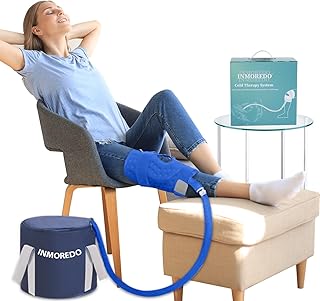


Better Sleep: Lower body temperature from cold water aids in deeper, more restorative sleep
Cold water immersion, whether through showers, baths, or swims, triggers a drop in core body temperature, a physiological shift that significantly influences sleep quality. This cooling effect aligns with the body's natural circadian rhythm, which prepares for sleep by lowering temperature. Research suggests that a decrease of about 1°C (1.8°F) in core temperature can enhance sleep onset and depth. For instance, a 10-minute cold shower (water temperature around 20°C or 68°F) before bedtime has been shown to accelerate the transition to REM sleep, the stage crucial for memory consolidation and emotional regulation.
To harness this benefit, timing is key. Engage in cold water exposure 60–90 minutes before bedtime to allow the body’s temperature to naturally drop further during sleep. For those new to cold therapy, start with shorter durations (1–2 minutes) and gradually increase to 5–10 minutes. Avoid extreme temperatures (below 15°C or 59°F) or prolonged exposure, as this can cause stress rather than relaxation. Pairing cold water therapy with other sleep hygiene practices, such as dimming lights and reducing screen time, amplifies its effectiveness.
Comparatively, hot baths or showers raise body temperature, which can delay sleep onset. Cold water, however, mimics the body’s natural cooling process, signaling to the brain that it’s time to wind down. This is particularly beneficial for individuals with insomnia or disrupted sleep patterns. A study published in the *Journal of Sleep Research* found that participants who incorporated cold water therapy into their evening routine reported falling asleep 20% faster and experiencing fewer nighttime awakenings.
Practically, cold water therapy doesn’t require elaborate setups. A simple cold shower, a dip in a cool bath, or even splashing cold water on the face can suffice. For outdoor enthusiasts, a brief swim in a natural body of water (ensuring safety and appropriate temperatures) offers both physical and mental benefits. However, individuals with cardiovascular conditions or Raynaud’s disease should consult a healthcare provider before starting cold water therapy, as sudden temperature changes can pose risks.
Incorporating cold water into your evening routine isn’t just a trend—it’s a science-backed strategy to improve sleep quality. By lowering body temperature, it facilitates deeper, more restorative sleep, which in turn bolsters mental resilience and emotional stability. Start small, stay consistent, and let the cooling power of water transform your nights and, by extension, your days.
Love's Healing Power: Can Emotional Support Ease Mental Illness?
You may want to see also
Explore related products
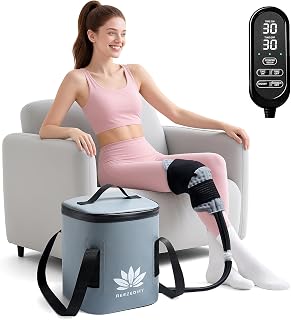


Resilience Building: Regular cold exposure trains the mind to handle discomfort, boosting mental toughness
Cold water immersion isn't just a shock to the system—it's a training ground for the mind. Regular exposure to cold, whether through showers, swims, or ice baths, forces the brain to confront and adapt to discomfort. This process, akin to mental weight-lifting, builds resilience by teaching the mind to tolerate stress and maintain focus under pressure. Think of it as a form of cognitive conditioning, where the initial resistance to cold becomes a metaphor for overcoming life’s challenges.
To harness this effect, start small. Begin with 30-second cold showers, gradually increasing duration by 10 seconds weekly. For those seeking deeper immersion, try open-water swimming in temperatures below 60°F (15°C) for 2–5 minutes, ensuring safety by having a companion nearby. Consistency is key—aim for 3–4 sessions per week. Over time, the body’s response shifts from panic to control, mirroring the mind’s growing ability to manage discomfort. This practice isn’t about enduring pain but about retraining the brain to respond calmly to adversity.
The science behind this is rooted in the body’s stress response. Cold exposure activates the sympathetic nervous system, triggering a fight-or-flight reaction. With repeated exposure, the parasympathetic system learns to counterbalance this response, fostering a sense of equilibrium. Studies show that individuals who practice cold therapy report lower stress levels and improved mood, likely due to increased noradrenaline and endorphin release. This biochemical shift not only enhances mental toughness but also equips the mind to handle external stressors more effectively.
However, caution is necessary. Cold exposure isn’t suitable for everyone, particularly those with cardiovascular conditions or Raynaud’s disease. Always consult a healthcare professional before starting. For beginners, focus on controlled environments like showers or monitored cold pools. Avoid extreme conditions, such as ice baths longer than 10 minutes, which can lead to hypothermia. The goal is gradual adaptation, not immediate extremes.
Incorporating cold exposure into a routine isn’t just about physical endurance—it’s a mental exercise in discipline and perseverance. Each session becomes a microcosm of resilience, where the mind learns to stay present, breathe deeply, and push through discomfort. Over time, this practice translates into real-world mental toughness, enabling individuals to face challenges with greater clarity and composure. It’s not just about surviving the cold—it’s about thriving in the face of it.
Supporting Mental Health: Effective Ways to Help Someone in Need
You may want to see also
Frequently asked questions
Cold water swimming triggers the release of endorphins, often referred to as "feel-good" hormones, which can reduce stress, anxiety, and symptoms of depression. It also activates the parasympathetic nervous system, promoting relaxation and mental clarity.
Yes, cold showers can help reduce anxiety by stimulating the vagus nerve, which is linked to mood regulation. The shock of cold water also encourages deep breathing, which calms the nervous system and reduces anxiety levels.
Cold water exposure increases the production of norepinephrine, a neurotransmitter that improves focus, alertness, and mood. It also enhances circulation, delivering more oxygen to the brain, which can boost energy and mental clarity.
Cold water therapy has been shown to reduce symptoms of depression by increasing the release of endorphins and neurotransmitters like serotonin. Regular exposure can also improve sleep quality, which is crucial for managing depression.
Yes, cold water immersion acts as a form of stress training, teaching the body and mind to adapt to discomfort. Over time, this can build mental resilience, improve stress tolerance, and enhance overall emotional well-being.