Madison Cole
Recognizing whether someone is experiencing mental health issues in the UK can be challenging, as symptoms often vary widely and may not always be immediately apparent. Common signs include persistent changes in mood, such as prolonged sadness or irritability, withdrawal from social activities, and noticeable shifts in behavior or personality. Physical symptoms like unexplained fatigue, changes in appetite or sleep patterns, and increased substance use can also indicate underlying mental health struggles. In the UK, cultural factors and societal stigma may lead individuals to hide their distress, making it crucial to approach the topic with sensitivity and empathy. If you suspect someone is struggling, encouraging open communication, offering support, and suggesting professional resources like NHS services or mental health charities can be invaluable steps toward helping them access the care they need.
Explore related products


What You'll Learn
- Recognising common symptoms (e.g., mood swings, withdrawal, changes in behaviour or appearance)
- Understanding UK-specific signs (cultural or societal factors influencing mental health expressions in the UK)
- Identifying severe conditions (signs of depression, anxiety, psychosis, or bipolar disorder in individuals)
- Observing workplace indicators (decreased productivity, absenteeism, or conflicts as potential mental health red flags)
- Knowing when to seek help (UK resources like NHS, GPs, or helplines for professional support)

Recognising common symptoms (e.g., mood swings, withdrawal, changes in behaviour or appearance)
Mood swings are often one of the first signs that someone may be struggling with their mental health. These fluctuations can manifest as sudden shifts from euphoria to deep sadness, irritability, or anger. For instance, a colleague who is usually calm and collected might start snapping at minor inconveniences or seem uncharacteristically elated without an apparent reason. While everyone experiences mood changes, the intensity, frequency, and unpredictability of these swings can be a red flag. Tracking patterns—such as whether these shifts align with specific triggers or occur cyclically—can provide valuable insight into whether professional support is needed.
Withdrawal from social activities or relationships is another common symptom to watch for. If someone who once enjoyed gatherings now consistently declines invitations, stops responding to messages, or seems emotionally distant, it could indicate underlying mental health issues. This behaviour often stems from feelings of overwhelm, low self-worth, or anxiety. It’s important to approach this sensitively; avoid pressuring the person to engage but let them know you’re available to listen without judgment. Small gestures, like sending a thoughtful message or offering to meet in a low-pressure setting, can help maintain connection without being intrusive.
Changes in behaviour or appearance can also signal distress. For example, a sudden lack of interest in personal hygiene, wearing the same clothes repeatedly, or neglecting responsibilities like work or household chores may reflect a decline in mental well-being. Similarly, behavioural changes such as increased aggression, impulsivity, or a noticeable drop in productivity could be cause for concern. These shifts often occur gradually, making them harder to identify, but documenting specific instances can help clarify whether they’re part of a larger trend. Offering practical assistance, like helping with a task or gently suggesting a self-care activity, can show support without being overbearing.
Recognising these symptoms requires attentiveness and empathy. It’s not about diagnosing but observing patterns and responding with compassion. If you notice persistent mood swings, withdrawal, or changes in behaviour or appearance, encourage the person to seek professional help, such as contacting their GP or a mental health helpline like Mind or Samaritans. Remember, your role is to be a supportive ally, not a therapist. By staying informed and proactive, you can help create a safe space for someone to acknowledge their struggles and take steps toward recovery.
Recognizing Mental Health Struggles: A Guide for College Students and Staff
You may want to see also
Explore related products




Understanding UK-specific signs (cultural or societal factors influencing mental health expressions in the UK)
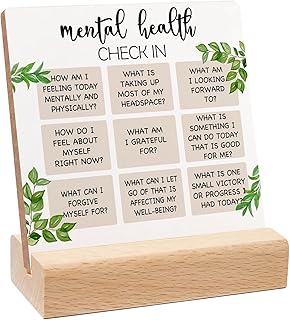
In the UK, cultural and societal norms often shape how mental health issues manifest, making it crucial to recognize signs that may differ from global trends. For instance, British people tend to underplay emotional distress, frequently using humor or self-deprecating remarks to mask deeper issues. A colleague joking about feeling "a bit rubbish" might actually be struggling with anxiety or depression. This tendency to trivialise feelings can delay intervention, so pay attention to persistent patterns rather than isolated comments.
Another UK-specific factor is the cultural emphasis on stoicism, particularly among older generations and men. Phrases like "stiff upper lip" or "soldiering on" reflect a societal expectation to endure hardship silently. If someone consistently avoids discussing their emotions or dismisses concerns with "I’m fine," this could indicate suppressed mental health struggles. Notice physical cues too—increased alcohol consumption, a common coping mechanism in the UK, often accompanies unaddressed emotional pain.
Socioeconomic factors also play a role, particularly in a country with a strong class system. Financial stress, housing instability, and job insecurity—exacerbated by recent economic challenges—can manifest as irritability, withdrawal, or physical symptoms like insomnia. For example, a young adult in precarious employment might exhibit signs of burnout but attribute it to "just working hard," reflecting both personal pride and societal pressure to succeed.
Finally, the UK’s multicultural landscape means mental health expressions vary across communities. In some ethnic groups, mental health issues may be stigmatised, leading individuals to express distress through somatic symptoms like headaches or fatigue rather than emotional language. Understanding these cultural nuances is essential for accurate recognition. For instance, a South Asian teenager might report frequent stomachaches rather than openly discussing feelings of isolation or pressure.
Practical tip: When assessing someone’s mental health in a UK context, look beyond verbal cues. Notice changes in behavior, such as altered social habits, increased reliance on substances, or physical complaints. Encourage open conversations by creating a non-judgmental space, and be mindful of cultural or generational differences that may influence how distress is communicated. Early recognition, tailored to these unique factors, can make a significant difference in supporting someone’s mental well-being.
Supporting Your Partner Through Mental Health Challenges: A Compassionate Guide
You may want to see also
Explore related products


Identifying severe conditions (signs of depression, anxiety, psychosis, or bipolar disorder in individuals)
Recognizing severe mental health conditions often begins with observing persistent changes in behavior, mood, or functioning. For instance, someone with depression might exhibit prolonged sadness, loss of interest in activities, or unexplained physical symptoms like fatigue. Anxiety disorders, on the other hand, may manifest as excessive worry, panic attacks, or avoidance behaviors. Psychosis can be identified through hallucinations, delusions, or disorganized speech, while bipolar disorder alternates between manic episodes (elevated mood, impulsivity) and depressive episodes (low energy, hopelessness). These signs are not fleeting; they typically last weeks or months and interfere significantly with daily life.
To identify these conditions effectively, focus on specific patterns rather than isolated incidents. For example, a person with anxiety might experience panic attacks triggered by specific situations, such as crowded spaces or social interactions. In bipolar disorder, manic phases can include rapid speech, decreased need for sleep, and reckless spending, while depressive phases mirror symptoms of major depression. Psychosis often involves a disconnect from reality, such as hearing voices or believing in unfounded conspiracies. Documenting these behaviors over time can help distinguish between typical stress and severe mental health issues.
Practical steps for observation include maintaining a non-judgmental attitude and encouraging open communication. Ask open-ended questions like, “How have you been feeling lately?” or “What’s been on your mind?” Avoid diagnosing or minimizing their experiences. If you notice severe symptoms, such as suicidal ideation (e.g., statements like “I wish I wasn’t here”) or self-harm, act immediately by contacting emergency services or mental health helplines like the Samaritans (116 123 in the UK). Early intervention is critical, especially in conditions like psychosis, where timely treatment can prevent long-term complications.
Comparing these conditions highlights their unique markers. While depression and anxiety share symptoms like fatigue and difficulty concentrating, anxiety is characterized by excessive fear or worry, whereas depression centers on persistent sadness and hopelessness. Bipolar disorder stands out due to its cyclical nature, with distinct manic and depressive episodes. Psychosis, often misunderstood, is not a disorder in itself but a symptom of conditions like schizophrenia or severe depression. Understanding these distinctions helps tailor support and seek appropriate professional help.
Finally, knowing when to seek professional help is crucial. If symptoms persist for more than two weeks, significantly impair daily functioning, or include suicidal thoughts, refer the individual to a GP or mental health specialist. In the UK, services like NHS Talking Therapies or charities like Mind offer resources and support. Remember, identifying severe mental health conditions is not about labeling but about offering compassion and guidance toward recovery. Your role is to observe, listen, and act—not to diagnose or fix.
Prevent Mental Health Issues: Practical Strategies for a Healthier Mind
You may want to see also
Explore related products





Observing workplace indicators (decreased productivity, absenteeism, or conflicts as potential mental health red flags)
In the UK, where one in four people experience a mental health problem each year, the workplace often becomes a mirror reflecting these struggles. Decreased productivity, for instance, isn’t always about laziness or lack of skill. An employee who consistently misses deadlines, struggles to concentrate, or delivers subpar work despite past competence may be grappling with anxiety, depression, or burnout. These conditions can sap energy, cloud judgment, and erode motivation, turning once-reliable performers into shadows of their former selves. Recognising this shift requires more than a cursory glance—it demands a nuanced understanding of the individual’s baseline performance and the context surrounding their decline.
Absenteeism, another red flag, often manifests as frequent sick days or unexplained absences. While physical illnesses are a common cause, mental health issues like severe anxiety or depression can make the thought of stepping into the office feel insurmountable. In the UK, where presenteeism (being present but unproductive) is equally concerning, absence patterns should be viewed through a lens of empathy rather than suspicion. For example, an employee who calls in sick every Monday or Friday might be avoiding social interactions due to anxiety, or they may be using those days to recover from weekend stress. Tracking these patterns and initiating a sensitive conversation can uncover underlying issues before they escalate.
Conflicts in the workplace, whether between colleagues or with management, can also signal mental health struggles. Irritability, defensiveness, or sudden outbursts may stem from heightened stress, unresolved trauma, or conditions like bipolar disorder. In the UK, where workplace culture often emphasises stoicism, such behaviours are frequently dismissed as "personality clashes" rather than cries for help. However, persistent conflicts disrupt team dynamics and can exacerbate the individual’s distress. Managers and HR professionals should be trained to de-escalate situations while identifying potential mental health triggers, ensuring support is offered rather than disciplinary action.
Addressing these indicators requires a proactive, compassionate approach. Start by fostering an environment where mental health is destigmatised, encouraging open conversations without fear of judgment. Implement regular check-ins, not just performance reviews, to gauge employees’ well-being. For example, a simple "How are you coping with your workload?" can open doors to deeper discussions. Additionally, signpost available resources, such as Employee Assistance Programmes (EAPs) or external services like Mind or Samaritans, ensuring staff know where to turn. Finally, lead by example—managers who model self-care and transparency about their own mental health struggles can inspire trust and encourage others to seek help.
While observing these workplace indicators is crucial, it’s equally important to avoid assumptions or overstepping boundaries. Not all productivity dips or absences are mental health-related, and misinterpreting behaviours can strain relationships. Instead, focus on creating a culture of support where employees feel safe to disclose their struggles. By doing so, employers not only protect their workforce’s mental health but also safeguard the organisation’s long-term productivity and cohesion. In the UK, where mental health awareness is growing, such proactive measures are not just ethical—they’re essential.
Breaking Stigma: Society's Complex Perception of Mental Health Struggles
You may want to see also
Explore related products




Knowing when to seek help (UK resources like NHS, GPs, or helplines for professional support)
Recognising the signs of mental health issues in yourself or others is only the first step. Knowing when and how to seek help is crucial for effective management and recovery. In the UK, a robust network of resources exists to provide professional support, but understanding when to access these services can be challenging. Here’s a structured approach to guide you.
Step 1: Identify Persistent Symptoms
Mental health issues often manifest through persistent changes in behaviour, mood, or functioning. If symptoms like prolonged sadness, anxiety, withdrawal from social activities, or difficulty concentrating last for two weeks or more, it’s time to consider professional help. For children and adolescents, look for sudden changes in school performance, irritability, or frequent physical complaints like headaches. The NHS recommends using its online mood self-assessment tool as a starting point, though it’s not a substitute for clinical advice.
Step 2: Access Primary Care
Your GP is often the first port of call for mental health concerns. They can provide an initial assessment, rule out physical causes, and refer you to specialist services if needed. Be specific about your symptoms and their impact on daily life. For instance, instead of saying, “I feel stressed,” explain, “I’ve been unable to sleep for three weeks, and it’s affecting my work.” GPs can also prescribe medication or recommend talking therapies like Cognitive Behavioural Therapy (CBT) via the Improving Access to Psychological Therapies (IAPT) programme.
Step 3: Utilise Helplines and Crisis Support
For immediate support or if you’re unsure about seeing a GP, helplines offer confidential advice. The Samaritans (116 123) provides 24/7 emotional support, while Mind’s Infoline (0300 123 3393) offers guidance on mental health conditions and local services. In a crisis, the NHS Urgent Mental Health Helpline is available in some areas, and you can call NHS 111 for advice on accessing emergency care. For children and young people, YoungMinds Crisis Messenger (text YM to 85258) provides support via text.
Cautions and Considerations
While seeking help is essential, be mindful of potential barriers. Stigma, long waiting times, and uncertainty about the process can deter people from accessing support. The NHS’s Right to an NHS Re-referral policy ensures you can ask for a second opinion if you’re unhappy with your initial assessment. Additionally, private therapy and online platforms like Kooth (for young people) or BetterHelp offer alternatives, though they may involve costs.
Early intervention significantly improves outcomes for mental health issues. By recognising persistent symptoms, engaging with GPs, and utilising helplines, you can navigate the UK’s support system effectively. Remember, seeking help is a sign of strength, not weakness, and professional resources are designed to support you every step of the way.
Silent Struggles: Mental Health Challenges in America's Shadow
You may want to see also
Frequently asked questions
Look for changes in behavior, mood, or personality. Common signs include persistent sadness, withdrawal from social activities, increased irritability, changes in sleep or appetite, and difficulty concentrating. If these symptoms last for more than two weeks and interfere with daily life, it may indicate a mental health issue.
Approach the person in a supportive and non-judgmental way. Express your concern and encourage them to seek help from a GP or mental health professional. You can also suggest contacting UK-based helplines like Mind, Samaritans, or NHS 111 for guidance and support.
Yes, the UK offers various resources, including NHS mental health services, charities like Mind and Rethink Mental Illness, and helplines such as Samaritans (116 123) and Shout (text SHOUT to 85258). Additionally, local community mental health teams and talking therapies (IAPT) are accessible through GP referrals.