Madison Cole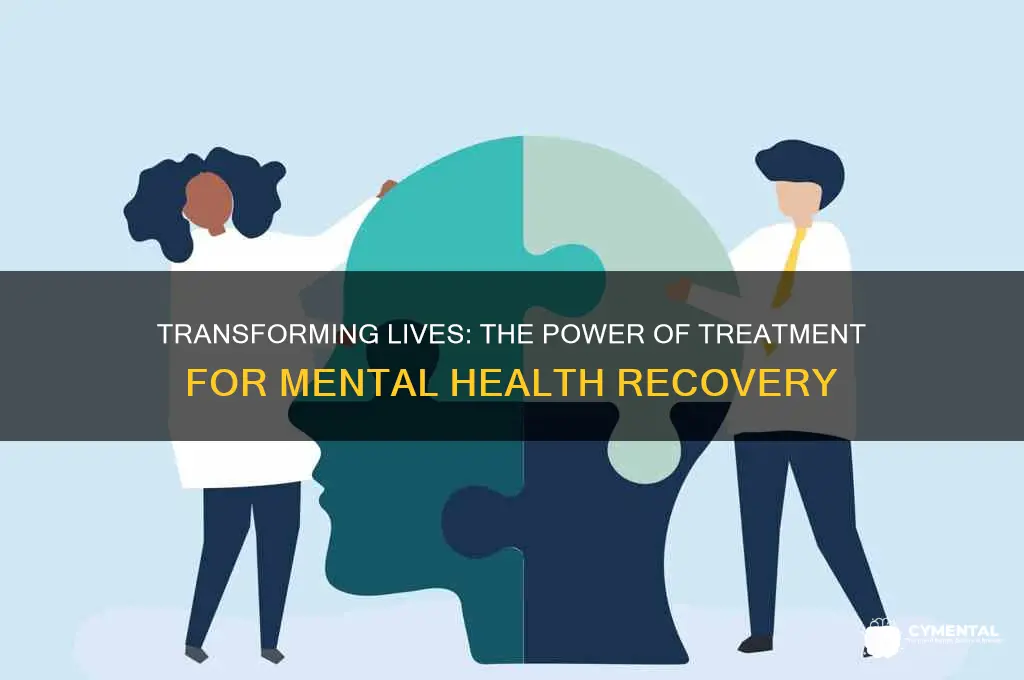
Treatment plays a pivotal role in improving the lives of mental health patients by providing them with the tools, strategies, and support needed to manage their conditions effectively. Through evidence-based therapies such as cognitive-behavioral therapy (CBT), medication, and holistic approaches like mindfulness and counseling, patients can address underlying issues, reduce symptoms, and enhance their overall well-being. Treatment not only alleviates distress but also fosters resilience, empowers individuals to regain control over their lives, and promotes long-term recovery. By addressing both emotional and psychological needs, mental health treatment helps patients build healthier relationships, improve functioning, and achieve a better quality of life.
Explore related products
$6.79 $14.99

$9.59 $16.99


What You'll Learn
- Therapy Types: CBT, DBT, and psychotherapy offer tailored strategies to manage symptoms effectively
- Medication Benefits: Antidepressants, mood stabilizers, and antipsychotics balance brain chemistry, reducing severe symptoms
- Support Systems: Group therapy and peer support foster connection, reducing isolation and stigma
- Skill Development: Treatment teaches coping mechanisms, emotional regulation, and problem-solving for daily life
- Holistic Approaches: Mindfulness, exercise, and nutrition complement therapy, promoting overall well-being and recovery

Therapy Types: CBT, DBT, and psychotherapy offer tailored strategies to manage symptoms effectively
Mental health treatment is not one-size-fits-all, and therapy types like Cognitive Behavioral Therapy (CBT), Dialectical Behavior Therapy (DBT), and psychotherapy offer tailored strategies to manage symptoms effectively. Each approach targets specific challenges, from distorted thought patterns to emotional dysregulation, providing patients with tools to navigate their conditions. For instance, CBT typically involves 12 to 20 sessions, focusing on identifying and restructuring negative thought patterns, while DBT incorporates mindfulness and distress tolerance skills over a structured 6-month program. Psychotherapy, broader in scope, explores underlying issues through open-ended conversations, often spanning months or years depending on the patient’s needs.
Consider CBT as a problem-solving toolkit for the mind. It’s particularly effective for anxiety, depression, and phobias, teaching patients to challenge and replace harmful thoughts with evidence-based reasoning. For example, someone with social anxiety might learn to reframe the belief “Everyone is judging me” to “Most people are focused on themselves.” Sessions often include homework, such as thought records or behavioral experiments, to reinforce skills outside of therapy. Research shows that 50–75% of patients experience significant improvement after completing CBT, making it a cornerstone of evidence-based care.
DBT, on the other hand, is designed for individuals with borderline personality disorder, chronic suicidality, or emotional instability. It combines CBT techniques with mindfulness practices, teaching patients to accept their emotions without judgment while actively working to change harmful behaviors. A typical DBT program includes weekly individual therapy, group skills training, and phone coaching for crises. For instance, a patient might use the “TIPP” skill (Temperature, Intense exercise, Paced breathing, Paired muscle relaxation) to de-escalate during a panic attack. This structured approach has been shown to reduce self-harm behaviors by up to 50% in high-risk populations.
Psychotherapy, often referred to as “talk therapy,” is more exploratory and less structured than CBT or DBT. It’s ideal for individuals seeking to understand deep-seated issues, such as trauma or relationship patterns. Unlike CBT’s focused agenda, psychotherapy sessions may involve free association, dream analysis, or narrative techniques. For example, a patient struggling with recurring conflicts in relationships might uncover childhood attachment patterns influencing their behavior. While progress can be slower, psychotherapy fosters profound self-awareness and long-term emotional growth, making it a valuable option for complex or chronic conditions.
Choosing the right therapy type depends on the patient’s specific needs, symptoms, and goals. CBT is best for those seeking quick, actionable strategies to manage acute symptoms, while DBT offers a lifeline for individuals with severe emotional dysregulation. Psychotherapy suits those ready to delve into deeper psychological layers. Regardless of the approach, consistency is key—attending sessions regularly and practicing skills outside of therapy maximizes effectiveness. By offering tailored strategies, these therapies empower patients to reclaim control over their mental health, transforming challenges into opportunities for growth.
Quick Access to Mental Health Support: Fast, Effective, and Reliable Ways
You may want to see also
Explore related products



Medication Benefits: Antidepressants, mood stabilizers, and antipsychotics balance brain chemistry, reducing severe symptoms
Medications like antidepressants, mood stabilizers, and antipsychotics act as chemical regulators in the brain, correcting imbalances that underlie severe mental health symptoms. For instance, selective serotonin reuptake inhibitors (SSRIs), a common class of antidepressants, increase serotonin levels by preventing its reabsorption, which can alleviate symptoms of depression and anxiety. Similarly, mood stabilizers such as lithium modulate neurotransmitter activity to prevent the extreme highs and lows of bipolar disorder. Antipsychotics, like olanzapine, block dopamine receptors to reduce hallucinations and delusions in schizophrenia. These medications don’t just mask symptoms—they restore equilibrium to neural pathways, enabling patients to function more effectively in daily life.
Consider the case of a 32-year-old diagnosed with major depressive disorder. After starting fluoxetine (an SSRI) at 20 mg daily, they report improved mood, better sleep, and increased energy within 4–6 weeks. This example illustrates how targeted medication can transform a patient’s quality of life by addressing the root cause of their distress. However, dosage and medication type must be tailored to the individual. For instance, older adults may require lower doses due to metabolic differences, while adolescents might respond better to alternative treatments like cognitive-behavioral therapy combined with medication. Always consult a psychiatrist to determine the safest and most effective regimen.
Critics often argue that psychiatric medications come with unacceptable side effects, but this perspective overlooks the severity of untreated mental illness. For example, antipsychotics may cause weight gain or drowsiness, yet they prevent the debilitating psychosis that can lead to hospitalization or self-harm. Mood stabilizers like valproate require regular blood tests to monitor liver function, but they avert the destructive manic episodes that can ruin relationships and careers. When weighed against the risks of untreated symptoms, these medications often provide a net benefit, especially when paired with lifestyle adjustments such as diet, exercise, and therapy.
A comparative analysis reveals that medication is most effective when integrated into a comprehensive treatment plan. Antidepressants alone may not resolve complex conditions like treatment-resistant depression, but when combined with transcranial magnetic stimulation (TMS) or psychotherapy, remission rates increase significantly. Similarly, mood stabilizers work best when patients also adopt stress-management techniques, such as mindfulness or journaling, to reduce relapse triggers. This synergistic approach underscores the role of medication as a foundation, not a standalone solution, in mental health recovery.
Practical tips for maximizing medication benefits include adhering strictly to prescribed dosages and schedules, as skipping doses can disrupt brain chemistry and trigger withdrawal symptoms. Keep a symptom journal to track progress and side effects, sharing this data with your provider to fine-tune treatment. Avoid alcohol and recreational drugs, which can interfere with medication efficacy. Finally, be patient—most psychiatric medications take 4–8 weeks to reach full effect. With consistent use and open communication with a healthcare provider, these medications can be life-changing tools in the battle against severe mental health disorders.
Seaweed's Surprising Role in Supporting Mental Health and Wellness
You may want to see also
Explore related products


Support Systems: Group therapy and peer support foster connection, reducing isolation and stigma
Human connection is a cornerstone of mental health recovery. Group therapy and peer support programs leverage this by creating safe spaces where individuals facing similar struggles can share experiences, learn coping strategies, and build a sense of belonging. Unlike individual therapy, which focuses on personal insights, group settings offer a unique blend of validation, accountability, and collective wisdom.
Group therapy, typically led by a trained therapist, provides a structured environment for 6-12 individuals to meet regularly. Sessions often involve sharing personal challenges, practicing communication skills, and receiving feedback from both the therapist and peers. For example, a study published in the *Journal of Clinical Psychology* found that group therapy for depression significantly reduced symptoms in 70% of participants, with the sense of community cited as a key factor in their improvement.
Peer support programs, on the other hand, are often less formal and more accessible. These programs connect individuals with lived experience of mental health challenges to offer guidance, empathy, and practical advice. For instance, organizations like the National Alliance on Mental Illness (NAMI) offer peer-led support groups where participants can discuss their struggles without fear of judgment. A 2020 survey by NAMI revealed that 85% of attendees reported feeling less alone after attending just three sessions.
The power of these support systems lies in their ability to combat stigma. When individuals see others openly discussing their mental health, it normalizes the conversation and reduces feelings of shame. This normalization can encourage participants to seek further help, adhere to treatment plans, and develop healthier coping mechanisms. For example, a young adult struggling with anxiety might learn mindfulness techniques from a peer in group therapy, while an older adult battling depression could find solace in sharing their story with someone who’s walked a similar path.
To maximize the benefits of group therapy and peer support, consider these practical tips: choose a group that aligns with your specific needs (e.g., anxiety, grief, addiction), commit to attending regularly to build trust, and be open to both giving and receiving support. Remember, vulnerability is a strength in these settings, and every voice contributes to the collective healing process. By fostering connection, these support systems not only alleviate isolation but also empower individuals to reclaim their mental well-being.
Supporting Mentally Ill Homeless Relatives: Compassionate Strategies for Family Care
You may want to see also
Explore related products


Skill Development: Treatment teaches coping mechanisms, emotional regulation, and problem-solving for daily life
Mental health treatment isn't just about managing symptoms; it's about equipping individuals with the tools to navigate life's challenges. A core component of this is skill development, specifically in coping mechanisms, emotional regulation, and problem-solving. These skills aren't innate; they're learned and refined through structured interventions like cognitive-behavioral therapy (CBT), dialectical behavior therapy (DBT), and mindfulness-based practices. For instance, CBT often involves identifying and challenging negative thought patterns, a skill that can be practiced in sessions and applied to real-life situations, such as managing workplace stress or interpersonal conflicts.
Consider emotional regulation, a skill often deficient in individuals with conditions like borderline personality disorder or anxiety. DBT, for example, teaches techniques like the "TIPP" skill (Temperature, Intense exercise, Paced breathing, Paired muscle relaxation) to quickly de-escalate emotional crises. These aren’t abstract concepts but actionable steps. For a 25-year-old experiencing a panic attack, paced breathing—inhaling for 4 seconds, holding for 4, exhaling for 6—can be a lifeline. Over time, repeated practice of such techniques rewires neural pathways, making emotional regulation more automatic.
Problem-solving, another critical skill, is often overlooked in mental health discussions. Therapies like problem-solving therapy (PST) break down complex issues into manageable steps. For a teenager struggling with school deadlines, PST might involve listing the problem, brainstorming solutions, evaluating pros and cons, and implementing the best option. This structured approach not only addresses immediate issues but also builds confidence in tackling future challenges. Research shows that PST can reduce symptoms of depression and anxiety by up to 50% in adolescents, highlighting its practical impact.
However, skill development isn’t without challenges. Consistency is key, yet many patients struggle with homework assignments or practicing techniques outside sessions. Therapists often recommend starting small—like dedicating 5 minutes daily to mindfulness—and gradually increasing the duration. Apps like Headspace or Calm can supplement in-person therapy, offering guided exercises for emotional regulation and stress reduction. For children, gamifying skills through activities like emotion-labeling games can make learning more engaging.
Ultimately, skill development in treatment transforms passive coping into active resilience. It shifts the focus from merely surviving to thriving, empowering individuals to face life’s unpredictability with confidence. Whether it’s a 40-year-old learning to set boundaries or a teenager mastering time management, these skills are the building blocks of long-term mental health. As one therapist aptly puts it, “Therapy doesn’t change the past, but it gives you tools to rewrite the future.”
Exercise and Mental Health: Boosting Mood, Reducing Stress, and Enhancing Well-being
You may want to see also
Explore related products
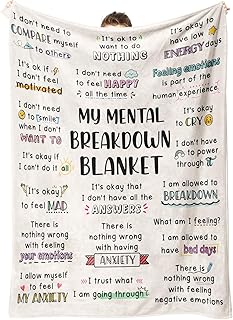


Holistic Approaches: Mindfulness, exercise, and nutrition complement therapy, promoting overall well-being and recovery
Mental health treatment is most effective when it addresses the whole person, not just the symptoms of their condition. Holistic approaches, such as mindfulness, exercise, and nutrition, play a pivotal role in complementing traditional therapy by fostering physical, emotional, and mental well-being. These practices work synergistically to create a foundation for recovery, empowering individuals to manage their mental health proactively.
Consider mindfulness, a practice rooted in present-moment awareness. Studies show that just 10 minutes of daily mindfulness meditation can reduce symptoms of anxiety and depression by up to 30%. Techniques like deep breathing, body scans, or guided visualizations help patients cultivate self-awareness and emotional regulation. For instance, a 40-year-old with generalized anxiety disorder might use a 5-minute breathing exercise (inhale for 4 seconds, hold for 4, exhale for 6) during moments of stress to ground themselves. Over time, this practice rewires the brain’s response to stressors, reducing the frequency and intensity of anxiety episodes.
Exercise is another cornerstone of holistic mental health care. Physical activity stimulates the release of endorphins, serotonin, and dopamine, which are natural mood lifters. Research indicates that 30 minutes of moderate-intensity exercise, such as brisk walking or cycling, three to five times a week, can alleviate symptoms of depression as effectively as medication for some individuals. For adolescents, incorporating team sports or yoga can also improve social skills and self-esteem. However, it’s crucial to tailor exercise routines to individual capabilities and preferences—over-exertion can lead to burnout, defeating the purpose of this restorative practice.
Nutrition, often overlooked in mental health treatment, is equally transformative. The gut-brain axis highlights how diet influences mental health. For example, a diet rich in omega-3 fatty acids (found in salmon, walnuts, and flaxseeds), antioxidants (berries, spinach), and probiotics (yogurt, kefir) can reduce inflammation and support neurotransmitter function. A 25-year-old with bipolar disorder might work with a nutritionist to incorporate these foods into their meals, while limiting processed sugars and caffeine, which can exacerbate mood swings. Small, consistent changes—like swapping sugary snacks for nuts or adding a daily probiotic—can yield significant improvements in mental clarity and stability.
When integrated into a comprehensive treatment plan, mindfulness, exercise, and nutrition amplify the benefits of therapy and medication. They provide patients with tangible tools to manage their mental health daily, fostering a sense of agency and resilience. For example, a 60-year-old recovering from major depressive disorder might combine cognitive-behavioral therapy sessions with a morning walk, a mindful journaling practice, and a Mediterranean-style diet. This multi-faceted approach not only addresses the symptoms of depression but also strengthens the body’s ability to heal and thrive.
Incorporating holistic practices requires patience and personalization. Start small—a 5-minute meditation, a 10-minute walk, or one dietary change per week. Track progress using a journal or app to identify what works best. Remember, these approaches are not replacements for professional treatment but powerful complements that enhance overall well-being. By nurturing the mind, body, and spirit, patients can achieve a more sustainable and fulfilling recovery.
Reflexology and Mental Health: Unlocking Natural Stress Relief and Wellness
You may want to see also
Frequently asked questions
Treatment helps by addressing underlying causes, teaching coping strategies, and providing tools to manage symptoms, leading to improved emotional and psychological well-being.
For many, therapy alone is effective, especially when combined with lifestyle changes. However, some cases may require medication or additional interventions for comprehensive care.
The timeline varies depending on the individual and condition, but many people notice improvements within a few weeks to months of consistent treatment.
Treatment often includes a holistic approach, involving family or support systems when appropriate, to create a supportive environment for recovery.