Ava Ramirez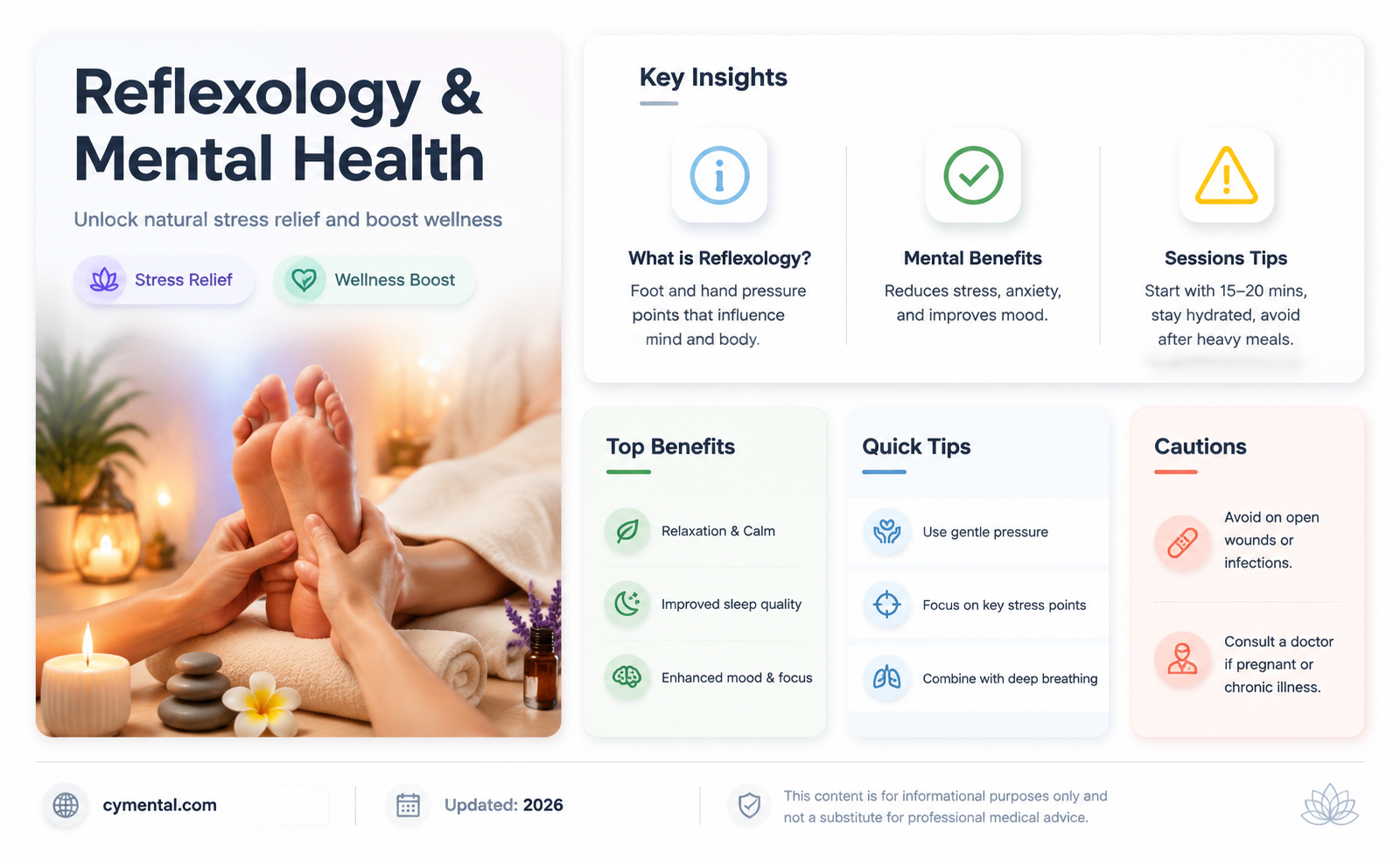
Reflexology, an ancient practice rooted in the belief that specific points on the feet, hands, and ears correspond to different parts of the body, has gained attention for its potential benefits in supporting mental health. By applying targeted pressure to these reflex points, practitioners aim to reduce stress, alleviate anxiety, and promote relaxation, which are critical components of mental well-being. While scientific research on reflexology’s direct impact on mental health is still evolving, many individuals report improvements in mood, reduced symptoms of depression, and enhanced overall emotional balance after sessions. As a complementary therapy, reflexology is increasingly being explored as a holistic approach to managing mental health challenges, offering a non-invasive and soothing method to support the mind-body connection.
| Characteristics | Values |
|---|---|
| Stress Reduction | Reflexology may help reduce stress by promoting relaxation and reducing cortisol levels. Studies suggest it can lower anxiety and improve mood. |
| Anxiety Relief | Some research indicates reflexology can alleviate symptoms of anxiety disorders, possibly by stimulating the parasympathetic nervous system. |
| Improved Sleep | Reflexology is often associated with better sleep quality, which is crucial for mental health. |
| Mood Enhancement | By targeting specific reflex points, reflexology may help balance hormones and neurotransmitters linked to mood regulation. |
| Pain Management | Reducing physical pain through reflexology can indirectly improve mental well-being by decreasing stress and discomfort. |
| Complementary Therapy | Reflexology is often used alongside conventional treatments for mental health conditions, not as a standalone cure. |
| Limited Scientific Evidence | While anecdotal evidence is strong, large-scale, peer-reviewed studies are still needed to conclusively prove its efficacy for mental health. |
| Safety and Accessibility | Generally considered safe, reflexology is accessible and non-invasive, making it a popular choice for those seeking holistic mental health support. |
| Individual Variability | Effects may vary depending on the individual, the practitioner's skill, and the specific mental health condition being addressed. |
| Mechanism of Action | Proposed mechanisms include improved blood circulation, lymphatic drainage, and stimulation of nerve endings, though more research is needed. |
Explore related products


What You'll Learn

Stress Reduction Techniques
Stress manifests physically, often as tension in the feet—a fact reflexology leverages to promote relaxation. By applying targeted pressure to specific reflex points, practitioners aim to stimulate the nervous system, encouraging a shift from the stress-dominated "fight or flight" response to the calming "rest and digest" state. This technique, rooted in the belief that the feet mirror the body’s anatomy, offers a non-invasive approach to stress reduction. Studies suggest that even a 30-minute session can lower cortisol levels, the hormone associated with stress, making reflexology a practical tool for those seeking immediate relief.
Consider this step-by-step approach to incorporating reflexology into your stress management routine: Begin by sitting comfortably and warming the feet with gentle rotations. Use your thumb or fingers to apply firm, consistent pressure to the solar plexus reflex point (located in the center of the foot) for 5–7 seconds, releasing slowly. Repeat this process on the adrenal gland reflex points (just below the smallest toe) to help regulate stress hormones. For self-practice, tools like a golf ball or textured foot roller can be used to massage these areas. Aim for 10–15 minutes daily, especially during peak stress times, to maximize benefits.
While reflexology’s effectiveness varies by individual, its appeal lies in its simplicity and accessibility. Unlike medication or intensive therapies, reflexology requires no special equipment beyond your hands or basic tools. It’s particularly beneficial for those who find traditional stress-relief methods, like meditation or exercise, challenging to maintain. However, it’s not a standalone cure for chronic stress—pair it with lifestyle changes such as improved sleep hygiene and mindfulness practices for comprehensive results. Pregnant individuals or those with foot injuries should consult a healthcare provider before starting.
A comparative analysis highlights reflexology’s unique position among stress reduction techniques. Unlike mindfulness apps or yoga, which demand active engagement, reflexology can be passive, allowing the mind to rest while the body receives treatment. Its focus on the feet also distinguishes it from acupuncture or massage, offering a localized yet holistic approach. While scientific evidence is still growing, anecdotal reports and small-scale studies consistently point to its ability to induce relaxation and improve mood. For those seeking a tactile, grounding practice to counter stress, reflexology provides a compelling option.
Acupuncture and Mental Health: A Natural Path to Wellness?
You may want to see also
Explore related products


$14.84 $22.99


Anxiety Relief Through Pressure Points
Reflexology, an ancient practice rooted in the principle that specific points on the hands, feet, and ears correspond to different body parts, has gained attention for its potential to alleviate anxiety. By applying targeted pressure to these points, practitioners aim to restore balance and promote relaxation. For instance, the point on the center of the chest, known as the "Heart 7" in traditional Chinese medicine, is believed to calm the mind and ease emotional tension. While scientific research is still evolving, anecdotal evidence and preliminary studies suggest that stimulating these pressure points can reduce symptoms of anxiety by lowering cortisol levels and improving circulation.
To harness the anxiety-relieving benefits of reflexology, start by locating key pressure points. The "Great Surge" point, found on the foot just before the webbing between the second and third toes, is a prime target. Gently press and hold this area for 30–60 seconds, repeating several times daily. Another effective point is the "Inner Frontier Gate," located on the wrist crease, three finger-widths from the palm. Applying circular pressure here for 1–2 minutes can help soothe nervousness. For best results, combine these techniques with deep breathing exercises to enhance relaxation.
While reflexology is generally safe, it’s essential to approach it with caution, especially for individuals with certain conditions. Pregnant women should avoid specific pressure points that may stimulate contractions, such as the "Spleen 6" point on the inner ankle. Those with diabetes or neuropathy should consult a healthcare provider before attempting reflexology, as reduced sensation can make it difficult to gauge pressure. Additionally, reflexology should complement, not replace, professional mental health treatment. It’s a tool to manage symptoms, not a cure for anxiety disorders.
The appeal of reflexology lies in its simplicity and accessibility. Unlike medication or therapy, it requires no special equipment and can be practiced anywhere, making it an attractive option for those seeking immediate relief. However, consistency is key—regular sessions yield better results than sporadic attempts. Incorporating reflexology into a daily routine, such as before bed or during a work break, can maximize its calming effects. As with any holistic practice, individual experiences vary, but many find it a valuable addition to their mental health toolkit.
ChatGPT and Mental Health: A Supportive Tool or Limited Aid?
You may want to see also
Explore related products

$14.79 $19.95




Improving Sleep Quality Naturally
Sleep quality is a cornerstone of mental health, yet many overlook the natural, non-invasive methods that can significantly enhance rest. Reflexology, an ancient practice rooted in applying pressure to specific points on the feet, hands, and ears, has gained attention for its potential to improve sleep. By stimulating these reflex points, practitioners aim to restore balance in the body, reduce stress, and promote relaxation—all critical factors for achieving deeper, more restorative sleep.
Consider the mechanics: reflexology targets the nervous system, encouraging a shift from the sympathetic ("fight or flight") mode to the parasympathetic ("rest and digest") state. This transition is essential for calming the mind and preparing the body for sleep. For instance, applying gentle pressure to the reflex points corresponding to the head and sinuses can alleviate tension headaches, a common barrier to falling asleep. Similarly, working on the solar plexus reflex point may reduce anxiety, allowing for a more peaceful transition into slumber.
To incorporate reflexology into your bedtime routine, start with a simple 10–15 minute session 1–2 hours before sleep. Focus on the inner curve of the foot, where reflex points for the spine and nervous system are located. Use your thumb to apply firm, circular pressure, moving slowly to avoid discomfort. For enhanced relaxation, combine reflexology with aromatherapy by using lavender or chamomile essential oils, known for their sedative properties. Avoid vigorous techniques close to bedtime, as overstimulation may have the opposite effect.
While reflexology is generally safe for all ages, caution is advised for individuals with diabetes, open wounds, or severe foot conditions. Pregnant individuals should consult a qualified reflexologist to avoid points that could induce contractions. The key is consistency; regular sessions, even as brief as 5 minutes nightly, can yield cumulative benefits. Pair reflexology with other natural sleep aids, such as maintaining a cool room temperature (60–67°F) and limiting screen time an hour before bed, for optimal results.
In a world where sleep disorders are increasingly prevalent, reflexology offers a holistic, accessible approach to improving sleep quality. Its ability to address both physical and emotional stressors makes it a valuable tool in the mental health toolkit. By integrating this practice into your routine, you may find not only better sleep but also a greater sense of overall well-being.
Medication's Role in Stabilizing Mental Health and Medical Conditions
You may want to see also
Explore related products


Boosting Mood and Relaxation
Reflexology, an ancient practice rooted in the principle of stimulating specific points on the feet, hands, and ears, has gained attention for its potential to enhance mental well-being. By targeting these reflex points, practitioners aim to restore balance and promote relaxation, which can significantly impact mood and stress levels. Research suggests that reflexology may reduce cortisol, the stress hormone, while increasing serotonin and dopamine, neurotransmitters linked to happiness and relaxation. This biochemical shift underscores its potential as a complementary therapy for mental health.
To harness reflexology for mood enhancement, consider a structured approach. Begin with a 30-minute session, focusing on the solar plexus reflex point on the foot, known for its connection to stress relief. Apply gentle, circular pressure for 5–10 seconds, repeating 3–5 times. Pair this with deep breathing exercises to amplify relaxation. For sustained benefits, aim for 2–3 sessions weekly, adjusting frequency based on individual response. Consistency is key, as cumulative effects often yield the most noticeable improvements in mood and relaxation.
While reflexology is generally safe, it’s essential to approach it mindfully. Avoid applying excessive pressure, especially if you have conditions like diabetes or neuropathy, where sensitivity may be heightened. Pregnant individuals should consult a healthcare provider before starting, as certain points may stimulate contractions. Additionally, reflexology should complement, not replace, professional mental health treatments. Always communicate with a qualified reflexologist to tailor sessions to your specific needs and ensure safety.
Comparatively, reflexology stands out as a non-invasive, accessible tool for mental wellness. Unlike pharmaceutical interventions, it carries no risk of side effects and can be practiced at home with minimal training. For instance, a simple technique involves massaging the big toe, linked to the brain and head reflexes, for 2–3 minutes daily to alleviate tension. This ease of use makes it an appealing option for those seeking natural ways to boost mood and relaxation, particularly in conjunction with other self-care practices like meditation or exercise.
Incorporating reflexology into a holistic mental health routine can yield profound results. Imagine ending a stressful day with a 10-minute foot massage, focusing on the inner edge of the foot to calm the spine reflex, or starting the morning by stimulating the tips of the toes to energize the mind. These small, intentional practices can create a ripple effect, fostering a sense of calm and positivity. By understanding and utilizing reflexology’s targeted approach, individuals can take proactive steps toward improving their mental well-being in a gentle, yet impactful way.
Music's Power: Boosting Middle Schoolers' Mental Health and Well-Being
You may want to see also
Explore related products


Complementary Therapy for Depression Symptoms
Depression affects over 280 million people globally, and while traditional treatments like medication and psychotherapy remain cornerstone, complementary therapies are gaining traction. Reflexology, an ancient practice involving targeted pressure on specific points in the feet, hands, or ears, is one such therapy being explored for its potential to alleviate depression symptoms. Research suggests that reflexology may stimulate nerve endings, improve blood flow, and reduce stress hormones, all of which can contribute to a more balanced mental state. For instance, a 2017 study published in the *Journal of Complementary Therapies in Clinical Practice* found that reflexology significantly reduced depression scores in patients undergoing hemodialysis, highlighting its potential as an adjunctive treatment.
To incorporate reflexology into a depression management plan, start with a qualified reflexologist who understands mental health concerns. Sessions typically last 45–60 minutes, with a focus on areas like the big toe (linked to the brain and head) and the solar plexus point on the foot (associated with stress relief). For self-care, gentle foot massages using a tennis ball or reflexology roller can be practiced daily for 10–15 minutes. Pairing reflexology with deep breathing exercises amplifies its calming effects. While it’s not a standalone cure, reflexology can complement traditional treatments by reducing symptoms like fatigue, anxiety, and sleep disturbances, which often accompany depression.
Critics argue that reflexology’s benefits for depression may stem from placebo effects or the relaxation inherent in any hands-on therapy. However, its non-invasiveness and minimal side effects make it a low-risk option worth considering. For those hesitant to try medication or seeking additional support, reflexology offers a holistic approach that addresses both physical and emotional well-being. It’s particularly appealing for individuals who respond well to tactile therapies or prefer natural, drug-free interventions.
When integrating reflexology into a depression treatment plan, consistency is key. Aim for weekly sessions initially, then taper to bi-weekly or monthly as symptoms improve. Combine it with lifestyle changes like regular exercise, a balanced diet, and mindfulness practices for optimal results. Always consult a healthcare provider before starting any complementary therapy, especially if you’re taking medications or have underlying health conditions. Reflexology isn’t a magic bullet, but for many, it’s a valuable tool in the multifaceted approach to managing depression.
Music as Therapy: How Curating Playlists Boosts Mental Well-Being
You may want to see also
Frequently asked questions
Yes, reflexology is believed to help reduce stress and anxiety by promoting relaxation, improving circulation, and balancing the body’s energy flow. It targets specific reflex points on the feet, hands, or ears that correspond to different body systems, including those related to stress response.
While reflexology is not a substitute for professional mental health treatment, it may complement therapy by enhancing relaxation, improving mood, and reducing physical tension. Some individuals report feeling calmer and more balanced after sessions, which can indirectly support mental well-being.
The frequency of reflexology sessions depends on individual needs and goals. For mental health support, weekly sessions are common, but some may benefit from bi-weekly or monthly treatments. Consistency is key to experiencing potential benefits. Always consult with a qualified reflexologist or healthcare provider for personalized advice.