Ava Ramirez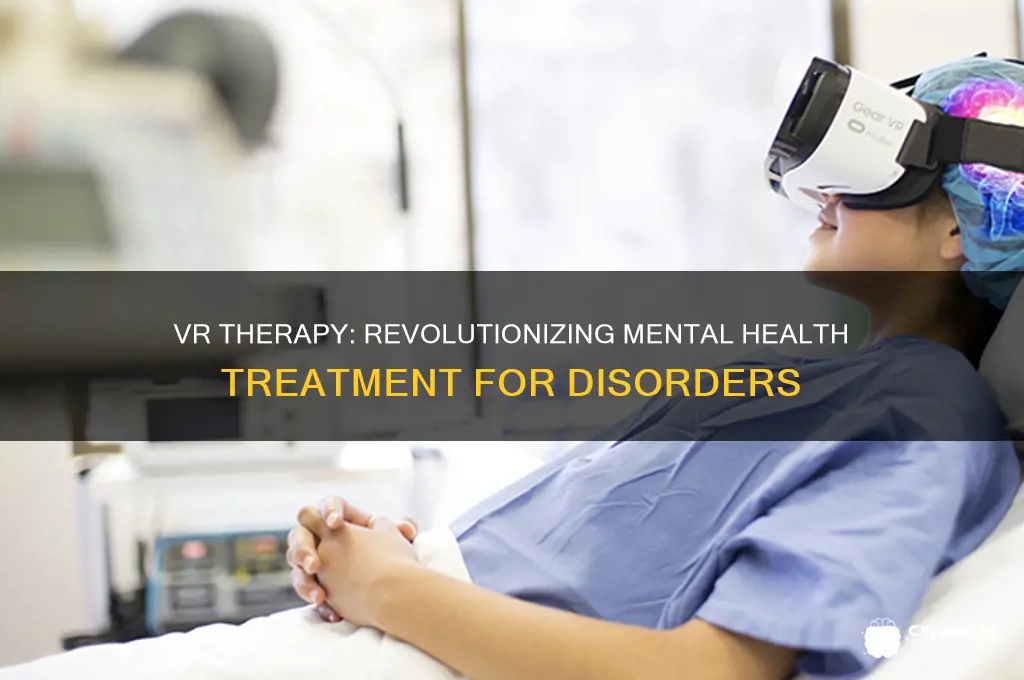
Virtual Reality (VR) technology has emerged as a promising tool in the treatment and management of mental disorders, offering immersive and controlled environments that can simulate real-life scenarios without the associated risks. By leveraging VR, therapists can create personalized experiences tailored to address specific conditions such as anxiety, phobias, PTSD, and depression. For instance, exposure therapy in VR allows individuals to confront and gradually desensitize themselves to fear-inducing stimuli in a safe and monitored setting. Additionally, VR can enhance mindfulness and relaxation techniques, providing calming virtual environments to reduce stress and improve emotional well-being. Its ability to engage users in interactive and therapeutic activities also makes it an effective tool for cognitive behavioral therapy and social skills training. As research continues to validate its efficacy, VR holds significant potential to revolutionize mental health care by making treatments more accessible, engaging, and effective.
Explore related products


What You'll Learn
- VR Exposure Therapy: Simulates anxiety triggers in a safe environment to reduce fear responses gradually
- VR Mindfulness Training: Immersive calming environments enhance meditation, reducing stress and improving emotional regulation
- VR Social Skills Practice: Virtual scenarios help individuals with social anxiety practice interactions without real-life pressure
- VR Pain Distraction: Engaging VR experiences divert attention from chronic pain, reducing discomfort and reliance on medication
- VR Cognitive Rehabilitation: Interactive tasks improve memory, attention, and problem-solving for patients with cognitive impairments

VR Exposure Therapy: Simulates anxiety triggers in a safe environment to reduce fear responses gradually
Virtual reality exposure therapy (VRET) is a groundbreaking approach that leverages immersive technology to treat anxiety disorders by systematically exposing patients to their fears in a controlled, safe environment. Unlike traditional exposure therapy, which often relies on imagination or real-world scenarios, VRET uses simulated environments to recreate anxiety triggers with precision. For example, someone with a fear of flying can experience a virtual airplane cabin, complete with turbulence and takeoff sounds, without leaving the therapist’s office. This method allows for gradual desensitization, reducing fear responses over time through repeated, manageable exposure.
The process begins with an assessment to identify specific triggers and tailor the VR experience to the patient’s needs. Therapists can adjust the intensity of the simulation—such as increasing flight turbulence or crowd density in social anxiety scenarios—in small, incremental steps. Sessions typically last 30–60 minutes, with 8–12 sessions recommended for optimal results, though this varies based on the individual’s progress. For instance, a study published in *JAMA Psychiatry* found that VRET significantly reduced symptoms of PTSD in veterans after just 6 sessions, highlighting its efficiency compared to traditional methods.
One of the key advantages of VRET is its ability to provide a safe and private space for patients to confront their fears. For adolescents and adults alike, the immersive nature of VR makes the experience feel real enough to provoke anxiety but not so overwhelming that it becomes counterproductive. Practical tips for patients include practicing deep breathing techniques during sessions and maintaining open communication with the therapist to adjust the simulation as needed. For younger patients (ages 13–17), parental involvement and simplified scenarios can enhance comfort and effectiveness.
However, VRET is not without limitations. Some individuals may experience cybersickness, a form of motion sickness caused by VR, which can disrupt therapy. Additionally, the cost of VR equipment and specialized software remains a barrier for widespread adoption. Therapists must also be trained to use the technology effectively, ensuring they can balance realism with patient comfort. Despite these challenges, VRET’s potential to revolutionize anxiety treatment is undeniable, offering a scalable, evidence-based solution for a growing mental health crisis.
In conclusion, VR exposure therapy stands out as a versatile and effective tool for managing anxiety disorders. By simulating triggers in a safe, controlled environment, it empowers patients to confront and overcome their fears gradually. While practical considerations like cost and training remain, its proven efficacy and adaptability make it a valuable addition to modern mental health treatment. For those seeking innovative ways to address anxiety, VRET offers a promising path forward.
Travel Therapy: Exploring How Adventures Boost Mental Well-Being
You may want to see also
Explore related products


VR Mindfulness Training: Immersive calming environments enhance meditation, reducing stress and improving emotional regulation
Stress, a silent epidemic, wreaks havoc on mental health. VR mindfulness training offers a novel antidote by transporting users to serene, immersive environments specifically designed to enhance meditation practices. Imagine practicing mindfulness in a virtual forest where sunlight filters through leaves, birds chirp softly, and a gentle breeze rustles the trees. This sensory richness, unattainable in many urban settings, amplifies the calming effects of meditation, making it more engaging and effective. Studies show that such VR experiences can significantly reduce cortisol levels, the body’s primary stress hormone, within just 20 minutes of use.
To maximize benefits, start with short sessions—10 to 15 minutes daily—gradually increasing duration as comfort with the technology grows. For beginners, guided VR meditation programs are ideal, as they provide structured instructions and ensure focus. Advanced practitioners can explore open-world calming environments, like virtual beaches or mountain retreats, to deepen their practice. Practical tips include using noise-canceling headphones to enhance auditory immersion and ensuring a comfortable seated or reclined position to avoid physical distractions.
While VR mindfulness training is accessible to all ages, it’s particularly beneficial for adolescents and young adults, who often struggle with stress and emotional regulation. A 2022 study found that high school students using VR mindfulness tools reported a 30% reduction in anxiety symptoms after six weeks of consistent use. However, caution is advised for individuals prone to motion sickness or those with severe anxiety, as the immersive nature of VR can sometimes overwhelm. Always start with low-intensity environments and consult a healthcare provider if in doubt.
The key takeaway is that VR mindfulness training isn’t just a tech gimmick—it’s a powerful tool for mental wellness. By combining the ancient practice of meditation with cutting-edge technology, it offers a scalable, accessible solution for stress reduction and emotional regulation. Whether you’re a skeptic or a tech enthusiast, giving it a try could be the first step toward a calmer, more balanced mind.
Gaming for Mental Health: A New Era Under the Presidency
You may want to see also
Explore related products

![Psoas Release Tool - 3-in-1 Massage Tool - Psoas Muscle Release Tool for Hip Hook, Flexor, Back, Glute, Iliacus, and Neck Pain Trigger Point and Myofascial Release Tool - Night Black [Patent Pending]](https://m.media-amazon.com/images/I/61tN6K63x1L._AC_UL320_.jpg)


VR Social Skills Practice: Virtual scenarios help individuals with social anxiety practice interactions without real-life pressure
Social anxiety disorder affects approximately 15 million adults in the United States alone, often hindering their ability to engage in everyday interactions. Virtual reality (VR) offers a groundbreaking solution by creating safe, controlled environments where individuals can practice social skills without the fear of real-world consequences. Unlike traditional exposure therapy, VR allows for repeated, customizable scenarios that simulate real-life situations, from job interviews to casual conversations, helping users build confidence incrementally.
Consider a 25-year-old professional who avoids networking events due to overwhelming anxiety. In a VR session, they can enter a virtual conference room, practice introducing themselves, and receive immediate feedback on their tone, body language, and eye contact. Therapists can adjust the difficulty level—starting with a small group of avatars and gradually increasing to a crowded room—ensuring the experience remains manageable yet challenging. Studies show that consistent VR practice, approximately 30 minutes per session, 3 times a week, can lead to measurable improvements in social confidence within 6–8 weeks.
However, VR social skills practice is not without limitations. Over-reliance on virtual interactions may reduce motivation to engage in real-world scenarios, a phenomenon known as "transfer resistance." To mitigate this, therapists should incorporate homework assignments that bridge the gap between virtual and real-life practice. For instance, after mastering a virtual job interview, the individual might be encouraged to attend a local meetup or initiate a conversation with a coworker. Combining VR with cognitive-behavioral techniques, such as reframing negative thoughts, enhances its effectiveness.
The key to successful VR social skills training lies in personalization. Avatars can be tailored to resemble specific individuals who trigger anxiety, such as authority figures or peers. Scenarios can also reflect culturally relevant contexts, ensuring the practice feels authentic and applicable. For adolescents, gamified elements like earning points for completing tasks can increase engagement, while adults may benefit from more realistic, goal-oriented simulations. Regardless of age, the goal is to create a "muscle memory" of social competence that translates into real-world success.
In conclusion, VR social skills practice is a versatile tool that democratizes access to effective anxiety treatment. By offering a low-stakes environment for experimentation and growth, it empowers individuals to confront their fears systematically. While it’s not a standalone cure, when integrated into a comprehensive therapy plan, VR can be a transformative resource for those seeking to navigate social landscapes with greater ease and confidence.
Functional Family Therapy: Healing Juveniles with Mental Illness Through Support
You may want to see also
Explore related products


VR Pain Distraction: Engaging VR experiences divert attention from chronic pain, reducing discomfort and reliance on medication
Chronic pain affects millions worldwide, often leading to a cycle of medication dependency and diminished quality of life. Virtual reality (VR) offers a non-pharmacological solution by leveraging the brain’s limited capacity for attention. When fully immersed in a VR experience, the brain prioritizes processing the virtual environment over pain signals, effectively reducing perceived discomfort. Studies show that even short sessions—as little as 10–20 minutes—can significantly lower pain intensity in conditions like fibromyalgia, migraines, and post-surgical recovery. This distraction mechanism not only alleviates immediate suffering but also empowers individuals to manage pain without increasing medication dosages.
To implement VR pain distraction effectively, start with a calming or engaging VR scenario tailored to the user’s preferences. For instance, a serene beach environment or an interactive game can divert attention more successfully than a passive or stressful experience. Ensure the VR headset fits comfortably to avoid physical strain, and limit sessions to 20–30 minutes to prevent motion sickness or fatigue. For older adults or those with limited tech experience, provide simple instructions and assistance to navigate the VR interface. Consistency is key; regular use, such as daily or every other day, maximizes the therapeutic effect by retraining the brain’s response to pain stimuli.
While VR distraction is promising, it’s not a one-size-fits-all solution. Individuals with severe anxiety, epilepsy, or balance disorders should approach VR cautiously, as immersive experiences can exacerbate these conditions. Additionally, VR should complement, not replace, existing pain management strategies unless advised by a healthcare professional. Cost and accessibility remain barriers, though affordable headsets like the Oculus Quest 2 are making VR more attainable. For chronic pain sufferers, investing in VR could be a worthwhile alternative to long-term medication use, particularly for those seeking drug-free options or experiencing medication side effects.
The evidence supporting VR pain distraction is compelling. A 2020 study published in *Nature Medicine* found that burn patients using VR during wound care reported 30–50% less pain compared to traditional methods. Similarly, pediatric patients undergoing medical procedures experienced reduced distress when immersed in VR worlds. These findings highlight VR’s potential to transform pain management across age groups and medical conditions. By addressing pain at its cognitive root, VR not only reduces reliance on opioids and other painkillers but also restores a sense of control and normalcy to those living with chronic discomfort.
Incorporating VR into pain management requires collaboration between healthcare providers, technologists, and patients. Clinicians can prescribe VR as part of a holistic treatment plan, while developers can create specialized applications targeting specific pain conditions. Patients, meanwhile, benefit from personalized experiences that align with their interests and pain thresholds. As VR technology advances and becomes more integrated into healthcare, its role in pain distraction is poised to grow, offering a beacon of hope for those trapped in the cycle of chronic pain and medication dependency.
Self-Compassion: A Powerful Tool for Improving Mental Health and Well-Being
You may want to see also
Explore related products


VR Cognitive Rehabilitation: Interactive tasks improve memory, attention, and problem-solving for patients with cognitive impairments
Cognitive impairments, whether stemming from traumatic brain injury, stroke, or neurodegenerative diseases, often disrupt daily functioning by impairing memory, attention, and problem-solving skills. Virtual reality (VR) offers a novel approach to cognitive rehabilitation by creating immersive, interactive environments tailored to address these deficits. Unlike traditional therapies, VR engages multiple sensory modalities simultaneously, fostering neuroplasticity through repetitive, goal-directed tasks. For instance, a patient with memory deficits might navigate a virtual grocery store, recalling items on a shopping list, while another with attention difficulties could practice filtering out distractions in a bustling virtual café. These tasks are not only clinically effective but also engaging, increasing patient motivation and adherence to therapy.
Designing VR cognitive rehabilitation programs requires careful consideration of task complexity, duration, and progression. Sessions typically range from 20 to 45 minutes, conducted 3–5 times per week, depending on the patient’s tolerance and goals. For example, a study published in *Neuropsychological Rehabilitation* found that patients with mild cognitive impairment showed significant improvements in working memory after 12 weeks of VR training, with tasks gradually increasing in difficulty. Clinicians must also monitor for cybersickness, a common side effect of prolonged VR use, by incorporating breaks and adjusting visual settings. Practical tips include starting with simpler tasks, such as virtual object manipulation, before advancing to more complex scenarios like spatial navigation or multitasking challenges.
One of the most compelling advantages of VR cognitive rehabilitation is its ability to simulate real-world scenarios in a controlled, safe environment. For patients with executive dysfunction, VR can replicate situations like crossing a busy street or managing finances, allowing them to practice decision-making without real-life consequences. This approach bridges the gap between therapy and daily life, enhancing functional outcomes. For instance, a stroke survivor struggling with problem-solving might practice prioritizing tasks in a virtual home environment, translating these skills to real-life household management. Such simulations not only improve cognitive abilities but also boost confidence and independence.
Despite its promise, VR cognitive rehabilitation is not a one-size-fits-all solution. Individualized assessment is crucial to tailor programs to specific cognitive deficits, age categories, and comorbid conditions. For older adults, for example, simpler interfaces and larger visual cues may be necessary to accommodate sensory or motor limitations. Additionally, combining VR with traditional therapies, such as cognitive-behavioral therapy or occupational therapy, can maximize benefits. As technology advances, integrating biometric feedback—such as eye-tracking or heart rate monitoring—could further personalize interventions, ensuring patients remain engaged and challenged at the optimal level. With its potential to revolutionize cognitive rehabilitation, VR stands as a powerful tool for restoring cognitive function and improving quality of life.
Mental Health Classes: A Path to Overcoming Meth Addiction?
You may want to see also
Frequently asked questions
VR can create controlled, immersive environments to expose individuals to anxiety-triggering situations in a safe and gradual manner, a technique known as exposure therapy. This helps patients confront and manage their fears, reducing anxiety over time.
Yes, VR is used in PTSD treatment through virtual exposure therapy, where patients relive traumatic events in a controlled setting. This allows therapists to guide them through processing their trauma, reducing symptoms and improving coping mechanisms.
VR provides realistic simulations of phobia triggers (e.g., heights, spiders) in a safe environment. Patients can gradually face their fears under professional guidance, desensitizing themselves and reducing phobic responses over repeated sessions.