Caleb Wright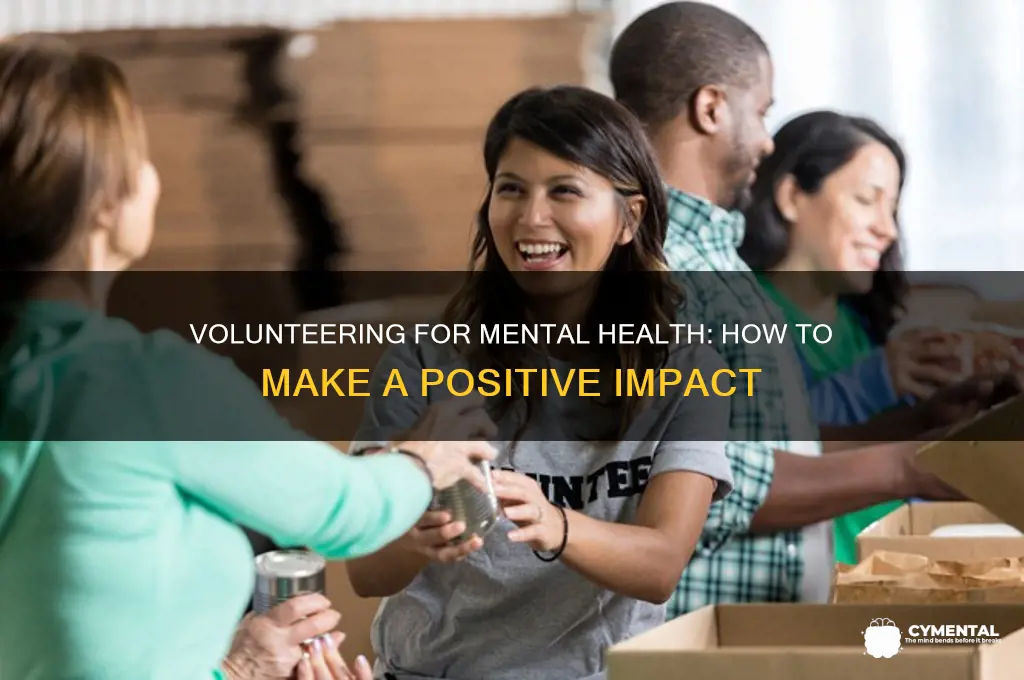
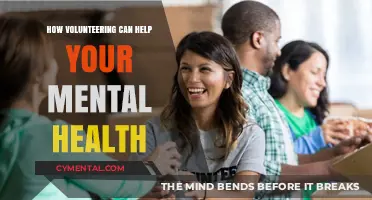
Volunteering to support mental health is a meaningful way to make a positive impact in your community while fostering personal growth and empathy. Whether you’re passionate about raising awareness, providing direct support, or contributing to research, there are numerous opportunities to get involved. From joining local organizations that offer peer counseling or crisis hotlines to participating in fundraising events or advocacy campaigns, every effort counts. Volunteering not only helps those struggling with mental health challenges but also combats stigma and promotes a culture of understanding and compassion. By dedicating your time and skills, you can play a vital role in creating a more supportive and inclusive environment for individuals facing mental health issues.
| Characteristics | Values |
|---|---|
| Types of Volunteering | Crisis Helplines, Peer Support, Community Outreach, Fundraising, Administrative Support, Research Assistance, Event Organization, Social Media Management, Advocacy |
| Skills Required | Active Listening, Empathy, Communication, Patience, Confidentiality, Cultural Sensitivity, Basic Mental Health Knowledge, Organizational Skills, Time Management |
| Time Commitment | Varies (few hours/week to several hours/month) |
| Training Provided | Often mandatory (crisis intervention, mental health awareness, specific program protocols) |
| Age Requirements | Typically 18+ (some organizations may accept younger volunteers with parental consent) |
| Background Checks | Commonly required for roles involving direct contact with vulnerable populations |
| Locations | Local mental health organizations, hospitals, schools, community centers, online platforms |
| Benefits | Personal growth, sense of purpose, skill development, community connection, potential career experience |
| Challenges | Emotional toll, dealing with difficult situations, maintaining boundaries |
| Finding Opportunities | Websites of mental health organizations, VolunteerMatch, Idealist, local community boards, social media groups |
Explore related products


What You'll Learn
- Find Local Organizations: Research mental health charities, crisis centers, or community groups needing volunteers
- Offer Skills: Share expertise like counseling, art, or IT to support programs
- Peer Support: Train to provide emotional support and companionship to those in need
- Fundraising Events: Organize or assist in events to raise awareness and funds
- Online Volunteering: Moderate mental health forums or create digital resources remotely

Find Local Organizations: Research mental health charities, crisis centers, or community groups needing volunteers
Local organizations are the backbone of mental health support, often operating with limited resources but boundless dedication. To volunteer effectively, start by identifying these groups in your area. Use online platforms like VolunteerMatch, Idealist, or local community boards to find mental health charities, crisis centers, and community groups actively seeking help. Many of these organizations have specific needs—from administrative tasks to peer support roles—so tailor your search to your skills and interests. For instance, if you’re comfortable with technology, a crisis hotline might need help with their digital systems; if you excel at empathy, a peer support group could benefit from your listening skills.
Once you’ve identified potential organizations, dig deeper into their missions and values. Mental health support varies widely—some groups focus on youth, others on veterans, and some on specific conditions like depression or anxiety. Aligning with an organization whose cause resonates with you ensures a more fulfilling experience. For example, if you’re passionate about suicide prevention, look for groups like the American Foundation for Suicide Prevention or local crisis centers. Conversely, if you’re interested in holistic wellness, community groups offering art therapy or mindfulness workshops might be a better fit.
Before committing, assess the practicalities. Many organizations require background checks, training, or a minimum time commitment. Crisis centers, for instance, often mandate 40 hours of training to prepare volunteers for high-stress situations. Charities might ask for a weekly commitment of 3–5 hours for consistency. Be honest about your availability and capacity—overcommitting can lead to burnout, undermining both your well-being and the organization’s efforts.
Finally, consider the impact of your contribution. Volunteering isn’t just about giving; it’s about creating a ripple effect. A single hour spent updating a charity’s database frees up staff to focus on client care. A few hours at a crisis center could mean the difference between someone feeling heard or isolated. By researching and joining local organizations, you’re not just volunteering—you’re becoming part of a community that fosters resilience, hope, and healing.
Rebuilding Minds: Strategies for Mental Recovery After a Stroke
You may want to see also
Explore related products


Offer Skills: Share expertise like counseling, art, or IT to support programs
Volunteering in mental health often begins with a simple question: What unique skills do you possess that could make a meaningful impact? Whether you’re a trained counselor, an artist, or an IT professional, your expertise can be repurposed to support programs addressing mental well-being. For instance, a counselor might facilitate group therapy sessions, while an artist could lead expressive art workshops to help individuals process emotions. The key is to align your skills with the needs of the organization or community you’re serving.
Consider the transformative power of art in mental health settings. Art therapy, backed by research, has been shown to reduce anxiety and depression symptoms in both adults and adolescents. If you’re an artist, volunteering to lead a weekly art class at a local community center or hospital can provide participants with a non-verbal outlet for expression. Practical tips include starting with simple, guided activities like mandala coloring or clay sculpting, which require minimal artistic skill from participants but offer significant therapeutic benefits. Ensure the environment is inclusive and non-judgmental, as this fosters trust and encourages deeper emotional exploration.
IT professionals, often overlooked in mental health volunteering, can play a critical role in expanding access to resources. For example, you could help develop or maintain websites for mental health organizations, ensuring they are user-friendly and accessible. Alternatively, you might volunteer to teach digital literacy skills to underserved populations, empowering them to navigate online therapy platforms or mental health apps. A cautionary note: be mindful of data privacy and security when handling sensitive information, and always adhere to ethical guidelines in your work.
Counselors and mental health professionals can offer their expertise in more structured ways, such as providing pro bono sessions or training volunteers in active listening and crisis intervention. For instance, a licensed therapist might volunteer at a crisis hotline, offering immediate support to individuals in distress. When doing so, it’s essential to set clear boundaries and manage your own emotional well-being to avoid burnout. Organizations like the Crisis Text Line or local mental health clinics often have specific training programs to prepare volunteers for these roles.
The takeaway is clear: your professional skills are not confined to your day job. By repurposing them for mental health initiatives, you can address gaps in services and create lasting impact. Whether through art, technology, or counseling, your expertise can provide innovative solutions to complex challenges. Start by identifying organizations that align with your skills and reach out to offer your support. Remember, even a few hours a month can make a significant difference in someone’s mental health journey.
Boost Your Mental Health: The Role of B Vitamins Explained
You may want to see also
Explore related products


Peer Support: Train to provide emotional support and companionship to those in need
Peer support is a powerful tool in the realm of mental health, offering a unique form of assistance that blends empathy, shared experience, and practical guidance. Unlike traditional therapy, peer support is delivered by individuals who have firsthand experience with mental health challenges, making their insights particularly relatable and actionable. This approach fosters a sense of community and reduces the stigma often associated with seeking help. By training to become a peer supporter, you can provide emotional support and companionship to those in need, creating a safe space for healing and growth.
To embark on this path, start by identifying reputable training programs that align with your goals and availability. Organizations like Mental Health America, the National Alliance on Mental Illness (NAMI), and local community health centers often offer peer support specialist certifications. These programs typically include coursework on active listening, crisis intervention, and boundary-setting, as well as supervised practice hours. For instance, NAMI’s Peer-to-Peer program requires 24 hours of training over eight weeks, while some state-certified courses may demand up to 40 hours. Ensure the program is accredited, as this can enhance your credibility and open doors to paid opportunities in the field.
One of the most compelling aspects of peer support is its ability to bridge gaps in traditional mental health care. Studies show that individuals are more likely to open up to someone who has "been there," fostering trust and reducing feelings of isolation. For example, a peer supporter working with young adults might share their own journey with anxiety, offering practical strategies like mindfulness exercises or journaling that have worked for them. This shared vulnerability creates a deeper connection, making the support more impactful. However, it’s crucial to maintain professional boundaries—while personal experience is a strength, it should not overshadow the needs of the person you’re supporting.
When engaging in peer support, focus on active listening and validation rather than offering advice. Ask open-ended questions like, "How has this situation been affecting you?" or "What has helped you cope in the past?" to encourage reflection. Be mindful of your tone and body language, ensuring they convey warmth and nonjudgment. For instance, if someone expresses frustration about their medication side effects, acknowledge their feelings with a statement like, "That sounds really challenging. It’s okay to feel frustrated about this." Small gestures, such as sending a follow-up text or recommending a relevant support group, can also strengthen your connection and show ongoing commitment.
Finally, prioritize self-care as a peer supporter. The emotional intensity of this role can be draining, so establish clear boundaries and seek supervision or debriefing when needed. Engage in activities that recharge you, whether it’s meditation, exercise, or spending time with loved ones. Remember, your ability to support others is directly tied to your own well-being. By nurturing yourself, you’ll be better equipped to provide meaningful companionship and emotional support to those who need it most.
Metal Music's Healing Power: Boosting Mental Health and Resilience
You may want to see also
Explore related products



Fundraising Events: Organize or assist in events to raise awareness and funds
Fundraising events serve as powerful catalysts for both financial support and public awareness in the realm of mental health. By organizing or assisting in such events, volunteers can amplify the reach of mental health initiatives, ensuring that resources are available to those in need. Whether it’s a charity run, gala dinner, or community workshop, these events create a platform for dialogue, reduce stigma, and foster a sense of collective responsibility. The key lies in aligning the event’s theme with the mission of mental health advocacy, ensuring every dollar raised and every conversation sparked contributes to meaningful change.
To begin, identify the type of event that best suits your community and resources. For instance, a 5K run or walkathon can engage fitness enthusiasts while symbolizing the journey toward mental well-being. Alternatively, a gala dinner with guest speakers or a silent auction can attract professionals and philanthropists, offering a more formal setting for fundraising. Practical tips include securing sponsorships from local businesses, leveraging social media for promotion, and partnering with mental health organizations to ensure funds are directed effectively. Remember, the event’s success hinges on clear goals, meticulous planning, and a passionate team.
One often overlooked aspect of fundraising events is their ability to educate attendees about mental health. Incorporate interactive elements like workshops, panel discussions, or personal testimonials to deepen engagement. For example, a mental health first aid training session during a community fair can equip participants with practical skills while raising funds. Such activities not only generate revenue but also leave a lasting impact, empowering attendees to become advocates in their own right. This dual focus on fundraising and education maximizes the event’s potential to drive systemic change.
However, organizing these events comes with challenges. Volunteers must navigate logistical hurdles, from venue booking to permit acquisition, while ensuring the event remains inclusive and accessible. Caution should be taken to avoid tokenism; ensure that mental health narratives are handled with sensitivity and respect. Additionally, transparency in fund allocation builds trust with donors and participants. Post-event, share a detailed report on how funds were utilized, reinforcing the connection between their contributions and tangible outcomes.
In conclusion, fundraising events are more than just financial vehicles—they are transformative experiences that unite communities around a shared cause. By blending creativity, strategy, and empathy, volunteers can create events that not only raise funds but also challenge misconceptions and inspire action. Whether you’re leading the charge or lending a hand, your efforts can make a profound difference in the mental health landscape. Start small, think big, and remember: every event is an opportunity to save lives.
Breaking Mental Health Stigma: Compassionate Steps to Foster Understanding and Support
You may want to see also
Explore related products


Online Volunteering: Moderate mental health forums or create digital resources remotely
Online volunteering in mental health offers a unique opportunity to support individuals remotely, leveraging digital platforms to moderate forums or create resources that foster connection and provide valuable information. Moderating mental health forums involves ensuring a safe, non-judgmental space where users can share experiences, seek advice, and find solace. This role requires empathy, active listening, and the ability to de-escalate sensitive situations while adhering to community guidelines. For instance, platforms like 7 Cups or Mental Health America’s forums rely on volunteers to maintain a supportive environment, often providing training on crisis intervention and digital communication skills. Volunteers typically dedicate 2–4 hours weekly, balancing flexibility with consistency to build trust within the community.
Creating digital resources is another impactful way to contribute, particularly for those with skills in writing, design, or multimedia production. This can include developing educational materials, infographics, or videos that demystify mental health topics, such as coping strategies for anxiety or understanding depression. For example, organizations like the National Alliance on Mental Illness (NAMI) often seek volunteers to create content for their websites or social media campaigns. A practical tip for resource creation is to focus on clarity and accessibility, using plain language and visually appealing formats to ensure the information reaches a broad audience. Volunteers in this role might spend 5–10 hours per project, depending on its scope.
Comparing these two avenues, moderating forums is more interpersonal, requiring real-time engagement and emotional resilience, while creating resources is task-oriented and suits those who prefer working independently. Both, however, demand a commitment to confidentiality and sensitivity. A key takeaway is that online volunteering in mental health allows individuals to make a meaningful impact without geographical constraints, making it ideal for those with busy schedules or limited mobility.
Before diving in, consider your strengths and interests. If you thrive on direct interaction and feel comfortable navigating emotional conversations, forum moderation might be your calling. If you prefer behind-the-scenes work and have a knack for creativity, resource development could be more fulfilling. Regardless of the path chosen, the digital nature of these roles ensures that your efforts can reach a global audience, amplifying your contribution to mental health advocacy.
Recognizing the Signs: When to Seek Mental Health Support
You may want to see also
Frequently asked questions
You can find volunteer opportunities by contacting local mental health organizations, community centers, or hospitals. Websites like VolunteerMatch, Idealist, and Mental Health America also list mental health-related volunteer roles.
Most roles require empathy, active listening, and good communication skills. Some positions, like crisis helpline volunteering, may require training provided by the organization. No formal qualifications are usually needed for entry-level roles.
You can contribute by raising awareness through social media, organizing fundraisers, or assisting with administrative tasks at mental health organizations. Indirect support, like maintaining community gardens or creating art for therapeutic spaces, is also valuable.