Noah Parker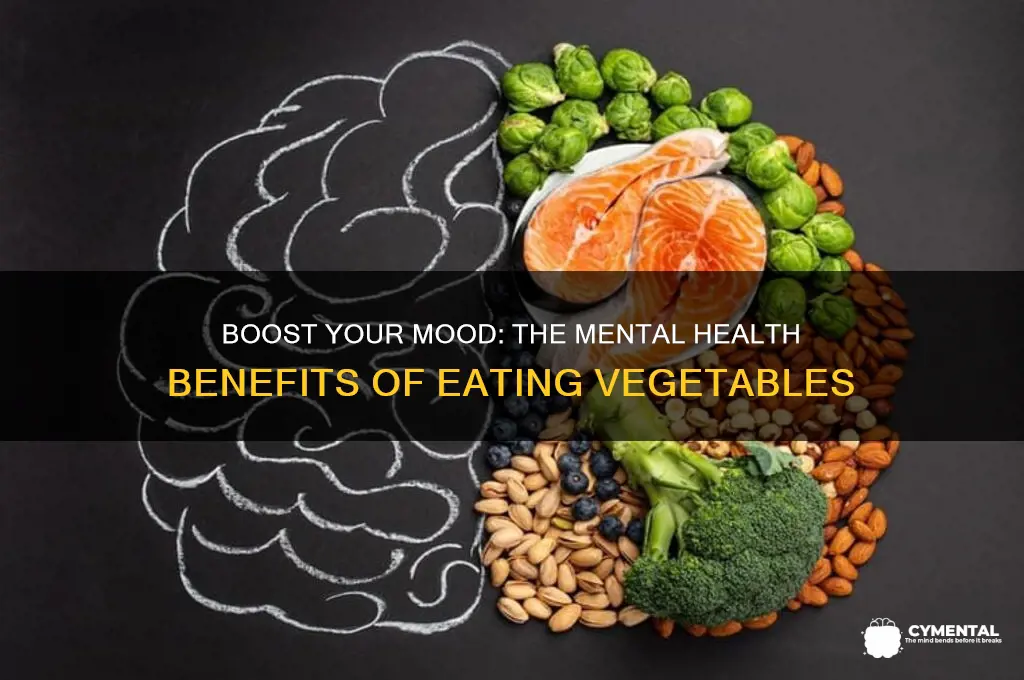
Vegetables play a crucial role in supporting mental health, as they are rich in essential nutrients, antioxidants, and fiber that contribute to overall brain function and emotional well-being. Nutrient-dense vegetables like leafy greens, broccoli, and carrots provide vitamins (such as folate, vitamin C, and vitamin K) and minerals (like magnesium and potassium) that help regulate neurotransmitters, reduce inflammation, and combat oxidative stress, all of which are linked to improved mood and reduced risk of mental health disorders. Additionally, the fiber in vegetables promotes a healthy gut microbiome, which is increasingly recognized as a key factor in mental health through the gut-brain axis. Incorporating a variety of vegetables into one's diet can thus be a simple yet powerful way to nurture both the body and mind.
| Characteristics | Values |
|---|---|
| Nutrient Density | Vegetables are rich in vitamins (e.g., folate, vitamin C, vitamin K), minerals (e.g., magnesium, potassium), and antioxidants, which support brain function and reduce oxidative stress. |
| Anti-Inflammatory Properties | Leafy greens and colorful vegetables contain phytonutrients that reduce inflammation, linked to improved mood and reduced risk of depression. |
| Gut-Brain Axis Support | High fiber content in vegetables promotes a healthy gut microbiome, which influences mental health by producing neurotransmitters like serotonin. |
| Mood Regulation | Folate and other B vitamins in vegetables aid in the production of dopamine and serotonin, neurotransmitters that regulate mood and emotional well-being. |
| Stress Reduction | Magnesium-rich vegetables (e.g., spinach, Swiss chard) help reduce stress and anxiety by supporting the nervous system. |
| Cognitive Function | Antioxidants like lutein and zeaxanthin in leafy greens protect against cognitive decline and improve memory and focus. |
| Reduced Risk of Depression | Studies show a diet high in vegetables is associated with a lower risk of depression and anxiety disorders. |
| Energy Stabilization | Complex carbohydrates in vegetables provide steady energy, preventing mood swings caused by blood sugar fluctuations. |
| Detoxification Support | Cruciferous vegetables (e.g., broccoli, kale) contain compounds that aid liver detoxification, indirectly supporting mental clarity. |
| Hydration | High water content in vegetables like cucumbers and lettuce contributes to overall brain health by maintaining hydration. |
Explore related products


What You'll Learn
- Nutrients Boost Mood: Vegetables provide vitamins (B, C) and minerals (magnesium) that enhance serotonin production
- Antioxidants Reduce Stress: Leafy greens combat oxidative stress, lowering anxiety and improving brain function
- Fiber Supports Gut-Brain Axis: High-fiber veggies promote gut health, linked to reduced depression and clarity
- Anti-Inflammatory Effects: Cruciferous veggies (kale, broccoli) reduce brain inflammation, improving mental well-being
- Hydration and Focus: Water-rich veggies (cucumbers, zucchini) maintain hydration, boosting cognitive performance and mood

Nutrients Boost Mood: Vegetables provide vitamins (B, C) and minerals (magnesium) that enhance serotonin production
Vegetables aren't just for physical health—they're brain food, too. Leafy greens like spinach and kale, bell peppers, and broccoli are packed with vitamins B and C, along with magnesium, all of which play a starring role in serotonin production. Serotonin, often called the "feel-good" neurotransmitter, regulates mood, sleep, and appetite. Without enough of these nutrients, your brain struggles to produce adequate serotonin, potentially leading to mood swings, anxiety, or depression.
Consider this: a single cup of cooked spinach provides 15% of your daily magnesium needs, while a red bell pepper delivers 169% of your vitamin C requirement. These aren’t just numbers—they’re tools for mental resilience. For instance, vitamin B6, abundant in potatoes and bananas, is essential for converting tryptophan into serotonin. A deficiency in this vitamin can disrupt this process, leaving you more susceptible to irritability or fatigue.
To harness these benefits, aim for variety. Incorporate dark leafy greens, colorful peppers, and cruciferous vegetables like broccoli into your daily meals. Snack on raw veggies with hummus, blend spinach into smoothies, or roast vegetables with herbs for a flavor boost. For those over 50, who may absorb nutrients less efficiently, consider lightly cooking vegetables to enhance nutrient availability. Pairing vitamin C-rich foods (like bell peppers) with iron-rich greens (like kale) can also improve absorption, maximizing their mood-enhancing potential.
While vegetables are powerful, they’re not a standalone solution. Pair them with a balanced diet, regular exercise, and adequate sleep for optimal mental health. If you suspect a nutrient deficiency, consult a healthcare provider before starting supplements. Remember, small dietary changes can yield significant mental health benefits—start with one extra serving of vegetables today and let your brain reap the rewards.
Supporting Through Crisis: Effective Ways to Aid Mental Breakdowns
You may want to see also
Explore related products


Antioxidants Reduce Stress: Leafy greens combat oxidative stress, lowering anxiety and improving brain function
Oxidative stress, a condition where free radicals outpace the body’s ability to neutralize them, is a silent contributor to anxiety and cognitive decline. Leafy greens like spinach, kale, and Swiss chard are packed with antioxidants—vitamins A, C, E, and K, along with flavonoids and carotenoids—that directly combat this imbalance. Studies show that chronic oxidative stress is linked to heightened anxiety levels, as it damages brain cells and disrupts neurotransmitter function. By incorporating just 1–2 cups of leafy greens daily, individuals can provide their bodies with the tools to mitigate this damage, fostering a calmer, more resilient mind.
Consider this practical approach: start your day with a spinach-packed smoothie or swap lettuce for kale in your salad. For those who dislike greens, blending them into soups or sautéing them with garlic can make them more palatable. Research suggests that adults over 18 can benefit from a minimum of 300–400 grams of vegetables daily, with leafy greens contributing significantly to antioxidant intake. Pairing these vegetables with healthy fats, like avocado or olive oil, enhances the absorption of fat-soluble vitamins, maximizing their stress-reducing potential.
The science is compelling: antioxidants in leafy greens neutralize free radicals, reducing inflammation in the brain and lowering cortisol levels, the hormone associated with stress. A 2019 study published in *Frontiers in Psychology* found that participants who consumed higher amounts of leafy greens reported lower anxiety scores compared to those with poorer diets. This isn’t just about occasional stress relief—consistent intake of these vegetables can improve long-term brain function, enhancing memory and focus. For older adults, this is particularly crucial, as oxidative stress accelerates cognitive decline, and leafy greens offer a natural, accessible defense.
However, it’s not a one-size-fits-all solution. While leafy greens are powerful, they work best as part of a balanced diet rich in other antioxidants, like berries, nuts, and seeds. Over-reliance on supplements can lead to imbalances, so prioritize whole foods. For those with conditions like kidney issues, excessive vitamin K from greens can interfere with medication, so moderation is key. Start small, track your intake, and observe how your body responds—mental health improvements often emerge gradually but are worth the commitment.
Incorporating leafy greens into your diet isn’t just about physical health; it’s a proactive step toward mental well-being. By reducing oxidative stress, these vegetables lower anxiety and sharpen cognitive function, offering a natural, sustainable way to support your brain. Whether you’re a student, professional, or retiree, the benefits are clear: a handful of greens today can lead to a calmer, clearer tomorrow.
Government Initiatives Transforming Mental Health Support and Awareness Nationwide
You may want to see also
Explore related products


Fiber Supports Gut-Brain Axis: High-fiber veggies promote gut health, linked to reduced depression and clarity
The gut-brain axis is a bidirectional communication network linking emotional and cognitive centers of the brain with intestinal functions. Recent studies reveal that high-fiber vegetables—such as broccoli, Brussels sprouts, and artichokes—play a pivotal role in this system. Fiber acts as a prebiotic, fueling beneficial gut bacteria that produce short-chain fatty acids (SCFAs) like butyrate. These SCFAs reduce inflammation, strengthen the gut barrier, and modulate neurotransmitter production, directly influencing mood and mental clarity. For instance, a 2021 study in *Nature Microbiology* found that individuals with higher fiber intake had a 30% lower risk of depression, likely due to these gut-mediated mechanisms.
To harness this benefit, aim for 25–30 grams of fiber daily, with at least half coming from vegetables. Start by incorporating 1–2 servings of high-fiber veggies into each meal. For breakfast, add steamed broccoli to scrambled eggs or blend spinach into a smoothie. At lunch, pair a leafy green salad with roasted Brussels sprouts. For dinner, serve sautéed artichoke hearts or a side of asparagus. Snack on raw carrots or sugar snap peas for an easy fiber boost. Consistency is key—gradually increase fiber intake over 2–3 weeks to avoid digestive discomfort, and pair with adequate water intake to optimize absorption.
While fiber’s role in gut health is well-established, its impact on mental health is a newer but compelling area of research. A comparative analysis of diets high in processed foods versus those rich in fiber shows stark differences in gut microbiota diversity. The latter fosters a microbiome associated with lower anxiety and improved cognitive function. For example, a 2020 study in *Psychopharmacology* demonstrated that participants consuming 40 grams of fiber daily reported significant reductions in perceived stress after just six weeks. This suggests that dietary fiber isn’t just a digestive aid—it’s a potent tool for mental wellness.
However, not all fibers are created equal. Soluble fiber, found in vegetables like okra and carrots, is particularly effective at promoting SCFA production. Insoluble fiber, while beneficial for bowel regularity, has a less direct impact on the gut-brain axis. To maximize mental health benefits, prioritize soluble fiber sources and pair them with fermented foods like kimchi or kefir to enhance gut microbiome synergy. For those with pre-existing gut conditions like IBS, consult a dietitian to tailor fiber intake and avoid potential triggers.
Incorporating high-fiber vegetables into your diet is a practical, evidence-based strategy to support mental health. By nurturing the gut-brain axis, you can reduce symptoms of depression, enhance clarity, and foster overall well-being. Start small, stay consistent, and let your plate become a powerful tool for both physical and mental vitality.
Supporting Recovery: Compassionate Strategies for Mental Illness and Alcoholism
You may want to see also
Explore related products




Anti-Inflammatory Effects: Cruciferous veggies (kale, broccoli) reduce brain inflammation, improving mental well-being
Chronic inflammation in the brain is a silent saboteur, linked to depression, anxiety, and cognitive decline. Cruciferous vegetables like kale and broccoli aren't just nutritional powerhouses; they're armed with compounds that directly combat this inflammation. Sulforaphane, a phytochemical abundant in these veggies, acts as a potent anti-inflammatory agent, suppressing pro-inflammatory molecules in the brain. Think of it as a natural firefighter, dousing the flames of inflammation before they damage delicate neural tissue.
Studies suggest that regular consumption of cruciferous vegetables can significantly reduce markers of brain inflammation, paving the way for improved mood, sharper focus, and enhanced overall mental well-being.
Incorporating these anti-inflammatory warriors into your diet doesn't require culinary acrobatics. Aim for at least 1.5 cups of cooked cruciferous vegetables daily. Steam broccoli florets until tender-crisp, massage kale with lemon juice for a wilted salad, or roast Brussels sprouts with a drizzle of olive oil and a sprinkle of garlic powder. For a concentrated dose of sulforaphane, consider broccoli sprout supplements, which pack a powerful punch in a small package. Remember, consistency is key – make these veggies a staple in your diet to reap their long-term benefits.
While cruciferous vegetables are generally safe, some individuals may experience gas or bloating due to their high fiber content. Start with smaller portions and gradually increase intake to allow your digestive system to adjust. If you're taking blood-thinning medications, consult your doctor before significantly increasing your vitamin K intake, as cruciferous vegetables are rich in this nutrient.
The anti-inflammatory power of cruciferous vegetables offers a natural and delicious strategy for nurturing your mental health. By incorporating these nutritional powerhouses into your daily routine, you're not just fueling your body, you're actively protecting your brain from the damaging effects of inflammation. Remember, small dietary changes can lead to significant improvements in your overall well-being. So, embrace the cruciferous revolution and let your plate become your pharmacy for a healthier, happier mind.
Army Chaplains: Mental Health Allies in Military Service?
You may want to see also
Explore related products


Hydration and Focus: Water-rich veggies (cucumbers, zucchini) maintain hydration, boosting cognitive performance and mood
Staying hydrated is a cornerstone of mental clarity, yet many overlook the role vegetables play in this process. Water-rich vegetables like cucumbers and zucchini are not just low-calorie snacks; they’re hydration powerhouses, composed of over 90% water. Consuming these veggies throughout the day can contribute significantly to your fluid intake, especially for those who struggle to drink enough water. For instance, a 100-gram serving of cucumber provides nearly 95 milliliters of water, making it an easy, nutrient-dense way to stay hydrated without relying solely on beverages.
Hydration directly impacts cognitive function, and even mild dehydration—as little as 2% loss of body water—can impair focus, memory, and mood. Water-rich vegetables act as a dual solution: they replenish fluids while delivering essential nutrients like magnesium and potassium, which support brain health. Studies show that maintaining optimal hydration levels can improve attention span by up to 14% and reduce feelings of anxiety and fatigue. Incorporating cucumbers or zucchini into meals or snacks ensures a steady supply of hydration, particularly beneficial for students, professionals, or anyone needing sustained mental stamina.
Practical integration is key. Start by adding sliced cucumbers to salads, sandwiches, or infused water for a refreshing twist. Zucchini can be spiralized into noodles or grilled as a side dish, retaining its water content while adding texture and flavor. For busy individuals, blending these veggies into smoothies or soups is an efficient way to combine hydration with other nutrients. Aim for at least one water-rich vegetable serving per meal, especially during hot weather or periods of increased mental demand.
While these vegetables are hydrating, they shouldn’t replace plain water entirely. Think of them as a complementary strategy to meet daily fluid needs. Pairing them with electrolyte-rich foods like spinach or bananas can further enhance hydration and cognitive benefits. For older adults or those with reduced thirst sensations, incorporating these veggies can be a gentle reminder to stay hydrated, supporting both physical and mental well-being.
In essence, water-rich vegetables are a simple yet powerful tool for maintaining focus and mood. By weaving cucumbers, zucchini, and similar options into your diet, you’re not just eating for hydration—you’re nourishing your brain for peak performance. It’s a small change with a big impact, proving that sometimes the most effective solutions are the simplest.
Supporting Veterans: Accessing Mental Health Services for Lasting Well-Being
You may want to see also
Frequently asked questions
Vegetables are rich in nutrients like vitamins, minerals, and antioxidants that support brain function. For example, leafy greens contain folate, which helps produce neurotransmitters like serotonin and dopamine, regulating mood and reducing symptoms of depression and anxiety.
Yes, vegetables like spinach, kale, and broccoli are high in magnesium, a mineral that helps relax the nervous system and reduce stress. Additionally, the fiber in vegetables supports gut health, which is closely linked to mental well-being through the gut-brain axis.
Yes, cruciferous vegetables like broccoli and cauliflower, as well as carrots and sweet potatoes, are high in antioxidants and compounds like lutein and beta-carotene. These nutrients protect the brain from oxidative stress and inflammation, improving memory, focus, and overall cognitive performance.