Noah Parker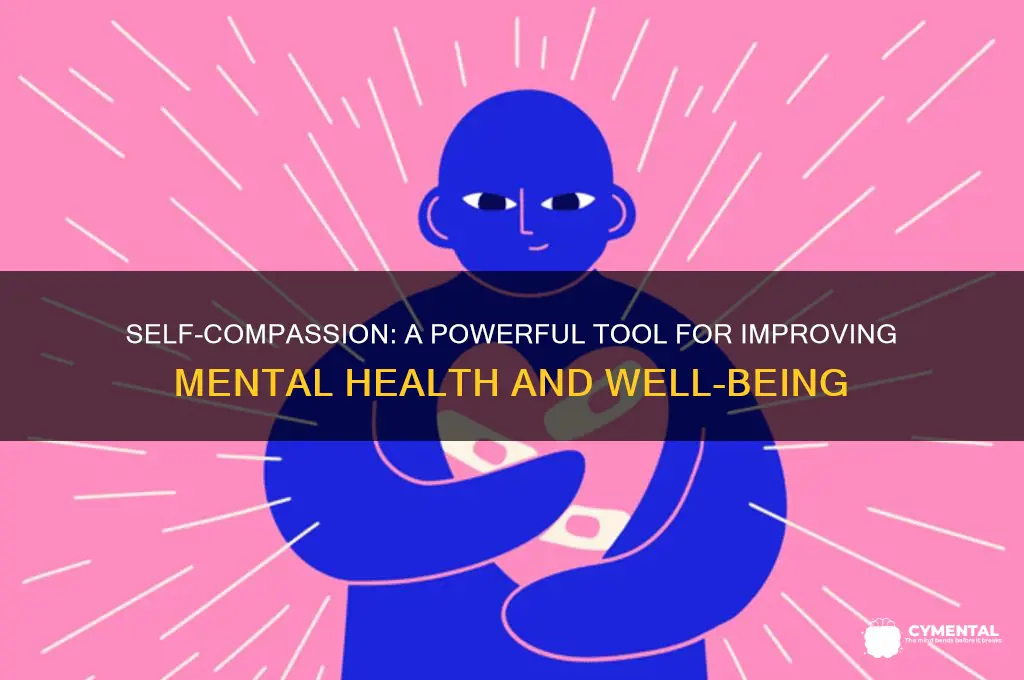
Self-compassion, the practice of treating oneself with kindness, understanding, and forgiveness, plays a pivotal role in supporting mental health by fostering emotional resilience and reducing psychological distress. Unlike self-criticism, which often exacerbates anxiety, depression, and stress, self-compassion encourages individuals to acknowledge their struggles without judgment, recognizing that imperfection and suffering are inherent parts of the human experience. By nurturing a compassionate inner dialogue, individuals can better manage negative emotions, build self-worth, and cultivate a sense of calm and acceptance. Research has shown that self-compassion enhances emotional regulation, promotes mindfulness, and strengthens coping mechanisms, ultimately contributing to improved overall well-being and a more positive outlook on life. In essence, self-compassion acts as a protective buffer against mental health challenges, empowering individuals to navigate adversity with greater ease and self-care.
| Characteristics | Values |
|---|---|
| Reduces Self-Criticism | Self-compassion encourages treating oneself with kindness rather than harsh judgment, lowering negative self-talk and self-criticism, which are linked to depression and anxiety. |
| Enhances Emotional Regulation | It helps individuals acknowledge and accept their emotions without judgment, leading to better emotional resilience and reduced reactivity to stressors. |
| Boosts Resilience | Self-compassionate individuals tend to recover more quickly from setbacks and failures, viewing them as opportunities for growth rather than personal flaws. |
| Improves Mental Well-Being | Studies show that self-compassion is positively associated with life satisfaction, happiness, and overall mental well-being, while reducing symptoms of depression, anxiety, and stress. |
| Fosters Positive Self-Concept | It promotes a balanced and accepting view of oneself, reducing the need for perfectionism and increasing self-worth and self-acceptance. |
| Encourages Healthy Behaviors | Self-compassionate individuals are more likely to engage in self-care activities, seek support when needed, and make healthier lifestyle choices. |
| Reduces Isolation | By recognizing that suffering and imperfection are part of the shared human experience, self-compassion reduces feelings of isolation and promotes a sense of connection with others. |
| Enhances Motivation | Unlike self-criticism, which can lead to avoidance or procrastination, self-compassion provides a supportive and encouraging mindset that fosters motivation and personal growth. |
| Improves Relationships | Self-compassionate individuals tend to have healthier relationships, as they are more empathetic, less defensive, and better able to handle conflicts constructively. |
| Supports Mindfulness | Self-compassion often involves being present with one's emotions and experiences without judgment, which aligns with mindfulness practices and further supports mental health. |
Explore related products


$13.95 $22.95


What You'll Learn
- Reduces self-criticism and negative self-talk, fostering a kinder inner dialogue
- Lowers anxiety and depression by promoting emotional resilience and acceptance
- Enhances motivation through encouragement rather than harsh self-judgment
- Improves coping skills by treating oneself with care during stress
- Boosts self-worth and emotional well-being through self-acceptance and understanding

Reduces self-criticism and negative self-talk, fostering a kinder inner dialogue
Self-criticism is a pervasive habit that often goes unnoticed, yet it can be a significant barrier to mental well-being. It manifests as an inner voice that constantly judges, demeans, and undermines our sense of self-worth. This negative self-talk can lead to a cycle of anxiety, depression, and low self-esteem, making it crucial to address and transform. By practicing self-compassion, individuals can begin to challenge and replace these critical thoughts with a more nurturing and supportive inner dialogue.
The Power of Self-Compassionate Language
Imagine a friend constantly berating themselves for a minor mistake, saying, "I'm so stupid; I can't do anything right." Now, consider the impact of responding with kindness: "Everyone makes mistakes; it's part of learning. You're being too hard on yourself." This simple shift in language illustrates the core principle of self-compassion. It involves treating oneself with the same warmth and understanding typically reserved for loved ones. Research suggests that self-compassionate individuals are better equipped to handle personal failures and setbacks, experiencing less negative emotional reactions and faster recovery from stress.
##
A Practical Approach to Changing Self-Talk
Here's a step-by-step guide to cultivating a kinder inner dialogue:
- Notice and Label: Pay attention to your self-talk throughout the day. When you catch yourself being self-critical, label it as such. For instance, "I'm having the thought that I'm not good enough." This creates distance from the thought, allowing you to observe it without immediately believing it.
- Challenge and Reframe: Question the validity of these critical thoughts. Are they factual, or are they exaggerated and biased? Reframe them by asking, "What would I say to a friend in this situation?" This encourages a more balanced and compassionate perspective. For example, instead of "I failed, I'm a loser," try "I didn't succeed this time, but I can learn from this and improve."
- Practice Self-Compassion Exercises: Dedicate time to self-compassion meditations or writing exercises. One effective technique is the 'Loving-Kindness Meditation,' where you repeat phrases like, "May I be kind to myself. May I accept myself as I am." Writing a letter to yourself from the perspective of a compassionate friend can also be powerful.
- Set Realistic Standards: Often, self-criticism stems from unrealistic expectations. Reflect on whether your standards are achievable and healthy. Adjusting these standards can reduce the frequency of self-critical thoughts. For instance, instead of demanding perfection, aim for progress and personal growth.
The Science Behind It
Neuroscientific studies provide insight into why self-compassion is so effective. When we engage in negative self-talk, the brain's threat response system, including the amygdala, becomes activated, triggering stress and anxiety. Conversely, self-compassion activates the parasympathetic nervous system, promoting a sense of calm and safety. This physiological response allows individuals to approach their thoughts and emotions with greater clarity and emotional regulation.
Incorporating self-compassion into daily life is a skill that requires practice and patience. By consistently challenging self-criticism and embracing a kinder inner dialogue, individuals can significantly improve their mental health and overall well-being. This process empowers people to become their own allies, fostering resilience and a more positive self-image.
Recharge and Thrive: The Mental Benefits of Embracing Free Time
You may want to see also
Explore related products

$17.41 $24.95

$15.83 $16.99

$9.33 $15.99


Lowers anxiety and depression by promoting emotional resilience and acceptance
Self-compassion acts as a buffer against the corrosive effects of anxiety and depression by fostering emotional resilience—the ability to adapt and recover from stress and adversity. When individuals practice self-compassion, they treat themselves with the same kindness and understanding they would offer a friend, which reduces the tendency to magnify failures or dwell on negative emotions. Research shows that this mindset shift lowers cortisol levels, the body’s primary stress hormone, and activates the parasympathetic nervous system, promoting relaxation. For instance, a study published in *Psychological Science* found that participants who engaged in self-compassionate self-talk after a stressful task experienced significantly lower anxiety levels compared to those who self-criticized.
To cultivate emotional resilience through self-compassion, start by acknowledging your emotions without judgment. When anxiety or depressive thoughts arise, pause and ask yourself, “What do I need right now?” This simple question shifts focus from self-criticism to self-care. Practical techniques include mindfulness meditation, which trains the mind to observe thoughts without attachment, and journaling, where you can reframe negative self-talk into compassionate statements. For example, instead of writing, “I’ve failed again,” try, “I’m doing my best, and it’s okay to struggle sometimes.” These practices, when done consistently for 10–15 minutes daily, can rewire neural pathways to default to self-compassion rather than self-criticism.
A comparative analysis of self-compassion versus traditional coping mechanisms highlights its unique benefits. While distraction or avoidance may provide temporary relief, they often allow anxiety and depression to fester beneath the surface. Self-compassion, on the other hand, addresses the root cause by promoting acceptance of one’s emotional state. This acceptance doesn’t mean resigning to negativity but rather recognizing that suffering is part of the human experience and not a personal failing. A study in *Clinical Psychology Review* found that individuals who embraced self-compassion reported greater emotional recovery after setbacks compared to those who relied on self-distraction or suppression.
For those hesitant to adopt self-compassion, consider this persuasive argument: it’s not about lowering standards or avoiding accountability but about creating a supportive inner environment where growth can thrive. Emotional resilience isn’t about eliminating pain but about reducing its grip on your life. Start small—perhaps by placing a hand on your heart and saying, “This is hard right now, and that’s okay.” Over time, this practice builds a foundation of acceptance that diminishes the intensity of anxiety and depression. Remember, self-compassion isn’t a one-time fix but a daily commitment to treating yourself with the same care you’d extend to others.
In conclusion, self-compassion lowers anxiety and depression by rewiring the brain’s response to stress and fostering emotional resilience. By integrating practices like mindful self-talk, journaling, and acceptance, individuals can break the cycle of self-criticism and create a more compassionate inner dialogue. The key is consistency—small, daily acts of self-kindness accumulate into significant mental health benefits. As Kristin Neff, a leading researcher in self-compassion, notes, “It’s not the fall that breaks us; it’s the rigidity of self-criticism that keeps us down.” Embrace self-compassion as a tool for resilience, and watch as anxiety and depression lose their hold.
Healthy Habits, Happy Mind: Boosting Mental Health Through Lifestyle Choices
You may want to see also
Explore related products


$18.36 $19.95


$9.79 $17.99

Enhances motivation through encouragement rather than harsh self-judgment
Self-compassion acts as a motivational catalyst by replacing the paralyzing grip of self-criticism with the gentle nudge of encouragement. Imagine two athletes: one berates themselves for every missed shot, while the other acknowledges mistakes as part of the learning process and focuses on improvement. Research shows the latter, fueled by self-compassion, is more likely to persist, take risks, and ultimately achieve their goals. This isn't about lowering standards; it's about recognizing that growth happens through effort, not self-flagellation.
A study published in the *Journal of Personality* found that individuals who practiced self-compassion were more likely to set challenging goals and persist in the face of setbacks compared to those who relied on self-criticism. This suggests that self-compassion fosters a growth mindset, where challenges are seen as opportunities rather than threats.
To cultivate this motivational shift, start small. When faced with a setback, instead of dwelling on "I'm such a failure," try phrases like "Everyone makes mistakes, and this is a chance to learn." Mindfulness practices, such as focusing on your breath without judgment, can train your mind to observe thoughts without getting caught up in self-critical loops. Consider keeping a journal where you write down self-compassionate responses to your inner critic. Over time, these practices rewire your brain's default response, replacing harsh judgment with encouraging self-talk.
Remember, self-compassion isn't about ignoring areas for improvement. It's about acknowledging your humanity, treating yourself with kindness, and using that kindness as fuel to keep moving forward.
Nature's Healing Power: Boosting Mental Health and Well-being Naturally
You may want to see also
Explore related products


$8.99 $19.99


Improves coping skills by treating oneself with care during stress
Stress is an inevitable part of life, but how we respond to it can significantly impact our mental health. Self-compassion offers a powerful tool for improving coping skills by encouraging individuals to treat themselves with kindness and care during stressful moments. Instead of harsh self-criticism, which can exacerbate anxiety and depression, self-compassion fosters a nurturing inner dialogue that promotes resilience. For instance, rather than berating oneself for a mistake, a self-compassionate response might be, "Everyone makes mistakes; it’s okay to learn from this." This shift in mindset reduces emotional suffering and creates space for constructive problem-solving.
Practicing self-compassion during stress involves specific, actionable steps. Start by acknowledging your emotions without judgment—label them as "stress" or "overwhelm" instead of dismissing them. Next, engage in self-soothing behaviors, such as deep breathing, a short walk, or listening to calming music. Research shows that even 5–10 minutes of mindfulness or self-care can lower cortisol levels, the hormone associated with stress. Additionally, maintain a balanced perspective by reminding yourself that challenges are temporary and universal. For example, saying, "This is difficult right now, but it won’t last forever," can help normalize stress and reduce feelings of isolation.
Comparing self-compassion to traditional coping mechanisms highlights its unique benefits. While distraction or avoidance might provide temporary relief, they often leave underlying issues unresolved. Self-compassion, on the other hand, addresses the emotional root of stress by fostering self-acceptance and understanding. Studies have shown that individuals who practice self-compassion report higher emotional well-being and lower levels of burnout, even in high-pressure environments like healthcare or education. This approach doesn’t eliminate stress but transforms how it’s experienced, making it less overwhelming and more manageable.
A cautionary note: self-compassion is not about indulging in self-pity or avoiding responsibility. It’s about balancing accountability with kindness. For example, if you’re stressed about a missed deadline, self-compassion means acknowledging your disappointment while also recognizing external factors that may have contributed. Avoid falling into the trap of over-personalizing setbacks, as this can lead to a cycle of guilt and self-blame. Instead, focus on what you can control and take small, actionable steps to address the issue, such as breaking tasks into manageable chunks or seeking support from colleagues.
Incorporating self-compassion into daily life requires consistency and intentionality. Start by setting aside time each day for self-reflection or journaling, focusing on moments of stress and how you responded. Gradually, this practice will become second nature, allowing you to navigate stress with greater ease. Remember, self-compassion isn’t a quick fix but a long-term strategy for building emotional resilience. By treating yourself with care during stressful times, you not only improve your coping skills but also cultivate a deeper sense of self-worth and mental well-being.
The Power of Friendship: How Friends Support Mental Health
You may want to see also
Explore related products



Boosts self-worth and emotional well-being through self-acceptance and understanding
Self-compassion begins with acknowledging your own humanity, flaws and all. It’s about treating yourself with the same kindness and understanding you’d offer a friend in distress. This practice isn’t about ignoring shortcomings but recognizing that imperfection is part of being human. Research shows that self-acceptance—a core component of self-compassion—significantly reduces symptoms of anxiety and depression. When you stop berating yourself for mistakes and instead respond with empathy, you create a mental environment where self-worth can flourish. For instance, instead of thinking, “I’ll never be good enough,” you might say, “I’m doing my best, and that’s enough for today.”
To cultivate self-acceptance, start by identifying self-critical thoughts. Keep a journal for a week, noting every time you judge or belittle yourself. Then, reframe these thoughts using compassionate language. For example, “I failed that test, and I’m worthless” becomes “I failed that test, but everyone struggles sometimes. I’ll review the material and try again.” This practice, done consistently, rewires your brain to default to kindness rather than criticism. Studies suggest that even 10 minutes of self-compassion exercises daily can improve emotional resilience within weeks.
Understanding yourself deeply involves recognizing your emotions without judgment. Mindfulness—a key aspect of self-compassion—encourages you to observe your feelings as passing experiences rather than permanent traits. For instance, instead of labeling yourself as “lazy” for skipping a workout, acknowledge the feeling of fatigue and ask, “What do I need right now?” This approach fosters emotional well-being by reducing the intensity of negative emotions and increasing your ability to bounce back from setbacks. A 2018 study found that individuals who practiced mindfulness-based self-compassion reported higher levels of life satisfaction and lower stress.
One practical way to boost self-worth through self-compassion is by setting boundaries. Often, people-pleasing or overcommitting stems from a desire to prove worthiness. By saying no when necessary and prioritizing your needs, you affirm your value. For example, if a coworker asks you to take on extra work, respond with, “I’d love to help, but I’m at capacity right now.” This simple act reinforces self-respect and reduces emotional exhaustion. Pair this with a daily affirmation like, “I am enough just as I am,” to strengthen self-acceptance.
Finally, self-compassion isn’t a one-time fix but a lifelong practice. It requires patience and consistency. Start small—perhaps with a daily self-compassion break where you pause, breathe, and remind yourself, “This is hard right now, and that’s okay.” Over time, this practice builds emotional resilience and a deeper sense of self-worth. Remember, self-compassion isn’t about avoiding challenges but facing them with kindness. As you grow in self-acceptance and understanding, you’ll find that your emotional well-being becomes more stable, even in the face of adversity.
Screen Time's Surprising Benefits: Boosting Mental Health and Well-Being
You may want to see also
Frequently asked questions
Self-compassion involves treating oneself with kindness, understanding, and forgiveness, especially during times of failure or suffering. It helps mental health by reducing self-criticism, lowering stress, and fostering emotional resilience, leading to improved well-being.
Self-compassion reduces anxiety and depression by encouraging a non-judgmental attitude toward one’s struggles, which decreases rumination and negative self-talk. It promotes self-soothing and emotional regulation, helping individuals cope with difficult emotions more effectively.
Yes, self-compassion improves self-esteem by focusing on self-acceptance rather than self-evaluation. It helps individuals recognize their worth without comparing themselves to others, fostering a healthier and more stable sense of confidence.
Self-compassion reduces stress and burnout by encouraging self-care and setting realistic expectations. It helps individuals acknowledge their limits and respond to challenges with kindness, preventing emotional exhaustion and promoting recovery.
No, self-compassion is not self-pity. Self-pity involves feeling sorry for oneself and often leads to passivity, while self-compassion is an active, empowering practice. Self-compassion fosters motivation, accountability, and growth, whereas self-pity can perpetuate negative emotions and stagnation.