Ava Ramirez
Helping teens navigate mental illnesses or disorders requires a compassionate, informed, and proactive approach. Adolescence is a critical period of emotional and psychological development, and mental health challenges during this time can significantly impact their future well-being. As a support system, whether a parent, educator, or friend, it’s essential to create a safe, non-judgmental space where teens feel comfortable expressing their feelings. Encouraging open communication, actively listening without interrupting, and validating their emotions can build trust and foster resilience. Educating yourself about their specific condition, such as anxiety, depression, or ADHD, allows you to provide informed guidance and dispel stigma. Connecting them with professional resources, such as therapists or support groups, is crucial, while also promoting healthy habits like regular exercise, balanced nutrition, and adequate sleep. Above all, patience, empathy, and consistent reassurance that they are not alone can make a profound difference in their journey toward healing and self-discovery.
Explore related products



$6.53 $12.99


What You'll Learn
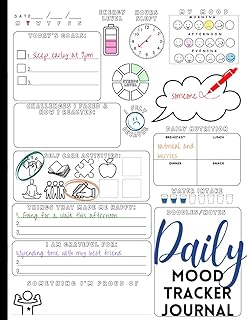
- Encourage Open Conversations: Create safe spaces for teens to express feelings without fear of judgment
- Educate on Mental Health: Provide accurate information to reduce stigma and increase understanding
- Promote Healthy Habits: Support balanced routines, including sleep, exercise, and nutrition
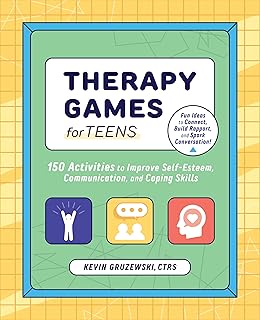
- Connect to Professionals: Help teens access therapists, counselors, or support groups for guidance
- Be Patient and Supportive: Offer consistent emotional support and avoid pressuring them to get better

Encourage Open Conversations: Create safe spaces for teens to express feelings without fear of judgment
Teens often struggle to articulate their emotions, let alone share them with others. This silence can exacerbate mental health issues, turning manageable problems into crises. Creating safe spaces where teens feel heard and accepted is crucial. Start by establishing clear boundaries: emphasize confidentiality, respect, and non-judgment. For instance, during family dinners or one-on-one check-ins, explicitly state, "This is a safe space to share anything—no topic is off-limits, and there’s no wrong way to feel." Such an environment reassures teens that their emotions won’t be dismissed or punished.
Consider the physical setting as well. A cluttered, noisy room can distract or overwhelm, while a calm, neutral space—like a quiet corner with comfortable seating—encourages openness. Schools can implement "calm corners" in classrooms or designate counselors’ offices as judgment-free zones. At home, turn off devices and face the teen directly to signal undivided attention. These small adjustments demonstrate that their feelings are prioritized, making it easier for them to express themselves.
Active listening is another cornerstone of fostering open conversations. Avoid interrupting or offering quick fixes; instead, reflect back what the teen says to show understanding. For example, if a teen mentions feeling overwhelmed by school, respond with, "It sounds like the workload is really weighing on you—that must be tough." This validates their experience and invites further dialogue. Be mindful of body language too: maintain eye contact, nod, and use open gestures to convey engagement.
Encouraging open conversations isn’t just about reacting—it’s also about initiating. Normalize discussions about mental health by sharing your own experiences or observations in a relatable way. For instance, you might say, "I remember feeling really anxious before exams when I was your age—how do you handle stress?" This models vulnerability and shows teens it’s okay to talk about difficult emotions. Pair these conversations with resources, like recommending a trusted therapist or sharing helpline numbers, to ensure they know support is available.
Finally, be patient and consistent. Building trust takes time, especially if a teen has experienced judgment or invalidation in the past. Regularly check in, even if they don’t open up immediately. Over time, they’ll recognize that the safe space you’ve created is reliable and genuine. Remember, the goal isn’t to solve their problems but to let them know they’re not alone—a powerful step in addressing mental health challenges.
Therapy's Impact: Unlocking Mental Health Healing and Personal Growth
You may want to see also
Explore related products


$13.48 $15.97
$9.59 $16.99


Educate on Mental Health: Provide accurate information to reduce stigma and increase understanding
Misinformation about mental health fuels stigma, leaving teens feeling isolated and ashamed. Accurate, age-appropriate education dismantles these barriers. Start by incorporating mental health literacy into school curricula. Lessons should cover common disorders like anxiety and depression, their symptoms, and available treatments. Use relatable examples and interactive activities to engage teens, ensuring the information resonates. For instance, role-playing scenarios can help them recognize signs of distress in themselves and peers.
Beyond formal education, leverage trusted sources like the National Alliance on Mental Illness (NAMI) or the World Health Organization (WHO) to disseminate reliable information. Create accessible materials—infographics, videos, or podcasts—tailored to teen attention spans and communication styles. Encourage open conversations at home and in community settings, emphasizing that mental health is as important as physical health. For parents and caregivers, workshops on recognizing early warning signs and effective communication strategies can be invaluable.
Stigma thrives in silence, so normalize discussions about mental health. Share stories of resilience and recovery from public figures or peers to humanize the struggle. Highlight that seeking help is a sign of strength, not weakness. Schools can host awareness campaigns or invite mental health professionals to speak, fostering a culture of empathy and understanding. Remember, consistency is key—make mental health education an ongoing effort, not a one-time event.
Finally, address misconceptions head-on. Correct myths like "mental illness is a choice" or "only weak people get depressed" with evidence-based facts. Encourage teens to question stereotypes and challenge stigmatizing language when they encounter it. By arming them with knowledge, you empower them to advocate for themselves and others. Education isn’t just about imparting facts—it’s about transforming attitudes and saving lives.
Boosting Mental Health: The Educational Benefits of Working
You may want to see also
Explore related products




Promote Healthy Habits: Support balanced routines, including sleep, exercise, and nutrition
Teens with mental illnesses often struggle with routines, making it harder for them to manage symptoms. Establishing a balanced daily structure that prioritizes sleep, exercise, and nutrition can act as a stabilizing force, reducing anxiety and improving mood. These habits don’t replace therapy or medication but serve as foundational supports, enhancing the effectiveness of professional treatment.
Sleep: The Non-Negotiable Pillar
Adolescents aged 13–18 need 8–10 hours of sleep nightly, yet many fall short due to school demands, screen time, or racing thoughts. Poor sleep exacerbates mental health issues like depression and anxiety, creating a vicious cycle. To help, encourage a consistent bedtime routine: limit screens an hour before bed, create a dark, quiet environment, and avoid caffeine after 2 p.m. For teens with insomnia, cognitive behavioral therapy for insomnia (CBT-I) can be a game-changer, teaching them to reframe sleep-related anxieties.
Exercise: More Than Physical Benefits
Physical activity isn’t just about fitness—it’s a natural mood booster. Studies show that 30–60 minutes of moderate exercise, like brisk walking or cycling, three times a week can reduce symptoms of depression and anxiety in teens. Incorporate movement into their day in ways they enjoy: dance classes, team sports, or even walking the dog. For reluctant teens, start small—a 10-minute walk can still release endorphins and build momentum.
Nutrition: Fuel for the Mind
What teens eat directly impacts their brain chemistry. A diet rich in omega-3 fatty acids (found in salmon, walnuts, and flaxseeds), whole grains, and leafy greens supports mental health by reducing inflammation and stabilizing blood sugar levels. Conversely, sugary snacks and processed foods can spike anxiety and irritability. Involve teens in meal planning or cooking to foster a sense of control and encourage healthier choices. Keep hydrated—dehydration mimics symptoms of anxiety, so remind them to drink water throughout the day.
Practical Tips for Implementation
Start with one habit at a time to avoid overwhelm. Use visual aids like a weekly planner to track progress, and celebrate small wins. For example, if a teen manages to go to bed 30 minutes earlier for three nights, acknowledge their effort. Be mindful of tone—avoid phrases like “you should” or “you have to,” which can trigger resistance. Instead, frame changes as collaborative experiments: “Let’s try this and see how you feel.”
Cautions and Considerations
While promoting healthy habits, avoid turning them into another source of stress. Perfection isn’t the goal—consistency is. Be aware of signs of orthorexia (obsession with healthy eating) or overexercising, which can mask deeper mental health struggles. Always consult a healthcare provider before making significant changes, especially if a teen is on medication that may interact with diet or exercise.
By fostering balanced routines, you provide teens with tools to manage their mental health proactively. These habits won’t cure disorders, but they create a resilient foundation, empowering teens to face challenges with greater stability and clarity.
Music Therapy: A Powerful Tool for Mental Health Healing?
You may want to see also
Explore related products



Connect to Professionals: Help teens access therapists, counselors, or support groups for guidance
Teens grappling with mental health issues often face barriers to professional help, from stigma to logistical hurdles. Connecting them with therapists, counselors, or support groups can be transformative, offering structured guidance and a safe space to process emotions. Start by researching local mental health resources—many communities offer sliding-scale therapy services or free counseling through schools, nonprofits, or telehealth platforms. For example, organizations like the National Alliance on Mental Illness (NAMI) provide directories of affordable providers and peer-led support groups tailored to teens.
Once you’ve identified options, approach the conversation with sensitivity. Frame professional help as a collaborative tool, not a punishment or sign of weakness. Use language like, “Let’s explore some ways to get extra support,” rather than, “You need to talk to someone.” If cost is a concern, investigate insurance coverage or programs like Medicaid, which often cover mental health services for minors. For teens hesitant to attend in-person sessions, suggest telehealth options, which can feel less intimidating and offer flexibility for busy schedules.
Support groups, particularly those led by peers, can complement individual therapy by fostering a sense of community. Groups like Teen Mental Health’s peer support programs or Anxiety and Depression Association of America’s teen-focused initiatives provide age-appropriate environments to share experiences. Encourage participation by explaining the benefits: hearing others’ stories can reduce feelings of isolation, and group settings often teach coping strategies through shared problem-solving. However, ensure the group is moderated by a trained professional to maintain safety and productivity.
Finally, monitor progress without being intrusive. Ask open-ended questions like, “How did your session go?” or “What did you learn this week?” instead of demanding details. If a teen seems resistant or disengaged, reassess the fit—not every therapist or group will resonate. It’s okay to switch providers or try a different format, such as art therapy or family counseling, to find the right match. The goal is consistent, professional support, not immediate perfection.
By proactively removing barriers and fostering trust, you can help teens view professional help as a valuable resource rather than an obstacle. This connection can be a cornerstone of their mental health journey, equipping them with tools to navigate challenges now and in the future.
Exploring the Link Between Sexual Fetishes and Mental Health Diagnosis
You may want to see also
Explore related products
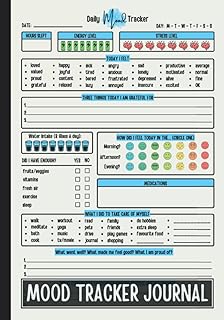


Be Patient and Supportive: Offer consistent emotional support and avoid pressuring them to get better
Teens battling mental illnesses often face an internal struggle that’s invisible to others, making their journey unpredictable and slow. Recovery isn’t linear—it’s a series of steps forward, backward, and sideways. As a supporter, your role isn’t to accelerate this process but to provide a steady presence. Imagine a marathon runner: they don’t need someone shouting, “Hurry up!” but rather a consistent cheerleader who says, “I’m here, no matter how long it takes.” This mindset shifts the focus from progress to connection, which is often more healing than any forced timeline.
Practical Tip: Establish small, daily rituals of connection—a 5-minute check-in, a shared meal, or a quiet walk. These moments create a sense of safety and continuity, signaling that your support isn’t tied to their improvement. Avoid phrases like, “You’re doing so much better!” or “Why are you still struggling?” Instead, use open-ended questions like, “How are you feeling today?” or “What’s been on your mind?” This validates their experience without imposing expectations.
Pressure to “get better” can backfire, amplifying feelings of failure or inadequacy. For instance, a teen with anxiety might withdraw further if they sense disappointment in your tone. Research shows that perceived pressure from loved ones can increase stress hormones like cortisol, exacerbating symptoms. Conversely, a supportive environment reduces physiological stress responses, fostering resilience. Think of it as tending a garden: you can’t force a flower to bloom, but consistent watering and sunlight create the conditions for growth.
Caution: Be mindful of your own frustrations. It’s natural to feel impatient, but projecting this onto the teen can erode trust. If you’re struggling, seek support from a therapist or peer group. Modeling self-care reinforces the message that it’s okay to take time and ask for help—a lesson teens can internalize for their own journey.
Consistency is the cornerstone of emotional support. Teens with mental illnesses often grapple with self-doubt and fear of abandonment. By showing up reliably—whether through daily texts, weekly outings, or simply being present during meltdowns—you counter these fears. Over time, this reliability becomes a foundation they can lean on, even when their inner world feels chaotic. For example, a teen with depression might not respond to your outreach, but knowing you’re there can be a lifeline on their darkest days.
Takeaway: Patience and support aren’t passive acts—they’re active choices that require awareness and effort. By avoiding pressure and offering unwavering presence, you create a safe space for teens to navigate their mental health at their own pace. This approach doesn’t guarantee immediate results, but it builds trust, fosters resilience, and communicates a powerful message: “You are enough, just as you are.”
Army Chaplains: Mental Health Allies in Military Service?
You may want to see also
Frequently asked questions
Look for persistent changes in behavior, mood, or performance, such as withdrawal from social activities, sudden decline in schoolwork, irritability, or expressions of hopelessness. Open communication and observing patterns over time are key.
Listen without judgment, validate their feelings, and encourage professional help like therapy or counseling. Maintain a supportive routine, educate yourself about their condition, and ensure they feel loved and understood.
Approach the topic gently and emphasize that seeking help is a sign of strength. Offer to accompany them to appointments, share resources, and involve a trusted adult or mental health professional to guide the conversation.