Lucas Bennett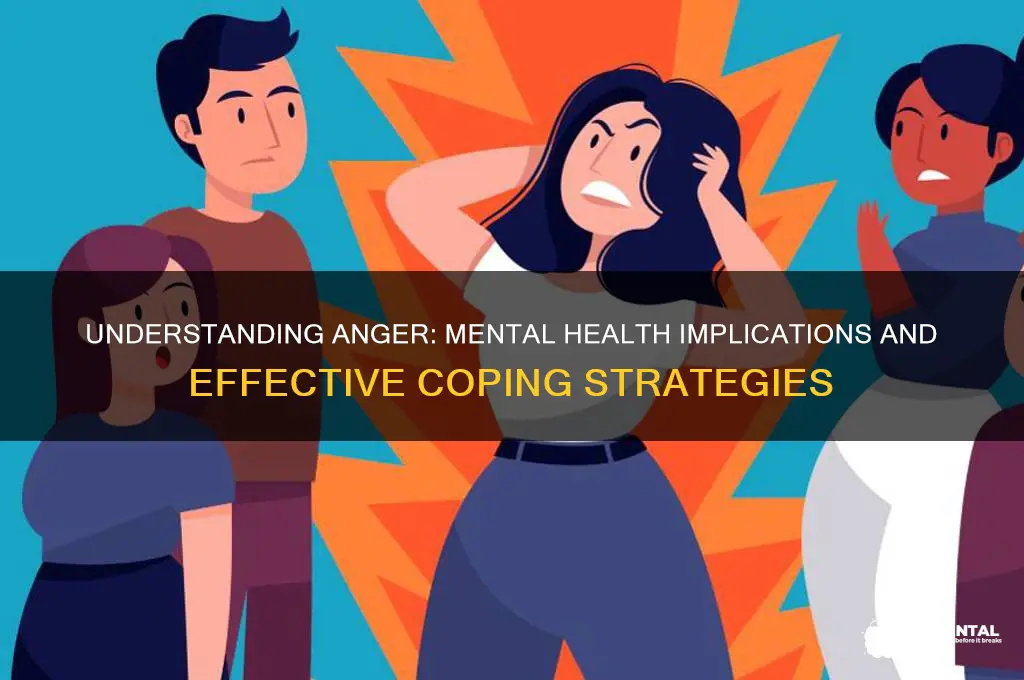
Anger, a natural and often adaptive emotional response, becomes a subject of concern when it escalates into a persistent or uncontrollable force, prompting the question: is anger a mental health issue? While occasional anger is a normal part of human experience, chronic or explosive anger can significantly impair one’s relationships, work, and overall well-being, potentially signaling underlying mental health challenges. Conditions such as intermittent explosive disorder, generalized anxiety disorder, or depression often manifest with heightened irritability or anger as a symptom. Moreover, unresolved anger can contribute to physical health problems, such as hypertension or heart disease, further complicating its relationship with mental health. Understanding whether anger is a standalone emotion or a symptom of a deeper psychological issue requires careful examination of its frequency, intensity, and impact on daily life, as well as the presence of co-occurring mental health disorders.
Explore related products



What You'll Learn
- Anger as a Symptom: Exploring anger’s role in underlying mental health conditions like depression or anxiety
- Anger Management Disorders: Diagnosing and treating conditions where anger is excessive or uncontrollable
- Emotional Regulation: How difficulty managing anger ties to broader emotional regulation challenges
- Anger and Trauma: The link between unresolved trauma and anger as a coping mechanism
- Cultural Perspectives: How societal norms influence perceptions of anger as a mental health issue

Anger as a Symptom: Exploring anger’s role in underlying mental health conditions like depression or anxiety
Anger, often dismissed as a fleeting emotion, can be a critical indicator of deeper mental health struggles. While it’s commonly associated with frustration or irritation, its persistent or disproportionate presence may signal underlying conditions like depression or anxiety. For instance, individuals with depression often experience irritability or anger as a response to feelings of hopelessness or helplessness. Similarly, those with anxiety may express anger as a defense mechanism against overwhelming fear or uncertainty. Recognizing anger as a symptom rather than a standalone issue is the first step in addressing the root cause.
Consider the case of a 35-year-old professional who frequently snaps at colleagues over minor issues. On the surface, this behavior might seem like a personality flaw, but a closer examination reveals chronic anxiety about job security and performance. Here, anger acts as a mask, concealing the individual’s deeper distress. Therapists often use cognitive-behavioral techniques to help patients identify these patterns, encouraging them to explore the emotions beneath the anger. Practical tips include maintaining a journal to track anger triggers and practicing mindfulness to create space between the emotion and reaction.
From a comparative perspective, anger in mental health conditions differs from situational anger in its intensity, frequency, and impact. While situational anger is typically proportional to the trigger and resolves quickly, anger as a symptom often feels disproportionate and persists long after the provoking event. For example, a person with generalized anxiety disorder might explode over a misplaced item, reflecting their constant state of heightened arousal. This distinction is crucial for both self-awareness and clinical assessment, as it helps differentiate between transient emotions and chronic mental health issues.
To address anger as a symptom, a multi-faceted approach is essential. Step one involves acknowledging the connection between anger and the underlying condition. Step two includes seeking professional help, such as therapy or medication, tailored to the specific diagnosis. For instance, selective serotonin reuptake inhibitors (SSRIs) may be prescribed for depression-related anger, while cognitive restructuring techniques are effective for anxiety-induced irritability. Caution should be taken to avoid self-medicating with substances, as this can exacerbate both anger and the underlying condition. Finally, lifestyle adjustments—like regular exercise, adequate sleep, and stress management—can significantly reduce anger’s intensity and frequency.
In conclusion, viewing anger as a symptom rather than a standalone issue shifts the focus from managing outbursts to treating the root cause. This perspective not only fosters empathy for those struggling with mental health conditions but also empowers individuals to seek targeted, effective interventions. By understanding anger’s role in conditions like depression and anxiety, we can move beyond superficial solutions and address the complex interplay of emotions that drive it.
Sharing Your Mental Health Struggles: A Guide to Open Communication
You may want to see also
Explore related products


Anger Management Disorders: Diagnosing and treating conditions where anger is excessive or uncontrollable
Anger, when excessive or uncontrollable, can be a symptom of an underlying mental health disorder rather than a standalone issue. Conditions like Intermittent Explosive Disorder (IED) are characterized by recurrent aggressive outbursts disproportionate to the situation, often leading to physical harm or property damage. Diagnosing such disorders requires a thorough evaluation by a mental health professional, who will assess the frequency, intensity, and impact of anger episodes. Unlike occasional frustration, which is a normal human emotion, anger management disorders significantly impair daily functioning and relationships, warranting clinical intervention.
Diagnosis begins with a detailed patient history, including the onset, triggers, and consequences of anger episodes. Clinicians may use standardized tools like the Anger Disorders Scale or the Overt Aggression Scale to quantify symptoms. It’s crucial to rule out co-occurring conditions such as depression, anxiety, or substance abuse, as these can exacerbate anger issues. For example, individuals with IED often experience a buildup of tension before an outburst, followed by relief afterward—a pattern distinct from other anger-related behaviors. Early diagnosis is key, as untreated anger disorders can lead to legal, occupational, and interpersonal repercussions.
Treatment typically involves a combination of psychotherapy and medication, tailored to the individual’s needs. Cognitive Behavioral Therapy (CBT) is a first-line approach, teaching patients to identify anger triggers, challenge irrational thoughts, and develop healthier coping strategies. Techniques like mindfulness and relaxation exercises can help manage physiological responses to anger. For severe cases, medications such as selective serotonin reuptake inhibitors (SSRIs) or mood stabilizers may be prescribed, often at dosages like 20–40 mg/day for fluoxetine or 100–200 mg/day for sertraline, adjusted based on response and side effects. Consistency in treatment is critical, as discontinuation can lead to relapse.
Practical tips for managing anger include maintaining a regular sleep schedule, as fatigue can lower frustration tolerance, and avoiding substances like alcohol or caffeine, which can heighten irritability. Keeping an anger journal to track episodes can provide insights into patterns and triggers. For caregivers or family members, setting boundaries and encouraging professional help without judgment is essential. While anger management disorders are challenging, with the right approach, individuals can regain control and improve their quality of life. The goal isn’t to eliminate anger—an impossible and unhealthy aim—but to channel it constructively.
Empowering Educators: Comprehensive Training on Mental Health Awareness
You may want to see also
Explore related products




Emotional Regulation: How difficulty managing anger ties to broader emotional regulation challenges
Anger, in itself, is not classified as a mental health disorder in diagnostic manuals like the DSM-5 or ICD-11. However, difficulty managing anger often signals deeper challenges with emotional regulation—a core skill tied to mental well-being. Emotional regulation refers to the ability to modulate emotional experiences, ensuring they align with situational demands and personal goals. When anger spirals out of control, it frequently exposes deficits in this broader capacity, which can manifest across various mental health conditions, from depression to borderline personality disorder.
Consider the case of a 32-year-old professional who explodes during team meetings, later feeling overwhelmed by guilt and shame. This pattern isn’t isolated to anger; they also struggle with impulsive spending during stress and emotional numbness in close relationships. Such examples illustrate how anger mismanagement often coexists with other dysregulated responses, forming a cycle that reinforces emotional instability. Research in *Psychological Science* highlights that individuals with poor emotional regulation are 3.5 times more likely to experience chronic anger issues, underscoring the interconnectedness of these challenges.
To address this, evidence-based strategies like Dialectical Behavior Therapy (DBT) offer structured approaches. DBT teaches skills such as mindfulness, distress tolerance, and emotion modulation, with studies showing a 50% reduction in anger outbursts after 12 weeks of consistent practice. For instance, the "DEAR MAN" technique (a DBT tool for assertive communication) helps individuals express anger constructively, reducing the likelihood of explosive reactions. Pairing such techniques with cognitive reframing—identifying anger triggers and challenging catastrophic thinking—can further enhance emotional control.
However, managing anger through emotional regulation isn’t solely about suppression or redirection. It involves cultivating emotional granularity—the ability to differentiate between nuanced feelings (e.g., frustration vs. resentment). A study in *Emotion* found that individuals who could accurately label their emotions experienced 40% less anger-related conflict. Practical tips include maintaining an emotion journal, tracking physiological cues (e.g., clenched fists, rapid heartbeat), and practicing deep breathing exercises to interrupt the fight-or-flight response.
Ultimately, viewing anger through the lens of emotional regulation shifts the focus from symptom management to skill-building. It’s not about eliminating anger—a natural, adaptive emotion—but about refining the ability to respond to it thoughtfully. For those struggling, combining professional guidance with consistent self-practice can transform anger from a destabilizing force into a manageable, even instructive, part of emotional life.
Supporting Your Girlfriend Through Mental Health Challenges: A Compassionate Guide
You may want to see also
Explore related products






Anger and Trauma: The link between unresolved trauma and anger as a coping mechanism
Anger often masks deeper emotional wounds, particularly when it stems from unresolved trauma. Trauma, whether experienced in childhood or adulthood, can rewire the brain’s response to stress, making anger a default coping mechanism. For instance, individuals who have endured abuse, neglect, or significant loss may find themselves lashing out in situations that remind them of their trauma, even if the trigger seems minor. This reaction isn’t about the present moment but about the brain’s attempt to protect itself from reliving past pain. Understanding this link is crucial, as it reframes anger not as a character flaw but as a symptom of unprocessed trauma.
Consider the case of a combat veteran who explodes in rage during a loud family gathering. The noise and chaos may subconsciously transport them back to the battlefield, triggering a fight-or-flight response. Here, anger serves as a shield, a way to assert control in an environment that feels threatening. Similarly, a child who grew up in a volatile household might carry this pattern into adulthood, using anger to avoid feeling vulnerable or powerless. These examples illustrate how trauma can hijack emotional regulation, turning anger into a maladaptive but understandable survival tool.
Breaking this cycle requires more than anger management techniques; it demands addressing the root cause. Therapies like Eye Movement Desensitization and Reprocessing (EMDR) or Cognitive Behavioral Therapy (CBT) can help individuals process trauma safely. For adults, mindfulness practices such as deep breathing or progressive muscle relaxation can interrupt the anger response in the moment. For children, play therapy or art therapy provides a non-verbal outlet to express emotions they may not yet understand. The key is to create a safe space for healing, where anger is acknowledged as a messenger, not the enemy.
However, navigating this process alone can be overwhelming. Seeking professional help is essential, especially when anger escalates to physical aggression or self-harm. Support groups for trauma survivors can also provide validation and strategies from those who’ve walked a similar path. Remember, healing isn’t linear—setbacks are part of the journey. By recognizing anger as a symptom of unresolved trauma, individuals can begin to untangle the emotional knots that bind them, fostering healthier relationships with themselves and others.
Supporting Educators: Strategies for Teachers Managing Mental Health Challenges
You may want to see also
Explore related products

$12.99



Cultural Perspectives: How societal norms influence perceptions of anger as a mental health issue
Anger, as an emotion, is universally experienced, yet its interpretation and management vary dramatically across cultures. In individualistic societies like the United States, anger is often viewed as a personal failure or a symptom of underlying mental health issues, such as intermittent explosive disorder or depression. Conversely, in collectivist cultures like Japan, anger is frequently suppressed to maintain social harmony, with public displays of frustration considered a breach of societal norms rather than a mental health concern. This divergence highlights how cultural values shape the lens through which anger is perceived, determining whether it is pathologized or normalized.
Consider the role of gender norms in shaping anger's cultural interpretation. In many Western societies, men are socially conditioned to express anger openly, often linking it to assertiveness or leadership. Women, however, are typically expected to suppress anger, with expressions of frustration labeled as "hysterical" or "emotional." This double standard not only influences how anger is perceived but also affects access to mental health resources. For instance, men may be less likely to seek help for anger-related issues due to stigma, while women may be misdiagnosed or undertreated because their anger is dismissed as a secondary symptom.
Practical steps can be taken to navigate these cultural complexities. For mental health professionals, incorporating cultural competency training is essential. This includes understanding how anger is expressed and perceived within specific cultural contexts, such as recognizing that a client from a high-context culture (e.g., China) may communicate anger indirectly through silence or passive behavior. For individuals, self-awareness is key. Reflecting on personal cultural biases and seeking diverse perspectives can help reframe anger as a multifaceted emotion rather than a monolithic mental health issue.
A comparative analysis reveals that indigenous cultures often view anger through a restorative lens, focusing on reconciliation rather than punishment. For example, some Native American communities use talking circles to address conflicts, emphasizing collective healing over individual blame. This contrasts sharply with Western therapeutic approaches, which often target anger management through cognitive-behavioral techniques. By integrating these culturally informed practices, mental health interventions can become more inclusive and effective, acknowledging that anger is not inherently pathological but rather a signal that varies in meaning and expression across societies.
Ultimately, the cultural framing of anger as a mental health issue is not fixed but fluid, shaped by evolving societal norms and global interactions. As cultures continue to intersect, there is an opportunity to redefine anger as a universal human experience deserving of nuanced understanding, rather than a one-size-fits-all diagnosis. This shift requires both systemic changes in mental health care and individual willingness to challenge ingrained cultural assumptions, fostering a more compassionate and culturally responsive approach to anger.
Supporting Your Adult Son: Navigating Mental Health Challenges Together
You may want to see also
Frequently asked questions
Anger is a normal human emotion, but when it becomes excessive, uncontrollable, or harmful, it may be a symptom of an underlying mental health issue, such as intermittent explosive disorder or depression.
Yes, anger can be a response to prolonged stress or anxiety. It often serves as a secondary emotion masking feelings of fear, frustration, or overwhelm.
Yes, anger management is a therapeutic approach designed to help individuals understand and control their anger, often addressing underlying mental health concerns in the process.
Yes, chronic or unresolved anger can contribute to mental health issues like depression, anxiety, and even physical health problems, such as high blood pressure or heart disease.
Yes, disorders like intermittent explosive disorder, borderline personality disorder, and bipolar disorder often involve intense or unpredictable anger as a key symptom.