Ava Ramirez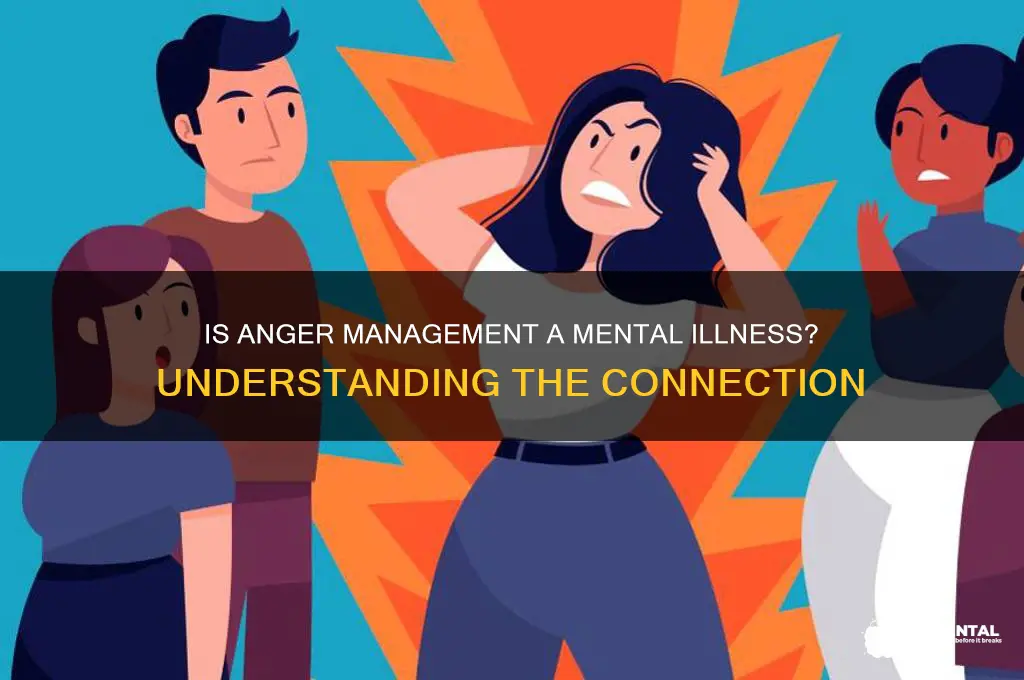
Anger management issues are often misunderstood, with many questioning whether they qualify as a mental illness. While anger itself is a normal human emotion, persistent and uncontrollable outbursts that disrupt daily life may indicate an underlying mental health condition. Conditions such as intermittent explosive disorder (IED) are recognized in diagnostic manuals like the DSM-5, categorizing severe anger issues as a mental health concern. Additionally, anger can be a symptom of other disorders, such as depression, anxiety, or bipolar disorder, further complicating its classification. Understanding whether anger management issues constitute a mental illness requires examining their severity, frequency, and impact on an individual’s functioning, as well as exploring potential co-occurring conditions.
| Characteristics | Values |
|---|---|
| Definition | Anger management issues refer to difficulty controlling anger or responding inappropriately to situations that trigger anger. |
| Classification | Not a standalone mental illness but can be a symptom of underlying mental health conditions. |
| Associated Disorders | Intermittent Explosive Disorder (IED), Borderline Personality Disorder (BPD), Depression, Anxiety, PTSD, ADHD. |
| Symptoms | Frequent outbursts, irritability, aggression, physical violence, verbal abuse, difficulty calming down. |
| Causes | Genetic predisposition, environmental factors, learned behavior, trauma, substance abuse, chronic stress. |
| Diagnosis | Clinical assessment, psychological evaluation, ruling out other conditions. |
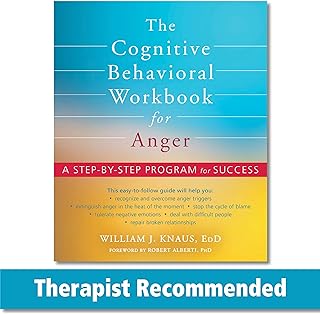
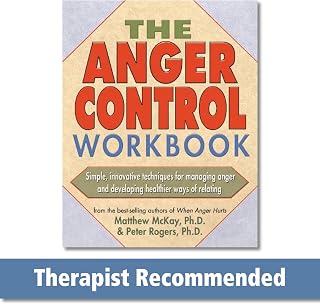
| Treatment | Cognitive Behavioral Therapy (CBT), anger management classes, medication (for underlying conditions), mindfulness, relaxation techniques. |
| Impact | Strained relationships, workplace issues, legal problems, physical health complications (e.g., hypertension). |
| Prevalence | Common; affects individuals across all ages, genders, and backgrounds. |
| Prognosis | Manageable with proper treatment and self-awareness; long-term improvement possible. |
Explore related products



What You'll Learn
- Anger vs. Mental Health: Distinguishing normal anger from symptoms of mental health disorders
- Diagnostic Criteria: Exploring if anger management meets mental illness classification standards
- Underlying Causes: Examining mental health conditions linked to chronic anger issues
- Treatment Approaches: Therapies and strategies for managing anger as a mental health concern
- Stigma and Perception: Societal views on anger management as a mental illness

Anger vs. Mental Health: Distinguishing normal anger from symptoms of mental health disorders
Anger is a universal emotion, but its expression and intensity vary widely among individuals. While occasional anger is a normal part of human experience, persistent and uncontrollable anger can signal underlying mental health issues. Distinguishing between the two requires understanding the context, frequency, and impact of anger on daily life. For instance, feeling frustrated when stuck in traffic is typical, but lashing out physically or verbally in minor inconveniences may indicate a deeper problem. Recognizing this difference is the first step in addressing whether anger management issues stem from situational stress or a mental health disorder.
To differentiate normal anger from symptoms of mental health disorders, consider the duration and triggers. Normal anger is often proportional to the situation and subsides once the issue is resolved. In contrast, anger associated with mental health disorders, such as intermittent explosive disorder (IED) or borderline personality disorder (BPD), may arise unexpectedly, be disproportionate to the trigger, and persist long after the event. For example, someone with IED might experience sudden, severe outbursts over small irritations, while a person with BPD may struggle with intense anger in response to perceived abandonment. Tracking patterns in anger episodes can help identify whether professional intervention is necessary.
Practical strategies can help manage anger effectively, regardless of its origin. Techniques like deep breathing, mindfulness, and cognitive reframing are widely recommended for immediate de-escalation. For instance, taking slow, deep breaths activates the parasympathetic nervous system, reducing physiological arousal. However, if these methods fail to control anger over time, it may be a sign of an underlying mental health condition. In such cases, seeking therapy, such as cognitive-behavioral therapy (CBT), can provide tailored tools to address both the anger and its root causes. Medications like selective serotonin reuptake inhibitors (SSRIs) may also be prescribed for disorders where anger is a symptom.
Comparing anger in mental health disorders to standalone anger management issues highlights the importance of context. Standalone anger issues often stem from learned behaviors, environmental stressors, or lack of coping skills, whereas anger in disorders like depression or bipolar disorder is intertwined with other symptoms. For example, a person with depression might experience irritability as part of their low mood, while someone with bipolar disorder may exhibit aggressive anger during manic episodes. Understanding this distinction ensures that treatment targets the correct underlying issue, whether it’s improving emotional regulation or managing a broader mental health condition.
Ultimately, anger itself is not a mental illness, but its chronic and disruptive nature can be a symptom of one. The key lies in observing how anger manifests and its impact on relationships, work, and overall well-being. If anger interferes with daily functioning, causes harm to oneself or others, or feels uncontrollable, it’s crucial to consult a mental health professional. Early intervention can prevent escalation and provide a pathway to healthier emotional expression, whether through therapy, medication, or lifestyle changes. Recognizing the line between normal anger and a potential disorder empowers individuals to take proactive steps toward mental health and emotional balance.
Understanding Mental Health: Effective Ways to Describe Your Inner Struggles
You may want to see also
Explore related products


Diagnostic Criteria: Exploring if anger management meets mental illness classification standards
Anger management issues are often discussed in the context of mental health, but do they meet the rigorous criteria for classification as a mental illness? To answer this, we must examine the diagnostic standards outlined in authoritative frameworks such as the *Diagnostic and Statistical Manual of Mental Disorders* (DSM-5) and the *International Classification of Diseases* (ICD-11). These systems require symptoms to cause significant distress or impairment, persist over time, and not be better explained by other conditions. While anger itself is a normal emotion, its dysregulation can manifest in ways that resemble diagnosable disorders, such as Intermittent Explosive Disorder (IED), which is characterized by recurrent aggressive outbursts disproportionate to the situation. However, not all anger management issues align with IED or other specific diagnoses, leaving a gray area in classification.
To explore this further, consider the diagnostic criteria for IED, which include episodic aggression, impulsivity, and a lack of premeditation. These episodes must occur at least twice weekly over three months or cause significant distress or impairment. While this framework provides a starting point, it excludes individuals whose anger issues are less frequent but equally disruptive. For instance, someone who experiences rare but severe outbursts that damage relationships or careers may not meet IED criteria but still require intervention. This highlights a limitation in current diagnostic standards: they prioritize frequency and severity over contextual impact, potentially leaving some individuals without a clear classification or access to targeted treatment.
From a practical standpoint, clinicians often assess anger management issues using dimensional approaches rather than categorical diagnoses. This involves evaluating the intensity, frequency, and consequences of anger episodes, as well as underlying factors like trauma, substance use, or co-occurring disorders. For example, cognitive-behavioral therapy (CBT) and dialectical behavior therapy (DBT) are evidence-based interventions that address anger dysregulation, regardless of whether it meets formal diagnostic thresholds. These therapies focus on skill-building, such as emotional regulation and distress tolerance, which can be tailored to individual needs without requiring a specific diagnosis. This underscores the importance of a flexible, person-centered approach in managing anger-related challenges.
A comparative analysis reveals that while anger management issues share features with mental illnesses—such as emotional dysregulation and functional impairment—they often lack the specificity required for classification. Unlike disorders like depression or anxiety, which have distinct symptom clusters, anger dysregulation can stem from diverse etiologies, including neurological, environmental, and psychological factors. This complexity complicates efforts to standardize diagnosis, as a one-size-fits-all approach may overlook the nuanced experiences of individuals. For instance, a teenager with anger issues due to peer pressure may require different interventions than an adult with a history of trauma, even if their outward behaviors appear similar.
In conclusion, while anger management issues do not always meet the strict diagnostic criteria for mental illness, they warrant careful assessment and intervention. Clinicians and researchers must balance the need for standardized classification with the reality of individual variability. By adopting a dimensional perspective and leveraging evidence-based therapies, it is possible to address anger dysregulation effectively, even in the absence of a formal diagnosis. This approach ensures that individuals receive tailored support, bridging the gap between diagnostic criteria and real-world clinical practice.
Supporting Your Child’s Mental Health: Practical Steps for Parents
You may want to see also
Explore related products




Underlying Causes: Examining mental health conditions linked to chronic anger issues
Chronic anger doesn’t exist in a vacuum. Often, it’s a symptom of deeper mental health conditions that distort how individuals perceive and respond to their environment. Conditions like depression, anxiety, and post-traumatic stress disorder (PTSD) frequently co-occur with anger issues, creating a cycle where one exacerbates the other. For instance, someone with untreated depression may express their emotional numbness or frustration through irritability and outbursts. Similarly, individuals with generalized anxiety disorder might react with anger when overwhelmed by persistent worry, using it as a defense mechanism to regain a sense of control. Recognizing these connections is crucial, as addressing the underlying condition can significantly reduce anger’s intensity and frequency.
Consider the case of intermittent explosive disorder (IED), a lesser-known but highly relevant condition directly linked to chronic anger. IED is characterized by recurrent, impulsive, and disproportionate outbursts of aggression, often resulting in physical or verbal assaults. Research indicates that individuals with IED frequently have comorbid conditions such as ADHD, bipolar disorder, or borderline personality disorder. For example, someone with ADHD may struggle with emotional regulation and impulsivity, leading to sudden anger episodes. Treatment for IED often involves a combination of cognitive-behavioral therapy (CBT) and medications like selective serotonin reuptake inhibitors (SSRIs), which can help stabilize mood and reduce aggression. Identifying IED as a potential root cause allows for targeted interventions rather than merely treating surface-level symptoms.
Another critical factor is the role of trauma in fueling chronic anger. Individuals who have experienced childhood abuse, combat, or other traumatic events often develop hypervigilance, a heightened state of arousal that can trigger anger in response to perceived threats. PTSD, a common aftermath of trauma, frequently manifests as irritability and aggressive behavior. For instance, a veteran with PTSD might react angrily to loud noises or crowded spaces, their brain interpreting these stimuli as dangerous. Trauma-focused therapies, such as eye movement desensitization and reprocessing (EMDR) or prolonged exposure therapy, can help individuals process traumatic memories and reduce anger responses. Without addressing the trauma, anger management strategies alone may offer limited relief.
Finally, personality disorders, particularly borderline personality disorder (BPD), are strongly associated with chronic anger issues. Individuals with BPD often experience intense emotional instability, fear of abandonment, and difficulty regulating emotions, leading to explosive anger. Dialectical behavior therapy (DBT), specifically designed for BPD, teaches skills like mindfulness, distress tolerance, and emotion regulation to help individuals manage anger more effectively. For example, a DBD technique called "DEAR MAN" provides a structured approach to assert needs without resorting to aggression. While BPD is complex and requires long-term treatment, integrating anger management within a broader therapeutic framework can yield significant improvements in emotional control and interpersonal relationships.
Understanding the mental health conditions underlying chronic anger transforms how we approach treatment. Instead of viewing anger as a standalone issue, it becomes a symptom to be decoded, pointing to deeper emotional or psychological struggles. Whether it’s depression, PTSD, IED, or BPD, tailored interventions that address the root cause offer the most sustainable relief. For practitioners and individuals alike, this means moving beyond generic anger management techniques to adopt a more nuanced, condition-specific approach. By doing so, we not only mitigate anger but also improve overall mental health and quality of life.
Supporting Your Partner’s Mental Health: Compassionate Strategies for Healing Together
You may want to see also
Explore related products

$16.16 $24.95





Treatment Approaches: Therapies and strategies for managing anger as a mental health concern
Anger, when persistent and disruptive, is recognized as a mental health concern often linked to conditions like intermittent explosive disorder or as a symptom of others, such as depression or PTSD. Treatment approaches focus on therapies and strategies designed to manage anger effectively, addressing its underlying causes and improving emotional regulation. These interventions are not one-size-fits-all but tailored to individual needs, severity, and context.
Cognitive Behavioral Therapy (CBT) stands as a cornerstone in anger management. This evidence-based approach helps individuals identify and challenge maladaptive thought patterns that fuel anger, such as catastrophizing or black-and-white thinking. For example, a person might learn to replace the thought, "They’re deliberately ignoring me," with, "They might be busy or distracted." CBT typically involves 12–20 sessions, each lasting 45–60 minutes, and includes homework assignments like thought records or relaxation exercises. A key takeaway is that changing how you think about anger-provoking situations can significantly reduce emotional reactivity.
Mindfulness-based interventions offer another pathway to managing anger. Practices like mindfulness meditation, deep breathing, and body scans teach individuals to observe their emotions without judgment, creating a pause between stimulus and response. For instance, a 5-minute daily mindfulness practice can help someone notice physical signs of anger (e.g., clenched fists, rapid heartbeat) early, allowing them to intervene before escalation. Research shows that mindfulness reduces amygdala activity, the brain’s alarm center, fostering greater emotional control. Incorporating these practices into daily routines, even for just 10 minutes, can yield long-term benefits.
Skill-building strategies, such as communication and problem-solving techniques, are essential for practical anger management. Assertiveness training, for example, teaches individuals to express needs and boundaries without aggression. The "DEAR MAN" technique (from Dialectical Behavior Therapy) guides individuals to Describe the situation, Express emotions, Assert needs, and Reinforce the outcome—a structured approach to conflict resolution. Role-playing scenarios in therapy sessions can build confidence in applying these skills. For couples or families, joint sessions can improve communication dynamics, reducing anger triggers in relationships.
Pharmacotherapy, while not a standalone solution, can complement therapy for individuals with severe or co-occurring conditions. Medications like selective serotonin reuptake inhibitors (SSRIs) or mood stabilizers may address underlying issues like depression or bipolar disorder that contribute to anger. Dosages vary—for instance, fluoxetine (Prozac) typically starts at 20 mg/day and may increase to 60 mg/day under medical supervision. However, medication should always be paired with therapy to address behavioral and cognitive aspects of anger. Caution: Side effects and dependency risks must be monitored, especially in adolescents or those with substance use histories.
In conclusion, managing anger as a mental health concern requires a multifaceted approach, combining therapeutic techniques, mindfulness practices, skill-building, and, in some cases, medication. The goal is not to eliminate anger—a natural emotion—but to transform it into a manageable, constructive force. With consistent effort and tailored interventions, individuals can regain control, improve relationships, and enhance overall well-being.
Healing Minds: Practical Steps to Overcome Mental Health Challenges
You may want to see also
Explore related products


$6.69 $15.99




Stigma and Perception: Societal views on anger management as a mental illness
Anger management issues are often misunderstood, lumped into the category of personal failings rather than recognized as potential symptoms of underlying mental health conditions. This misconception fuels societal stigma, perpetuating the idea that individuals struggling with anger simply lack self-control or discipline. However, anger can be a manifestation of disorders such as intermittent explosive disorder, depression, or anxiety, which are clinically recognized mental health issues. Despite this, the public often views anger management problems through a moral lens, attributing them to character flaws rather than neurological or psychological factors. This perspective not only minimizes the struggles of those affected but also discourages them from seeking professional help.
Consider the workplace, a common arena where anger management issues are scrutinized. An employee who frequently loses their temper might be labeled as "difficult" or "unprofessional," facing consequences like demotion or termination. Rarely is there an inquiry into whether their anger stems from untreated mental health conditions. This reactionary approach contrasts sharply with how society addresses physical illnesses. For instance, an employee with diabetes would likely receive accommodations or support, not punishment. The disparity highlights how anger-related issues are stigmatized, treated as a choice rather than a health concern. Such societal attitudes reinforce the notion that mental health struggles are less valid than physical ones.
Education plays a pivotal role in shifting perceptions. Schools and workplaces could integrate anger management training not as a corrective measure but as a preventive one, akin to first-aid or stress management programs. For example, teaching cognitive-behavioral techniques, such as deep breathing exercises or emotional self-awareness, can empower individuals to manage anger before it escalates. Additionally, public campaigns could reframe anger management issues as part of the broader mental health spectrum, emphasizing that seeking help is a sign of strength, not weakness. Practical steps like these could gradually dismantle the stigma, fostering a more compassionate and informed societal view.
Comparatively, the evolution of societal attitudes toward depression offers a roadmap. Decades ago, depression was often dismissed as mere sadness or laziness. Today, it is widely acknowledged as a legitimate mental health condition, thanks to advocacy, research, and open dialogue. Anger management issues could follow a similar trajectory if given the same attention and resources. By drawing parallels and learning from past successes, society can move toward a more nuanced understanding of anger, recognizing it as a complex emotional response that sometimes requires professional intervention.
Ultimately, the stigma surrounding anger management as a mental illness is a barrier to progress. It prevents individuals from accessing the support they need and perpetuates harmful stereotypes. To break this cycle, society must adopt a dual approach: destigmatizing anger-related issues through education and advocacy while promoting accessible mental health resources. Only then can anger management be seen not as a personal failing but as a treatable condition deserving of empathy and understanding.
Mental Breakdowns: A Serious Health Issue or Temporary Crisis?
You may want to see also
Frequently asked questions
Anger management issues themselves are not classified as a mental illness in diagnostic manuals like the DSM-5 or ICD-11. However, they can be a symptom of underlying mental health conditions such as intermittent explosive disorder, depression, anxiety, or bipolar disorder.
Yes, persistent and severe anger management problems may lead to a diagnosis of a specific mental health condition, such as intermittent explosive disorder (IED), which is characterized by recurrent aggressive outbursts disproportionate to the situation.
Yes, anger management issues are treatable, often through therapy, counseling, or anger management programs. Treatment frequently involves mental health care professionals, such as psychologists or therapists, who use techniques like cognitive-behavioral therapy (CBT) to address underlying causes and improve coping strategies.