Noah Parker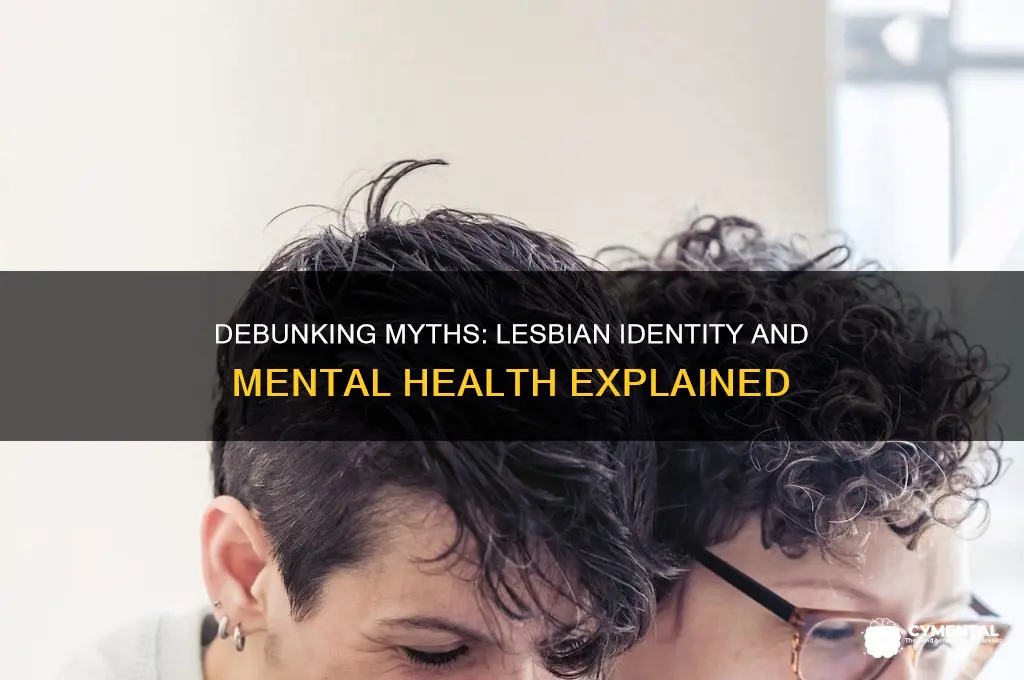
The question of whether being a lesbian is a mental issue is rooted in outdated and harmful misconceptions that have been widely discredited by the scientific and medical communities. Major organizations, including the American Psychiatric Association (APA) and the World Health Organization (WHO), have long affirmed that homosexuality, including lesbianism, is a natural variation of human sexuality and not a mental disorder. The classification of homosexuality as a mental illness was removed from diagnostic manuals decades ago, reflecting a growing understanding of sexual orientation as an inherent aspect of identity rather than a pathological condition. To suggest otherwise perpetuates stigma, discrimination, and misinformation, undermining the well-being and dignity of LGBTQ+ individuals. Instead, efforts should focus on promoting acceptance, equality, and access to supportive resources for all sexual orientations.
Explore related products


What You'll Learn

Historical Misclassification of Homosexuality
Homosexuality, including lesbianism, was once classified as a mental disorder, a misstep rooted in societal ignorance and medical oversimplification. In 1952, the American Psychiatric Association (APA) included “homosexuality” in the *Diagnostic and Statistical Manual of Mental Disorders (DSM-I)*, labeling it a “sociopathic personality disturbance.” This classification persisted until 1973, when the APA removed it following activism and research demonstrating that same-sex attraction was a natural variation of human sexuality, not a pathology. This historical misclassification reflects how cultural biases infiltrated scientific discourse, stigmatizing millions and justifying discriminatory practices like conversion therapy.
The inclusion of homosexuality in the DSM was not based on empirical evidence but on prevailing moral and religious attitudes of the time. Psychiatrists like Irving Bieber, whose 1962 book *Homosexuality: A Psychoanalytic Study of Male Homosexuals* argued that homosexuality resulted from distant fathers and overbearing mothers, influenced this perspective. Such theories were widely accepted despite lacking scientific rigor, illustrating how pseudo-scientific explanations can perpetuate harm when divorced from objective inquiry. The misclassification also reinforced the idea that lesbianism and homosexuality were curable conditions, leading to decades of unethical treatments that caused psychological and emotional trauma.
Decades of activism by LGBTQ+ advocates and allies were instrumental in challenging this misclassification. The 1969 Stonewall riots marked a turning point, galvanizing the gay rights movement and pushing for societal and institutional change. By 1973, the APA’s decision to remove homosexuality from the DSM was a victory, but it was only the beginning. It took until 1990 for the World Health Organization (WHO) to follow suit by removing homosexuality from the *International Classification of Diseases (ICD-10)*. These milestones highlight the power of collective action in dismantling harmful narratives and correcting institutional wrongs.
The legacy of this misclassification persists in ongoing debates about LGBTQ+ rights and mental health. While lesbianism and homosexuality are no longer pathologized, the stigma they carried continues to affect individuals’ access to healthcare, education, and social acceptance. For example, conversion therapy, though discredited, remains legal in many parts of the world, perpetuating the idea that LGBTQ+ identities are abnormal. Understanding this history is crucial for addressing current challenges and ensuring that mental health frameworks are grounded in evidence, not prejudice.
Correcting historical misclassifications requires not only scientific reevaluation but also cultural and educational shifts. Schools, healthcare providers, and policymakers must actively combat misinformation and promote inclusivity. Practical steps include integrating LGBTQ+ history into curricula, training mental health professionals to provide affirming care, and advocating for laws that protect LGBTQ+ individuals from discrimination. By learning from past mistakes, society can move toward a more just and equitable understanding of human diversity.
Understanding Asexuality: Debunking Myths and Mental Health Misconceptions
You may want to see also
Explore related products


Current Psychological Perspectives on Sexual Orientation
Sexual orientation, including lesbian identity, is no longer classified as a mental disorder by any major psychological or psychiatric authority. The American Psychiatric Association (APA) removed homosexuality from the Diagnostic and Statistical Manual of Mental Disorders (DSM) in 1973, marking a pivotal shift in psychological perspectives. This decision was rooted in empirical research demonstrating that same-sex attraction is a natural variation of human sexuality, not a pathology. Today, psychological frameworks emphasize understanding sexual orientation as an inherent aspect of identity, rather than a condition requiring treatment.
From an analytical standpoint, current psychological perspectives focus on the interplay between biological, psychological, and social factors in shaping sexual orientation. Studies in genetics, neuroscience, and developmental psychology suggest that sexual orientation is influenced by a complex combination of prenatal hormonal exposure, genetic predispositions, and early environmental factors. For instance, research on fraternal birth order and maternal immune responses has identified correlations with male homosexuality. These findings underscore that being lesbian, like other sexual orientations, emerges from a multifaceted developmental process, not from psychological dysfunction.
Instructively, mental health professionals are now trained to approach lesbian individuals with a framework of affirmation and support. The APA’s guidelines emphasize the importance of creating safe, nonjudgmental spaces for clients to explore their identities. Therapists are encouraged to address internalized stigma, which often arises from societal misconceptions, rather than treating sexual orientation itself as a problem. Practical strategies include cognitive-behavioral techniques to challenge negative self-beliefs and mindfulness practices to foster self-acceptance. For adolescents, family therapy can help navigate coming-out processes, ensuring parental understanding and support.
Comparatively, the historical pathologization of homosexuality highlights the evolution of psychological thought. Early theories, such as Sigmund Freud’s notion of arrested psychosexual development, reflected cultural biases rather than scientific evidence. In contrast, contemporary psychology adopts a strengths-based approach, recognizing the resilience of LGBTQ+ individuals in the face of discrimination. For example, studies show that lesbians often develop robust social support networks, which contribute to psychological well-being. This shift from deficit-focused to asset-focused perspectives has transformed how psychologists understand and support diverse sexual orientations.
Descriptively, the current psychological landscape is characterized by a commitment to inclusivity and evidence-based practice. Organizations like the World Professional Association for Transgender Health (WPATH) and the APA provide guidelines for ethical care, ensuring that lesbian and other LGBTQ+ individuals receive services tailored to their unique needs. Workshops, continuing education, and cultural competency training are now standard for mental health professionals. These efforts aim to dismantle lingering biases and promote a nuanced understanding of sexual orientation as a spectrum, not a binary. In this context, being lesbian is recognized as a valid and healthy expression of human diversity.
Recognizing Mental Health Issues: Essential Signs and Early Detection Tips
You may want to see also
Explore related products


Societal Stigma vs. Mental Health
The World Health Organization removed homosexuality from its list of mental disorders in 1990, yet societal stigma persists, often conflating sexual orientation with mental illness. This stigma manifests in various ways: discriminatory laws, religious condemnation, and cultural ostracization. For lesbians, the impact of this stigma is profound, creating an environment where their identity is pathologized, not celebrated. This external pressure, not their sexual orientation, is the root of many mental health challenges they face.
Consider the psychological toll of living in a society that treats your identity as a disorder. Studies show that lesbians are at higher risk for anxiety, depression, and substance abuse—not because of their orientation, but due to chronic stress from discrimination, rejection, and internalized homophobia. For instance, a 2019 survey by the Williams Institute found that 42% of lesbian respondents reported experiencing depression, compared to 29% of heterosexual women. This disparity highlights how societal stigma, not sexual orientation, is the critical factor in mental health outcomes.
To address this, mental health professionals must distinguish between the effects of stigma and inherent aspects of being a lesbian. Therapists should focus on building resilience, fostering self-acceptance, and providing tools to navigate societal pressures. For example, cognitive-behavioral therapy (CBT) can help individuals reframe negative beliefs instilled by societal stigma. Support groups and community networks also play a vital role in combating isolation and fostering a sense of belonging.
A comparative analysis reveals that societies with greater LGBTQ+ acceptance report lower rates of mental health issues among lesbians. Countries like the Netherlands and Canada, which have robust anti-discrimination laws and inclusive education, demonstrate that reducing stigma directly improves mental well-being. Conversely, regions with pervasive homophobia, such as parts of Africa and the Middle East, show higher rates of mental health struggles among lesbians. This underscores the need for systemic change to dismantle stigma.
In practical terms, allies and policymakers can take actionable steps to mitigate stigma. Advocate for inclusive education that normalizes diverse sexual orientations from a young age. Support legislation that protects LGBTQ+ individuals from discrimination in housing, employment, and healthcare. Challenge harmful stereotypes in media and public discourse. By addressing stigma at its roots, we can create a society where being a lesbian is not a source of mental distress but a natural, celebrated part of human diversity.
Empathetic Strategies for Supporting Clients with Mental Health Challenges
You may want to see also
Explore related products


Impact of Discrimination on Well-being
Discrimination against lesbians often manifests as systemic exclusion, microaggressions, or overt hostility, creating a chronic stressor that erodes mental and emotional well-being. Studies show that lesbian individuals face higher rates of anxiety, depression, and suicidal ideation compared to heterosexual peers. For instance, a 2020 report by the Williams Institute found that 42% of lesbian women experienced depression, compared to 29% of heterosexual women. This disparity is not inherent to sexual orientation but directly linked to societal stigma and discrimination.
Consider the cumulative effect of daily stressors: being misgendered, hearing homophobic slurs, or fearing physical harm. These experiences activate the body’s stress response, releasing cortisol, which, over time, can lead to physiological issues like hypertension or weakened immunity. For young adults aged 18–25, a critical developmental period, such chronic stress can disrupt identity formation and academic or career trajectories. Practical strategies to mitigate this include seeking supportive communities, practicing mindfulness, and accessing LGBTQ+-affirming therapy.
From a comparative perspective, regions with strong anti-discrimination laws and social acceptance report lower mental health disparities among lesbians. For example, countries like the Netherlands or Canada, where same-sex marriage has been legal for decades, show significantly lower rates of mental health issues in lesbian populations. Conversely, in areas with restrictive policies or cultural stigma, lesbians are more likely to internalize shame, leading to self-esteem issues and social isolation. Advocacy for policy change and public education campaigns can thus be seen as preventive mental health interventions.
To address this impact, a multi-faceted approach is essential. First, healthcare providers must be trained in LGBTQ+ cultural competency to avoid retraumatization during care. Second, schools and workplaces should implement zero-tolerance policies for discrimination, coupled with visibility campaigns that normalize diverse identities. Finally, individuals can protect their well-being by setting boundaries, limiting exposure to toxic environments, and prioritizing self-care practices like journaling or exercise. The takeaway is clear: discrimination is not just a social injustice but a public health crisis, and combating it requires collective action at every level.
Gallbladder-Brain Connection: Uncovering Mental Health Links to Gallbladder Issues
You may want to see also
Explore related products





Scientific Consensus on Sexual Identity
The scientific community has long since moved away from classifying homosexuality, including lesbian identity, as a mental disorder. In 1973, the American Psychiatric Association (APA) removed homosexuality from the Diagnostic and Statistical Manual of Mental Disorders (DSM), marking a pivotal shift in understanding sexual orientation. This decision was based on extensive research demonstrating that same-sex attraction is a natural variation of human sexuality, not a pathological condition. Since then, major health organizations worldwide, including the World Health Organization (WHO), have echoed this stance, affirming that being lesbian is not a mental issue.
To understand this consensus, consider the criteria for classifying a condition as a mental disorder. According to the DSM, a disorder must cause significant distress or impairment in functioning. Research consistently shows that lesbians do not inherently experience distress due to their sexual orientation; rather, distress often arises from societal stigma, discrimination, and lack of acceptance. For example, a 2012 study published in the *Journal of Consulting and Clinical Psychology* found that lesbian and bisexual women who experienced higher levels of stigma reported greater psychological distress, while those in supportive environments thrived. This highlights the external, not internal, factors contributing to mental health challenges.
From a biological perspective, evidence supports the idea that sexual orientation, including lesbian identity, has a complex interplay of genetic, hormonal, and environmental influences. Twin studies, such as those conducted by J. Michael Bailey and colleagues, have shown a heritability estimate of approximately 20-50% for same-sex attraction, suggesting a genetic component. Additionally, prenatal hormone exposure, particularly androgen levels, has been implicated in the development of sexual orientation. These findings underscore that being lesbian is a natural variation of human sexuality, not a deviation requiring correction.
Practically, this scientific consensus has significant implications for healthcare and policy. Mental health professionals are advised to focus on addressing the societal and interpersonal challenges lesbians may face, rather than their sexual orientation itself. For instance, affirmative therapy, which validates and supports an individual’s sexual identity, has been shown to improve mental health outcomes. Conversely, conversion therapy, which attempts to change sexual orientation, has been widely discredited and banned in many regions due to its ineffectiveness and harmful effects. Parents, educators, and policymakers can promote well-being by fostering inclusive environments that respect and celebrate diverse sexual identities.
In conclusion, the scientific consensus is clear: being lesbian is not a mental issue. This understanding is rooted in decades of research across psychology, biology, and sociology. By recognizing lesbian identity as a natural and valid expression of human sexuality, society can move toward greater acceptance and support, ensuring that all individuals have the opportunity to live authentically and thrive.
Is It Physical or Mental? Identifying Pain Linked to Emotional Distress
You may want to see also
Frequently asked questions
No, being a lesbian is not a mental health issue. Sexual orientation, including being lesbian, is a natural variation of human sexuality and is not classified as a mental disorder by any reputable medical or psychological organization, including the World Health Organization (WHO) and the American Psychiatric Association (APA).
Yes, historically, homosexuality (including lesbianism) was classified as a mental disorder in diagnostic manuals like the DSM (Diagnostic and Statistical Manual of Mental Disorders) until 1973. However, this classification was based on societal biases and lack of understanding, not scientific evidence. It has since been removed, and being lesbian is now recognized as a normal and healthy aspect of human diversity.
No, sexual orientation, including being lesbian, is not something that can or should be changed. Attempts to alter sexual orientation through so-called "conversion therapy" are widely condemned by mental health professionals as ineffective, unethical, and harmful. Acceptance and support are key to mental well-being for LGBTQ+ individuals.
Lesbians, like other LGBTQ+ individuals, may face higher rates of mental health challenges such as anxiety, depression, or stress. However, these issues are often linked to societal stigma, discrimination, and lack of support, not their sexual orientation itself. Creating inclusive and supportive environments can significantly improve mental health outcomes for lesbians.