Noah Parker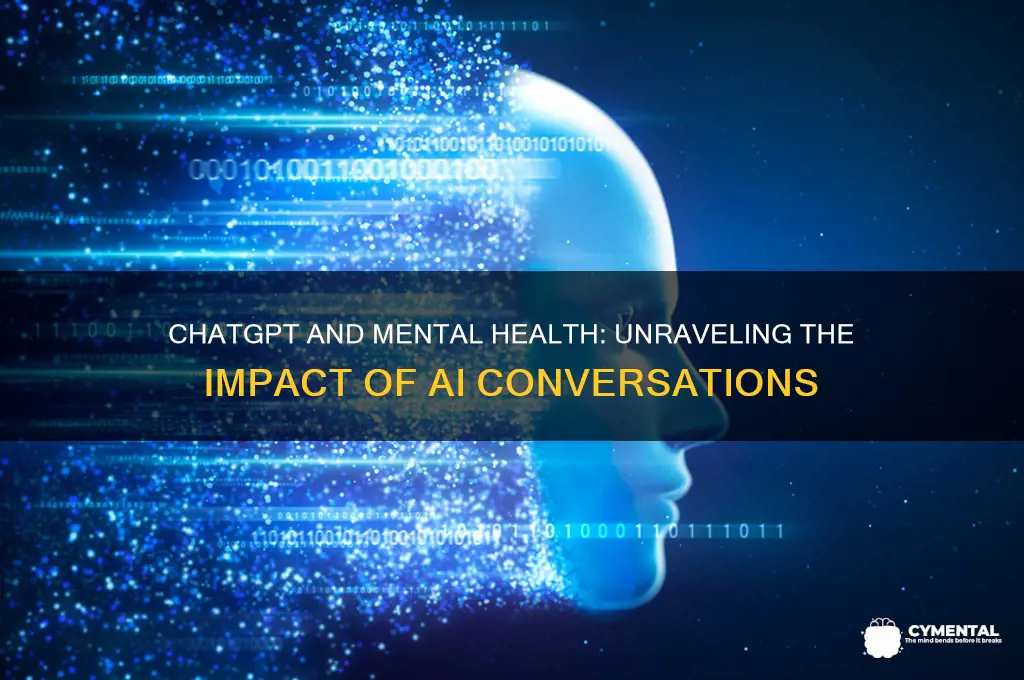
The rise of AI chatbots like ChatGPT has sparked a debate about their potential impact on mental health. While some users praise their accessibility and ability to provide information and companionship, concerns are growing about potential downsides. Critics argue that excessive reliance on chatbots for emotional support could hinder the development of real-world social skills and deepen feelings of isolation. The lack of genuine human connection and the potential for biased or inaccurate information from these models further fuel worries about their long-term effects on mental well-being. Research is still emerging, but the discussion highlights the need for responsible AI development and a nuanced understanding of how these powerful tools interact with our psychological needs.
| Characteristics | Values |
|---|---|
| Increased Anxiety & Dependence | Some users report heightened anxiety due to over-reliance on ChatGPT for tasks, decision-making, or emotional support, fearing judgment or inadequacy when not using it. |
| Social Withdrawal | Excessive use may lead to reduced face-to-face interactions, potentially exacerbating loneliness or social anxiety, though evidence is anecdotal. |
| Information Overload & Cognitive Fatigue | Constant engagement with ChatGPT's rapid responses can overwhelm users, leading to mental exhaustion or difficulty processing information. |
| Unrealistic Expectations | Users may develop unrealistic expectations of human interactions based on ChatGPT's consistent, non-judgmental responses, causing frustration in real-life relationships. |
| Addiction & Time Displacement | Prolonged use can displace time for self-care, work, or hobbies, potentially leading to addictive behaviors and associated mental health issues. |
| Misinformation & Emotional Distress | Incorrect or insensitive responses from ChatGPT may cause emotional distress, especially if users rely on it for advice on sensitive topics. |
| Lack of Empathy in Human Interactions | Over-reliance on AI for emotional support may diminish users' ability to seek or provide empathy in human relationships. |
| Positive Impact (Counterargument) | Some users report reduced stress or improved mental well-being due to ChatGPT's accessibility for learning, creativity, or emotional venting. |
| Research Gaps | Limited empirical studies exist; most concerns are based on user reports, surveys, or expert opinions, necessitating further research. |
| Individual Variability | Effects vary widely based on usage patterns, pre-existing mental health conditions, and individual resilience. |
Explore related products



What You'll Learn
- Increased anxiety from over-reliance on AI for problem-solving and decision-making
- Loneliness due to replacing human interaction with ChatGPT conversations
- Stress from misinformation or incorrect advice provided by ChatGPT
- Addiction to constant use, leading to reduced productivity and focus
- Self-esteem issues from comparing personal abilities to AI’s perceived perfection

Increased anxiety from over-reliance on AI for problem-solving and decision-making
The growing dependence on AI tools like ChatGPT for problem-solving and decision-making is subtly eroding self-efficacy, the belief in one’s ability to handle challenges independently. A 2023 study published in *Computers in Human Behavior* found that frequent AI users reported higher levels of decision-making paralysis when the tool was unavailable, suggesting a psychological crutch effect. This over-reliance fosters a cycle where minor tasks, such as drafting an email or brainstorming ideas, become sources of anxiety without AI assistance. The brain, accustomed to outsourcing cognitive effort, struggles to re-engage with independent thought, amplifying stress in situations requiring quick, unaided decisions.
Consider the case of a college student who uses ChatGPT to refine essays, generate study plans, and even craft responses in group chats. Initially, the tool boosts efficiency, but over time, the student begins to doubt their own writing skills, fearing their work is inferior without AI enhancement. This dependency extends beyond academics; they hesitate to make social plans or solve minor conflicts without consulting the AI for "optimal" solutions. The anxiety stems not from the tool’s failure but from the individual’s diminishing confidence in their own judgment, a phenomenon psychologists term "algorithmic crutch anxiety."
To mitigate this anxiety, experts recommend a structured approach to reduce AI dependency. Start by allocating "AI-free zones" in daily routines—for instance, dedicating 30 minutes each morning to brainstorming or problem-solving without digital assistance. Gradually increase this duration weekly, retraining the brain to engage in independent thought. For students and professionals, setting a rule to complete at least 50% of a task unaided before consulting AI can rebuild self-efficacy. Additionally, mindfulness practices, such as journaling or meditation, can help individuals recognize and challenge the irrational fear of making "suboptimal" decisions without AI input.
A comparative analysis reveals that societies with higher digital literacy tend to experience less AI-induced anxiety. In countries like Finland, where digital skills training emphasizes critical thinking alongside tool usage, individuals are more likely to view AI as a supplement rather than a substitute for human judgment. Conversely, in regions where AI is introduced without such frameworks, users often fall into dependency traps, exacerbating anxiety. This highlights the need for educational systems to teach not just *how* to use AI but *when* and *why* to rely on it, fostering a balanced relationship with technology.
Ultimately, the anxiety stemming from over-reliance on AI is not inevitable but a byproduct of unchecked usage patterns. By consciously limiting dependency, rebuilding independent problem-solving skills, and adopting a critical mindset toward AI tools, individuals can reclaim autonomy without sacrificing the benefits of technological assistance. The goal is not to abandon AI but to use it as a collaborator, not a crutch, ensuring mental well-being remains at the forefront of our digital age.
Healing Minds: Practical Strategies to Overcome Mental Health Challenges
You may want to see also
Explore related products


Loneliness due to replacing human interaction with ChatGPT conversations
The rise of ChatGPT has sparked a peculiar paradox: while it offers instant, accessible conversation, it may inadvertently deepen the very loneliness it aims to alleviate. Users, particularly those seeking companionship or emotional support, can find themselves trapped in a cycle of dependency on AI interactions, which, despite their sophistication, lack the nuanced empathy and reciprocity of human connection. This substitution of virtual for real-world interaction risks eroding social skills and fostering isolation, as the brain craves the biochemical rewards—like oxytocin release—that only genuine human contact can provide.
Consider the case of a 28-year-old software developer who, after months of relying on ChatGPT for daily conversations, reported feeling increasingly disconnected from friends and family. His interactions became stilted, his ability to read social cues diminished, and he found himself preferring the predictability of AI responses to the unpredictability of human dialogue. This example underscores a critical issue: while ChatGPT can simulate conversation, it cannot replicate the emotional depth or mutual vulnerability that fosters meaningful relationships. Over time, this disparity can lead to a sense of emptiness, as users realize the AI’s responses, though coherent, are devoid of genuine understanding or shared experience.
To mitigate this risk, it’s essential to set boundaries on AI usage. For instance, limit ChatGPT interactions to 30 minutes daily, reserving the remainder of your time for face-to-face or voice-based conversations. Incorporate activities that encourage real-world engagement, such as joining a local club, volunteering, or scheduling regular meetups with friends. For younger users (ages 18–25), who are particularly susceptible to digital dependency, parents and educators can play a pivotal role by modeling healthy technology use and fostering environments that prioritize in-person interaction.
A comparative analysis reveals that while ChatGPT can serve as a temporary crutch for those experiencing loneliness, it pales in comparison to the therapeutic benefits of human connection. Studies show that even brief, high-quality social interactions—like a 10-minute conversation with a friend—can significantly boost mood and reduce feelings of isolation. In contrast, prolonged reliance on AI conversations may lead to a phenomenon akin to "emotional malnutrition," where the absence of authentic connection leaves individuals feeling hollow despite the volume of interaction.
Ultimately, the key takeaway is this: ChatGPT is a tool, not a substitute for human relationships. While it can provide temporary relief or intellectual stimulation, it cannot fulfill the innate human need for connection. By recognizing this limitation and actively prioritizing real-world interactions, users can harness the benefits of AI without falling into the trap of loneliness it inadvertently sets. Balance is crucial—let ChatGPT complement your life, not dominate it.
Navigating Young Adulthood: Strategies for Managing Mental Health Challenges
You may want to see also
Explore related products


$15.99 $39.99


Stress from misinformation or incorrect advice provided by ChatGPT
Misinformation spreads like wildfire, and ChatGPT, despite its sophistication, is not immune to fanning the flames. While it’s designed to provide helpful responses, its training data contains inaccuracies, biases, and outdated information. When users seek advice on sensitive topics like health, relationships, or legal matters, incorrect or misleading answers can lead to heightened stress and anxiety. For instance, a user querying about a medical symptom might receive a response suggesting a severe condition, triggering panic, even if the advice is unfounded. This phenomenon underscores the psychological toll of relying on AI for critical information without verification.
Consider the case of a college student using ChatGPT to prepare for a career counseling session. The AI suggests a specific career path based on outdated industry trends, leading the student to invest time and resources in a direction that no longer aligns with market demands. The resulting frustration and self-doubt highlight how misinformation can erode confidence and increase stress. To mitigate this, users should cross-reference AI-generated advice with trusted sources, such as professional experts or peer-reviewed studies. Treating ChatGPT as a starting point rather than a definitive guide can reduce the risk of unnecessary anxiety.
From a psychological perspective, the stress induced by misinformation stems from cognitive dissonance—the discomfort of holding conflicting beliefs. When users discover that ChatGPT’s advice is incorrect, they may question their judgment for trusting it in the first place. This self-blame can exacerbate mental health issues, particularly in individuals already prone to anxiety or perfectionism. For example, a parent seeking advice on child development might follow flawed recommendations, only to later feel guilty for potentially harming their child’s well-being. Practical steps, like setting realistic expectations for AI capabilities and maintaining a critical mindset, can help users navigate this challenge.
To combat stress from misinformation, users should adopt a proactive approach. First, limit reliance on ChatGPT for high-stakes decisions, especially in areas like health or finance. Second, verify responses by consulting multiple sources, including human experts. Third, recognize the AI’s limitations—it lacks real-time data and personal context, which are crucial for accurate advice. For instance, a user seeking mental health tips should complement ChatGPT’s suggestions with guidance from a licensed therapist. By integrating these practices, individuals can harness the tool’s benefits while minimizing the stress of potential inaccuracies.
Ultimately, the stress from ChatGPT’s misinformation is a byproduct of its imperfect nature and users’ expectations. While it’s a powerful resource, it’s not infallible. By understanding its limitations and adopting a cautious, informed approach, users can reduce anxiety and make more reliable decisions. The key lies in balancing trust with skepticism, ensuring that the tool enhances, rather than hinders, mental well-being.
Self-Care Strategies for Managing Mental Health Without Therapy
You may want to see also
Explore related products


Addiction to constant use, leading to reduced productivity and focus
The allure of instant answers and conversational flow can make ChatGPT a productivity black hole. Users, particularly students and knowledge workers, report spending hours engaged in back-and-forth exchanges, often veering off task. A 2023 survey by Stanford University found that 42% of respondents admitted to using ChatGPT for non-essential queries during work hours, with an average session lasting 47 minutes. This constant engagement, fueled by the platform's addictive design, fragments attention and disrupts deep work, a state crucial for complex problem-solving and creative thinking.
One insidious aspect of this addiction is its disguised nature. Unlike traditional screen time, ChatGPT use often feels productive. Users convince themselves they're learning, brainstorming, or refining ideas, when in reality, they're often engaging in low-value interactions. This blurs the line between work and distraction, making it difficult to self-regulate usage.
To combat this, consider implementing structured "ChatGPT breaks." Allocate specific time slots for focused work, followed by designated periods for AI interaction. For example, the Pomodoro Technique (25 minutes work, 5 minutes break) can be adapted: use ChatGPT only during the break periods, ensuring it doesn't encroach on deep work time. Additionally, utilize website blockers like Freedom or Cold Turkey to restrict access during designated work hours.
It's crucial to recognize the difference between leveraging ChatGPT as a tool and becoming enslaved to its constant availability. By setting clear boundaries and prioritizing focused work, users can harness its benefits without sacrificing productivity and mental clarity. Remember, the goal is not to eliminate ChatGPT use entirely, but to cultivate a healthy relationship with this powerful tool, ensuring it serves our goals rather than dictating our attention.
Supporting Loved Ones: Navigating Mental Health Challenges with Compassion and Care
You may want to see also
Explore related products


$17.87 $20.99


Self-esteem issues from comparing personal abilities to AI’s perceived perfection
The rise of AI tools like ChatGPT has inadvertently created a new arena for self-comparison, where individuals measure their abilities against the perceived perfection of machines. Unlike human performance, which is inherently flawed and variable, AI outputs are often polished, error-free, and instantaneous. This contrast can lead to a distorted self-perception, particularly among those already prone to self-criticism. For instance, a student struggling with essay writing might feel inadequate when comparing their work to ChatGPT’s flawlessly structured paragraphs, ignoring the fact that AI lacks creativity, emotional depth, and personal experience.
To mitigate this, it’s essential to reframe how we view AI capabilities. Start by acknowledging that AI is a tool, not a competitor. For example, if you’re using ChatGPT for brainstorming, remind yourself that the ideas generated are based on patterns in data, not original thought. Next, set boundaries for AI usage. Limit its role to specific tasks, such as editing or data analysis, rather than relying on it for creative or emotional work. For instance, if you’re writing a personal letter, challenge yourself to draft it first without AI assistance, then use the tool for grammar checks only. This preserves your sense of authorship and accomplishment.
A comparative analysis reveals that self-esteem issues stemming from AI comparisons often arise from a lack of awareness about the technology’s limitations. While ChatGPT can produce coherent text, it cannot replicate human intuition, empathy, or cultural nuance. For example, a therapist using AI to draft session notes might feel inferior to its concise language but overlooks the fact that AI cannot understand the emotional subtext of a client’s words. By focusing on these unique human strengths, individuals can shift their perspective from inadequacy to appreciation of their irreplaceable qualities.
Practically, individuals can adopt strategies to protect their self-esteem in the age of AI. First, engage in activities that highlight human creativity and emotional intelligence, such as journaling, art, or face-to-face conversations. These activities reinforce the value of human expression. Second, practice self-compassion by setting realistic expectations for your abilities. For instance, if you’re learning a new skill, allow yourself to make mistakes without comparing your progress to AI’s instant proficiency. Finally, seek out communities or mentors who emphasize the importance of human uniqueness, providing a supportive environment to counterbalance the pressure of AI perfection.
Mentors' Role in Mental Health: Support, Growth, and Resilience
You may want to see also
Frequently asked questions
There is no conclusive evidence that ChatGPT directly causes mental health issues. However, excessive use, dependency, or exposure to harmful content generated by the tool may contribute to stress, anxiety, or other mental health concerns in some individuals.
For individuals with pre-existing mental health conditions, interacting with ChatGPT could potentially exacerbate symptoms if the tool provides inaccurate, insensitive, or triggering information. It’s important to use it mindfully and seek professional support when needed.
Over-reliance on ChatGPT for social interaction may reduce real-world connections, potentially leading to feelings of loneliness or isolation. Balancing its use with meaningful human interactions is key to maintaining mental well-being.
Yes, exposure to misinformation or misleading advice from ChatGPT can cause anxiety, confusion, or harmful decision-making, particularly in sensitive areas like health or relationships. Always verify critical information from reliable sources.