Harper Lewis
Bulimia nervosa, commonly referred to as bulimia, is a serious eating disorder characterized by recurrent episodes of binge eating followed by compensatory behaviors such as vomiting, excessive exercise, or misuse of laxatives. While often discussed in the context of physical health due to its visible symptoms and medical complications, bulimia is fundamentally a mental health issue rooted in psychological and emotional factors. It is closely linked to issues such as low self-esteem, body dysmorphia, anxiety, and depression, with underlying causes often tied to societal pressures, trauma, or genetic predispositions. Recognizing bulimia as a mental health disorder is crucial, as it emphasizes the need for comprehensive treatment that addresses both the behavioral symptoms and the emotional and cognitive patterns driving the condition.
| Characteristics | Values |
|---|---|
| Classification | Bulimia Nervosa is recognized as a mental health disorder, specifically an eating disorder, by major health organizations including the DSM-5 (Diagnostic and Statistical Manual of Mental Disorders, 5th Edition) and ICD-11 (International Classification of Diseases, 11th Edition). |
| Psychological Symptoms | Includes binge eating followed by compensatory behaviors (e.g., purging, excessive exercise), body image distortion, fear of weight gain, anxiety, depression, and low self-esteem. |
| Behavioral Symptoms | Recurrent episodes of eating large quantities of food in a short time, misuse of laxatives/diuretics, fasting, and secretive eating habits. |
| Physical Symptoms | Electrolyte imbalances, dental issues (e.g., enamel erosion), gastrointestinal problems, dehydration, and irregular menstruation. |
| Risk Factors | Genetic predisposition, societal pressure for thinness, trauma, low self-esteem, and co-occurring mental health disorders (e.g., depression, anxiety). |
| Prevalence | Affects approximately 1-2% of the population, predominantly females (but males are also affected), with onset often in late adolescence or early adulthood. |
| Treatment Options | Cognitive Behavioral Therapy (CBT), medication (e.g., antidepressants), nutrition counseling, and support groups. |
| Prognosis | Recovery is possible with early intervention and comprehensive treatment, but relapse rates are significant without ongoing support. |
Explore related products


$8.88 $12.99


What You'll Learn
- Bulimia's Psychological Roots: Examines underlying mental health factors contributing to bulimia development
- Co-occurring Disorders: Explores links between bulimia and anxiety, depression, or OCD
- Cognitive Distortions: Analyzes how negative thought patterns fuel bulimic behaviors
- Trauma and Bulimia: Investigates the role of past trauma in bulimia onset
- Treatment Approaches: Discusses therapy methods like CBT for addressing bulimia as a mental health issue

Bulimia's Psychological Roots: Examines underlying mental health factors contributing to bulimia development
Bulimia nervosa, characterized by cycles of binge eating followed by compensatory behaviors like purging, is undeniably rooted in psychological complexities. Research consistently highlights its classification as a mental health disorder, with the American Psychiatric Association’s *Diagnostic and Statistical Manual of Mental Disorders* (DSM-5) categorizing it under feeding and eating disorders. However, the surface symptoms—binging and purging—are merely manifestations of deeper psychological struggles. Understanding these underlying factors is crucial for effective treatment, as they often intertwine with issues like low self-esteem, perfectionism, and emotional dysregulation.
Consider the role of trauma and stress in bulimia’s development. Studies show that individuals with a history of childhood trauma, such as emotional neglect or physical abuse, are at a significantly higher risk. For example, a 2018 study published in *Psychiatry Research* found that 70% of participants with bulimia reported traumatic experiences. The brain’s response to trauma often involves maladaptive coping mechanisms, and disordered eating can become a way to regain control or numb emotional pain. Practical steps for addressing this include trauma-focused cognitive behavioral therapy (TF-CBT), which helps individuals process past experiences and develop healthier coping strategies.
Another psychological root lies in societal and familial pressures. Adolescents and young adults, particularly those aged 15–25, are most vulnerable to bulimia, often due to internalized ideals of thinness perpetuated by media and peer groups. A comparative analysis reveals that cultures with higher beauty standards report higher rates of eating disorders. For instance, Japan, known for its emphasis on slimness, has seen a rise in bulimia cases over the past decade. Families that prioritize appearance or achievement over emotional well-being can exacerbate this. To counteract these influences, interventions like family-based therapy (FBT) focus on reshaping familial dynamics and fostering a supportive environment.
Perfectionism, often overlooked, is a critical psychological factor. Individuals with bulimia frequently exhibit rigid, self-critical tendencies, striving for unattainable standards in various aspects of life. This trait is not just personality-driven but can be a response to external expectations. A persuasive argument here is that perfectionism fuels the cycle of binging and purging as a means to "correct" perceived failures. Mindfulness-based interventions, such as mindfulness-based cognitive therapy (MBCT), can help break this cycle by encouraging self-compassion and acceptance of imperfection.
Finally, emotional dysregulation plays a pivotal role. Many with bulimia struggle to identify and manage emotions, turning to food as a temporary escape. A descriptive approach reveals that binge episodes often follow periods of intense stress or negative emotions, while purging provides a sense of relief. Dialectical behavior therapy (DBT), originally designed for borderline personality disorder, has proven effective for bulimia by teaching skills like emotional regulation and distress tolerance. Incorporating journaling or emotion-tracking apps can also help individuals recognize triggers and develop alternative responses.
In conclusion, bulimia’s psychological roots are multifaceted, stemming from trauma, societal pressures, perfectionism, and emotional dysregulation. Addressing these factors requires tailored therapeutic approaches, from trauma-focused therapies to mindfulness practices. By targeting the underlying mental health issues, treatment can move beyond symptom management to foster lasting recovery.
Empowering Educators: Comprehensive Training on Mental Health Awareness
You may want to see also
Explore related products


$32.67 $45.99


Co-occurring Disorders: Explores links between bulimia and anxiety, depression, or OCD
Bulimia nervosa often coexists with other mental health disorders, creating a complex web of symptoms that can exacerbate both conditions. Research indicates that up to 80% of individuals with bulimia also meet the criteria for at least one other psychiatric disorder. Among the most common co-occurring conditions are anxiety disorders, depression, and obsessive-compulsive disorder (OCD). Understanding these links is crucial for effective treatment, as addressing only one disorder may leave underlying issues unresolved, increasing the risk of relapse.
Consider the relationship between bulimia and anxiety disorders. Anxiety often precedes bulimia, with individuals using binge-eating and purging behaviors as a maladaptive coping mechanism to manage overwhelming stress or fear. For example, someone with generalized anxiety disorder might turn to food as a temporary distraction from persistent worry, followed by purging to alleviate guilt or regain control. This cycle not only reinforces anxiety but also entrenches bulimic behaviors. Treatment in such cases should integrate cognitive-behavioral therapy (CBT) tailored to address both anxiety and bulimia, alongside mindfulness techniques to disrupt the stress-binge-purge pattern.
Depression frequently accompanies bulimia, with studies showing that up to 60% of individuals with bulimia also experience major depressive disorder. The link is bidirectional: depression can lead to bulimia as individuals seek emotional relief through food, while the shame and physical consequences of bulimia can deepen depressive symptoms. Antidepressants, particularly selective serotonin reuptake inhibitors (SSRIs), are often prescribed to treat both conditions simultaneously. However, medication alone is insufficient; psychotherapy, such as interpersonal psychotherapy (IPT), is essential to address the emotional triggers and interpersonal challenges that fuel both disorders.
The connection between bulimia and OCD is particularly noteworthy, as both disorders involve compulsive behaviors driven by intrusive thoughts. For instance, someone with OCD might develop rigid rules around eating, such as avoiding certain foods or counting calories obsessively, which can escalate into binge-eating episodes when the rules are broken. Purging may then be seen as a way to "undo" the perceived mistake. Treatment should focus on exposure and response prevention (ERP) therapy, which helps individuals confront feared situations without engaging in compulsive behaviors, while also addressing the distorted beliefs underlying both disorders.
In practice, treating co-occurring disorders requires a holistic approach. Clinicians must assess for multiple conditions during diagnosis and tailor treatment plans accordingly. For adolescents, family-based therapy can be particularly effective, as it involves parents in the recovery process and addresses familial dynamics that may contribute to both bulimia and co-occurring disorders. Adults may benefit from group therapy, which provides peer support and reduces feelings of isolation. Regardless of age, the goal is to break the cycle of reinforcement between bulimia and its co-occurring disorders, fostering long-term recovery and improved mental health.
Understanding Abandonment Issues: Mental Illness or Emotional Struggle?
You may want to see also
Explore related products


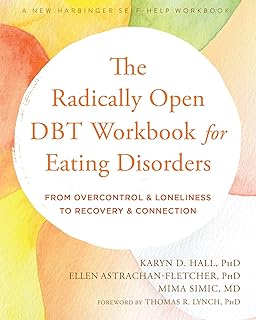


Cognitive Distortions: Analyzes how negative thought patterns fuel bulimic behaviors
Bulimia nervosa is undeniably a mental health issue, characterized by a cycle of binge eating followed by compensatory behaviors like purging. At the core of this disorder lie cognitive distortions—twisted thought patterns that perpetuate harmful behaviors. These distortions act as a funhouse mirror, warping self-perception and reality, leading individuals to believe they must control their weight and shape at all costs. Understanding these distortions is crucial, as they are not just symptoms but drivers of the disorder.
Consider the distortion of "all-or-nothing thinking." Someone with bulimia might believe, "If I eat one cookie, I’ve ruined my diet, so I might as well binge." This black-and-white mindset eliminates moderation, turning a minor slip into a full-blown episode. Another common distortion is "emotional reasoning," where feelings are mistaken for facts. For example, "I feel fat, therefore I am fat," disregards objective reality and fuels purging behaviors. These thought patterns create a self-sustaining loop: the more one engages in bulimic behaviors, the more entrenched these distortions become.
To break this cycle, cognitive-behavioral therapy (CBT) is often employed. A practical CBT technique is thought recording, where individuals write down the situation, emotion, thought, and consequence of a bulimic episode. For instance, after a binge, one might note: *Situation: Stressful work meeting. Emotion: Overwhelmed. Thought: I’ve lost control; I need to purge. Consequence: Temporary relief, followed by guilt.* Analyzing these entries helps identify recurring distortions and challenges their validity. For example, is purging truly the only way to regain control? Over time, this practice fosters awareness and replaces distorted thoughts with balanced ones.
A cautionary note: addressing cognitive distortions requires patience and professional guidance. Self-help alone can be insufficient, as bulimia often coexists with deep-seated emotional issues like low self-esteem or trauma. For adolescents (ages 13–19), family-based therapy is recommended, as parental involvement can provide crucial support. Adults may benefit from group therapy, which offers peer accountability and shared strategies. Medications like fluoxetine (20–60 mg/day) can also reduce obsessive thoughts, though they should complement therapy, not replace it.
In conclusion, cognitive distortions are not mere byproducts of bulimia but its fuel. By recognizing and challenging these thought patterns, individuals can dismantle the mental scaffolding that supports the disorder. This process is neither quick nor easy, but with the right tools and support, it is possible to rewrite the narrative and reclaim control over one’s life.
Grammar Police: A Harmless Habit or Sign of Mental Health Issues?
You may want to see also
Explore related products


Trauma and Bulimia: Investigates the role of past trauma in bulimia onset
Bulimia nervosa, characterized by recurrent episodes of binge eating followed by compensatory behaviors like purging, is undeniably a mental health issue. Its roots, however, often extend beyond a simple desire for weight control. Emerging research highlights a compelling link between past trauma and the onset of bulimia, suggesting that unresolved emotional wounds may manifest in disordered eating patterns.
Trauma, particularly childhood trauma, disrupts the body's stress response system and alters brain regions involved in emotional regulation and impulse control. This can lead to difficulties managing emotions, heightened anxiety, and a distorted body image – all risk factors for bulimia. Studies show that individuals with bulimia are significantly more likely to report experiences of childhood abuse, neglect, or witnessing domestic violence compared to the general population.
Consider the case of Sarah (a pseudonym), a 22-year-old woman diagnosed with bulimia. Sarah's binge-purge cycles began in her late teens, coinciding with the resurfacing of repressed memories of emotional abuse by a family member. Therapy revealed that her bulimic behaviors served as a coping mechanism, a way to regain a sense of control and numb overwhelming emotions associated with the trauma. Sarah's story illustrates how past trauma can create a fertile ground for bulimia to take root, highlighting the importance of addressing underlying psychological wounds in treatment.
Recognizing the role of trauma in bulimia is crucial for effective treatment. Traditional approaches focusing solely on dietary changes and symptom management often fall short for individuals with a history of trauma. Trauma-informed care, which prioritizes safety, empowerment, and addressing the root causes of the disorder, is essential. This may involve therapies like Cognitive Behavioral Therapy (CBT) adapted for trauma, Eye Movement Desensitization and Reprocessing (EMDR), or dialectical behavior therapy (DBT), which teaches skills for emotional regulation and distress tolerance.
It's important to note that not everyone who experiences trauma develops bulimia. The relationship is complex and influenced by various factors, including individual resilience, social support, and access to resources. However, understanding the potential link between trauma and bulimia allows for more targeted interventions and a more compassionate approach to treatment, acknowledging the profound impact of past experiences on present struggles.
Navigating Relationship Challenges: Communicating Mental Health Issues Effectively
You may want to see also
Explore related products


Treatment Approaches: Discusses therapy methods like CBT for addressing bulimia as a mental health issue
Bulimia nervosa, characterized by recurrent episodes of binge eating followed by compensatory behaviors like purging, is unequivocally a mental health issue. Its treatment demands a nuanced approach that addresses both the psychological and behavioral components of the disorder. Among the most effective therapeutic methods is Cognitive Behavioral Therapy (CBT), a structured, goal-oriented approach that has been rigorously studied and widely adopted. CBT for bulimia typically spans 16 to 20 sessions, focusing on identifying and challenging distorted thought patterns related to body image, weight, and self-worth, while simultaneously teaching practical strategies to manage binge-purge cycles.
One of the key strengths of CBT lies in its ability to break the cycle of bulimic behaviors by fostering self-awareness and skill-building. For instance, patients learn to monitor their eating habits through food diaries, which not only track consumption but also the emotions and triggers associated with binge episodes. This data-driven approach allows therapists to tailor interventions, such as developing alternative coping mechanisms for stress or anxiety, which often underlie the urge to binge or purge. Research indicates that CBT reduces binge-eating and purging episodes by up to 50% in adults, with effects often sustained long-term, particularly when combined with regular follow-up sessions.
While CBT is a cornerstone of bulimia treatment, it is not a one-size-fits-all solution. Adolescents, for example, may benefit from family-based therapy (FBT), which involves parents in the recovery process to help monitor meals and support healthier eating habits. For individuals with co-occurring conditions like depression or anxiety, medication such as selective serotonin reuptake inhibitors (SSRIs) may be prescribed alongside therapy. Prozac (fluoxetine), the only FDA-approved medication for bulimia, is typically dosed at 60 mg daily for adults, though this should always be determined by a psychiatrist based on individual needs.
A critical aspect of treating bulimia is addressing the underlying emotional distress that fuels the disorder. Dialectical Behavior Therapy (DBT), originally developed for borderline personality disorder, has shown promise in this regard. DBT emphasizes mindfulness, emotional regulation, and distress tolerance, equipping individuals with tools to manage intense emotions without resorting to disordered eating behaviors. For example, a patient might practice deep breathing exercises during moments of body dissatisfaction, a common trigger for purging. This approach is particularly effective for those with a history of trauma or emotional dysregulation.
Ultimately, the success of treatment hinges on a personalized, multidisciplinary approach. Combining CBT with nutritional counseling, for instance, ensures that patients not only address the psychological roots of bulimia but also develop a healthier relationship with food. Practical tips, such as eating regular, balanced meals and avoiding restrictive diets, can significantly reduce the risk of relapse. While recovery is challenging, evidence-based therapies like CBT offer a clear path forward, empowering individuals to reclaim their mental and physical well-being.
Understanding Mental Health: A Compassionate Guide to Awareness and Support
You may want to see also
Frequently asked questions
Yes, bulimia nervosa is classified as a mental health disorder. It is characterized by recurrent episodes of binge eating followed by compensatory behaviors such as purging, excessive exercise, or fasting. It is often linked to emotional distress and body image issues.
Bulimia is often associated with psychological factors such as low self-esteem, perfectionism, anxiety, depression, and trauma. It can also stem from societal pressures related to body image and weight.
Yes, bulimia frequently coexists with other mental health issues such as depression, anxiety disorders, obsessive-compulsive disorder (OCD), and substance abuse. Treatment often addresses both bulimia and any comorbid conditions.