Noah Parker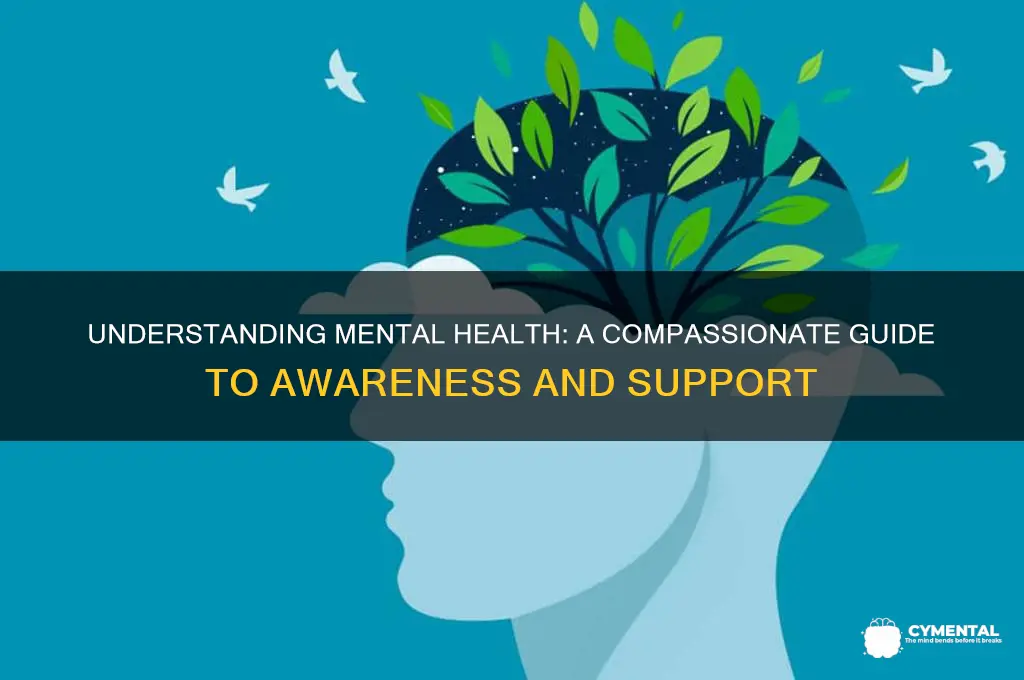
Understanding mental health issues is essential for fostering empathy, reducing stigma, and promoting overall well-being. Mental health encompasses emotional, psychological, and social well-being, influencing how individuals think, feel, and act. To comprehend these issues, it’s crucial to recognize that they are not a sign of weakness but rather complex conditions often rooted in biological, environmental, and social factors. Education and awareness are key; learning about common disorders like anxiety, depression, and bipolar disorder helps dispel myths and encourages early intervention. Active listening, compassion, and open dialogue create safe spaces for individuals to share their experiences without fear of judgment. Additionally, seeking reliable resources, consulting professionals, and supporting mental health initiatives can empower both individuals and communities to address these challenges effectively. By prioritizing understanding, we can build a more inclusive and supportive society for everyone.
| Characteristics | Values |
|---|---|
| Definition | Mental health issues are conditions affecting emotional, psychological, and social well-being. |
| Prevalence | 1 in 4 people globally experience a mental health issue each year (WHO, 2023). |
| Common Disorders | Depression, anxiety, bipolar disorder, schizophrenia, PTSD, OCD. |
| Symptoms | Mood swings, withdrawal, changes in sleep/appetite, fatigue, irritability, difficulty concentrating. |
| Causes | Genetic, biological, environmental, psychological, and social factors. |
| Stigma | Negative stereotypes and discrimination often prevent individuals from seeking help. |
| Treatment Options | Therapy (CBT, DBT), medication, lifestyle changes, support groups, mindfulness practices. |
| Prevention Strategies | Early intervention, stress management, healthy relationships, access to mental health care. |
| Impact on Daily Life | Affects work, relationships, physical health, and overall quality of life. |
| Global Burden | Mental health disorders are a leading cause of disability worldwide (WHO, 2023). |
| Awareness and Education | Increased awareness reduces stigma and encourages early intervention. |
| Cultural Differences | Expression and perception of mental health vary across cultures. |
| Role of Technology | Teletherapy, mental health apps, and online resources are increasingly accessible. |
| Support Systems | Family, friends, mental health professionals, and community organizations play a key role. |
| Recovery | Many individuals achieve recovery with proper treatment and support. |
Explore related products


$6.79 $14.99


$9.79 $17.99


What You'll Learn
- Recognizing symptoms and warning signs of common mental health disorders
- Understanding the impact of trauma on mental well-being
- Exploring the role of genetics and environment in mental health
- Learning effective communication strategies for supporting mental health
- Identifying available resources and treatment options for mental health care

Recognizing symptoms and warning signs of common mental health disorders
Mental health disorders often manifest through subtle changes in behavior, mood, and cognition, making early recognition crucial for timely intervention. For instance, persistent sadness or loss of interest in previously enjoyed activities can signal depression, while excessive worry or fear might indicate anxiety disorders. Recognizing these symptoms requires attentiveness to both verbal and non-verbal cues, as individuals may not always articulate their struggles openly. Keeping a mental checklist of observable changes—such as sleep disturbances, appetite fluctuations, or social withdrawal—can help identify potential issues before they escalate.
To effectively spot warning signs, it’s essential to understand the context and baseline behavior of the individual. For example, a teenager suddenly isolating themselves could be a red flag for depression or bullying, whereas an older adult exhibiting confusion might be experiencing early signs of dementia. Practical tips include maintaining open communication, asking direct but empathetic questions, and observing patterns over time rather than jumping to conclusions. Tools like mental health screening apps or self-assessment questionnaires can also provide structured guidance, though they should complement, not replace, professional evaluation.
Comparing symptoms across disorders highlights the importance of specificity in recognition. While irritability is common in both depression and bipolar disorder, the latter often involves distinct episodes of mania or hypomania, such as rapid speech or reckless behavior. Similarly, anxiety disorders differ in their triggers and manifestations: generalized anxiety disorder (GAD) involves chronic worry, panic disorder presents with sudden attacks, and obsessive-compulsive disorder (OCD) includes repetitive rituals. Understanding these nuances ensures more accurate identification and appropriate referral to mental health professionals.
A persuasive argument for early recognition lies in its potential to prevent long-term consequences. Untreated mental health disorders can lead to academic failure, job loss, strained relationships, or even physical health deterioration. For example, prolonged stress from anxiety can weaken the immune system, while severe depression increases the risk of self-harm or suicidal ideation. By acting promptly—whether through self-help strategies, therapy, or medication—individuals can mitigate these risks and improve their quality of life. Prioritizing mental health awareness is not just compassionate; it’s a practical investment in overall well-being.
Finally, recognizing symptoms in oneself or others requires a balance of vigilance and empathy. Avoid stigmatizing language or assumptions, as these can discourage individuals from seeking help. Instead, approach the topic with sensitivity and offer support without judgment. Practical steps include encouraging professional consultation, sharing resources like helpline numbers (e.g., the National Alliance on Mental Illness at 1-800-950-NAMI), and fostering a safe environment for open dialogue. Remember, early recognition is not about diagnosing but about creating pathways to care and recovery.
Navigating Young Adulthood: Strategies for Managing Mental Health Challenges
You may want to see also
Explore related products

$10.88 $15.99


$15.99 $21.95


Understanding the impact of trauma on mental well-being
Trauma leaves an indelible mark on the mind, reshaping how individuals perceive themselves, others, and the world. Unlike fleeting stress, traumatic experiences — whether acute (like accidents) or chronic (like abuse) — overwhelm the brain’s coping mechanisms, often leading to long-term mental health challenges. For instance, survivors of childhood trauma are three times more likely to develop depression or anxiety disorders in adulthood, according to the National Institute of Mental Health. This isn’t merely a reaction to pain; it’s a rewiring of neural pathways that govern fear, trust, and emotional regulation. Understanding this biological imprint is the first step in addressing trauma’s pervasive impact.
To mitigate trauma’s effects, practical strategies grounded in neuroscience can be employed. Mindfulness-based interventions, such as guided breathing exercises for 10 minutes daily, have been shown to reduce hyperarousal in PTSD patients by calming the amygdala, the brain’s alarm center. Similarly, journaling for 15–20 minutes nightly can help externalize chaotic emotions, fostering clarity and reducing rumination. For adolescents, structured activities like art therapy or sports can rebuild a sense of agency, counteracting feelings of helplessness often rooted in traumatic experiences. These tools aren’t cures but scaffolds, helping individuals regain control over their mental narratives.
A critical yet overlooked aspect of trauma’s impact is its intergenerational transmission. Unresolved trauma in parents can manifest in children through heightened stress responses or attachment issues, even without direct exposure. For example, children of Holocaust survivors often exhibit anxiety patterns mirroring their parents’, a phenomenon studied by epigenetic researchers. Breaking this cycle requires not just individual therapy but family-centered approaches, such as trauma-informed parenting workshops, which teach caregivers to recognize and respond to triggers without projecting their own fears. Awareness of this dynamic shifts the focus from blame to healing across generations.
Finally, societal stigma remains a barrier to addressing trauma’s mental health consequences. Phrases like “just move on” or “it happened so long ago” invalidate survivors’ experiences, delaying treatment and deepening isolation. Advocacy efforts, such as trauma-informed training in schools and workplaces, can foster environments where survivors feel safe disclosing their struggles. Policy changes, like mandating mental health screenings for at-risk populations (e.g., veterans or domestic violence survivors), could also bridge gaps in care. By reframing trauma as a collective responsibility, communities can transform understanding into action, ensuring no one faces its aftermath alone.
Supporting Your Spouse: Navigating Mental Health Challenges Together with Compassion
You may want to see also
Explore related products


Exploring the role of genetics and environment in mental health
Mental health disorders often run in families, but this doesn't mean they're solely inherited like eye color. Think of genetics as a loaded gun and environment as the trigger. Studies on twins separated at birth reveal a complex interplay: while identical twins share 100% of their DNA and are more likely to both develop schizophrenia (around 50% concordance rate) compared to fraternal twins (around 17%), neither reaches 100%, indicating environmental factors are crucial.
Imagine a child inherits a genetic predisposition for anxiety. Growing up in a stable, supportive home might allow them to manage this predisposition effectively. Conversely, chronic stress from an unstable environment, like parental conflict or poverty, could "switch on" those anxiety-related genes, increasing the likelihood of developing an anxiety disorder. This gene-environment interaction is a key concept in understanding mental health.
Research identifies specific genes associated with certain disorders. For example, variations in the serotonin transporter gene (5-HTTLPR) have been linked to increased vulnerability to depression, particularly when coupled with stressful life events. However, having this gene variant doesn't guarantee depression; it simply increases susceptibility.
Understanding this interplay has practical implications. While we can't change our genes, we can modify our environment. Therapies like Cognitive Behavioral Therapy (CBT) help individuals identify and change negative thought patterns, essentially rewiring the brain's response to stress. Additionally, lifestyle changes like regular exercise, adequate sleep, and a healthy diet can significantly impact mental well-being, potentially mitigating genetic risks.
Is It Physical or Mental? Identifying Pain Linked to Emotional Distress
You may want to see also
Explore related products


Learning effective communication strategies for supporting mental health
Effective communication is a cornerstone of supporting mental health, yet it’s often misunderstood as merely "listening." In reality, it involves a deliberate, empathetic approach that acknowledges the complexity of emotional experiences. For instance, instead of asking, "Why can’t you just snap out of it?" use open-ended questions like, "What’s been most challenging for you lately?" This shifts the focus from judgment to understanding, creating a safe space for the individual to express themselves without fear of dismissal. Research shows that such non-confrontational phrasing reduces defensiveness and fosters trust, a critical factor in mental health conversations.
Consider the LEARN framework as a practical tool: Listen actively, Empathize without judgment, Acknowledge their feelings, Respect their boundaries, and Normalize their experiences. For example, if someone shares they’re struggling with anxiety, respond with, "It makes sense that you’d feel overwhelmed given everything on your plate. I’d feel the same way." This validates their emotions while avoiding platitudes like, "It could be worse." Studies indicate that validation reduces emotional distress by 30%, making it a powerful yet underutilized strategy.
A common pitfall is offering unsolicited advice, which can inadvertently minimize the person’s experience. Instead, adopt a collaborative problem-solving approach. For instance, ask, "What’s helped you cope in the past?" or "How can I support you right now?" This empowers the individual to take agency over their mental health while ensuring your role remains supportive rather than directive. For adolescents (ages 13–18), this approach is particularly effective, as it aligns with their developmental need for autonomy.
Non-verbal cues play a significant role in communication, often conveying more than words. Maintain eye contact (when culturally appropriate), use a calm tone, and avoid crossing your arms, which can signal defensiveness. For individuals with trauma histories, sudden movements or loud voices can trigger anxiety, so mindfulness of body language is essential. A study in *Psychological Science* found that mirroring the other person’s posture subtly builds rapport, enhancing the effectiveness of the conversation.
Finally, self-care for the communicator is non-negotiable. Supporting someone with mental health issues can be emotionally taxing, leading to burnout if boundaries aren’t set. Limit conversations to 20–30 minutes if they become intense, and debrief afterward with a trusted friend or journal. Remember, you’re not a therapist—your role is to provide compassion, not carry the emotional weight. By prioritizing your well-being, you ensure sustainable support for both parties.
Supporting Educators: Strategies for Teachers Managing Mental Health Challenges
You may want to see also
Explore related products

$13.99 $13.99


Identifying available resources and treatment options for mental health care
Mental health care is not a one-size-fits-all solution; it’s a tailored journey that begins with identifying the right resources and treatment options. Start by assessing the severity of symptoms—are they mild, moderate, or severe? Mild cases may benefit from self-help strategies like mindfulness apps (e.g., Headspace, Calm) or online therapy platforms (e.g., BetterHelp, Talkspace). Moderate to severe cases often require professional intervention, such as psychotherapy or medication. For instance, cognitive-behavioral therapy (CBT) is evidence-based for anxiety and depression, while selective serotonin reuptake inhibitors (SSRIs) like fluoxetine (20–60 mg/day) are commonly prescribed for persistent symptoms. Always consult a healthcare provider to determine the appropriate dosage and treatment plan.
Next, explore community-based resources, which can provide both emotional support and practical assistance. Local mental health clinics, support groups (e.g., NAMI Family Support Groups), and crisis hotlines (e.g., 988 Suicide & Crisis Lifeline) are invaluable. For example, peer support programs connect individuals with lived experience, fostering a sense of belonging and understanding. Schools and workplaces often offer Employee Assistance Programs (EAPs) or counseling services, which can be a discreet first step for those hesitant to seek external help. These resources are particularly useful for adolescents and young adults, who may face stigma or lack access to private care.
For those requiring intensive treatment, inpatient or outpatient programs offer structured care. Inpatient facilities provide 24/7 monitoring for acute conditions like suicidal ideation or severe psychosis, while outpatient programs allow individuals to maintain daily routines while attending therapy sessions or medication management appointments. Partial hospitalization programs (PHPs) and intensive outpatient programs (IOPs) serve as middle-ground options, offering 4–6 hours of daily treatment without overnight stays. Insurance coverage varies, so verify benefits and out-of-pocket costs before committing to a program.
Technology has revolutionized access to mental health care, particularly for underserved populations. Telepsychiatry platforms like MDLive and Amwell connect patients with licensed providers via video calls, eliminating geographic barriers. Wearable devices and mental health apps (e.g., Moodpath, Sanvello) track symptoms and provide real-time interventions, though they should complement, not replace, professional care. For children and teens, gamified apps like Woebot use AI to teach coping skills in an engaging format. However, digital tools are most effective when integrated into a comprehensive treatment plan.
Finally, cultural competence and affordability are critical factors in resource selection. Seek providers who understand your cultural background or specific needs, such as LGBTQ+-friendly therapists or bilingual services. Sliding-scale clinics and nonprofit organizations (e.g., Open Path Collective) offer low-cost therapy for uninsured or underinsured individuals. Government programs like Medicaid and SAMHSA’s Behavioral Health Treatment Services Locator can help identify affordable options. Remember, the goal is not just to find a resource, but to find the *right* resource—one that aligns with your needs, values, and circumstances.
Recognizing Mental Health Struggles: Signs and Symptoms to Watch For
You may want to see also
Frequently asked questions
Common signs include persistent sadness, anxiety, changes in sleep or appetite, withdrawal from social activities, difficulty concentrating, irritability, and thoughts of self-harm. These symptoms can vary depending on the individual and the specific mental health condition.
Listen without judgment, encourage them to seek professional help, educate yourself about their condition, and offer practical support like helping with daily tasks. Avoid dismissing their feelings and be patient, as recovery takes time.
Prioritize self-care by maintaining a healthy lifestyle, including regular exercise, balanced nutrition, and adequate sleep. Practice mindfulness or meditation, seek social support, set boundaries, and consider therapy or counseling if needed. Recognizing and addressing stress early is also crucial.