Ava Ramirez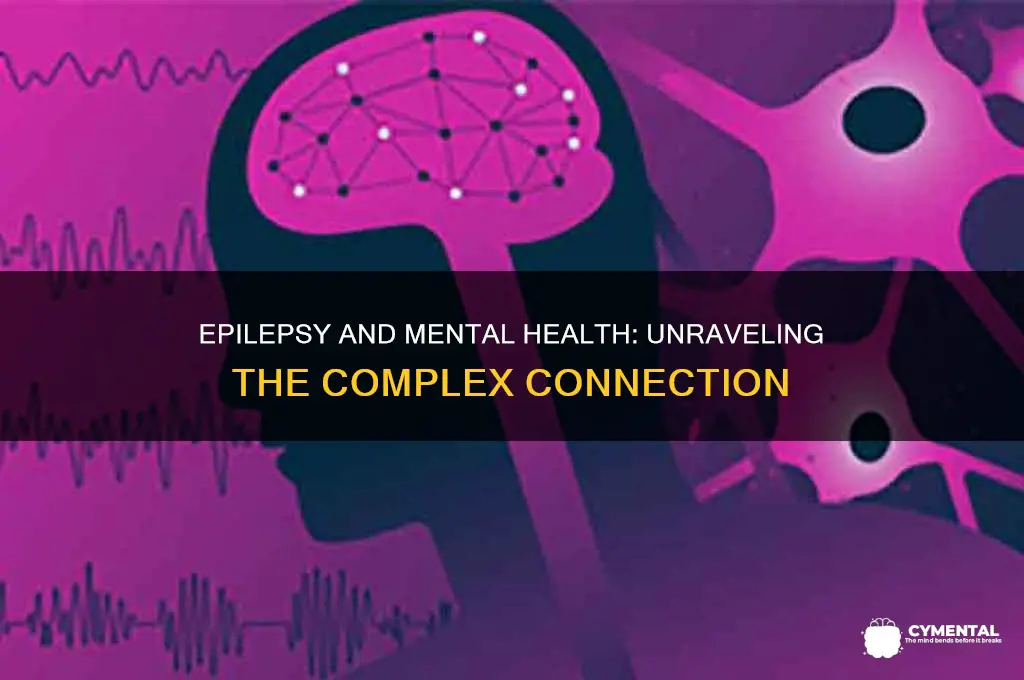
Epilepsy, a neurological disorder characterized by recurrent seizures, is often misunderstood as solely a physical condition, yet its profound impact on mental health raises important questions. While epilepsy originates from abnormal brain activity, its effects extend beyond seizures, influencing emotional well-being, cognitive function, and social interactions. Individuals with epilepsy frequently experience anxiety, depression, and stigma, which can exacerbate their condition and reduce their quality of life. Additionally, the unpredictability of seizures and the side effects of medications can contribute to psychological distress. This interplay between neurological and mental health aspects underscores the need to address epilepsy holistically, recognizing it as a condition that intersects both physical and mental health domains.
| Characteristics | Values |
|---|---|
| Definition of Epilepsy | A neurological disorder characterized by recurrent seizures due to abnormal brain activity. |
| Classification as Mental Health Issue | Not classified as a mental health issue; it is a neurological condition. |
| Overlap with Mental Health | High comorbidity with mental health disorders such as depression, anxiety, and bipolar disorder. |
| Prevalence of Mental Health Issues in Epilepsy | Approximately 30-50% of people with epilepsy experience mental health challenges. |
| Causes of Mental Health Issues in Epilepsy | Shared neurological pathways, social stigma, medication side effects, and the impact of seizures. |
| Impact on Quality of Life | Mental health issues in epilepsy can significantly reduce quality of life, affecting social, occupational, and personal functioning. |
| Treatment Approach | Multidisciplinary approach including antiepileptic drugs, psychotherapy, and mental health interventions. |
| Stigma and Misconceptions | Persistent stigma and misconceptions often link epilepsy with mental illness, despite it being a neurological condition. |
| Research Focus | Increasing research on the neurobiological links between epilepsy and mental health disorders. |
| Public Awareness | Growing awareness but still a need for better education to distinguish epilepsy from mental health issues. |
Explore related products


What You'll Learn

Epilepsy's neurological basis vs. mental health overlap
Epilepsy, a neurological disorder characterized by recurrent seizures, is fundamentally rooted in abnormal electrical activity in the brain. This neurological basis is well-established, with seizures often originating from specific brain regions such as the temporal or frontal lobes. However, the relationship between epilepsy and mental health is complex and bidirectional. Research shows that individuals with epilepsy are at a higher risk for mental health conditions such as depression, anxiety, and bipolar disorder. For example, studies indicate that up to 30% of people with epilepsy experience depression, compared to 7% in the general population. This overlap suggests that while epilepsy is not inherently a mental health issue, its neurological underpinnings can significantly impact psychological well-being.
Understanding this overlap requires examining the shared biological mechanisms. Neurotransmitter imbalances, particularly involving GABA and glutamate, play a role in both seizure activity and mood regulation. Additionally, chronic inflammation and structural changes in the brain, common in epilepsy, are linked to mental health disorders. For instance, hippocampal sclerosis, a frequent finding in temporal lobe epilepsy, is associated with memory deficits and increased risk of depression. Clinicians often prescribe antiepileptic drugs (AEDs) like lamotrigine, which has mood-stabilizing properties, to address both seizure control and mental health symptoms. However, not all AEDs are created equal; drugs such as topiramate may exacerbate depression or anxiety, highlighting the need for personalized treatment approaches.
From a practical standpoint, managing epilepsy effectively involves screening for mental health issues as part of routine care. The International League Against Epilepsy (ILAE) recommends regular assessments using tools like the Patient Health Questionnaire-9 (PHQ-9) for depression. Cognitive-behavioral therapy (CBT) has shown promise in reducing anxiety and depression in this population, often in conjunction with medication. Lifestyle modifications, such as maintaining a consistent sleep schedule and reducing stress, can also mitigate both seizure frequency and mental health symptoms. For children and adolescents with epilepsy, early intervention is critical, as untreated mental health issues can impair developmental outcomes and academic performance.
A comparative analysis reveals that while epilepsy’s neurological basis is distinct, its mental health overlap necessitates an integrated care model. Unlike conditions like schizophrenia, which are primarily psychiatric, epilepsy’s mental health implications arise from its neurological disruptions. This distinction underscores the importance of interdisciplinary collaboration between neurologists, psychiatrists, and psychologists. For example, a patient with drug-resistant epilepsy may benefit from a neuropsychiatric evaluation to address both seizure management and co-occurring psychosis. Such holistic approaches not only improve quality of life but also reduce the stigma often associated with both epilepsy and mental health disorders.
In conclusion, while epilepsy is unequivocally a neurological disorder, its interplay with mental health demands recognition and targeted intervention. By addressing both aspects concurrently, healthcare providers can offer more comprehensive care, ensuring that patients achieve not only seizure control but also emotional and psychological well-being. This dual focus is essential for navigating the complexities of epilepsy and its broader impact on individuals’ lives.
Understanding and Supporting Your Partner’s Mental Health Journey
You may want to see also
Explore related products




Impact of seizures on emotional well-being
Seizures, a hallmark of epilepsy, are not merely physical events; they leave a profound imprint on emotional well-being. The unpredictability of seizures fosters a constant state of hypervigilance, akin to living with an invisible alarm that could sound at any moment. This chronic stress often leads to anxiety disorders, with studies showing that up to 40% of individuals with epilepsy experience clinically significant anxiety. The fear of seizures occurring in public, for instance, can lead to social withdrawal, exacerbating feelings of isolation and depression.
Consider the case of a 28-year-old woman diagnosed with focal seizures. Despite effective medication control, she avoids social gatherings, fearing embarrassment if a seizure occurs. This self-imposed isolation has led to a 30% reduction in her social interactions over the past year, as documented in her therapy sessions. Her experience underscores how seizures can disrupt emotional equilibrium, even when the physical symptoms are managed.
To mitigate these emotional impacts, a multi-faceted approach is essential. Cognitive-behavioral therapy (CBT) has proven effective in reducing seizure-related anxiety, with studies indicating a 50% improvement in anxiety symptoms after 12 weeks of treatment. Additionally, mindfulness practices, such as guided meditation, can help individuals regain a sense of control over their emotional responses. For instance, a 10-minute daily mindfulness routine has been shown to reduce stress levels by 25% in epilepsy patients.
However, emotional well-being in epilepsy is not solely the responsibility of the individual. Support systems play a critical role. Family members and caregivers must be educated on the emotional toll of seizures, as their understanding can significantly alleviate the patient’s burden. For example, a caregiver who learns to recognize early signs of anxiety in a loved one with epilepsy can intervene with reassurance or encourage professional help before the symptoms escalate.
In conclusion, the impact of seizures on emotional well-being is a complex interplay of fear, stress, and social dynamics. Addressing this requires a combination of therapeutic interventions, mindfulness practices, and robust support systems. By acknowledging and actively managing these emotional challenges, individuals with epilepsy can achieve a more balanced and fulfilling life. Practical steps, such as incorporating CBT and mindfulness into daily routines, coupled with informed support from loved ones, can make a tangible difference in emotional resilience.
Navigating a Compassionate Breakup with a Partner Facing Mental Health Challenges
You may want to see also
Explore related products


Stigma linking epilepsy to mental illness
Epilepsy, a neurological disorder characterized by recurrent seizures, is often misunderstood and stigmatized, with a pervasive misconception linking it to mental illness. This stigma stems from historical associations between seizures and supernatural or psychiatric phenomena, which have persisted despite advances in medical understanding. For instance, in ancient times, seizures were sometimes interpreted as possession by evil spirits or a sign of divine punishment, while in the 19th century, they were frequently misclassified as a form of hysteria or mental instability. Such outdated beliefs continue to influence public perception, leading to social exclusion, discrimination, and reduced quality of life for individuals with epilepsy.
Consider the practical implications of this stigma in daily life. A person with epilepsy might hesitate to disclose their condition to employers or colleagues for fear of being labeled as "unstable" or "unreliable," even though their seizures are well-managed with medication. For example, levetiracetam, a common antiepileptic drug, is prescribed at dosages ranging from 500 mg to 3,000 mg daily, depending on age and severity, and effectively controls seizures in approximately 60–70% of patients. Yet, despite such medical successes, the stigma persists, often preventing individuals from seeking necessary accommodations or support. This reluctance perpetuates a cycle of isolation and misunderstanding, reinforcing the false connection between epilepsy and mental health issues.
To dismantle this stigma, it is essential to educate both the public and healthcare professionals about the distinct nature of epilepsy as a neurological condition. Epilepsy is not a mental illness; it is a disorder of the brain’s electrical activity, often treatable with medication, surgery, or lifestyle adjustments. However, the overlap in symptoms—such as confusion, memory issues, or mood changes during or after seizures—can blur the lines for those unfamiliar with the condition. For instance, post-ictal confusion, a common occurrence after a seizure, might be mistaken for a psychiatric episode, further fueling misconceptions. Clear, evidence-based communication is key to distinguishing these transient symptoms from chronic mental health disorders.
A comparative analysis of societal attitudes toward epilepsy and other chronic conditions reveals a double standard. Conditions like diabetes or hypertension, though equally debilitating if unmanaged, are rarely stigmatized as indicators of personal weakness or instability. Yet, epilepsy continues to carry a social burden, often rooted in fear and ignorance. For example, a 2019 study found that 40% of people with epilepsy reported experiencing discrimination, compared to 15% of those with diabetes. This disparity highlights the urgent need for targeted awareness campaigns that emphasize the neurological basis of epilepsy and challenge the unfounded link to mental illness.
Finally, addressing this stigma requires actionable steps at individual and systemic levels. For individuals, sharing personal stories and correcting misinformation can humanize the condition and foster empathy. Support groups, such as those facilitated by the Epilepsy Foundation, provide platforms for collective advocacy and education. At the systemic level, healthcare providers must prioritize epilepsy awareness in medical curricula and public health initiatives. Employers and educators should implement policies that protect individuals with epilepsy from discrimination, ensuring equal opportunities for all. By reframing epilepsy as a manageable neurological condition, society can break free from the stigma that unjustly links it to mental illness, paving the way for greater understanding and inclusion.
Supporting Employees: Compassionate Conversations About Mental Health at Work
You may want to see also
Explore related products






Co-occurrence of epilepsy and psychiatric disorders
Epilepsy, a neurological disorder characterized by recurrent seizures, often coexists with psychiatric disorders, creating a complex interplay that challenges both patients and clinicians. Research indicates that individuals with epilepsy are at a significantly higher risk of developing conditions such as depression, anxiety, and bipolar disorder compared to the general population. For instance, studies show that up to 30% of people with epilepsy experience clinical depression, a rate three times higher than that of the general population. This co-occurrence is not merely coincidental but rooted in shared biological mechanisms, including genetic predispositions, neurochemical imbalances, and structural brain abnormalities. Understanding this relationship is crucial for comprehensive patient care, as untreated psychiatric disorders can exacerbate seizure frequency and reduce overall quality of life.
The bidirectional relationship between epilepsy and psychiatric disorders complicates treatment strategies. For example, certain antiepileptic drugs (AEDs) like topiramate and levetiracetam have been associated with mood disturbances, including depression and irritability. Conversely, psychiatric medications such as selective serotonin reuptake inhibitors (SSRIs) may lower the seizure threshold in some individuals, potentially worsening epilepsy symptoms. Clinicians must carefully balance these risks, often opting for AEDs with a more favorable psychiatric profile, such as lamotrigine, which has mood-stabilizing properties. Patients should be monitored closely for changes in mental health status, particularly during the initial phases of AED therapy or dosage adjustments.
Children and adolescents with epilepsy face unique challenges in this co-occurrence. Pediatric populations are particularly vulnerable to psychiatric comorbidities, with up to 40% experiencing anxiety or attention-deficit/hyperactivity disorder (ADHD). The developmental impact of epilepsy, coupled with the stigma and social isolation often experienced by young patients, can exacerbate these conditions. Early intervention is critical, including cognitive-behavioral therapy (CBT) tailored to the child’s age and developmental stage. Parents and caregivers should be educated on recognizing signs of psychiatric distress, such as withdrawal, irritability, or changes in academic performance, and encouraged to seek prompt professional support.
Practical strategies for managing the co-occurrence of epilepsy and psychiatric disorders include a multidisciplinary approach. Neurologists, psychiatrists, psychologists, and social workers should collaborate to address both the neurological and psychological aspects of care. Lifestyle modifications, such as regular physical activity, adequate sleep, and stress management techniques like mindfulness or yoga, can complement pharmacotherapy. Support groups and peer networks provide invaluable emotional support, reducing feelings of isolation and fostering resilience. For patients with severe comorbidities, integrated care models, such as those offered in epilepsy centers with embedded mental health services, have shown promising outcomes in improving both seizure control and mental health.
In conclusion, the co-occurrence of epilepsy and psychiatric disorders demands a nuanced, patient-centered approach that acknowledges the intricate relationship between brain function and mental health. By addressing both conditions simultaneously and leveraging evidence-based interventions, healthcare providers can significantly enhance the well-being of individuals living with epilepsy. Patients and their families should advocate for comprehensive care that treats the whole person, not just the seizures, to achieve the best possible outcomes.
Understanding Memory Disorders: Effective Evaluation Strategies for Mental Health
You may want to see also
Explore related products


Treatment approaches addressing both epilepsy and mental health
Epilepsy, a neurological disorder characterized by recurrent seizures, often coexists with mental health challenges such as anxiety, depression, and cognitive impairments. Addressing both conditions simultaneously is crucial for improving overall quality of life. Treatment approaches must be integrated, recognizing the bidirectional relationship between epilepsy and mental health. For instance, untreated depression can worsen seizure control, while poorly managed epilepsy can exacerbate anxiety. This interplay demands a holistic strategy that combines neurological and psychiatric interventions.
Step 1: Medication Management
Antiseizure medications (ASMs) are the cornerstone of epilepsy treatment, but their impact on mental health must be carefully monitored. Some ASMs, like topiramate, have been linked to mood disturbances, while others, such as lamotrigine, may have mood-stabilizing effects. Psychiatrists and neurologists should collaborate to select ASMs that minimize psychiatric side effects. For example, lamotrigine is often preferred for patients with comorbid bipolar disorder due to its dual benefits. Additionally, antidepressants like selective serotonin reuptake inhibitors (SSRIs) may be prescribed, but caution is needed to avoid drug interactions. For adults, starting SSRIs at half the standard dose (e.g., 10 mg of escitalopram) and titrating slowly can reduce side effects.
Step 2: Psychotherapy and Behavioral Interventions
Cognitive-behavioral therapy (CBT) is highly effective for managing both epilepsy-related fears and comorbid mental health issues. CBT helps patients reframe negative thoughts about seizures and develop coping strategies for anxiety or depression. For children and adolescents, family-based therapy can address the emotional impact of epilepsy on the entire household. Mindfulness and relaxation techniques, such as progressive muscle relaxation, can also reduce seizure frequency and improve mental well-being. Incorporating these practices into daily routines, even for 10–15 minutes, can yield significant benefits.
Caution: Avoiding Treatment Silos
A common pitfall is treating epilepsy and mental health in isolation. For example, a neurologist may focus solely on seizure control without addressing depressive symptoms, while a psychiatrist may overlook the impact of ASMs on mood. Regular interdisciplinary communication is essential. Shared care plans, where both specialists document and review progress, ensure a cohesive approach. Patients should also be encouraged to report any changes in mood or seizure activity promptly, as early intervention can prevent complications.
Effective treatment for epilepsy and comorbid mental health issues requires personalization. Factors like age, seizure type, and psychiatric history must guide interventions. For instance, older adults may require lower medication doses due to metabolic changes, while adolescents may benefit from peer support groups. Proactive monitoring, such as quarterly mental health screenings for epilepsy patients, can identify issues before they escalate. By integrating neurological and psychiatric care, clinicians can address the complex needs of this population, fostering better outcomes and improved resilience.
Healing and Recovery: Overcoming Mental Health Challenges with Practical Strategies
You may want to see also
Frequently asked questions
Epilepsy is primarily a neurological disorder characterized by recurrent seizures due to abnormal brain activity. While it is not classified as a mental health issue, it can sometimes co-occur with mental health conditions like anxiety or depression.
Yes, epilepsy can increase the risk of mental health issues such as anxiety, depression, or mood disorders. This may be due to the impact of seizures on brain function, the stress of living with a chronic condition, or side effects of medications.
People with epilepsy are at a higher risk of developing mental health disorders compared to the general population. Factors like the frequency of seizures, social stigma, and the psychological burden of the condition contribute to this increased likelihood.