Noah Parker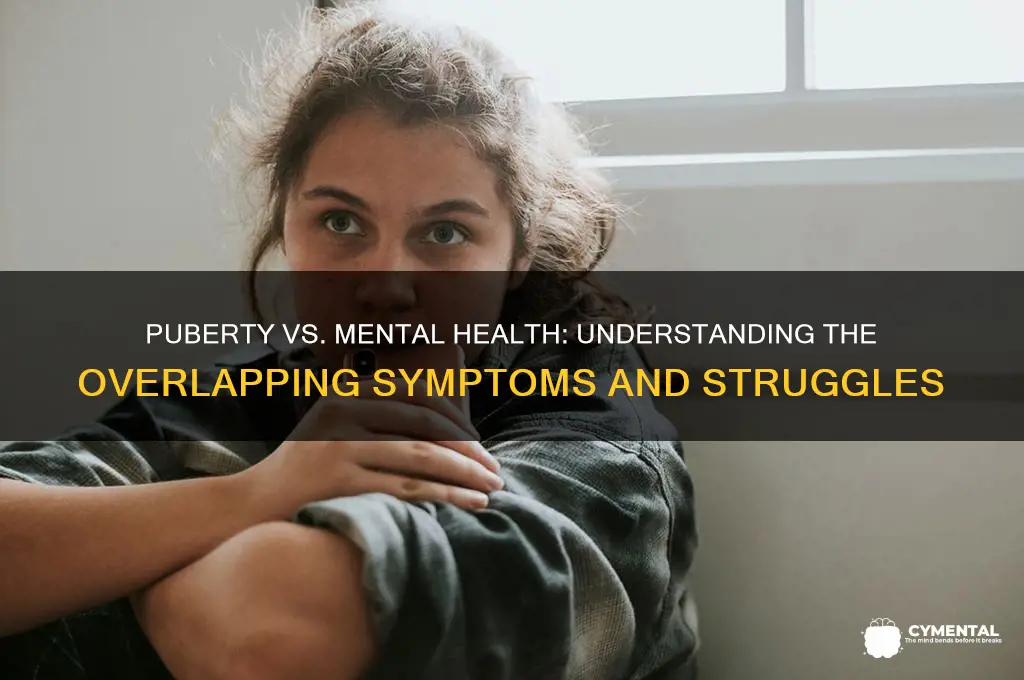
Navigating the complexities of adolescence can be challenging, as the onset of puberty often coincides with significant emotional and psychological changes. Parents, caregivers, and teens themselves may struggle to distinguish between typical hormonal fluctuations and potential mental health issues, as both can manifest in similar ways—mood swings, irritability, withdrawal, or changes in behavior. Understanding the overlap and differences between these two aspects is crucial for providing appropriate support and intervention, ensuring that young individuals receive the care they need during this pivotal stage of development.
Explore related products


What You'll Learn

Mood Swings vs. Depression
Adolescents often experience mood swings, leaving parents and caregivers questioning whether these emotional shifts are typical puberty-related changes or indicators of something more serious, like depression. Understanding the distinction is crucial for providing appropriate support.
Mood swings during puberty are characterized by rapid and often intense emotional shifts, from euphoria to irritability, sometimes within a short span. These fluctuations are primarily driven by hormonal changes, particularly the surge in estrogen and testosterone, which can affect neurotransmitters like serotonin and dopamine, key regulators of mood. For instance, a teenager might feel elated after a good grade but become tearful over a minor disagreement with a friend. These mood swings are usually transient, context-dependent, and interspersed with periods of emotional stability.
Depression, on the other hand, presents as a persistent and pervasive low mood lasting at least two weeks, often accompanied by other symptoms such as loss of interest in activities, changes in appetite or sleep, fatigue, and feelings of worthlessness. Unlike mood swings, depression is not tied to specific events or situations but rather permeates all aspects of life. For example, a depressed teenager might consistently lack enthusiasm for hobbies they once enjoyed, struggle with concentration at school, and express hopelessness about the future. While hormonal changes can contribute to depression, it is a clinical condition that requires intervention, such as therapy or medication, unlike typical pubertal mood swings.
To differentiate between the two, observe the duration, intensity, and impact on daily functioning. Mood swings are generally short-lived and situational, while depression is chronic and all-encompassing. If a teenager’s emotional lows persist for weeks, interfere with school, friendships, or family relationships, or include self-harm ideation, seek professional help immediately. Practical tips for managing mood swings include maintaining a consistent routine, encouraging physical activity, and fostering open communication. For depression, early intervention is key; consult a mental health professional who can recommend evidence-based treatments like cognitive-behavioral therapy (CBT) or, in some cases, antidepressants such as selective serotonin reuptake inhibitors (SSRIs), which are FDA-approved for adolescents aged 12 and older.
In summary, while mood swings are a normal part of puberty, depression is a serious mental health condition requiring targeted treatment. Recognizing the differences ensures that teenagers receive the right support at the right time, fostering resilience and emotional well-being during this critical developmental stage.
Supporting Mental Health: Compassionate Responses to Help and Empower Others
You may want to see also
Explore related products


Anxiety or Hormonal Changes
Adolescents often experience heightened anxiety during puberty, a period marked by significant hormonal fluctuations. The surge in hormones like estrogen, testosterone, and cortisol can amplify emotional responses, making everyday stressors feel overwhelming. For instance, a teenager might react intensely to a minor social mishap, such as a misspoken comment, due to these hormonal shifts. Recognizing this connection is crucial, as it helps differentiate between typical pubertal changes and symptoms of an anxiety disorder. While occasional anxiety is normal, persistent and debilitating fear or worry warrants further investigation.
To distinguish between hormonal anxiety and a mental health issue, observe the duration and intensity of symptoms. Puberty-related anxiety often coincides with physical changes, such as growth spurts or menstrual cycles, and may subside as the body adjusts. In contrast, clinical anxiety disorders, like generalized anxiety disorder (GAD), persist beyond hormonal fluctuations and interfere with daily functioning. For example, a teenager with GAD might avoid school due to excessive worry about performance, whereas hormonal anxiety might manifest as temporary nervousness before a test. Tracking symptoms over time can provide clarity, but consulting a healthcare professional is essential for an accurate diagnosis.
Practical strategies can help manage anxiety during puberty. Encourage regular physical activity, as exercise reduces cortisol levels and promotes the release of endorphins, which improve mood. Mindfulness practices, such as deep breathing exercises or guided meditation, can also calm the nervous system. For instance, a 10-minute mindfulness session before bed can help adolescents unwind and reduce nighttime anxiety. Additionally, maintaining a consistent sleep schedule supports hormonal balance, as sleep deprivation can exacerbate anxiety. Parents and caregivers should model these behaviors, as adolescents often learn stress management by example.
When anxiety becomes unmanageable, professional intervention may be necessary. Cognitive-behavioral therapy (CBT) is highly effective for adolescents, teaching them to identify and challenge negative thought patterns. In some cases, medication, such as selective serotonin reuptake inhibitors (SSRIs), may be prescribed, but this is typically a last resort. It’s important to involve adolescents in decision-making processes, as their buy-in increases the likelihood of successful treatment. Open communication about mental health reduces stigma and encourages early intervention, ensuring that adolescents receive the support they need during this transformative period.
Understanding Gender Dysphoria: Mental Health or Identity Affirmation?
You may want to see also
Explore related products



Irritability: Puberty or Disorder?
Irritability during adolescence often leaves parents and caregivers questioning whether it’s a normal part of puberty or a sign of an underlying mental health disorder. The hormonal fluctuations of puberty—particularly the surge in testosterone and estrogen—can heighten emotional reactivity, making teens more prone to frustration and anger. However, when irritability is persistent, severe, or interferes with daily functioning, it may signal conditions like depression, anxiety, or oppositional defiant disorder (ODD). Distinguishing between the two requires observing patterns: puberty-related irritability tends to be situational and transient, while disorder-related irritability is often chronic and disproportionate to triggers.
Consider this scenario: a 14-year-old boy snaps at his mother for reminding him to clean his room, then later apologizes and explains he’s overwhelmed with schoolwork. This could be puberty-related irritability, fueled by stress and hormonal changes. In contrast, if the same teen consistently reacts with explosive anger, refuses to comply with rules, and shows no remorse, it might indicate ODD or another behavioral disorder. Key red flags include irritability lasting more than six months, physical aggression, or self-harm tendencies. Tracking frequency, intensity, and context of outbursts can help differentiate between typical puberty and a potential disorder.
For parents navigating this gray area, practical strategies can mitigate irritability regardless of its cause. Establishing consistent routines, encouraging physical activity, and teaching stress-management techniques like deep breathing can help teens regulate emotions. Limiting screen time before bed and ensuring adequate sleep (9–10 hours for teens) can also reduce irritability, as fatigue exacerbates mood swings. If concerns persist, consult a pediatrician or mental health professional who can assess for underlying issues and recommend interventions, such as cognitive-behavioral therapy (CBT) or, in rare cases, medication like SSRIs for co-occurring anxiety or depression.
Comparing puberty-related irritability to disorder-related irritability highlights the importance of context. Puberty’s emotional turbulence is a universal experience, often accompanied by other developmental milestones like increased independence and self-awareness. Mental health disorders, however, typically involve additional symptoms like persistent sadness, social withdrawal, or changes in appetite. For instance, irritability in major depressive disorder often coexists with feelings of hopelessness, while in generalized anxiety disorder, it may stem from excessive worry. Understanding these distinctions empowers caregivers to respond with empathy and seek appropriate support when needed.
Ultimately, irritability in adolescence is not a one-size-fits-all issue. While it’s often a normal part of puberty, it warrants attention when it disrupts a teen’s life or relationships. Caregivers should approach the situation with patience, offering support while remaining vigilant for signs of deeper struggles. By fostering open communication and seeking professional guidance when necessary, they can help teens navigate this challenging phase and address potential mental health concerns before they escalate. After all, irritability may be a temporary storm, but ensuring a teen’s emotional well-being is a long-term commitment.
Commitment Issues: Mental Illness or Fear of Attachment?
You may want to see also
Explore related products


Sleep Issues: Natural or Concerning?
Sleep disturbances during adolescence often blur the line between typical developmental changes and potential mental health concerns. Teenagers require 8–10 hours of sleep nightly, yet up to 73% report averaging less than 7 hours on school nights, according to the CDC. This deficit can stem from puberty-induced shifts in circadian rhythms, which delay melatonin release by up to two hours, making it biologically harder to fall asleep before 11 PM. However, persistent insomnia, excessive daytime sleepiness, or sleepwalking could signal underlying anxiety, depression, or ADHD. Tracking sleep patterns alongside mood and energy levels for two weeks can help differentiate between natural adjustments and red flags requiring professional intervention.
Consider the case of a 14-year-old who starts staying up until 2 AM to finish homework, then struggles to wake before 8 AM. While this might reflect poor time management or screen-related stimulation, it could also indicate a misaligned internal clock—a common puberty side effect. To address this naturally, implement a "digital sunset" by dimming screens and avoiding blue light exposure after 9 PM. Gradually shifting bedtime by 15-minute increments weekly can retrain the body’s rhythm without abrupt disruption. If sleep quality doesn’t improve within a month, consult a pediatrician to rule out conditions like delayed sleep phase disorder or emerging mental health issues.
From a comparative perspective, sleep issues in puberty often mirror those in adults but with distinct triggers. While adults might lose sleep due to stress or caffeine, adolescents face hormonal fluctuations and academic pressures. For instance, cortisol levels in teens peak later in the morning, making early school start times biologically counterproductive. Schools in districts like Randolph, New Jersey, have experimented with 8:30 AM start times, reporting improved attendance and grades. Parents can advocate for similar policies while encouraging teens to prioritize sleep as a non-negotiable pillar of health, akin to diet or exercise.
Persuasively, dismissing chronic sleep issues as "just puberty" risks overlooking treatable conditions. A 2020 study in *Sleep Medicine Reviews* found that 40% of teens with insomnia also met criteria for depression or anxiety. Sleep deprivation exacerbates emotional volatility, cognitive fog, and even acne—a triple threat during an already vulnerable period. Practical steps include creating a sleep sanctuary: keep the bedroom cool (60–67°F), dark, and tech-free. Incorporate magnesium-rich foods (e.g., almonds, spinach) or a 200–400 mg supplement 30 minutes before bed to promote relaxation. When natural remedies fall short, cognitive behavioral therapy for insomnia (CBT-I) offers evidence-based strategies tailored to adolescent needs.
Finally, a descriptive lens reveals how sleep issues manifest uniquely in teens. Imagine a 15-year-old who naps after school, skips dinner, and still feels exhausted by 9 PM—only to lie awake until midnight. This paradoxical presentation, known as "sleep state misperception," is more common in adolescents than adults. It often stems from irregular sleep schedules and heightened stress. A structured wind-down routine—such as journaling, light stretching, or listening to binaural beats—can signal to the brain that bedtime is approaching. Pairing this with consistent wake times, even on weekends, reinforces circadian stability. When in doubt, err on the side of caution: consult a sleep specialist to untangle whether these issues are a phase or a plea for deeper support.
Understanding Fear: Is It a Mental Health Concern or Normal Emotion?
You may want to see also
Explore related products


Body Image Struggles: Growth or Dysmorphia?
Adolescence is a minefield of physical and emotional changes, making it difficult to distinguish between typical growth-related body image concerns and the onset of body dysmorphic disorder (BDD). While 50-70% of teenagers experience some degree of body dissatisfaction during puberty, BDD affects approximately 2.4% of adolescents, with symptoms often emerging around age 12-13. This disparity highlights the importance of understanding the nuances between normal developmental struggles and a potential mental health issue.
Consider the following scenario: a 14-year-old girl becomes increasingly preoccupied with her perceived "thunder thighs," spending hours scrutinizing her reflection and avoiding social situations. While this behavior may seem extreme, it's not uncommon during puberty, as adolescents navigate a 100-150% increase in body fat distribution and a 20% growth spurt. However, if her concerns persist for more than 3-6 months, significantly interfere with daily functioning, and are accompanied by compulsive behaviors (e.g., excessive exercise, restrictive eating), it may indicate the development of BDD. In such cases, cognitive-behavioral therapy (CBT) and selective serotonin reuptake inhibitors (SSRIs) like fluoxetine (10-20 mg/day) can be effective interventions.
To differentiate between growth-related body image struggles and BDD, parents and caregivers should monitor the frequency, intensity, and duration of an adolescent's concerns. A helpful framework is the "3-6-9 rule": 3 or more hours per day spent worrying about appearance, 6 or more days per week experiencing significant distress, and 9 or more months of persistent symptoms may warrant professional evaluation. Additionally, adolescents with BDD often exhibit a disproportionate focus on specific body parts, whereas those experiencing typical puberty-related concerns tend to express more generalized dissatisfaction.
A comparative analysis of these two phenomena reveals distinct patterns. Growth-related body image struggles often coincide with pubertal milestones, such as menarche or voice changes, and may be alleviated through education, reassurance, and social support. In contrast, BDD typically involves a more pervasive and persistent preoccupation with appearance, often accompanied by social isolation, academic decline, and comorbid conditions like depression or obsessive-compulsive disorder (OCD). To mitigate the risk of BDD, parents can encourage a healthy body image by modeling positive self-talk, promoting diverse beauty standards, and limiting exposure to idealized media images.
Ultimately, distinguishing between body image struggles as a normal part of growth and the onset of dysmorphia requires a nuanced understanding of adolescent development. By recognizing the signs, monitoring symptoms, and seeking professional guidance when necessary, parents and caregivers can help adolescents navigate this challenging period. Practical tips include engaging in regular family meals to promote healthy eating habits, encouraging participation in non-appearance-based activities (e.g., music, sports), and fostering open communication about body image concerns. Remember, early intervention is key: 60-70% of adolescents with BDD experience significant improvement with timely treatment, underscoring the importance of vigilance and proactive support.
Approaching with Care: How to Ask About Mental Health Issues
You may want to see also
Frequently asked questions
Puberty often causes mood swings due to hormonal changes, but persistent, severe, or disruptive mood changes that interfere with daily life may indicate a mental health issue. Look for signs like prolonged sadness, withdrawal, or extreme anxiety.
Mild anxiety during puberty is common due to physical and emotional changes. However, if anxiety is intense, constant, or interferes with school, relationships, or sleep, it may be a mental health concern requiring professional help.
Puberty can lead to temporary feelings of sadness or irritability, but prolonged symptoms like loss of interest in activities, changes in appetite, or thoughts of self-harm could signal clinical depression and need attention.
Occasional anger outbursts are common during puberty, but frequent, intense, or violent outbursts that harm relationships or cause distress may indicate an underlying mental health issue like oppositional defiant disorder or anxiety.
Puberty can disrupt sleep patterns due to hormonal changes, but persistent insomnia, excessive sleepiness, or nightmares may be linked to mental health issues like anxiety or depression and should be evaluated by a professional.