Ava Ramirez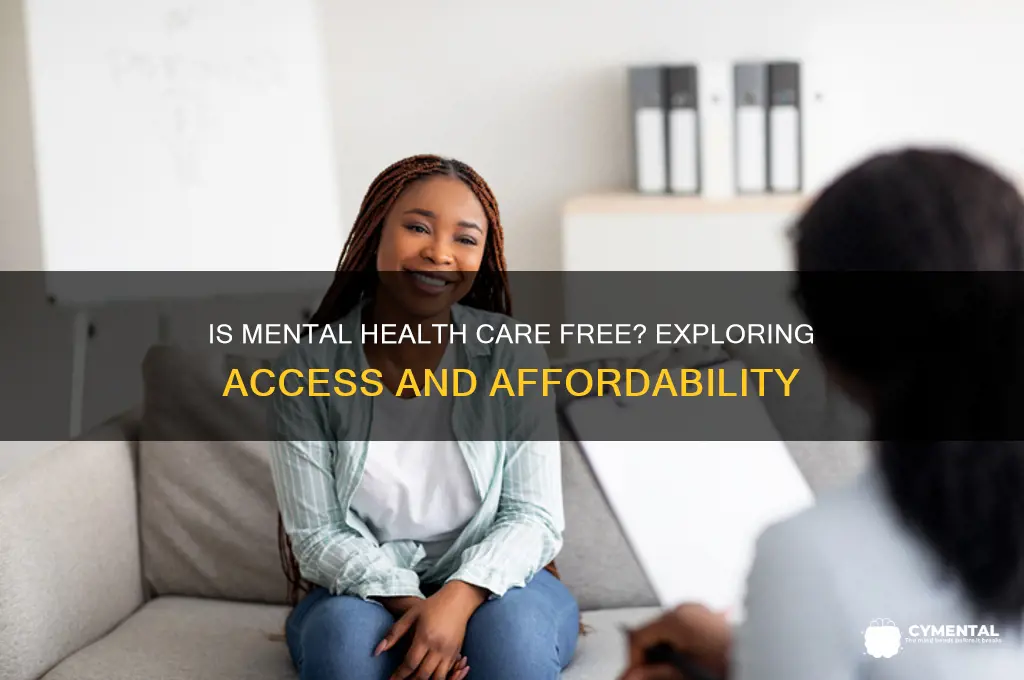
The question of whether mental health services are free is a critical one, as access to care can significantly impact an individual’s well-being. While many countries offer publicly funded mental health programs or insurance-covered treatments, the availability and extent of free services vary widely. In some regions, government-funded healthcare systems provide no-cost or low-cost mental health support, while in others, individuals may rely on private insurance or out-of-pocket payments, making care inaccessible for those with limited financial resources. Additionally, free or low-cost options often come with limitations, such as long wait times, restricted session numbers, or limited treatment modalities. Nonprofit organizations and community resources sometimes fill gaps, but disparities persist, particularly for marginalized populations. Ultimately, the accessibility of free mental health care remains a complex issue influenced by geographic location, socioeconomic status, and systemic policies.
| Characteristics | Values |
|---|---|
| Availability of Free Services | Many countries offer free mental health services through public healthcare systems, NGOs, or government programs. |
| Public Healthcare Coverage | In countries like the UK (NHS), Canada, and Australia, mental health services are free or subsidized for residents. |
| Non-Profit Organizations | Organizations like NAMI (USA), Mind (UK), and Beyond Blue (Australia) provide free resources, helplines, and support groups. |
| Online Platforms | Free mental health apps (e.g., Calm, Headspace) offer limited free features; platforms like 7 Cups provide free peer support. |
| Government Programs | Some governments fund free counseling, therapy, or crisis hotlines (e.g., 988 Suicide & Crisis Lifeline in the USA). |
| Limitations | Free services may have long wait times, limited sessions, or restricted access based on eligibility criteria. |
| Private vs. Public | Private therapy is typically not free, while public or community-based services often are. |
| Crisis Support | Free crisis hotlines and emergency mental health services are widely available globally. |
| Cultural Variations | Availability of free mental health services varies significantly by country and region. |
| Insurance Coverage | In some countries, insurance plans may cover mental health services, making them effectively free for policyholders. |
Explore related products


What You'll Learn
- Government-Funded Programs: Free mental health services offered through public healthcare systems
- Non-Profit Organizations: Charities providing free counseling and support to those in need
- Online Platforms: Free mental health resources, apps, and communities for self-help
- Community Clinics: Low-cost or free therapy sessions at local health centers
- Crisis Hotlines: Immediate, free mental health support via phone or text

Government-Funded Programs: Free mental health services offered through public healthcare systems
In many countries, government-funded programs provide a vital safety net for individuals seeking mental health support without the burden of out-of-pocket expenses. These initiatives are particularly crucial in addressing the growing global demand for mental health services, ensuring that financial barriers do not prevent access to care. Public healthcare systems, often underpinned by taxpayer contributions, offer a range of free or subsidized mental health services, from counseling and psychotherapy to medication and crisis intervention.
Navigating the System: A Step-by-Step Guide
- Identify Your Needs: Begin by assessing the type of mental health support required. This could range from short-term counseling for mild anxiety to long-term treatment for severe depression or schizophrenia. Understanding your needs will help you navigate the available services effectively.
- Research Local Programs: Visit your country or region’s health department website to explore government-funded mental health initiatives. For instance, in the UK, the National Health Service (NHS) offers free talking therapies through the Improving Access to Psychological Therapies (IAPT) program. In Australia, the Better Access initiative provides Medicare-subsidized psychological services, allowing individuals to access up to 20 sessions per year.
- Contact Primary Care Providers: Start with your general practitioner or family doctor, who can refer you to appropriate services within the public healthcare system. They may also prescribe medications, such as selective serotonin reuptake inhibitors (SSRIs) at standard dosages (e.g., 20–40 mg/day for fluoxetine), which are often covered under public health schemes.
Cautions and Considerations
While government-funded programs offer significant benefits, they are not without limitations. Wait times for services can be lengthy, particularly for specialized treatments. For example, in Canada, wait times for publicly funded psychotherapy sessions can exceed several months. Additionally, the scope of services may vary, with some programs focusing primarily on common mental health issues like depression and anxiety, potentially leaving those with more complex or rare conditions underserved.
Comparative Analysis: Public vs. Private Care
Government-funded mental health services often prioritize accessibility and affordability, making them ideal for individuals with limited financial resources. However, private care may offer faster access to treatment and a broader range of therapeutic options, albeit at a higher cost. For instance, while public systems might provide 6–12 free counseling sessions, private therapists may offer more flexible scheduling and specialized modalities like cognitive-behavioral therapy (CBT) or eye movement desensitization and reprocessing (EMDR).
Practical Tips for Maximizing Benefits
- Be Proactive: Regularly follow up with healthcare providers to monitor progress and ensure continuity of care.
- Explore Community Resources: Supplement public services with free community-based programs, such as support groups or peer-led initiatives.
- Advocate for Yourself: If wait times are long, inquire about interim support options, such as online resources or crisis hotlines.
Government-funded mental health programs play a critical role in democratizing access to care, ensuring that financial constraints do not exacerbate mental health challenges. While these systems are not perfect, they provide a foundational support structure that can be life-changing for many. By understanding how to navigate and maximize these resources, individuals can take meaningful steps toward improving their mental well-being.
Mental Health Status Exam: A Key Tool for Diagnosing Anxiety
You may want to see also
Explore related products


Non-Profit Organizations: Charities providing free counseling and support to those in need
Access to mental health support is a critical need, yet cost often stands as a barrier. Non-profit organizations and charities step into this gap, offering free counseling and support to those who might otherwise go without. These entities rely on donations, grants, and volunteers to provide services ranging from crisis hotlines to long-term therapy, ensuring that financial constraints do not prevent individuals from receiving care. For instance, organizations like the National Alliance on Mental Illness (NAMI) and the Crisis Text Line offer immediate assistance at no cost, demonstrating the vital role of non-profits in democratizing mental health care.
Consider the operational model of these charities: many leverage technology to maximize reach and efficiency. Platforms like 7 Cups connect individuals with trained volunteer listeners for free emotional support, while apps like BetterStop collaborate with non-profits to provide limited free sessions with licensed therapists. These innovations highlight how non-profits adapt to modern needs, ensuring accessibility even in remote or underserved areas. However, it’s important to note that while these services are free, they may have limitations, such as session caps or wait times, which users should factor into their expectations.
For those seeking long-term support, some non-profits offer structured programs tailored to specific demographics. For example, the Trevor Project provides free counseling and crisis intervention specifically for LGBTQ+ youth, addressing unique challenges this community faces. Similarly, organizations like Give an Hour connect veterans and their families with volunteer mental health professionals for free sessions. These targeted initiatives underscore the importance of specialized care and the role of non-profits in filling gaps left by traditional healthcare systems.
Engaging with these services requires proactive steps. Start by researching reputable non-profits in your area or online, using directories like the Substance Abuse and Mental Health Services Administration (SAMHSA) helpline. Reach out directly to inquire about eligibility and availability, as some programs prioritize individuals based on income or specific needs. Additionally, consider supporting these organizations through donations or volunteering, as their ability to provide free services depends on community contributions. By leveraging these resources, individuals can access critical mental health support without financial burden, while also contributing to a sustainable ecosystem of care.
Comic Books and Cartoons: Unlocking Mental Health Benefits Through Art
You may want to see also
Explore related products

Online Platforms: Free mental health resources, apps, and communities for self-help
The digital age has democratized access to mental health support, offering a plethora of free online platforms, apps, and communities designed for self-help. These resources provide immediate, accessible tools for managing stress, anxiety, depression, and other mental health challenges without the barriers of cost or stigma. From guided meditations to peer support forums, these platforms empower individuals to take control of their mental well-being at their own pace.
Consider apps like Insight Timer or Calm, which offer free meditation and mindfulness exercises tailored to reduce stress and improve focus. For instance, Insight Timer provides over 100,000 free guided meditations, while Calm’s "Daily Calm" sessions are accessible without a subscription. These tools are particularly useful for beginners, as they include step-by-step instructions and sessions as short as 3–5 minutes, ideal for integrating into a busy schedule. For those seeking structured self-help programs, Moodpath offers a free two-week mental health assessment and daily exercises to track and improve mood, making it a valuable resource for individuals aged 18 and above.
Beyond apps, online communities like 7 Cups and Reddit’s r/mentalhealth provide free peer support and a sense of belonging. 7 Cups connects users with trained volunteer listeners for anonymous text-based chats, while Reddit’s forums allow individuals to share experiences, advice, and coping strategies. These platforms are particularly beneficial for those who feel isolated or prefer anonymity. However, it’s crucial to exercise caution: while peer support can be comforting, it’s not a substitute for professional therapy, and users should be mindful of the limitations of advice from non-experts.
For those seeking evidence-based resources, websites like Mental Health America (MHA) and National Alliance on Mental Illness (NAMI) offer free screening tools, educational materials, and self-help guides. MHA’s online screening tools, for example, help users assess symptoms of depression, anxiety, and PTSD, providing personalized feedback and resources. NAMI’s “HelpLine” offers free guidance via phone or email, connecting individuals to local support services. These platforms are particularly useful for individuals who want to understand their mental health better before seeking professional help.
While free online resources are invaluable, they come with limitations. Apps and websites cannot diagnose or treat severe mental health conditions, and their effectiveness varies by user. For instance, mindfulness apps may not suffice for someone with clinical depression, and online communities can sometimes perpetuate misinformation. To maximize their benefit, users should combine these tools with professional care when needed, treat them as supplements rather than replacements, and prioritize platforms backed by research or reputable organizations. With mindful use, these free online resources can be powerful allies in the journey toward mental wellness.
Launching Your Mental Health Practice: A Step-by-Step Guide to Success
You may want to see also
Community Clinics: Low-cost or free therapy sessions at local health centers
Access to mental health services is a critical yet often overlooked aspect of overall well-being. Community clinics, typically embedded in local health centers, offer a lifeline by providing low-cost or free therapy sessions to those who might otherwise go without. These clinics are often funded by government grants, nonprofit organizations, or sliding-scale fees based on income, ensuring that financial barriers do not prevent individuals from seeking help. For example, a single parent earning minimum wage might pay as little as $10 per session, while someone with a higher income could contribute $50, making mental health care accessible across economic strata.
One of the key advantages of community clinics is their integration into existing healthcare systems. This allows for a holistic approach to treatment, where mental health is addressed alongside physical health concerns. For instance, a patient visiting a clinic for diabetes management might also receive counseling for stress or anxiety, recognizing the interconnectedness of mind and body. Clinics often employ a multidisciplinary team, including therapists, social workers, and psychiatrists, ensuring comprehensive care tailored to individual needs. This model is particularly beneficial for underserved populations, such as low-income families, veterans, or individuals without insurance.
However, navigating the availability and eligibility criteria for these services can be daunting. Prospective patients should start by researching local health centers or contacting their county’s health department for a list of community clinics. Many clinics require proof of income or residency to determine eligibility for reduced fees. Additionally, wait times can vary, with some clinics offering immediate appointments for crisis situations while others may have a backlog of several weeks. Patience and persistence are essential, as these resources, though invaluable, are often in high demand.
Despite their benefits, community clinics face challenges that can impact their effectiveness. Limited funding and staffing shortages sometimes result in reduced hours or fewer available sessions. To mitigate this, some clinics partner with local universities to provide supervised therapy sessions by graduate students in psychology or counseling programs, offering both affordable care and practical training for future professionals. Patients should also be aware that while therapy at these clinics is often short-term and goal-oriented, it can still provide significant relief and coping strategies for managing mental health issues.
In conclusion, community clinics serve as a vital resource for accessible mental health care, bridging the gap between need and affordability. By offering low-cost or free therapy sessions, they ensure that financial constraints do not become a barrier to well-being. While challenges exist, the benefits of these clinics—holistic care, multidisciplinary teams, and community integration—make them an indispensable part of the mental health landscape. For those seeking support, exploring local community clinics can be a practical first step toward healing and resilience.
Meditation Yoga: Enhancing Facial and Mental Health Naturally
You may want to see also
Crisis Hotlines: Immediate, free mental health support via phone or text
In moments of acute distress, crisis hotlines offer a lifeline—immediate, free mental health support accessible via phone or text. These services are designed to provide real-time assistance to individuals experiencing emotional turmoil, suicidal thoughts, or overwhelming anxiety. Unlike therapy or counseling, which often require appointments and financial commitment, crisis hotlines are available 24/7, ensuring help is just a call or text away. For example, the National Suicide Prevention Lifeline (988 in the U.S.) connects callers to trained counselors who can de-escalate crises and provide coping strategies. Similarly, the Crisis Text Line (text HOME to 741741) offers silent, discreet support for those who prefer texting over speaking.
Analyzing their effectiveness, crisis hotlines serve as a critical bridge between immediate need and long-term care. Studies show that individuals who use these services often report feeling less alone and more capable of managing their emotions in the moment. However, it’s important to note that while hotlines provide urgent relief, they are not a substitute for ongoing mental health treatment. For instance, someone experiencing chronic depression may benefit from a hotline during a severe episode but should also seek therapy or medication for sustained recovery. The key takeaway is that crisis hotlines are a free, accessible tool for immediate support, not a standalone solution.
To maximize their utility, consider these practical tips: First, save hotline numbers in your phone for quick access during emergencies. Second, be honest and open with the counselor or responder; they are trained to handle even the most distressing situations. Third, if you’re texting, keep messages concise but clear to ensure prompt assistance. For parents or caregivers, familiarize yourself with youth-specific hotlines like the Trevor Project (1-866-488-7386), which caters to LGBTQ+ youth in crisis. Lastly, remember that reaching out is a sign of strength, not weakness, and these services are here to help without judgment or cost.
Comparatively, crisis hotlines stand out in the landscape of free mental health resources due to their immediacy and anonymity. While free clinics or community programs may offer in-person support, they often have waitlists or limited hours. Apps and online forums, though convenient, lack the human connection and urgency that hotlines provide. For instance, someone in the midst of a panic attack may find more relief from a live counselor than from a pre-recorded meditation on an app. This unique combination of accessibility, speed, and human interaction makes crisis hotlines an invaluable resource for anyone in need of urgent mental health support.
Descriptively, using a crisis hotline can feel like stepping into a safe, nonjudgmental space where your pain is acknowledged and validated. The voice on the other end is calm, steady, and focused solely on helping you regain control. For text-based services, the experience is similarly reassuring—responses are prompt, empathetic, and tailored to your specific situation. Whether you’re grappling with grief, self-harm urges, or overwhelming stress, these services provide a sense of connection and hope in moments when both feel out of reach. In a world where mental health struggles are often invisible, crisis hotlines shine a light, offering free, immediate support to those who need it most.
Multivitamins and Mental Health: Unlocking the Potential Benefits
You may want to see also
Frequently asked questions
Mental health help is not universally free, but many countries offer free or low-cost services through public healthcare systems, community clinics, or government programs. Availability depends on location and eligibility criteria.
Yes, there are free online resources such as crisis hotlines, mental health apps, and support forums. However, these may not replace professional therapy or counseling.
Some organizations, community centers, and nonprofits offer free or sliding-scale therapy for uninsured individuals. Research local resources or contact mental health organizations for assistance.
Many mental health screenings are free, especially through schools, workplaces, or public health campaigns. However, follow-up treatment or consultations may involve costs.