Ava Ramirez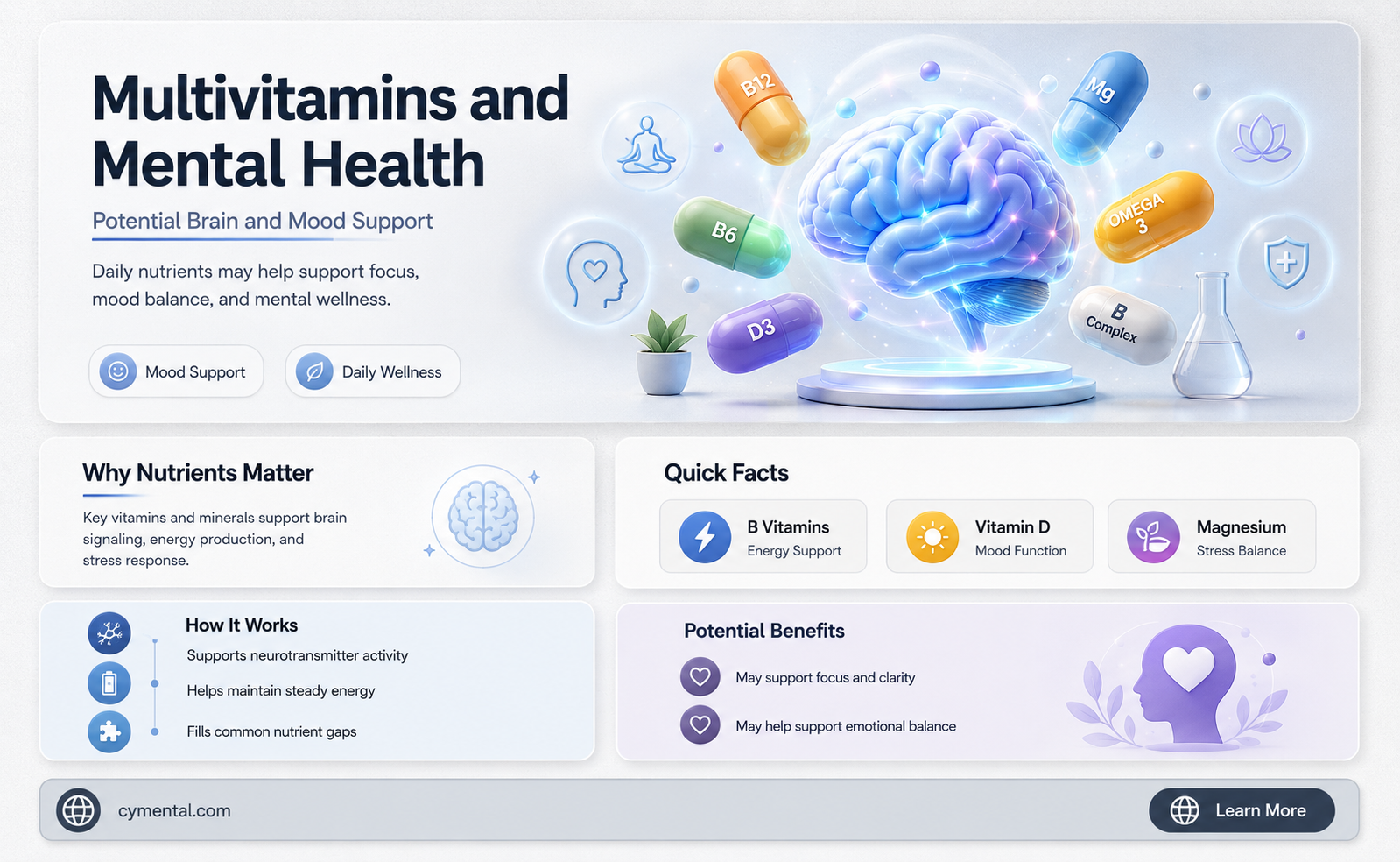
Multivitamins have long been touted for their potential to support overall health, but their impact on mental health remains a topic of growing interest and debate. While some studies suggest that certain vitamins and minerals, such as B vitamins, vitamin D, and omega-3 fatty acids, may play a role in reducing symptoms of depression, anxiety, and stress, the evidence is not yet conclusive. Proponents argue that addressing nutritional deficiencies can improve brain function and mood, while critics emphasize that multivitamins are not a substitute for a balanced diet or targeted mental health treatments. As research continues to explore the complex relationship between nutrition and mental well-being, individuals are encouraged to consult healthcare professionals before relying on supplements as a primary solution for mental health concerns.
Explore related products

$16.97 $19.99


What You'll Learn
- Impact on Mood Disorders: Multivitamins may reduce symptoms of depression and anxiety by addressing nutrient deficiencies
- Cognitive Function Boost: Certain vitamins (B, D, E) can enhance memory, focus, and overall brain health
- Stress Reduction: Vitamins like C and B-complex may lower cortisol levels, aiding stress management
- Omega-3 and Mental Health: Often included in multivitamins, omega-3s support emotional well-being and mood stability
- Placebo vs. Actual Benefits: Studies debate whether mental health improvements are due to nutrients or placebo effects

Impact on Mood Disorders: Multivitamins may reduce symptoms of depression and anxiety by addressing nutrient deficiencies
Nutrient deficiencies are often overlooked culprits in mood disorders. Studies suggest that deficiencies in vitamins like B12, D, and folate, as well as minerals like magnesium and zinc, are linked to increased risk of depression and anxiety. Multivitamins, by replenishing these essential nutrients, may offer a simple yet effective adjunctive approach to managing these conditions.
For instance, vitamin D deficiency is prevalent in individuals with depression, and supplementation has shown promising results in improving mood, particularly in those with severe deficiencies. Similarly, B vitamins play a crucial role in neurotransmitter synthesis, and their deficiency can lead to symptoms of anxiety and depression. A daily multivitamin containing 100% of the recommended daily intake (RDI) of these nutrients could be a valuable tool in addressing these deficiencies.
Consider the following scenario: a 35-year-old woman with mild depression and anxiety, who also has a diet lacking in fruits, vegetables, and whole grains. Her healthcare provider recommends a high-quality multivitamin containing 400 IU of vitamin D, 2.4 mcg of B12, and 400 mcg of folate, among other essential nutrients. After 8 weeks of consistent use, she reports a noticeable improvement in her mood, energy levels, and overall well-being. This example highlights the potential benefits of multivitamins in addressing nutrient deficiencies that contribute to mood disorders.
However, it's essential to approach multivitamin use with caution. Not all multivitamins are created equal, and some may contain excessive amounts of certain nutrients, leading to toxicity. For instance, excessive intake of vitamin A can cause headaches, dizziness, and nausea. To minimize risks, choose a multivitamin tailored to your age, gender, and specific needs. Adults over 50, for example, may require higher doses of vitamin B12 and D, while pregnant women need more folate. Always consult a healthcare professional before starting any new supplement regimen, especially if you're taking medications or have underlying health conditions.
To maximize the benefits of multivitamins for mood disorders, consider the following practical tips: take your multivitamin with a meal to enhance absorption, particularly for fat-soluble vitamins like A, D, E, and K. Store your multivitamins in a cool, dry place, away from direct sunlight, to maintain their potency. If you're experiencing persistent mood symptoms, don't rely solely on multivitamins – seek professional help and consider a comprehensive treatment plan that includes therapy, lifestyle modifications, and, if necessary, medication. By incorporating a high-quality multivitamin into a holistic approach to mental health, you may find relief from symptoms of depression and anxiety, and improve your overall quality of life.
Recognizing Mental Health Struggles: When to Seek Support and Guidance
You may want to see also
Explore related products




Cognitive Function Boost: Certain vitamins (B, D, E) can enhance memory, focus, and overall brain health
Vitamins B, D, and E aren’t just alphabet soup—they’re key players in sharpening cognitive function. Vitamin B complex, particularly B6, B9 (folate), and B12, supports neurotransmitter production, which directly impacts memory and focus. A deficiency in these can lead to cognitive decline, especially in older adults. For instance, a study published in the *American Journal of Clinical Nutrition* found that higher B vitamin intake was associated with slower brain atrophy rates in the elderly. Similarly, Vitamin D, often called the “sunshine vitamin,” regulates genes involved in brain health, while Vitamin E acts as an antioxidant, protecting brain cells from oxidative stress. Together, these vitamins form a trifecta for maintaining and enhancing mental acuity.
To harness their benefits, consider targeted supplementation. Adults over 50, who are at higher risk of B12 deficiency, should aim for 2.4 mcg daily, either through diet or supplements. Vitamin D recommendations vary by age and sun exposure, but 600–800 IU daily is a common guideline. For Vitamin E, 15 mg (22.4 IU) is sufficient for most adults. However, always consult a healthcare provider before starting any regimen, as excessive intake can have adverse effects. For example, too much Vitamin E can interfere with blood clotting, while excessive Vitamin D can lead to hypercalcemia.
Practical tips can amplify these vitamins’ impact. Pairing Vitamin D supplements with a meal containing healthy fats (like avocado or nuts) enhances absorption. For Vitamin B, opt for fortified foods like cereals or plant-based milks if dietary intake is low. Vitamin E-rich foods like almonds, spinach, and sunflower seeds can easily be incorporated into daily meals. Additionally, lifestyle factors like regular exercise and adequate sleep complement these vitamins’ cognitive benefits, creating a holistic approach to brain health.
Comparing natural intake versus supplementation reveals a nuanced picture. While whole foods provide these vitamins alongside other beneficial compounds, supplements offer precision, especially for those with dietary restrictions or deficiencies. For instance, vegans may struggle to get enough B12 from diet alone, making supplements essential. Conversely, over-reliance on supplements without addressing diet can lead to imbalances. The ideal approach? Use supplements to fill gaps, not replace a balanced diet.
In conclusion, Vitamins B, D, and E are not magic bullets but powerful tools in the cognitive function toolkit. Their role in memory, focus, and brain health is backed by science, but their effectiveness depends on proper dosage, individual needs, and lifestyle synergy. Whether through diet, supplements, or both, incorporating these vitamins thoughtfully can yield tangible mental health benefits, particularly as we age.
Struggling to Afford Mental Health Care? You're Not Alone
You may want to see also
Explore related products


Stress Reduction: Vitamins like C and B-complex may lower cortisol levels, aiding stress management
Chronic stress isn't just unpleasant; it's physiologically damaging. Cortisol, the body's primary stress hormone, wreaks havoc when elevated long-term, contributing to anxiety, depression, and even physical ailments. While lifestyle changes are paramount for stress management, emerging research suggests vitamins C and B-complex may offer a nutritional buffer against cortisol's effects.
Vital C, a potent antioxidant, plays a dual role in stress mitigation. Firstly, it directly combats the oxidative stress induced by cortisol. Studies indicate that individuals with higher vitamin C levels exhibit lower cortisol responses to acute stress. Secondly, vitamin C is essential for the production of neurotransmitters like serotonin, which regulate mood and promote feelings of well-being. Aim for 500-1000 mg daily, through citrus fruits, bell peppers, or supplements, especially during stressful periods.
The B-complex vitamins, a team of eight essential nutrients, are crucial for energy production and nervous system function. Deficiencies in B vitamins, particularly B6, B9 (folate), and B12, have been linked to increased anxiety and depression. These vitamins contribute to the synthesis of neurotransmitters like serotonin and dopamine, which are vital for mood regulation. B vitamins also support the adrenal glands, responsible for cortisol production. Consider a B-complex supplement providing 100% of the daily value for each B vitamin, especially if your diet lacks whole grains, leafy greens, and lean protein.
B vitamins are water-soluble, meaning they aren't stored in the body and need daily replenishment. While generally safe, high doses of certain B vitamins, like B6, can be toxic. Stick to recommended dosages and consult a healthcare professional if you have any underlying health conditions. Remember, vitamins are not a magic bullet for stress. They work best in conjunction with proven stress management techniques like exercise, meditation, and adequate sleep. Think of them as nutritional allies in your fight against stress, supporting your body's natural resilience.
Supporting Mental Health: Practical Ways to Make a Positive Impact
You may want to see also
Explore related products

![NatureWise Vitamin B Complex for Women and Men - with Folic Acid Biotin B1 B2 B3 B6 B12 - Support Cellular Energy & Mental Clarity - Gluten & Dairy Free, Non-GMO - 60 Softgels[2-Month Supply]](https://m.media-amazon.com/images/I/71xmk3fvnoL._AC_UL320_.jpg)


Omega-3 and Mental Health: Often included in multivitamins, omega-3s support emotional well-being and mood stability
Omega-3 fatty acids, particularly EPA (eicosapentaenoic acid) and DHA (docosahexaenoic acid), are cornerstone nutrients for brain health, often included in multivitamins to bolster their mental health benefits. These essential fats are integral to cell membrane structure in the brain, influencing neurotransmission and neuroinflammation. Research suggests that omega-3s can modulate serotonin and dopamine levels, neurotransmitters critical for mood regulation. For instance, a meta-analysis published in *Translational Psychiatry* found that EPA-rich supplements significantly reduced symptoms of depression in clinical populations. This underscores why omega-3s are not just an add-on but a key player in multivitamin formulations targeting mental well-being.
To harness omega-3s’ mental health benefits, dosage matters. The American Psychiatric Association recommends 1–2 grams of EPA daily for depression, often in combination with DHA. For general emotional well-being, the National Institutes of Health suggests 250–500 mg of combined EPA and DHA daily for adults. However, individual needs vary—pregnant women, for example, may require higher DHA levels for fetal brain development, while older adults might benefit from increased EPA to combat age-related cognitive decline. Always consult a healthcare provider to tailor dosage, especially if taking blood thinners or managing specific mental health conditions.
Practical integration of omega-3s into daily life extends beyond supplements. Fatty fish like salmon, mackerel, and sardines are rich natural sources, with a 3-ounce serving of salmon providing up to 1.5 grams of omega-3s. For vegetarians or those averse to fish, algae-based supplements offer a direct DHA source, while flaxseeds, chia seeds, and walnuts provide ALA (alpha-linolenic acid), a precursor to EPA and DHA. Pairing these foods with vitamin-C-rich options like bell peppers or citrus can enhance absorption. For those relying on multivitamins, ensure the label specifies EPA and DHA content, as generic "fish oil" may lack therapeutic doses.
Despite their benefits, omega-3s are not a standalone solution for mental health. Their efficacy is most pronounced when combined with other lifestyle factors—adequate sleep, regular exercise, and stress management. For instance, a study in *Journal of Affective Disorders* found that omega-3 supplementation was most effective in individuals with low baseline omega-3 levels and those concurrently practicing mindfulness techniques. This synergy highlights the importance of viewing multivitamins as part of a holistic approach, not a quick fix.
In conclusion, omega-3s in multivitamins offer a scientifically backed avenue to support emotional well-being and mood stability. Their role in brain function is multifaceted, from neurotransmitter modulation to anti-inflammatory effects. By understanding dosage, sourcing, and complementary strategies, individuals can maximize their mental health benefits. Whether through diet, supplements, or both, incorporating omega-3s is a proactive step toward nurturing both mind and body.
Supporting Through Crisis: Essential Steps to Aid Mental Health Emergencies
You may want to see also
Explore related products



Placebo vs. Actual Benefits: Studies debate whether mental health improvements are due to nutrients or placebo effects
The debate over whether multivitamins genuinely enhance mental health or if perceived benefits stem from placebo effects is a complex one, with studies yielding conflicting results. On one hand, research suggests that certain nutrients—such as B vitamins, vitamin D, and omega-3 fatty acids—play critical roles in brain function and mood regulation. For instance, vitamin D deficiency has been linked to depression, and supplementation has shown promise in improving symptoms in some studies. However, the question remains: are these improvements due to the nutrients themselves, or the psychological reassurance of taking a supplement?
Consider a study published in the *Journal of Psychopharmacology*, which found that participants taking a multivitamin reported reduced stress and improved mood compared to a placebo group. Yet, when researchers controlled for expectations, the gap between the two groups narrowed significantly. This raises a critical point: the act of taking a supplement can create a powerful psychological effect, independent of its biochemical impact. For individuals who believe multivitamins will help, the placebo effect may be strong enough to produce measurable mental health benefits, even if the nutrients themselves are not the primary driver.
To navigate this ambiguity, it’s instructive to examine dosage and formulation. Multivitamins vary widely in nutrient content, and not all are created equal. For example, a daily dose of 1000 IU of vitamin D may be insufficient for someone with a severe deficiency, while excessive intake of fat-soluble vitamins (A, D, E, K) can lead to toxicity. Similarly, B vitamins, often touted for their role in energy and mood, require specific cofactors to be effectively utilized by the body. Without these, even high doses may not yield the desired mental health benefits, leaving room for the placebo effect to dominate perceived outcomes.
A comparative analysis of studies reveals a pattern: when participants are unaware of whether they’re taking a multivitamin or placebo, the differences in mental health outcomes often diminish. This suggests that the ritual of taking a supplement—coupled with the belief in its efficacy—may be as influential as the nutrients themselves. For those considering multivitamins for mental health, a practical tip is to track symptoms objectively (e.g., using mood journals or standardized assessments) rather than relying solely on subjective feelings. This can help distinguish between genuine biochemical effects and placebo responses.
Ultimately, the placebo vs. actual benefits debate underscores the need for personalized approaches. While multivitamins may offer tangible mental health improvements for some, particularly those with nutrient deficiencies, others may experience benefits primarily through the placebo effect. The takeaway? Combine supplementation with evidence-based practices like therapy, exercise, and a balanced diet. For adults aged 18–50, a multivitamin with recommended daily allowances (e.g., 100% DV for B vitamins, 800–1000 IU of vitamin D) can serve as a safety net, but it should not replace targeted interventions for mental health concerns. Always consult a healthcare provider to tailor supplementation to individual needs, ensuring both biochemical and psychological factors are addressed.
ChatGPT and Mental Health: A Supportive Tool or Limited Aid?
You may want to see also
Frequently asked questions
Multivitamins can support mental health by addressing nutrient deficiencies, which are linked to mood disorders. However, they are not a standalone treatment for mental health conditions and should complement professional care.
Vitamins B (especially B6, B9, and B12), vitamin D, and minerals like magnesium and zinc are key for brain function and mood regulation. Deficiencies in these nutrients can negatively impact mental health.
No, multivitamins cannot replace therapy, medication, or other evidence-based treatments for mental health disorders. They may support overall well-being but are not a substitute for professional mental health care.