Lucas Bennett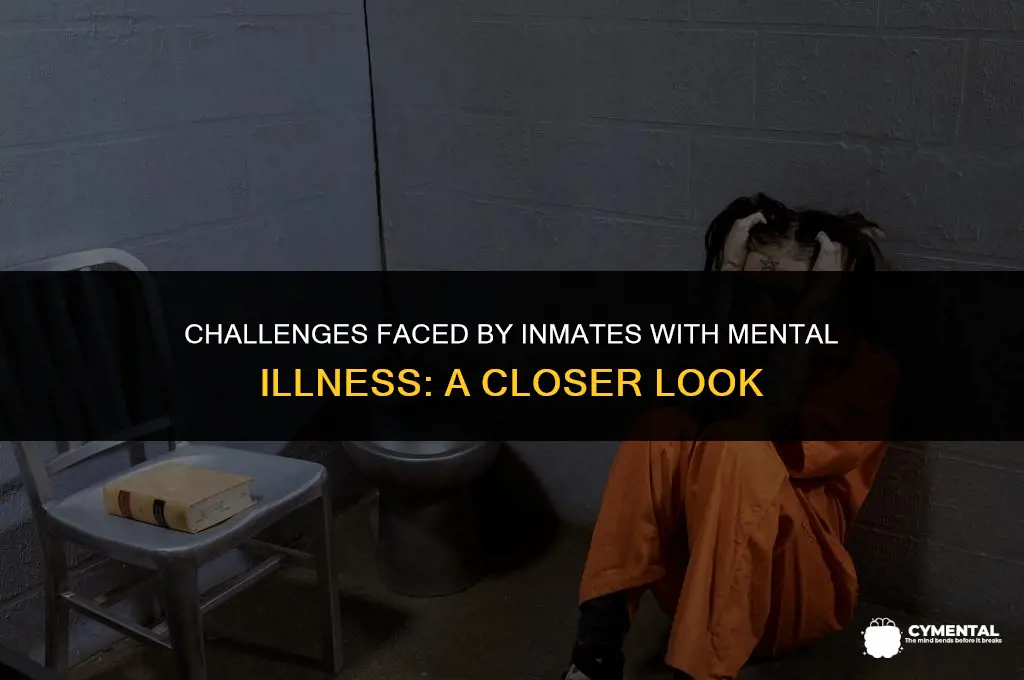
Inmates with mental illness face a myriad of challenges within the correctional system. These individuals often require specialized care and support that may not be readily available in a standard prison environment. Some of the key issues include inadequate access to mental health services, exacerbation of symptoms due to the stress of incarceration, and the potential for mistreatment or misunderstanding by prison staff. Additionally, the lack of appropriate facilities and programs tailored to their needs can lead to further complications, such as increased risk of self-harm or suicide. Addressing these issues is crucial for ensuring the well-being and rehabilitation of mentally ill inmates.
| Characteristics | Values |
|---|---|
| Access to Care | Inmates with mental illness often face significant barriers in accessing adequate mental health care within correctional facilities. Limited availability of mental health professionals, long wait times, and inadequate treatment protocols can exacerbate their conditions. |
| Stigma and Discrimination | Inmates with mental illness may experience stigma and discrimination from both correctional staff and fellow inmates. This can lead to social isolation, reduced opportunities for rehabilitation, and increased risk of victimization. |
| Medication Management | The administration of psychiatric medications in prisons can be inconsistent and poorly monitored. Inmates may not receive the correct dosages or may be abruptly discontinued from their medications, leading to potential adverse effects and destabilization of their mental health. |
| Crisis Intervention | Correctional facilities often lack adequate crisis intervention protocols for inmates experiencing mental health emergencies. This can result in delayed or inappropriate responses to crises, potentially leading to harm or suicide. |
| Rehabilitation Programs | Inmates with mental illness may have limited access to rehabilitation programs that address their specific needs. This can hinder their ability to develop essential life skills and prepare for successful reintegration into society upon release. |
| Solitary Confinement | Inmates with mental illness are disproportionately represented in solitary confinement units. Prolonged isolation can exacerbate mental health symptoms, leading to increased risk of self-harm and suicide. |
| Communication Barriers | Inmates with mental illness may face difficulties in effectively communicating their needs and concerns to correctional staff. This can lead to misunderstandings, conflicts, and inadequate support. |
| Cultural Competency | Correctional facilities may lack culturally competent mental health services, which can be particularly problematic for inmates from diverse backgrounds. This can result in misdiagnosis, inappropriate treatment, and reduced engagement with mental health services. |
| Discharge Planning | Inmates with mental illness often receive inadequate discharge planning and support. This can lead to difficulties in accessing mental health care and other essential services upon release, increasing the risk of recidivism. |
| Mental Health Screening | Correctional facilities may not conduct thorough mental health screenings upon intake, which can result in the misidentification or underestimation of inmates' mental health needs. This can lead to inadequate treatment and support throughout their incarceration. |
Explore related products


What You'll Learn
- Access to Care: Inmates often face barriers in receiving adequate mental health treatment due to limited resources
- Stigma and Isolation: Mental illness can lead to social exclusion and discrimination within the prison population
- Medication Management: Ensuring consistent and proper medication regimens can be challenging in correctional settings
- Crisis Intervention: Prisons may lack specialized staff and protocols to handle mental health crises effectively
- Reentry and Support: Inmates with mental illness may struggle with reintegration into society without proper support systems

Access to Care: Inmates often face barriers in receiving adequate mental health treatment due to limited resources
Inmates with mental illness often encounter significant barriers when it comes to accessing adequate mental health treatment. One of the primary challenges stems from the limited resources available within correctional facilities. Budget constraints and understaffing can lead to a lack of qualified mental health professionals, resulting in insufficient care for those in need. Furthermore, the stigma surrounding mental illness within the prison system can deter inmates from seeking help, fearing ridicule or discrimination from both staff and fellow prisoners.
Another critical issue is the discontinuity of care that inmates experience when they are transferred between facilities or released from incarceration. This lack of continuity can lead to a disruption in treatment plans, medication regimens, and therapeutic progress, exacerbating the mental health challenges faced by inmates. Additionally, the physical environment of prisons, characterized by overcrowding, noise, and lack of privacy, can contribute to heightened stress levels and worsen mental health conditions.
To address these barriers, it is essential to increase funding for mental health services within correctional facilities and to provide training for staff to better recognize and respond to the needs of inmates with mental illness. Implementing policies that ensure continuity of care and creating a more supportive and less stigmatizing environment can also play a crucial role in improving access to mental health treatment for inmates. By taking these steps, we can work towards a more equitable and humane approach to addressing the mental health needs of incarcerated individuals.
Mental Health Diversity: Uncovering Intersectional Challenges and Inclusive Solutions
You may want to see also
Explore related products


Stigma and Isolation: Mental illness can lead to social exclusion and discrimination within the prison population
Within the confines of a prison, inmates with mental illness often face a double sentence: one imposed by the judicial system, and another by the social stigma that accompanies their condition. This stigma can manifest in various forms, including verbal abuse, physical violence, and social exclusion by fellow inmates. Such discrimination is frequently rooted in misconceptions and fears about mental illness, perpetuating a cycle of isolation and marginalization.
The consequences of this stigma are far-reaching. Inmates with mental health issues may be less likely to seek treatment or support, fearing further ostracization or labeling. This reluctance can exacerbate their symptoms, leading to a deterioration in their overall well-being. Moreover, the lack of social support can hinder their ability to cope with the challenges of incarceration, making it more difficult for them to reintegrate into society upon release.
Prison staff also play a role in perpetuating stigma, whether intentionally or unintentionally. For instance, guards may be more likely to view inmates with mental illness as disruptive or dangerous, leading to increased surveillance or punitive measures. This can create a hostile environment that further alienates these inmates from their peers and caregivers.
To address this issue, it is crucial to implement comprehensive mental health programs within prisons that not only provide treatment but also work to reduce stigma. This can be achieved through education and awareness campaigns, peer support groups, and training for prison staff on how to interact with and support inmates with mental health needs. By fostering a more inclusive and supportive environment, we can help to mitigate the harmful effects of stigma and isolation on this vulnerable population.
Singulair and Mental Health: Frequency of Psychological Side Effects
You may want to see also
Explore related products



Medication Management: Ensuring consistent and proper medication regimens can be challenging in correctional settings
Medication management in correctional settings is a complex issue that requires careful attention to detail and a multifaceted approach. One of the primary challenges is ensuring that inmates receive their medications consistently and on time. This can be difficult due to the structured and often rigid schedules within correctional facilities, which may not always align with an inmate's medication regimen. For example, if an inmate is scheduled for a medication dose at a specific time, but is locked down or in transit, they may miss their dose, leading to potential health complications.
Another challenge is the need for accurate record-keeping and communication between healthcare providers and correctional staff. Inmates may see different healthcare providers at different times, and it is crucial that their medication histories and current regimens are well-documented and easily accessible. This can be particularly challenging in facilities with limited electronic health record systems or where records are not shared efficiently between different departments.
Additionally, inmates with mental illness may have difficulty adhering to their medication regimens due to cognitive impairments or lack of insight into their condition. This can lead to non-adherence, which can exacerbate their symptoms and lead to further health issues. Correctional staff and healthcare providers must work together to develop strategies to support inmates in taking their medications as prescribed, such as using pill organizers or providing reminders.
The issue of medication management is further complicated by the fact that inmates may be prescribed multiple medications by different providers, which can increase the risk of drug interactions or adverse effects. It is essential that healthcare providers in correctional settings are aware of all medications an inmate is taking and monitor them closely for any potential issues.
In conclusion, medication management in correctional settings is a critical aspect of inmate healthcare that requires careful planning, accurate record-keeping, and effective communication between healthcare providers and correctional staff. By addressing these challenges, correctional facilities can help ensure that inmates with mental illness receive the consistent and proper medication regimens they need to manage their conditions effectively.
Introversion vs. Mental Health: Debunking Myths and Understanding Differences
You may want to see also
Explore related products


Crisis Intervention: Prisons may lack specialized staff and protocols to handle mental health crises effectively
In the high-stakes environment of a prison, mental health crises can escalate quickly, often requiring immediate and specialized intervention. However, many correctional facilities are ill-equipped to handle such situations effectively. The lack of trained mental health professionals on site can lead to delayed responses, inadequate care, and potentially dangerous outcomes for inmates in crisis.
Prisons often rely on general medical staff or untrained officers to manage mental health emergencies, which can result in the administration of incorrect treatments or the use of inappropriate restraint techniques. This not only compromises the well-being of the inmate but also places additional stress on the already overburdened prison system.
Effective crisis intervention in prisons requires a multifaceted approach, including the presence of dedicated mental health teams, comprehensive training for all staff members, and the implementation of clear protocols for identifying and responding to mental health crises. By prioritizing these measures, correctional facilities can better support inmates with mental illness and reduce the risk of harmful incidents.
One potential solution is the integration of telehealth services, which can provide inmates with access to remote mental health professionals during times of crisis. This approach can help bridge the gap in specialized care and ensure that inmates receive timely and appropriate support.
Ultimately, addressing the issue of crisis intervention in prisons is crucial for promoting the safety and well-being of inmates with mental illness. By investing in the necessary resources and training, correctional facilities can create a more supportive and therapeutic environment for those in their care.
Rising Mental Health Challenges: Analyzing the Surge Since 2000
You may want to see also
Explore related products



Reentry and Support: Inmates with mental illness may struggle with reintegration into society without proper support systems
Individuals with mental illness face significant challenges when reentering society after incarceration. Without proper support systems in place, they may struggle to find stable housing, secure employment, and access necessary mental health services. This can lead to a cycle of recidivism, as individuals may resort to criminal behavior to cope with their untreated mental health issues or to secure basic needs.
One of the primary challenges faced by inmates with mental illness upon reentry is the lack of continuity in mental health care. Incarcerated individuals may receive mental health services while in prison, but these services often cease abruptly upon release. This can lead to a destabilizing effect, as individuals are left without the support they need to manage their mental health conditions. To address this issue, it is essential to establish comprehensive reentry programs that provide continuity of care, including mental health screenings, medication management, and therapy sessions.
Another significant barrier to successful reintegration is the stigma associated with mental illness and criminal history. This stigma can make it difficult for individuals to find employment, secure housing, and rebuild relationships with family and friends. To combat this stigma, it is important to educate the public about the realities of mental illness and the challenges faced by individuals with mental health conditions. This can help to create a more supportive and understanding environment for those reentering society.
In addition to these challenges, inmates with mental illness may also face practical barriers to reintegration, such as lack of access to transportation, childcare, and other essential services. To address these issues, it is important to provide comprehensive support services that help individuals navigate the complexities of reentry. This can include assistance with housing, employment, and transportation, as well as access to mental health and substance abuse treatment services.
Ultimately, successful reintegration for inmates with mental illness requires a multifaceted approach that addresses the unique challenges they face. By providing continuity of care, combating stigma, and offering practical support services, we can help individuals with mental health conditions to successfully reintegrate into society and lead fulfilling lives.
Exploring the Complex Factors That Influence Mental Health Issues
You may want to see also
Frequently asked questions
Inmates often struggle with a range of mental health issues, including depression, anxiety, post-traumatic stress disorder (PTSD), bipolar disorder, and schizophrenia. These conditions can be exacerbated by the stress of incarceration and the lack of adequate mental health care within correctional facilities.
The prison environment can significantly impact the mental health of inmates. Factors such as overcrowding, isolation, lack of privacy, and exposure to violence can contribute to increased stress, anxiety, and depression. Additionally, the rigid structure and limited opportunities for personal growth and rehabilitation can further deteriorate mental well-being.
Inmates with mental illness often face significant challenges in accessing appropriate care. These challenges include long wait times for mental health services, inadequate treatment plans, insufficient medication management, and a lack of trained mental health professionals within correctional facilities. Furthermore, the stigma associated with mental illness can deter inmates from seeking help.
The criminal justice system has implemented various programs and policies to address the needs of inmates with mental illness. These include mental health screening upon intake, the provision of mental health services within correctional facilities, and the development of specialized units for inmates with severe mental illness. However, there is ongoing debate about the effectiveness of these measures and the need for further reform.
Potential solutions to improve mental health care for inmates include increasing funding for mental health services within correctional facilities, providing training for correctional officers on mental health issues, implementing evidence-based treatment programs, and ensuring continuity of care upon release from prison. Additionally, addressing the root causes of mental illness, such as poverty and trauma, can help reduce the number of individuals with mental illness entering the criminal justice system.