Harper Lewis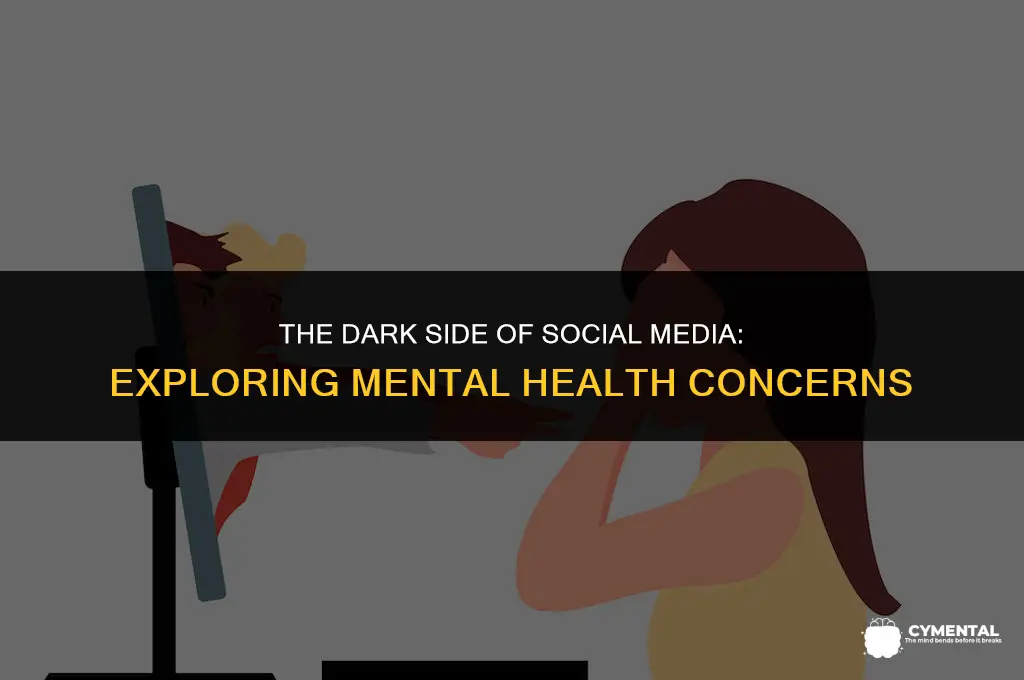
Social media has become an integral part of modern life, but its impact on mental health is a growing concern. The constant stream of information, the pressure to present a perfect online persona, and the potential for cyberbullying can all contribute to a range of mental health issues. Some of the most common problems associated with social media use include anxiety, depression, loneliness, and sleep disturbances. Additionally, social media can exacerbate existing mental health conditions, such as eating disorders and obsessive-compulsive disorder. It is important to be aware of these risks and to take steps to mitigate them, such as limiting social media use, seeking support from friends and family, and practicing self-care.
Explore related products

$16.98 $30


What You'll Learn
- Cyberbullying and Online Harassment: Persistent negative interactions leading to anxiety, depression, and low self-esteem
- Social Comparison and Self-Esteem: Constant exposure to curated lives fosters unrealistic comparisons, impacting self-worth and body image
- Addiction and Overuse: Excessive social media use leading to compulsive behaviors, sleep disturbances, and reduced productivity
- Information Overload and Anxiety: The barrage of information can cause heightened stress, anxiety, and a sense of being overwhelmed
- Isolation and Loneliness: Despite connectivity, social media can exacerbate feelings of loneliness and social isolation

Cyberbullying and Online Harassment: Persistent negative interactions leading to anxiety, depression, and low self-esteem
Cyberbullying and online harassment have become pervasive issues in the digital age, significantly impacting mental health. Persistent negative interactions on social media platforms can lead to a range of psychological problems, including anxiety, depression, and low self-esteem. These issues are particularly concerning among younger populations, who are more likely to experience and be affected by cyberbullying.
One of the primary reasons cyberbullying is so detrimental to mental health is the constant exposure to negative feedback and criticism. Unlike traditional bullying, which may occur in isolated incidents, cyberbullying can be relentless and inescapable. Victims may receive hurtful messages, comments, or posts at any time, leading to a sense of constant vulnerability and stress. This persistent negativity can erode self-esteem and confidence, making individuals feel worthless or unwelcome in online spaces.
Moreover, the anonymity of the internet can exacerbate the problem. Perpetrators of cyberbullying often hide behind fake profiles or pseudonyms, making it difficult for victims to identify their harassers or seek help. This anonymity can also embolden bullies, as they feel they can act without consequences. The lack of face-to-face interaction removes the social cues and empathy that might otherwise inhibit harmful behavior, leading to more severe and prolonged harassment.
The impact of cyberbullying on mental health can be long-lasting. Victims may develop anxiety disorders, characterized by excessive worry and fear. Depression can also result, with individuals experiencing persistent feelings of sadness, hopelessness, and a lack of interest in activities they once enjoyed. In severe cases, cyberbullying can contribute to suicidal ideation and attempts. It is crucial to address these issues and provide support to those affected by cyberbullying to mitigate its harmful effects on mental health.
Approaching with Care: How to Ask About Mental Health Issues
You may want to see also
Explore related products


Social Comparison and Self-Esteem: Constant exposure to curated lives fosters unrealistic comparisons, impacting self-worth and body image
The pervasive nature of social media has introduced a myriad of mental health challenges, with social comparison and self-esteem issues standing out prominently. This is primarily due to the constant exposure to meticulously curated lives that individuals present online, fostering unrealistic comparisons and significantly impacting self-worth and body image.
Research indicates that frequent engagement with social media platforms can lead to a phenomenon known as "social comparison theory," where individuals evaluate their own worth based on the achievements and attributes of others. This is particularly problematic given that the lives portrayed on social media are often idealized and do not reflect the full spectrum of human experience. As a result, individuals may feel inadequate and develop a diminished sense of self-esteem.
The impact on body image is equally concerning. The proliferation of beauty standards and the pressure to conform to certain physical ideals can lead to body dissatisfaction and disorders such as anorexia nervosa and bulimia nervosa. Studies have shown that exposure to images of models and celebrities on social media can trigger negative body image perceptions, especially among young women and adolescents.
Moreover, the constant bombardment of information and the fear of missing out (FOMO) can exacerbate feelings of anxiety and depression. Individuals may feel compelled to present a perfect online persona, leading to a sense of inauthenticity and emotional exhaustion. This can further erode self-esteem and contribute to a negative self-image.
To mitigate these effects, it is essential to promote media literacy and critical thinking skills. Encouraging individuals to question the authenticity of online personas and to recognize the potential for manipulation can help reduce the negative impact of social comparison. Additionally, fostering open conversations about mental health and body image issues can help alleviate the stigma associated with these topics and encourage individuals to seek support when needed.
In conclusion, the relationship between social media, social comparison, and self-esteem is complex and multifaceted. By understanding the underlying mechanisms and promoting healthy online behaviors, we can work towards creating a more supportive and inclusive digital environment that prioritizes mental well-being.
Puberty vs. Mental Health: Understanding the Overlapping Symptoms and Struggles
You may want to see also
Explore related products

$16.84 $37.95


$2.99 $9.95


Addiction and Overuse: Excessive social media use leading to compulsive behaviors, sleep disturbances, and reduced productivity
Excessive social media use has been linked to a range of mental health issues, including addiction and overuse. This can manifest in compulsive behaviors, where individuals feel an overwhelming urge to constantly check their social media accounts, often at the expense of other important activities. This compulsive behavior can lead to a cycle of reinforcement, where the individual feels a temporary sense of relief or pleasure from engaging with social media, but ultimately experiences negative consequences such as sleep disturbances and reduced productivity.
Sleep disturbances are a common issue associated with excessive social media use. The blue light emitted by screens can interfere with the body's natural sleep-wake cycle, making it difficult to fall asleep and stay asleep. Additionally, the constant stimulation and engagement with social media can make it challenging for individuals to "wind down" and relax before bed. This can lead to insomnia, daytime fatigue, and other sleep-related problems.
Reduced productivity is another significant consequence of excessive social media use. The constant distractions and interruptions from social media notifications can make it difficult to focus on tasks and maintain concentration. This can lead to procrastination, missed deadlines, and decreased overall productivity. Furthermore, the time spent on social media could be better spent on more productive activities, such as work, study, or exercise.
To address these issues, it is important to establish healthy boundaries and habits around social media use. This may include setting specific times for social media use, limiting the amount of time spent on social media each day, and engaging in other activities that promote relaxation and productivity. Additionally, seeking support from mental health professionals can be helpful in addressing underlying issues that may be contributing to excessive social media use.
In conclusion, excessive social media use can have significant negative impacts on mental health, including addiction, compulsive behaviors, sleep disturbances, and reduced productivity. By establishing healthy boundaries and seeking support when needed, individuals can mitigate these risks and promote overall well-being.
Healing Your Mind: A Guide to Overcoming Mental Health Challenges
You may want to see also
Explore related products


Information Overload and Anxiety: The barrage of information can cause heightened stress, anxiety, and a sense of being overwhelmed
The constant influx of information through social media platforms can lead to a state of information overload, where individuals feel bombarded by an excessive amount of data. This overload can manifest in various ways, such as difficulty concentrating, increased stress levels, and a pervasive sense of anxiety. The fear of missing out (FOMO) on important updates or events can also contribute to this anxiety, as individuals feel pressured to stay constantly connected and informed.
One of the primary reasons for this information overload is the sheer volume of content available on social media. With millions of posts, tweets, and updates being generated every minute, it can be challenging for users to filter out what is truly important or relevant to them. This can lead to a sense of being overwhelmed, as individuals struggle to keep up with the never-ending stream of information.
Furthermore, the curated nature of social media content can exacerbate feelings of anxiety and inadequacy. Users are often presented with a highlight reel of others' lives, showcasing their achievements, successes, and seemingly perfect moments. This can create unrealistic expectations and promote a sense of comparison, leading individuals to feel anxious about their own lives and accomplishments.
To mitigate the effects of information overload and anxiety, it is essential for individuals to develop healthy social media habits. This may include setting boundaries for screen time, limiting the number of platforms used, and curating one's social media feed to include only relevant and positive content. Additionally, practicing mindfulness and engaging in stress-reducing activities can help individuals better manage the anxiety caused by the barrage of information.
In conclusion, the information overload caused by social media can have significant impacts on mental health, leading to increased stress, anxiety, and a sense of being overwhelmed. By developing healthy social media habits and practicing self-care, individuals can better navigate the digital landscape and protect their mental well-being.
Exploring the Spectrum: Understanding Non-Mental Health Challenges
You may want to see also
Explore related products


Isolation and Loneliness: Despite connectivity, social media can exacerbate feelings of loneliness and social isolation
Social media platforms are designed to connect people, yet paradoxically, they can intensify feelings of loneliness and social isolation. This phenomenon is particularly evident among younger demographics, who, despite being digitally connected, often report higher levels of social disconnection. The constant stream of curated content can create unrealistic expectations and foster a sense of inadequacy, leading users to withdraw from real-world interactions.
Research indicates that excessive social media use can disrupt the quality of social relationships. Users may find themselves comparing their lives to the seemingly perfect lives of others online, leading to feelings of inferiority and loneliness. Furthermore, the reliance on virtual communication can diminish the depth and richness of face-to-face interactions, which are crucial for emotional well-being.
The algorithms that drive social media platforms can also contribute to this issue. By prioritizing content that elicits strong emotional responses, these algorithms can inadvertently promote divisive and polarizing material, further isolating users within their own echo chambers. This can lead to a decrease in meaningful social connections and an increase in feelings of loneliness.
To mitigate these effects, it is essential to strike a balance between digital and real-world interactions. Setting boundaries on social media use, engaging in offline activities, and fostering genuine connections with others can help alleviate feelings of loneliness and isolation. Additionally, social media platforms can play a role by implementing features that encourage more authentic and meaningful interactions among users.
In conclusion, while social media has the potential to connect people across the globe, it is crucial to be aware of its potential to exacerbate feelings of loneliness and social isolation. By understanding the underlying causes and taking proactive steps, individuals can harness the benefits of social media while minimizing its negative impact on mental health.
Understanding Bisexuality: Debunking Myths About Mental Health and Identity
You may want to see also
Frequently asked questions
Excessive social media use has been linked to several mental health issues, including anxiety, depression, loneliness, and sleep disturbances. The constant comparison to others' curated lives can lead to feelings of inadequacy and low self-esteem.
Social media can negatively impact self-esteem and body image by bombarding users with unrealistic beauty standards and promoting a culture of comparison. This can lead to body dissatisfaction, eating disorders, and a distorted sense of self-worth.
To mitigate the negative effects of social media on mental health, individuals can set boundaries on their usage, engage in offline activities, practice self-compassion, and curate their social media feeds to include positive and uplifting content. Seeking professional help is also advisable if social media use is significantly impacting one's mental well-being.