Caleb Wright
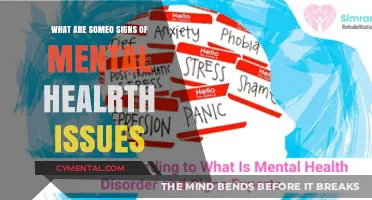
Mental health issues encompass a wide range of conditions that affect an individual's emotional, psychological, and social well-being. These issues can manifest in various ways, impacting a person's thoughts, feelings, and behaviors. Common mental health conditions include anxiety disorders, depression, bipolar disorder, schizophrenia, and post-traumatic stress disorder (PTSD). Each condition has its own set of symptoms and challenges, and they can often overlap or co-occur. Understanding mental health issues is crucial for promoting awareness, reducing stigma, and ensuring that those affected receive appropriate support and treatment.
Explore related products


$32.99 $32.99

$9.99


What You'll Learn
- Anxiety Disorders: Excessive worry, fear, and anxiety that interfere with daily life and relationships
- Depressive Disorders: Persistent feelings of sadness, hopelessness, and loss of interest in activities
- Bipolar Disorder: Episodes of mania and depression that affect mood, energy, and behavior
- Schizophrenia: A chronic brain disorder characterized by hallucinations, delusions, and disorganized thinking
- Eating Disorders: Abnormal eating habits that can lead to serious health problems, such as anorexia and bulimia

Anxiety Disorders: Excessive worry, fear, and anxiety that interfere with daily life and relationships
Anxiety disorders manifest as persistent and overwhelming feelings of worry, fear, and apprehension that significantly disrupt an individual's daily functioning and interpersonal relationships. These disorders can take various forms, including generalized anxiety disorder (GAD), panic disorder, social anxiety disorder, and specific phobias. Each type of anxiety disorder presents unique challenges, but all share the common thread of excessive and uncontrollable anxiety that interferes with normal life activities.
One of the key characteristics of anxiety disorders is the disproportionate and often irrational nature of the fears and worries experienced by individuals. For example, someone with a specific phobia may experience intense fear in response to a harmless object or situation, such as spiders or flying. Similarly, individuals with GAD may find themselves constantly preoccupied with worst-case scenarios, even when there is no apparent reason for concern. These exaggerated fears and worries can lead to avoidance behaviors, where individuals may go to great lengths to steer clear of situations or objects that trigger their anxiety.
The impact of anxiety disorders on daily life can be profound. Individuals may struggle with basic tasks such as leaving the house, interacting with others, or maintaining employment. Relationships can also suffer, as friends and family members may become frustrated or confused by the individual's seemingly irrational fears and behaviors. Furthermore, anxiety disorders can have physical manifestations, such as headaches, stomachaches, and sleep disturbances, which can further exacerbate the individual's overall well-being.
Effective treatment for anxiety disorders often involves a combination of psychotherapy and medication. Cognitive-behavioral therapy (CBT) is a commonly used therapeutic approach that helps individuals identify and challenge their negative thought patterns and behaviors. Medications such as selective serotonin reuptake inhibitors (SSRIs) and benzodiazepines can also be helpful in managing symptoms of anxiety. In addition to these treatments, lifestyle changes such as regular exercise, mindfulness practices, and stress management techniques can play a crucial role in alleviating anxiety and improving overall mental health.
It is essential for individuals experiencing symptoms of anxiety disorders to seek professional help, as early intervention can significantly improve outcomes. With the right treatment and support, individuals can learn to manage their anxiety and lead fulfilling, productive lives.
Trust Issues: Mental Illness or Normal Response to Life's Challenges?
You may want to see also
Explore related products


Depressive Disorders: Persistent feelings of sadness, hopelessness, and loss of interest in activities
Depressive disorders are characterized by persistent feelings of sadness, hopelessness, and a significant loss of interest in activities that were once enjoyable. This condition affects millions of people worldwide and can have a profound impact on an individual's quality of life, relationships, and overall well-being. Unlike normal fluctuations in mood, depressive disorders are chronic and can last for months or even years if left untreated.
One of the most common types of depressive disorders is major depressive disorder (MDD), also known as clinical depression. MDD is diagnosed when a person experiences at least five symptoms of depression, such as feelings of worthlessness, changes in appetite and sleep patterns, difficulty concentrating, and recurrent thoughts of death or suicide, for at least two weeks. Other forms of depressive disorders include persistent depressive disorder (PDD), which is a milder but longer-lasting form of depression, and seasonal affective disorder (SAD), which is characterized by depressive symptoms that occur during specific times of the year, typically in the winter months.
The exact cause of depressive disorders is not fully understood, but it is believed to be a complex interplay of genetic, environmental, and psychological factors. Brain chemistry, particularly the levels of neurotransmitters like serotonin and norepinephrine, is thought to play a significant role in regulating mood. Life events such as trauma, loss of a loved one, or significant changes in one's life can also trigger depressive episodes. Additionally, certain medical conditions, medications, and substance abuse can contribute to the development of depressive disorders.
Treatment for depressive disorders typically involves a combination of medication and psychotherapy. Antidepressant medications, such as selective serotonin reuptake inhibitors (SSRIs) and tricyclic antidepressants (TCAs), can help to regulate brain chemistry and alleviate symptoms. Psychotherapy, particularly cognitive-behavioral therapy (CBT), can help individuals identify and change negative thought patterns and behaviors that contribute to their depression. In some cases, lifestyle changes such as regular exercise, a healthy diet, and stress management techniques can also be beneficial in managing symptoms of depression.
It is important to note that depressive disorders are treatable conditions, and with the right support and treatment, individuals can recover and lead fulfilling lives. However, it is crucial to seek professional help if you or someone you know is experiencing symptoms of depression, as untreated depression can have serious consequences, including an increased risk of suicide.
Mental Health Diversity: Uncovering Intersectional Challenges and Inclusive Solutions
You may want to see also
Explore related products

$35.39 $54.99


Bipolar Disorder: Episodes of mania and depression that affect mood, energy, and behavior
Bipolar disorder is a mental health condition characterized by extreme mood swings that include emotional highs (mania or hypomania) and lows (depression). These episodes can affect a person's mood, energy levels, and behavior, making it challenging to maintain daily functioning and relationships. Unlike typical mood fluctuations, the mood swings associated with bipolar disorder are intense, persistent, and can last for days or even weeks.
During a manic episode, individuals may experience an elevated or irritable mood, increased energy, racing thoughts, decreased need for sleep, and impulsive behaviors such as excessive spending or risky sexual encounters. In contrast, depressive episodes are marked by a persistently sad or empty mood, loss of interest in activities, fatigue, changes in appetite and sleep patterns, and in severe cases, thoughts of suicide.
The exact cause of bipolar disorder is not fully understood, but it is believed to involve a combination of genetic, environmental, and neurochemical factors. Research suggests that imbalances in neurotransmitters like serotonin, dopamine, and norepinephrine play a significant role in the development of the disorder. Additionally, stressful life events, substance abuse, and certain medications can trigger or exacerbate symptoms.
Diagnosing bipolar disorder typically involves a thorough evaluation by a mental health professional, who will assess the individual's symptoms, medical history, and family history. Treatment usually consists of a combination of mood-stabilizing medications, such as lithium or valproate, and psychotherapy. Cognitive-behavioral therapy (CBT) and interpersonal therapy (IPT) are commonly used to help individuals manage their symptoms and improve their coping skills.
Living with bipolar disorder can be challenging, but with proper treatment and support, individuals can lead fulfilling lives. It is essential for those affected to maintain a consistent treatment regimen, monitor their symptoms, and communicate openly with their healthcare providers. Support groups and educational resources can also be valuable in helping individuals and their families understand and manage the condition.
In conclusion, bipolar disorder is a complex mental health condition that requires a comprehensive approach to treatment and management. By understanding the symptoms, causes, and treatment options, individuals can take proactive steps to improve their quality of life and achieve stability.
Navigating Mental Health Disclosure on College Applications: A Guide
You may want to see also
Explore related products


Schizophrenia: A chronic brain disorder characterized by hallucinations, delusions, and disorganized thinking
Schizophrenia is a complex and chronic brain disorder that affects how a person thinks, feels, and behaves. It is characterized by a range of symptoms, including hallucinations, delusions, and disorganized thinking. Hallucinations can take many forms, such as hearing voices or seeing things that are not there. Delusions are false beliefs that are not based in reality, such as thinking that one is being watched or followed. Disorganized thinking can manifest in chaotic speech and difficulty concentrating or making decisions.
The exact cause of schizophrenia is not fully understood, but it is believed to involve a combination of genetic, environmental, and chemical factors. It typically begins in late adolescence or early adulthood and can be a lifelong condition. People with schizophrenia may experience periods of remission, where symptoms are less severe, and periods of exacerbation, where symptoms worsen.
Treatment for schizophrenia usually involves a combination of medication and psychotherapy. Antipsychotic medications can help to reduce symptoms such as hallucinations and delusions, while psychotherapy can help individuals to cope with the emotional and social challenges of the disorder. It is important for individuals with schizophrenia to work closely with their healthcare providers to develop a treatment plan that is tailored to their specific needs.
Living with schizophrenia can be challenging, both for the individual and their loved ones. It can impact daily functioning, relationships, and overall quality of life. However, with proper treatment and support, many people with schizophrenia are able to lead fulfilling and productive lives. It is important to reduce stigma and increase awareness about schizophrenia, as this can help to improve outcomes and support for those affected by the disorder.
In conclusion, schizophrenia is a serious and complex mental health condition that requires ongoing treatment and support. By increasing our understanding and awareness of the disorder, we can help to improve the lives of those affected and work towards more effective treatments and interventions.
Mental Health as a Social Issue: A Sociological Perspective
You may want to see also
Explore related products


$16.99 $8.99

$38.21 $51.99


Eating Disorders: Abnormal eating habits that can lead to serious health problems, such as anorexia and bulimia
Eating disorders are a group of mental health conditions characterized by abnormal eating habits that can lead to serious physical and emotional health problems. Anorexia nervosa and bulimia nervosa are two of the most common types of eating disorders. Anorexia nervosa is a condition in which individuals restrict their food intake to the point of significant weight loss, while bulimia nervosa involves cycles of binge eating followed by purging behaviors such as vomiting or laxative use.
These disorders often develop during adolescence or early adulthood, but they can occur at any age. They are more common in females than in males, but they can affect anyone regardless of gender. Eating disorders are complex conditions that are influenced by a combination of genetic, environmental, and psychological factors. They are not simply a matter of willpower or a desire to be thin, but rather they are serious mental health conditions that require professional treatment.
The physical health consequences of eating disorders can be severe and include malnutrition, dehydration, electrolyte imbalances, and heart problems. In addition to the physical health risks, eating disorders can also lead to emotional and psychological distress, including depression, anxiety, and low self-esteem. Individuals with eating disorders may also experience social isolation and difficulties in relationships due to their preoccupation with food and body image.
Treatment for eating disorders typically involves a combination of psychotherapy, nutrition counseling, and medical care. Cognitive-behavioral therapy (CBT) is a common form of psychotherapy used to treat eating disorders, as it helps individuals identify and change negative thought patterns and behaviors related to food and body image. Nutrition counseling is also an important component of treatment, as it helps individuals develop healthy eating habits and a balanced diet. In some cases, medication may be prescribed to help manage symptoms of depression or anxiety that often accompany eating disorders.
Early intervention and treatment are crucial for individuals with eating disorders, as they can help prevent the development of more severe health problems and improve the chances of recovery. If you or someone you know is struggling with an eating disorder, it is important to seek professional help as soon as possible. With the right treatment and support, individuals with eating disorders can learn to manage their symptoms and develop a healthier relationship with food and their bodies.
Taking the First Step: A Guide to Mental Health Screening
You may want to see also
Frequently asked questions
Common mental health issues include anxiety disorders, depression, bipolar disorder, schizophrenia, and obsessive-compulsive disorder (OCD).
Signs that someone may be struggling with a mental health issue include changes in mood, behavior, or appetite, withdrawal from social activities, difficulty concentrating, and expressing thoughts of self-harm or suicide.
Yes, mental health issues can be treated with a combination of therapy, medication, and lifestyle changes. Treatment plans are typically tailored to the individual's specific needs and symptoms.
Seeking help for mental health issues is important because it can lead to improved quality of life, better relationships, and increased productivity. Early intervention can also prevent symptoms from worsening and reduce the risk of developing additional mental health issues.
You can support someone who is struggling with a mental health issue by listening without judgment, offering encouragement and reassurance, helping them to access professional help, and being patient and understanding. It's also important to take care of your own mental health while supporting someone else.