Ava Ramirez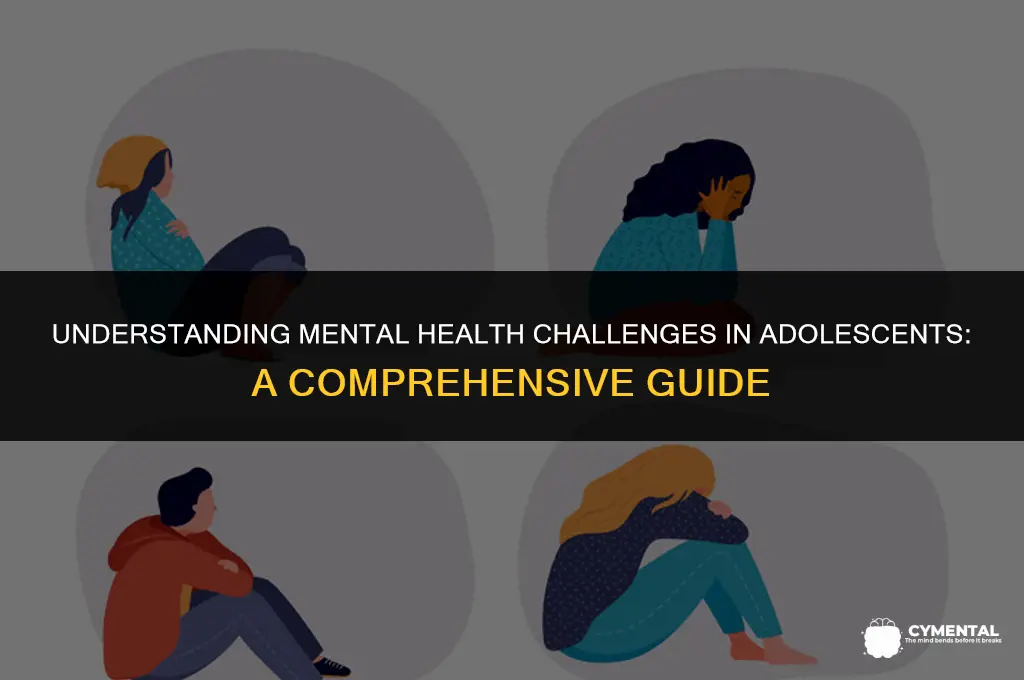
Adolescence is a critical period of development marked by significant physical, emotional, and social changes. During this stage, many young people experience mental health issues that can impact their well-being and long-term outcomes. Some common mental health concerns seen in adolescents include anxiety disorders, depression, attention deficit hyperactivity disorder (ADHD), and eating disorders. These conditions can manifest in various ways, such as persistent feelings of sadness or worry, changes in appetite or sleep patterns, difficulty concentrating, and avoidance of social situations. It is essential to recognize and address these issues early on to support adolescents in managing their symptoms and developing healthy coping strategies.
Explore related products


What You'll Learn
- Anxiety Disorders: Excessive worry, fear, and avoidance behaviors impacting daily life and relationships
- Depressive Disorders: Persistent feelings of sadness, hopelessness, and loss of interest in activities
- Eating Disorders: Unhealthy eating habits, distorted body image, and potential medical complications
- Attention Deficit Hyperactivity Disorder (ADHD): Difficulty focusing, impulsivity, and hyperactivity affecting academic and social functioning
- Substance Abuse: Experimentation and misuse of drugs and alcohol, leading to potential addiction and health risks

Anxiety Disorders: Excessive worry, fear, and avoidance behaviors impacting daily life and relationships
Anxiety disorders are a prevalent mental health issue among adolescents, characterized by excessive worry, fear, and avoidance behaviors that significantly impact daily life and relationships. These disorders can manifest in various forms, including generalized anxiety disorder, social anxiety disorder, panic disorder, and phobias. Adolescents with anxiety disorders may experience persistent feelings of unease, dread, or apprehension, which can interfere with their ability to function in school, social settings, and at home.
One unique aspect of anxiety disorders in adolescents is the potential for these conditions to be exacerbated by the pressures of modern life, such as academic stress, social media, and peer relationships. For example, a teenager with social anxiety disorder may avoid participating in extracurricular activities or making new friends due to fear of judgment or rejection. This avoidance can lead to increased feelings of loneliness and isolation, further perpetuating the cycle of anxiety.
It is essential to recognize the signs and symptoms of anxiety disorders in adolescents, as early intervention can significantly improve outcomes. Parents, educators, and healthcare professionals should be vigilant for indicators such as excessive worry, avoidance behaviors, physical symptoms like headaches or stomachaches, and changes in sleep or appetite. Treatment for anxiety disorders typically involves a combination of cognitive-behavioral therapy, medication, and lifestyle modifications.
Cognitive-behavioral therapy (CBT) is a particularly effective approach for adolescents with anxiety disorders, as it helps them identify and challenge negative thought patterns and develop coping strategies. For instance, a teenager with generalized anxiety disorder may learn to reframe catastrophic thoughts about school performance and develop relaxation techniques to manage stress. Medications such as selective serotonin reuptake inhibitors (SSRIs) may also be prescribed to help alleviate symptoms, although they should be used in conjunction with therapy and under close medical supervision.
In addition to professional treatment, there are several practical tips that adolescents and their families can implement to help manage anxiety. These include maintaining a regular sleep schedule, engaging in physical activity, practicing mindfulness and meditation, and limiting caffeine and sugar intake. By adopting these strategies, adolescents can better regulate their emotions and reduce the impact of anxiety on their daily lives.
Ultimately, addressing anxiety disorders in adolescents requires a multifaceted approach that involves education, early intervention, and ongoing support. By fostering a greater understanding of these conditions and providing access to effective treatment, we can help young people overcome the challenges of anxiety and lead fulfilling, healthy lives.
Recognizing Mental Health Struggles: Signs and Symptoms to Watch For
You may want to see also
Explore related products


Depressive Disorders: Persistent feelings of sadness, hopelessness, and loss of interest in activities
Adolescents experiencing depressive disorders often exhibit persistent feelings of sadness, hopelessness, and a marked loss of interest in activities they once enjoyed. This can manifest in various ways, such as a decline in academic performance, withdrawal from social interactions, and changes in appetite or sleep patterns. It's crucial to recognize these signs early, as untreated depression can lead to severe consequences, including suicidal ideation.
One unique aspect of depressive disorders in adolescents is the potential impact of social media. While social media can provide a platform for connection and support, it can also contribute to feelings of inadequacy and isolation. Adolescents may compare their lives to the curated images and experiences shared online, leading to a distorted sense of reality and increased feelings of depression.
Another critical factor to consider is the role of family dynamics. Adolescents with a family history of depression may be more susceptible to developing the disorder themselves. Additionally, conflicts within the family or a lack of parental support can exacerbate depressive symptoms. It's essential for parents and caregivers to be aware of these risks and to provide a nurturing and supportive environment for their children.
In terms of treatment, a combination of therapy and medication may be necessary. Cognitive-behavioral therapy (CBT) is a common and effective approach, helping adolescents to identify and challenge negative thought patterns. Medications such as selective serotonin reuptake inhibitors (SSRIs) may also be prescribed, but it's important to carefully monitor their use in adolescents due to potential side effects.
Finally, it's crucial to address the stigma surrounding mental health issues. Adolescents may be reluctant to seek help due to fear of being judged or labeled. Creating an open and supportive dialogue about mental health can encourage adolescents to seek the help they need and deserve.
Exploring the Intersection of Diversity and Mental Health Challenges
You may want to see also
Explore related products


$76.06 $100.95

$14.78 $15.99


Eating Disorders: Unhealthy eating habits, distorted body image, and potential medical complications
Eating disorders are a significant mental health concern among adolescents, characterized by unhealthy eating habits, distorted body image, and potential medical complications. These disorders often emerge during the teenage years, a period marked by rapid physical growth and significant social and emotional changes. The most common eating disorders seen in adolescents include anorexia nervosa, bulimia nervosa, and binge eating disorder.
Anorexia nervosa is marked by a severe restriction of food intake, leading to a significantly low body weight. Adolescents with anorexia may experience a distorted body image, perceiving themselves as overweight even when they are underweight. This disorder can lead to serious medical complications, including osteoporosis, anemia, and heart problems. Bulimia nervosa, on the other hand, involves cycles of binge eating followed by purging behaviors such as vomiting or laxative use. This can result in electrolyte imbalances, gastrointestinal issues, and dental problems. Binge eating disorder is characterized by recurrent episodes of consuming large quantities of food in a short period, often leading to obesity and related health issues such as diabetes and cardiovascular disease.
The development of eating disorders in adolescents can be influenced by a variety of factors, including genetic predisposition, environmental stressors, and societal pressures related to body image. Social media, peer influence, and family dynamics can also play a role in the onset of these disorders. Early intervention and treatment are crucial in addressing eating disorders, as they can significantly improve outcomes and reduce the risk of long-term health complications. Treatment approaches often involve a combination of psychotherapy, nutritional counseling, and medical monitoring.
In conclusion, eating disorders are a complex and serious mental health issue affecting adolescents. Understanding the signs, symptoms, and underlying causes of these disorders is essential for early identification and effective treatment. By promoting healthy eating habits, fostering a positive body image, and providing support and resources for affected individuals, we can help mitigate the impact of eating disorders on the lives of adolescents.
Unraveling the Complex Relationship Between Suicide and Mental Health
You may want to see also
Explore related products


Attention Deficit Hyperactivity Disorder (ADHD): Difficulty focusing, impulsivity, and hyperactivity affecting academic and social functioning
Attention Deficit Hyperactivity Disorder (ADHD) is a neurodevelopmental disorder characterized by symptoms of inattention, hyperactivity, and impulsivity. These symptoms can significantly impact an adolescent's academic and social functioning. For instance, difficulty focusing can lead to poor performance in school, while impulsivity may result in risky behaviors and strained relationships with peers.
One unique aspect of ADHD in adolescents is the increased risk of developing comorbid conditions such as anxiety, depression, and substance abuse disorders. This is partly due to the challenges adolescents with ADHD face in managing their symptoms, which can lead to feelings of frustration and low self-esteem. Furthermore, the transition from childhood to adolescence brings about new demands and responsibilities, which can exacerbate the symptoms of ADHD and make it more difficult for affected individuals to cope.
Diagnosing ADHD in adolescents can be challenging, as the symptoms may be mistaken for typical teenage behavior. However, a comprehensive evaluation by a mental health professional can help identify the disorder and guide appropriate treatment. Treatment options for ADHD in adolescents typically include a combination of medication, such as stimulants or non-stimulants, and behavioral therapy, such as cognitive-behavioral therapy (CBT) or family therapy. These interventions aim to improve symptom management, enhance academic and social functioning, and reduce the risk of comorbid conditions.
In addition to professional treatment, there are several strategies that adolescents with ADHD and their families can employ to manage symptoms and improve daily functioning. These include creating structured routines, breaking tasks into smaller steps, using visual aids and reminders, and encouraging regular physical activity. By working together with mental health professionals and implementing these strategies, adolescents with ADHD can learn to manage their symptoms and thrive in their academic and social lives.
Supporting Friends with Mental Health: Compassionate Strategies for Effective Care
You may want to see also
Explore related products




Substance Abuse: Experimentation and misuse of drugs and alcohol, leading to potential addiction and health risks
Substance abuse, particularly among adolescents, is a critical mental health issue that encompasses the experimentation and misuse of drugs and alcohol. This behavior can lead to potential addiction and severe health risks. According to recent studies, the adolescent brain is still developing, making it more susceptible to the harmful effects of substances. This section will delve into the unique challenges faced by adolescents in relation to substance abuse, exploring the underlying causes, the impact on mental health, and the available interventions.
One of the primary reasons adolescents engage in substance abuse is peer pressure. The desire to fit in and conform to social norms can lead to experimentation with drugs and alcohol. Additionally, adolescents may use substances as a coping mechanism for stress, anxiety, or other emotional issues. It is essential to recognize that substance abuse can exacerbate these underlying mental health conditions, creating a vicious cycle that is difficult to break.
The impact of substance abuse on adolescent mental health is multifaceted. It can lead to changes in brain chemistry, affecting mood, behavior, and cognitive function. Long-term use can result in addiction, which is characterized by compulsive drug seeking and use despite harmful consequences. Furthermore, substance abuse can increase the risk of developing other mental health disorders, such as depression and anxiety.
Interventions for adolescent substance abuse often involve a combination of education, counseling, and support groups. Early intervention is crucial, as it can prevent the development of addiction and mitigate the long-term effects on mental health. Parents, educators, and healthcare professionals play a vital role in identifying and addressing substance abuse issues in adolescents. By providing a supportive environment and access to appropriate resources, adolescents can overcome substance abuse and improve their overall mental health.
In conclusion, substance abuse is a significant mental health issue among adolescents, with far-reaching consequences. Understanding the underlying causes, the impact on mental health, and the available interventions is essential for addressing this problem effectively. By working together, we can help adolescents navigate the challenges of substance abuse and promote their well-being.
COVID-19's Impact: Rising Mental Health Challenges Post-Pandemic
You may want to see also
Frequently asked questions
Common mental health issues in adolescents include anxiety disorders, depression, attention deficit hyperactivity disorder (ADHD), and eating disorders. These conditions can significantly impact a teenager's daily life, academic performance, and social interactions.
Parents and educators can recognize the signs of mental health issues in adolescents by observing changes in behavior, mood, and physical health. Some red flags include persistent sadness or irritability, withdrawal from social activities, changes in appetite or sleep patterns, and unexplained physical symptoms like headaches or stomachaches.
Effective strategies for supporting adolescents with mental health issues include providing a supportive and non-judgmental environment, encouraging open communication, helping them develop healthy coping mechanisms, and seeking professional help from mental health providers when needed. Additionally, promoting a balanced lifestyle with regular exercise, healthy eating, and sufficient sleep can also contribute to better mental health outcomes.