Harper Lewis
Mental health issues encompass a wide range of conditions that affect an individual's emotional, psychological, and social well-being. These issues can manifest in various ways, including anxiety disorders, depressive disorders, bipolar disorder, schizophrenia, and personality disorders, among others. The effects of mental health issues can be profound and far-reaching, impacting not only the individual but also their relationships, work, and overall quality of life. Symptoms may include persistent feelings of sadness, anxiety, or irritability, changes in appetite and sleep patterns, difficulty concentrating, and withdrawal from social activities. In severe cases, mental health issues can lead to suicidal thoughts and behaviors. It is crucial to recognize the signs and seek professional help, as early intervention can significantly improve outcomes and help individuals manage their conditions effectively.
Explore related products


What You'll Learn
- Physical Health: Mental health issues can lead to chronic physical conditions like heart disease and diabetes
- Social Relationships: Strained relationships with family and friends due to symptoms of mental health disorders
- Work and Education: Reduced productivity, absenteeism, and difficulties in maintaining employment or academic performance
- Daily Functioning: Challenges in performing daily tasks and routines, impacting overall quality of life
- Self-Esteem and Confidence: Negative self-perception and reduced confidence due to mental health symptoms

Physical Health: Mental health issues can lead to chronic physical conditions like heart disease and diabetes
Chronic stress, often a byproduct of mental health issues, can have a profound impact on physical health. Prolonged exposure to stress hormones like cortisol can lead to a range of physical ailments, including hypertension, heart disease, and diabetes. These conditions are not only serious but can also be life-threatening if left unmanaged.
One of the ways mental health issues can lead to chronic physical conditions is through behavioral changes. For instance, individuals experiencing depression or anxiety may turn to unhealthy coping mechanisms such as overeating, smoking, or substance abuse. Over time, these behaviors can contribute to the development of chronic diseases.
Moreover, mental health issues can disrupt sleep patterns, leading to chronic sleep deprivation. This, in turn, can affect the body's ability to regulate blood sugar levels, increasing the risk of developing diabetes. Similarly, chronic sleep deprivation can contribute to cardiovascular problems by raising blood pressure and increasing the risk of heart disease.
It's also important to note that mental health issues can impact physical health through physiological changes. For example, chronic stress can lead to inflammation in the body, which is a known risk factor for many chronic diseases, including heart disease and diabetes. Additionally, mental health issues can affect the immune system, making individuals more susceptible to infections and illnesses.
In conclusion, the link between mental health issues and chronic physical conditions is complex and multifaceted. It involves a combination of behavioral changes, physiological responses, and disruptions to sleep patterns. Recognizing and addressing these connections is crucial for maintaining overall health and well-being.
Reporting Mental Health Concerns and Gun Ownership: A Critical Guide
You may want to see also
Explore related products


Social Relationships: Strained relationships with family and friends due to symptoms of mental health disorders
Mental health disorders can significantly impact an individual's social relationships, often leading to strained interactions with family and friends. This can manifest in various ways, such as increased conflict, emotional distance, and a breakdown in communication. For instance, a person experiencing depression may withdraw from social activities, leading to feelings of isolation and misunderstanding among their loved ones. Similarly, someone with anxiety might exhibit behaviors that are perceived as irrational or overly demanding, causing tension in relationships.
The effects of these strained relationships can be far-reaching, affecting not only the individual's mental health but also their overall well-being. Social support is a crucial factor in maintaining mental health, and when relationships become strained, this support system can be compromised. This can exacerbate symptoms of mental health disorders, creating a vicious cycle where the individual's condition worsens, further straining relationships.
It is essential for both the individual experiencing mental health issues and their loved ones to understand the impact of these disorders on social relationships. Education and awareness can help reduce stigma and promote empathy, fostering a more supportive environment. Additionally, seeking professional help, such as therapy or counseling, can provide individuals with the tools they need to manage their symptoms and improve their relationships.
In some cases, it may be necessary for individuals to set boundaries with family and friends to protect their mental health. This can involve limiting contact with those who trigger negative emotions or seeking support from other sources, such as support groups or online communities. It is also important for loved ones to respect these boundaries and offer support without judgment or criticism.
Ultimately, addressing the impact of mental health disorders on social relationships requires a multifaceted approach that involves education, support, and professional intervention. By working together, individuals and their loved ones can navigate the challenges posed by mental health issues and foster healthier, more supportive relationships.
Healing Minds: Practical Strategies to Overcome Mental Health Challenges
You may want to see also
Explore related products





Work and Education: Reduced productivity, absenteeism, and difficulties in maintaining employment or academic performance
Mental health issues can significantly impact an individual's ability to function effectively in their professional and academic lives. One of the primary effects is a noticeable reduction in productivity. This can manifest as difficulty concentrating, procrastination, and an overall decrease in the quality and quantity of work or study output. For instance, a student with depression may struggle to complete assignments on time, while an employee with anxiety might find it challenging to meet project deadlines.
Absenteeism is another critical issue closely linked to mental health problems. Individuals may find it increasingly difficult to attend work or school regularly due to symptoms such as fatigue, lack of motivation, or physical manifestations of mental distress. This can lead to a vicious cycle where missed days exacerbate stress and anxiety, further impacting mental health and leading to more absences. In extreme cases, prolonged absenteeism can result in job loss or academic failure.
Maintaining employment or achieving academic success becomes increasingly challenging for those grappling with mental health issues. The demands of a job or the pressures of academic life can be overwhelming, leading to burnout and a decline in performance. For example, an individual with bipolar disorder may experience manic episodes that impair their judgment and decision-making abilities, affecting their work or study. Similarly, someone with PTSD might have flashbacks or nightmares that disrupt their sleep, making it difficult to function during the day.
The effects of mental health issues on work and education are multifaceted and can have long-term consequences. Addressing these challenges often requires a comprehensive approach that includes professional mental health support, accommodations in the workplace or educational setting, and self-care strategies. By recognizing the signs and seeking help, individuals can take steps to mitigate the impact of mental health issues on their productivity, attendance, and overall success in their professional and academic endeavors.
Supporting Incarcerated Minds: Strategies for Improving Prisoner Mental Health
You may want to see also
Explore related products


Daily Functioning: Challenges in performing daily tasks and routines, impacting overall quality of life
Individuals struggling with mental health issues often face significant challenges in performing daily tasks and routines, which can profoundly impact their overall quality of life. These challenges can manifest in various ways, such as difficulty in maintaining personal hygiene, managing household chores, or even holding down a job. For instance, someone with severe depression may find it exhausting to get out of bed in the morning, while a person with anxiety might struggle with the constant fear of failure, making it hard to concentrate on tasks at hand.
The impact of these challenges extends beyond the individual, affecting their relationships, financial stability, and physical health. For example, neglecting personal hygiene can lead to health problems, and the inability to manage finances can result in debt and homelessness. Furthermore, the stigma associated with mental health issues can exacerbate these challenges, as individuals may feel isolated and unsupported, leading to a downward spiral in their overall well-being.
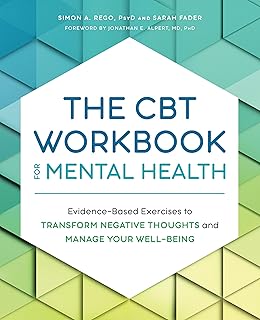
Addressing these challenges requires a multifaceted approach, including access to mental health services, social support, and practical assistance. Therapies such as cognitive-behavioral therapy (CBT) can help individuals develop coping strategies and improve their ability to function in daily life. Additionally, support groups and community resources can provide a sense of belonging and help individuals build a network of support.
In conclusion, the challenges in performing daily tasks and routines due to mental health issues are complex and far-reaching, impacting various aspects of an individual's life. By understanding these challenges and providing appropriate support and resources, we can help individuals improve their daily functioning and overall quality of life.
Exploring Thanatophobia: Is Fear of Death a Mental Health Concern?
You may want to see also
Explore related products


Self-Esteem and Confidence: Negative self-perception and reduced confidence due to mental health symptoms
Individuals struggling with mental health issues often experience a profound impact on their self-esteem and confidence. This can manifest as a persistent negative self-perception, where one's sense of self-worth is diminished, leading to a belief that they are inadequate or unworthy. Such feelings can be exacerbated by symptoms of depression, anxiety, or other mental health conditions, creating a vicious cycle where negative thoughts reinforce low self-esteem, which in turn can worsen mental health symptoms.
Reduced confidence is another significant effect, as mental health issues can make it challenging for individuals to trust in their abilities or make decisions. This lack of confidence can permeate various aspects of life, from personal relationships to professional endeavors, hindering one's ability to function effectively and achieve their goals. For instance, someone with social anxiety might avoid public speaking or social gatherings due to a fear of judgment or embarrassment, further eroding their confidence in social situations.
The interplay between self-esteem and confidence is complex, with each influencing the other. Low self-esteem can lead to a lack of confidence, as individuals may feel they are not capable or deserving of success. Conversely, a lack of confidence can contribute to low self-esteem, as repeated failures or perceived inadequacies can reinforce negative self-beliefs. This dynamic can create a significant barrier to recovery, as individuals may struggle to see their own strengths or believe in their ability to improve.
Addressing these issues requires a multifaceted approach that targets both self-esteem and confidence. Cognitive-behavioral therapy (CBT) can be particularly effective, as it helps individuals identify and challenge negative thought patterns, replacing them with more balanced and realistic self-assessments. Additionally, building confidence through gradual exposure to feared situations or tasks, coupled with positive reinforcement and support, can help individuals develop a more resilient sense of self.
In conclusion, the impact of mental health issues on self-esteem and confidence should not be underestimated. By understanding the intricate relationship between these factors and employing targeted interventions, individuals can work towards reclaiming their sense of self-worth and confidence, ultimately improving their overall mental health and well-being.
Self-Care Strategies for Managing Mental Health Without Therapy
You may want to see also
Frequently asked questions
Common symptoms of mental health issues include persistent feelings of sadness or irritability, changes in appetite or sleep patterns, difficulty concentrating, withdrawal from social activities, and unexplained physical symptoms like headaches or stomachaches.
Mental health issues can significantly impact daily life by affecting one's ability to work or study, maintain relationships, and perform routine tasks. They can lead to social isolation, decreased productivity, and an overall decline in quality of life.
Effective ways to manage mental health issues include seeking professional help from a therapist or psychiatrist, practicing self-care activities like exercise and meditation, maintaining a healthy diet, getting adequate sleep, and building a strong support network of friends and family.