Lucas Bennett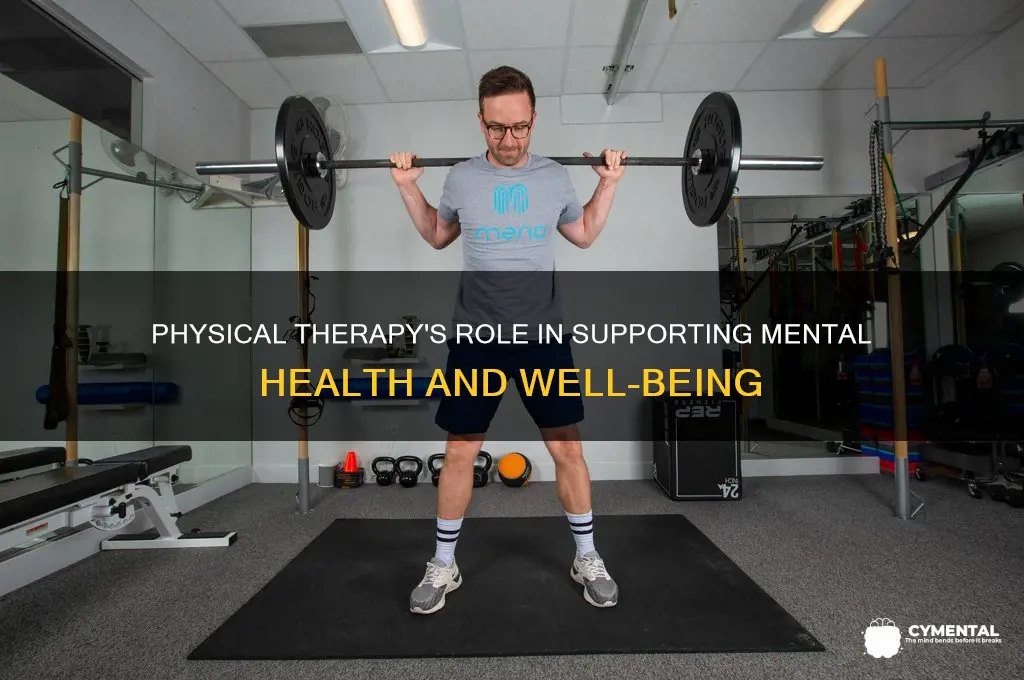
Physical therapists play a crucial role in supporting mental health by addressing the intricate connection between the body and mind. Through targeted exercises, movement therapies, and pain management techniques, they help reduce stress, anxiety, and symptoms of depression by promoting the release of endorphins and improving overall physical well-being. Additionally, physical therapists often incorporate mindfulness and relaxation strategies into their sessions, fostering a holistic approach to mental health. By alleviating chronic pain, enhancing mobility, and boosting self-confidence, they empower individuals to engage more actively in their daily lives, ultimately contributing to improved mental resilience and emotional stability.
Explore related products


What You'll Learn

Stress Reduction Techniques
Physical therapists often incorporate stress reduction techniques into their practice, recognizing the profound mind-body connection. Chronic stress manifests physically—tightened muscles, elevated heart rate, and disrupted sleep—which can exacerbate pain and hinder recovery. By addressing these symptoms, therapists not only improve physical function but also alleviate mental strain, creating a holistic healing environment.
Consider progressive muscle relaxation (PMR), a technique therapists frequently employ. Patients systematically tense and release muscle groups, starting from the toes and moving upward. Each session lasts 10–20 minutes, ideally practiced daily. Research shows PMR reduces cortisol levels by up to 25%, easing anxiety and improving focus. For older adults or those with limited mobility, therapists modify the technique, focusing on accessible muscle groups to ensure safety and effectiveness.
Another powerful tool is mindfulness-based movement, such as tai chi or yoga, integrated into therapy sessions. These practices combine slow, intentional movements with deep breathing, fostering present-moment awareness. A 2021 study found that patients practicing mindfulness-based movement twice weekly reported a 40% decrease in perceived stress. Therapists often tailor poses or sequences to individual needs, ensuring accessibility for all fitness levels. For instance, chair yoga is an excellent option for those with balance concerns or joint pain.
Breathing exercises, like diaphragmatic breathing, are simple yet transformative. Therapists teach patients to inhale deeply through the nose for 4 seconds, hold for 7 seconds, and exhale through the mouth for 8 seconds. This pattern activates the parasympathetic nervous system, promoting relaxation. Incorporating this technique for 5 minutes before therapy sessions enhances focus and reduces pre-treatment anxiety. For children or restless patients, therapists use visual aids, such as pinwheels, to make the practice engaging and effective.
Finally, therapists educate patients on the role of physical activity in stress management. Even 20–30 minutes of moderate exercise, like walking or swimming, three times a week, can significantly lower stress hormones. Therapists design personalized plans, considering patients’ preferences and physical limitations. For instance, a desk worker with chronic tension might benefit from short, frequent stretching breaks paired with a weekend hike. This approach not only reduces stress but also empowers patients to take control of their mental and physical well-being.
Unemployed and Struggling? Affordable Mental Health Support Options
You may want to see also
Explore related products


Pain Management Strategies
Chronic pain often intertwines with mental health, creating a cycle where physical discomfort exacerbates anxiety, depression, or stress, and vice versa. Physical therapists play a pivotal role in breaking this cycle by addressing pain through evidence-based strategies that simultaneously improve mental well-being. Techniques like graded exercise, manual therapy, and patient education not only reduce pain but also empower individuals to regain control over their lives, fostering a sense of accomplishment and hope.
Consider the case of a 45-year-old with chronic low back pain and concurrent depression. A physical therapist might prescribe a tailored exercise program, starting with 10–15 minutes of low-impact activities like walking or swimming three times a week, gradually increasing duration and intensity. This approach, known as graded exercise therapy, has been shown to reduce pain levels by up to 30% while improving mood through the release of endorphins. Pairing this with cognitive-behavioral techniques, such as reframing negative thoughts about pain, amplifies its mental health benefits.
Manual therapy, another cornerstone of pain management, offers immediate relief and psychological reassurance. Techniques like soft tissue mobilization or joint manipulation can reduce muscle tension and improve mobility, providing patients with tangible progress. For instance, a study found that patients receiving manual therapy for neck pain reported a 50% reduction in pain intensity after six sessions, alongside significant decreases in anxiety levels. This hands-on approach not only alleviates physical symptoms but also builds trust and confidence in the recovery process.
Education is equally critical in pain management. Physical therapists often teach patients about the neurophysiology of pain, explaining how factors like stress, sleep, and posture influence their experience. For example, a patient with fibromyalgia might learn that poor sleep exacerbates pain sensitivity, prompting them to adopt a bedtime routine that includes avoiding screens an hour before sleep and practicing progressive muscle relaxation. This knowledge shifts the narrative from helplessness to proactive self-care, a mindset shift that benefits both physical and mental health.
Finally, mindfulness-based interventions are increasingly integrated into physical therapy. Techniques like guided imagery or diaphragmatic breathing can reduce pain perception by calming the nervous system. A simple practice involves inhaling deeply for four seconds, holding for four, and exhaling for six, repeated for five minutes daily. This not only lowers pain levels but also cultivates emotional resilience, equipping patients with tools to manage stress and anxiety long-term. By combining physical and mental strategies, physical therapists offer holistic pain management that transforms lives.
Kathy Murphy's Mental Health Journey: Seeking Support and Healing
You may want to see also
Explore related products


Exercise for Mood Improvement
Physical therapists often emphasize the profound connection between physical activity and mental well-being, leveraging exercise as a tool to combat mood disorders. Research consistently shows that regular movement, even in moderate doses, can reduce symptoms of anxiety and depression. For instance, a meta-analysis published in *JAMA Psychiatry* found that 150 minutes of moderate-intensity exercise weekly—akin to brisk walking or cycling—can significantly improve mood in adults across age groups. This isn’t just about endorphins; exercise also regulates stress hormones like cortisol and promotes neuroplasticity, fostering resilience against mental health challenges.
Consider this practical approach: start with a 30-minute walk daily, gradually incorporating strength training twice a week. For older adults or those with mobility issues, chair-based exercises or water aerobics can be equally effective. The key is consistency. Pairing physical activity with mindfulness—such as focusing on your breath during yoga or noticing sensory details while jogging—amplifies its mood-enhancing effects. Even short bursts of activity, like a 10-minute dance break or stretching session, can provide immediate relief from stress or low mood.
However, it’s crucial to tailor exercise to individual needs. For someone with chronic fatigue or severe depression, pushing too hard can backfire, leading to burnout or injury. Physical therapists often recommend a "start low, go slow" approach, monitoring progress and adjusting intensity as tolerance improves. For adolescents, incorporating team sports or interactive activities like rock climbing can boost mood while addressing social isolation, a common contributor to mental health struggles in this age group.
One often-overlooked aspect is the role of environment. Exercising outdoors, even for 20 minutes, exposes you to natural light and fresh air, which can alleviate symptoms of seasonal affective disorder (SAD). Similarly, group activities—whether a fitness class or a community walk—provide social support, a critical factor in sustaining motivation and mental health. Physical therapists frequently collaborate with mental health professionals to design holistic programs that address both body and mind, ensuring exercise becomes a sustainable habit rather than a temporary fix.
In conclusion, exercise isn’t a cure-all, but it’s a powerful, accessible tool for mood improvement. By combining evidence-based practices with personalized strategies, physical therapists help individuals harness its benefits, fostering a sense of agency and well-being. Whether you’re managing stress, recovering from trauma, or simply seeking a mood boost, movement—when approached thoughtfully—can be transformative. Start small, stay consistent, and let your body lead the way to a brighter mind.
Recognizing the Signs: When to Seek Help for Your Well-Being
You may want to see also
Explore related products

$6.79 $14.99


Mind-Body Connection Practices
Physical therapists increasingly recognize that mental health is not siloed from physical well-being. Practices rooted in the mind-body connection are now integral to their toolkit, addressing conditions like chronic pain, anxiety, and depression. Techniques such as mindfulness, breathing exercises, and movement-based therapies are employed to foster resilience and recovery. These methods leverage the brain’s ability to influence bodily functions, creating a symbiotic relationship between mental and physical health.
Consider the role of diaphragmatic breathing, a cornerstone of mind-body practices. Patients are instructed to inhale deeply through the nose for 4 seconds, hold for 7 seconds, and exhale through the mouth for 8 seconds. This technique activates the parasympathetic nervous system, reducing stress hormones like cortisol. For individuals with anxiety or PTSD, incorporating this practice twice daily for 10 minutes can lower heart rate and improve emotional regulation. Physical therapists often pair this with gentle stretching to enhance its calming effects.
Movement-based therapies, such as yoga and tai chi, exemplify the mind-body connection in action. A 2020 study found that adults practicing yoga for 60 minutes, three times weekly, reported significant reductions in depression and anxiety symptoms. Physical therapists adapt these practices to individual needs, ensuring accessibility for all ages and fitness levels. For instance, chair yoga is recommended for older adults or those with mobility limitations, offering the same mental health benefits without strain.
Contrast this with traditional exercise prescriptions, which often focus solely on physical outcomes. Mind-body practices emphasize intention and awareness, encouraging patients to tune into bodily sensations and thoughts during movement. This mindfulness fosters a sense of agency over one’s health, a critical component of mental wellness. Physical therapists guide patients in integrating these practices into daily routines, creating sustainable habits that support long-term mental health.
Finally, the integration of biofeedback technology amplifies the impact of mind-body practices. Devices monitor physiological responses like muscle tension or skin conductivity, providing real-time data to patients. This visual feedback helps individuals learn to control bodily reactions to stress, a skill particularly beneficial for those with chronic pain or panic disorders. Physical therapists use this data to tailor interventions, ensuring precision in addressing both mental and physical symptoms. By combining ancient practices with modern tools, they bridge the gap between mind and body, offering holistic healing.
Volunteering for Mental Wellness: How Giving Back Boosts Your Mind
You may want to see also
Explore related products


$9.79 $17.99


Rehabilitation for Trauma Recovery
Trauma recovery often focuses on psychological healing, but the body holds onto trauma in ways that demand physical intervention. Physical therapists (PTs) play a critical role in this process by addressing the somatic symptoms of trauma—chronic pain, tension, and altered movement patterns—that can persist long after the event. Through targeted exercises, manual therapy, and movement re-education, PTs help individuals reconnect with their bodies in a safe, controlled manner. This approach not only alleviates physical discomfort but also fosters a sense of agency and control, essential for mental recovery.
Consider a survivor of a car accident who experiences persistent neck pain and avoids driving due to fear and muscle guarding. A physical therapist might begin with gentle stretching and strengthening exercises to reduce pain and restore mobility. Gradually, the therapist incorporates functional movements, such as simulated driving postures, to desensitize the individual to triggers. This process, known as graded exposure, is paired with breathing techniques to manage anxiety. Over time, the survivor regains confidence in their body’s ability to move without pain, translating to reduced psychological distress.
The effectiveness of this approach lies in its neurophysiological basis. Trauma often disrupts the body’s stress response system, leaving individuals in a hypervigilant state. Physical therapy interventions, such as diaphragmatic breathing and progressive muscle relaxation, activate the parasympathetic nervous system, promoting relaxation. For example, a 10-minute daily practice of deep breathing exercises can lower cortisol levels and improve emotional regulation. PTs also use biofeedback tools to help clients visualize and control physiological responses, empowering them to manage symptoms independently.
However, integrating physical therapy into trauma recovery requires careful consideration. Not all survivors are ready for body-focused work, and pushing too soon can retraumatize. PTs must collaborate with mental health professionals to ensure interventions align with the individual’s emotional readiness. For instance, a therapist might start with seated or standing exercises for a client with severe dissociation, avoiding floor-based activities that could trigger discomfort. Clear communication and pacing are key to building trust and ensuring progress.
Ultimately, physical therapy in trauma recovery is about more than symptom management—it’s about reclaiming the body as a source of strength rather than fear. By addressing the physical manifestations of trauma, PTs create a foundation for deeper psychological healing. For survivors, this means not just moving without pain but also feeling safe and grounded in their bodies. Practical tips include starting with short, gentle sessions, incorporating mindfulness into movement, and celebrating small victories, such as walking without tension or sleeping through the night. This holistic approach transforms the body from a battlefield into a partner in recovery.
Supporting Her Journey: Practical Ways to Aid Girls' Mental Health
You may want to see also
Frequently asked questions
Physical therapists can complement mental health treatment by addressing physical symptoms related to mental health conditions, such as chronic pain, fatigue, or reduced mobility, which can improve overall well-being.
Yes, physical therapy can help reduce symptoms of anxiety and depression by promoting physical activity, improving sleep, and releasing endorphins, which are natural mood lifters.
Physical therapy can help individuals with PTSD by focusing on relaxation techniques, improving body awareness, and reducing physical tension, which can alleviate hyperarousal and other symptoms.
Yes, physical therapists often collaborate with mental health professionals as part of a multidisciplinary team to provide holistic care tailored to the individual’s needs.
Physical therapy, particularly through aerobic exercise and movement-based interventions, can enhance cognitive function by increasing blood flow to the brain and promoting neuroplasticity.