Noah Parker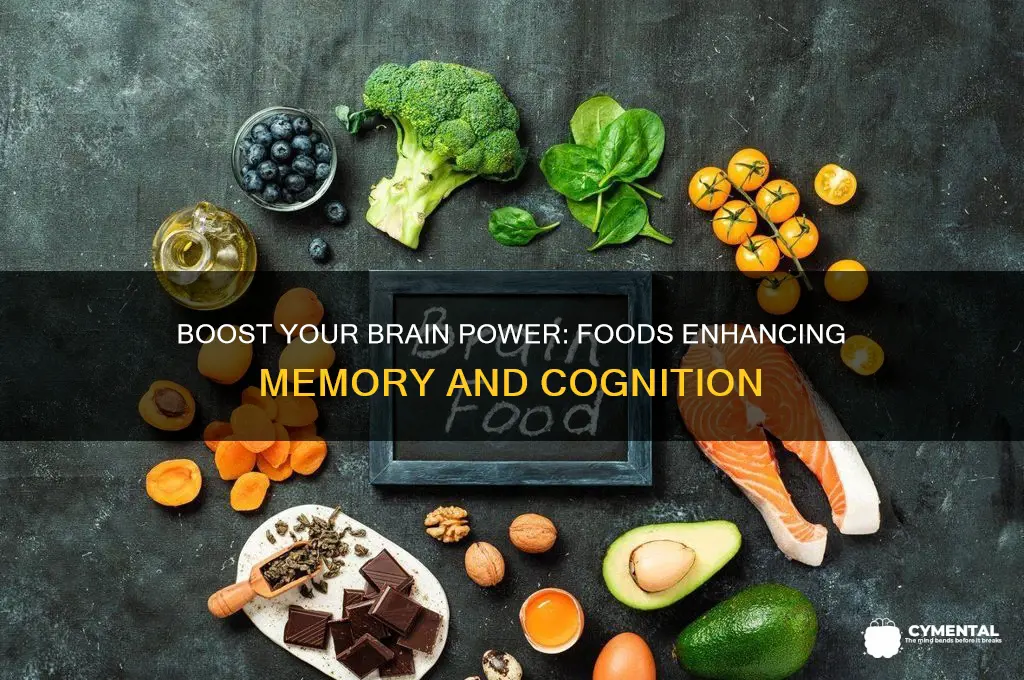
Maintaining and enhancing mental memory and cognition is crucial for overall brain health, and certain foods have been shown to play a significant role in supporting these functions. Nutrient-rich diets that include foods like fatty fish, such as salmon and trout, provide essential omega-3 fatty acids, which are vital for brain health. Berries, particularly blueberries, are packed with antioxidants that help protect the brain from oxidative stress and inflammation. Leafy green vegetables like spinach and kale are rich in vitamins and minerals, including folate and vitamin K, which contribute to improved cognitive function. Additionally, nuts and seeds, especially walnuts and flaxseeds, offer healthy fats and antioxidants that support brain health. Incorporating these foods into a balanced diet can help boost memory, focus, and overall cognitive performance.
Explore related products


What You'll Learn
- Omega-3 Rich Foods: Fish, flaxseeds, walnuts boost brain health and cognitive function effectively
- Antioxidant-Packed Berries: Blueberries, strawberries protect brain cells from oxidative stress and improve memory
- Leafy Green Vegetables: Spinach, kale enhance cognitive abilities and reduce age-related mental decline
- Whole Grains and Fiber: Oats, quinoa provide steady energy to the brain, improving focus
- Nuts and Seeds: Almonds, pumpkin seeds offer vitamins and minerals essential for memory and cognition

Omega-3 Rich Foods: Fish, flaxseeds, walnuts boost brain health and cognitive function effectively
Omega-3 fatty acids are essential for brain health, yet the body cannot produce them independently, making dietary intake crucial. Found abundantly in fish like salmon, mackerel, and sardines, these fats are integral to cell membrane structure, particularly in the brain. Flaxseeds and walnuts offer plant-based alternatives, though their omega-3s (ALA) require conversion to the more active forms (EPA and DHA), a process less efficient than direct consumption of fish-based sources. Incorporating these foods into daily meals—such as adding flaxseeds to smoothies or choosing walnuts as a snack—can help bridge the gap, especially for those following vegetarian or vegan diets.
The cognitive benefits of omega-3s are well-documented, particularly in memory and learning. Studies show that regular intake of EPA and DHA can slow cognitive decline in older adults, with a daily dose of 250–500 mg of combined EPA and DHA often recommended. For children and adolescents, omega-3s support brain development, improving focus and academic performance. Practical tips include grilling fatty fish twice a week, using flaxseed oil in salad dressings, or keeping a stash of walnuts at your desk for quick brain fuel.
While fish remains the gold standard for omega-3 intake, it’s not without considerations. Mercury contamination in larger fish like tuna or swordfish poses risks, particularly for pregnant women and young children. Smaller fish like sardines or anchovies are safer alternatives, offering high omega-3 content with lower mercury levels. For those avoiding seafood, supplements like algae-based DHA capsules provide a direct source of pre-formed omega-3s without the conversion step required for ALA. Pairing flaxseeds or walnuts with vitamin C-rich foods can also enhance ALA absorption, though this doesn’t replace the need for EPA and DHA.
The comparative advantage of omega-3s lies in their dual role: supporting immediate cognitive function while protecting long-term brain health. Unlike caffeine or sugar, which offer temporary boosts, omega-3s work at the cellular level, reducing inflammation and promoting neuroplasticity. For instance, a diet rich in these fats has been linked to a lower risk of Alzheimer’s disease, with one study showing a 26% reduced risk in individuals with high omega-3 blood levels. This makes them a cornerstone of any brain-focused diet, particularly as part of the Mediterranean or MIND dietary patterns.
Incorporating omega-3-rich foods into your routine need not be complicated. Start small: swap out red meat for salmon once a week, sprinkle ground flaxseeds on yogurt, or replace processed snacks with a handful of walnuts. For those with dietary restrictions or preferences, combining sources—like pairing a flaxseed-based smoothie with an algae oil supplement—ensures adequate intake. The key is consistency, as the brain’s benefits from omega-3s accrue over time, making these foods not just a meal choice but a long-term investment in cognitive vitality.
Social Services and Mental Health: A Path to Healing and Support
You may want to see also
Explore related products


Antioxidant-Packed Berries: Blueberries, strawberries protect brain cells from oxidative stress and improve memory
Berries, particularly blueberries and strawberries, are not just delicious but also powerful allies in the fight against cognitive decline. These small fruits are packed with antioxidants, which play a crucial role in protecting brain cells from oxidative stress—a key factor in age-related memory loss and cognitive impairment. Studies have shown that the antioxidants in berries, such as flavonoids and anthocyanins, can cross the blood-brain barrier, directly benefiting brain health. For instance, a 2012 study published in *Annals of Neurology* found that greater berry intake was associated with slower cognitive decline in older adults, equivalent to a 2.5-year delay in age-related memory loss.
To harness the cognitive benefits of berries, incorporating them into your daily diet is simpler than you might think. Aim for at least one cup of fresh or frozen blueberries or strawberries daily. For those who prefer variety, mix them into smoothies, sprinkle them over oatmeal, or blend them into yogurt. A practical tip is to keep frozen berries on hand for convenience, as they retain their nutritional value and can be added to meals year-round. For older adults or individuals at risk of cognitive decline, pairing berries with foods rich in healthy fats, like nuts or avocado, can enhance antioxidant absorption and maximize their brain-protective effects.
While berries are a standout choice, it’s important to note that their benefits are dose-dependent. Consuming them sporadically won’t yield the same results as consistent, daily intake. For optimal cognitive support, combine berry consumption with other brain-healthy habits, such as regular physical activity and adequate sleep. Additionally, while fresh berries are ideal, frozen or dried options (without added sugars) are excellent alternatives. However, be cautious of processed berry products like jams or juices, which often contain high sugar levels that can counteract their cognitive benefits.
Comparing blueberries and strawberries, both offer unique advantages. Blueberries are particularly high in anthocyanins, which have been linked to improved memory and learning capacity. Strawberries, on the other hand, are rich in vitamin C, which supports overall brain health by reducing inflammation. For a synergistic effect, combine both berries in your diet. A simple yet effective strategy is to start your day with a blueberry and strawberry smoothie, providing a concentrated dose of antioxidants to fuel your brain for the hours ahead. By making berries a staple in your diet, you’re not just enjoying a tasty treat—you’re investing in long-term cognitive vitality.
Opioids and Mental Health: Exploring Their Role in Disorder Management
You may want to see also
Explore related products



Leafy Green Vegetables: Spinach, kale enhance cognitive abilities and reduce age-related mental decline
Leafy green vegetables like spinach and kale are nutritional powerhouses that play a pivotal role in enhancing cognitive abilities and mitigating age-related mental decline. Packed with vitamins, minerals, and antioxidants, these greens are not just staples of a healthy diet but also essential allies for brain health. Research consistently highlights their ability to support memory, focus, and overall mental clarity, making them a must-add to your daily meals.
Consider the science behind their efficacy. Spinach and kale are rich in lutein, a carotenoid that accumulates in the brain and has been linked to improved cognitive performance, particularly in older adults. A study published in *Frontiers in Aging Neuroscience* found that higher lutein levels correlated with better neural efficiency, meaning the brain requires less effort to perform tasks. Additionally, these greens are abundant in folate, a B-vitamin critical for DNA synthesis and repair, which supports brain cell health. Aim to consume at least one cup of raw or half a cup of cooked leafy greens daily to reap these benefits.
Incorporating spinach and kale into your diet doesn’t have to be complicated. Start by blending a handful of spinach into your morning smoothie for a nutrient boost without altering the taste. For savory options, sauté kale with garlic and olive oil as a side dish, or toss spinach into pasta, soups, or salads. If you’re short on time, pre-washed, ready-to-eat greens are a convenient alternative. Pairing these vegetables with healthy fats, like avocado or nuts, enhances the absorption of fat-soluble vitamins like K and E, further amplifying their cognitive benefits.
While leafy greens are beneficial across all age groups, they are particularly vital for older adults aiming to preserve cognitive function. A study in *Neurology* found that individuals who consumed one to two servings of leafy greens daily had cognitive abilities equivalent to someone 11 years younger. However, it’s important to note that while these vegetables are powerful, they are not a standalone solution. Combine their intake with other brain-boosting habits, such as regular exercise, adequate sleep, and mental stimulation, for optimal results.
In conclusion, spinach and kale are not just dietary staples but strategic tools for maintaining and enhancing cognitive health. Their nutrient density, coupled with their versatility in meals, makes them accessible and effective for anyone looking to support their brain function. By prioritizing these leafy greens, you’re investing in a sharper mind today and a more resilient one in the years to come.
Soccer's Mental Benefits: Boosting Mind, Mood, and Resilience Effectively
You may want to see also
Explore related products


Whole Grains and Fiber: Oats, quinoa provide steady energy to the brain, improving focus
The brain, like any high-performance machine, requires consistent, high-quality fuel to function optimally. Whole grains, particularly oats and quinoa, are unsung heroes in this regard. Unlike refined carbohydrates that cause rapid spikes and crashes in blood sugar, whole grains release glucose slowly into the bloodstream, providing a steady stream of energy to the brain. This sustained energy supply is crucial for maintaining focus, especially during cognitively demanding tasks like problem-solving or learning new information.
Consider the glycemic index (GI), a measure of how quickly a food raises blood sugar levels. Oats have a GI of around 55, while quinoa clocks in even lower at approximately 53. These low-to-moderate GI values mean that incorporating a bowl of oatmeal or a quinoa salad into your diet can help stabilize blood sugar levels, preventing the mental fog and fatigue associated with fluctuations. For optimal results, aim for at least one serving of whole grains per day, such as ½ cup of cooked oats or quinoa. Pairing them with protein and healthy fats, like almond butter or avocado, further enhances their ability to sustain energy and improve cognitive function.
From a nutritional standpoint, oats and quinoa are not just about fiber and carbohydrates. Oats are rich in avenanthramides, unique antioxidants that increase blood flow to the brain, while quinoa provides all nine essential amino acids, supporting neurotransmitter production. For children and adolescents, whose brains are still developing, incorporating these whole grains into meals can enhance concentration and academic performance. Adults, particularly those in high-stress environments, can benefit from their ability to stabilize mood and reduce mental fatigue.
Practical integration is key. Start your day with a warm bowl of oatmeal topped with berries and nuts for a brain-boosting breakfast. For lunch, swap out refined grains like white rice for quinoa in salads or as a side dish. Snack on oat-based energy bars or homemade granola to keep your brain fueled throughout the day. Avoid pre-packaged options loaded with added sugars, as they can counteract the cognitive benefits of whole grains. Instead, opt for minimally processed, whole-food versions to maximize their nutritional impact.
In a world where mental clarity and focus are often compromised by poor dietary choices, whole grains like oats and quinoa offer a simple yet powerful solution. By providing steady energy and essential nutrients, they support not just memory and cognition but overall brain health. Making them a staple in your diet is an investment in your mental well-being, one that pays dividends in productivity, mood, and long-term cognitive resilience.
Supporting Employee Well-Being: Strategies for Employers to Promote Mental Health
You may want to see also
Explore related products


Nuts and Seeds: Almonds, pumpkin seeds offer vitamins and minerals essential for memory and cognition
Almonds and pumpkin seeds are nutritional powerhouses that directly support brain health through their rich profiles of vitamins, minerals, and healthy fats. A one-ounce serving of almonds provides 6 grams of protein, 14 grams of healthy fats, and a significant portion of the daily recommended intake of vitamin E (37% DV), magnesium (19% DV), and riboflavin (16% DV). Pumpkin seeds, in the same serving size, deliver 7 grams of protein, 15 grams of fat, and impressive amounts of magnesium (37% DV), zinc (14% DV), and iron (8% DV). These nutrients are critical for neuronal function, synaptic plasticity, and overall cognitive performance.
Consider incorporating these nuts and seeds into your daily routine with intentionality. For adults, aim for a handful (about 30 grams) of almonds or pumpkin seeds as a mid-morning or afternoon snack. For children and older adults, adjust portion sizes to 15–20 grams to align with caloric needs while still reaping cognitive benefits. Pairing them with foods high in vitamin C, such as berries or citrus, can enhance iron absorption from pumpkin seeds, amplifying their brain-boosting potential.
The science behind their efficacy is compelling. Vitamin E, abundant in almonds, acts as an antioxidant, protecting brain cells from oxidative stress linked to cognitive decline. Magnesium, found in both almonds and pumpkin seeds, plays a pivotal role in synaptic function and has been associated with improved memory in studies involving older adults. Zinc, particularly concentrated in pumpkin seeds, supports neurotransmitter signaling and is essential for hippocampal function, a brain region critical for memory formation.
However, moderation is key. While these nuts and seeds are nutrient-dense, they are also calorie-dense. Overconsumption can lead to unintended weight gain, which may counteract cognitive benefits by increasing inflammation. Additionally, individuals with nut allergies or those on low-oxalate diets (pumpkin seeds are high in oxalates) should explore alternatives like sunflower seeds or walnuts, which offer similar cognitive benefits without the risks.
Incorporating almonds and pumpkin seeds into your diet is both simple and versatile. Sprinkle them over yogurt, blend them into smoothies, or use them as a crunchy topping for salads. For a more structured approach, create a DIY trail mix with almonds, pumpkin seeds, dark chocolate chips, and dried fruit for a balanced snack that combines healthy fats, antioxidants, and natural sugars. By making these small dietary adjustments, you can nourish your brain in a way that supports long-term memory and cognitive resilience.
Do Therapists Truly Help? Exploring Mental Health Therapy's Impact and Benefits
You may want to see also
Frequently asked questions
Foods rich in omega-3 fatty acids (e.g., salmon, walnuts, flaxseeds), antioxidants (e.g., blueberries, dark chocolate, spinach), and vitamins (e.g., leafy greens, eggs, whole grains) are known to support memory and cognitive health.
Yes, spices like turmeric (contains curcumin), cinnamon, and rosemary have been linked to improved memory, focus, and overall brain health due to their anti-inflammatory and antioxidant properties.
Fruits like berries (blueberries, strawberries), oranges, and avocados are excellent for cognition. They provide antioxidants, vitamin C, and healthy fats that support brain function and protect against cognitive decline.
Nuts and seeds (e.g., almonds, pumpkin seeds, chia seeds) are packed with healthy fats, vitamins, and minerals like magnesium and vitamin E, which are essential for brain health, memory retention, and cognitive function.