Ava Ramirez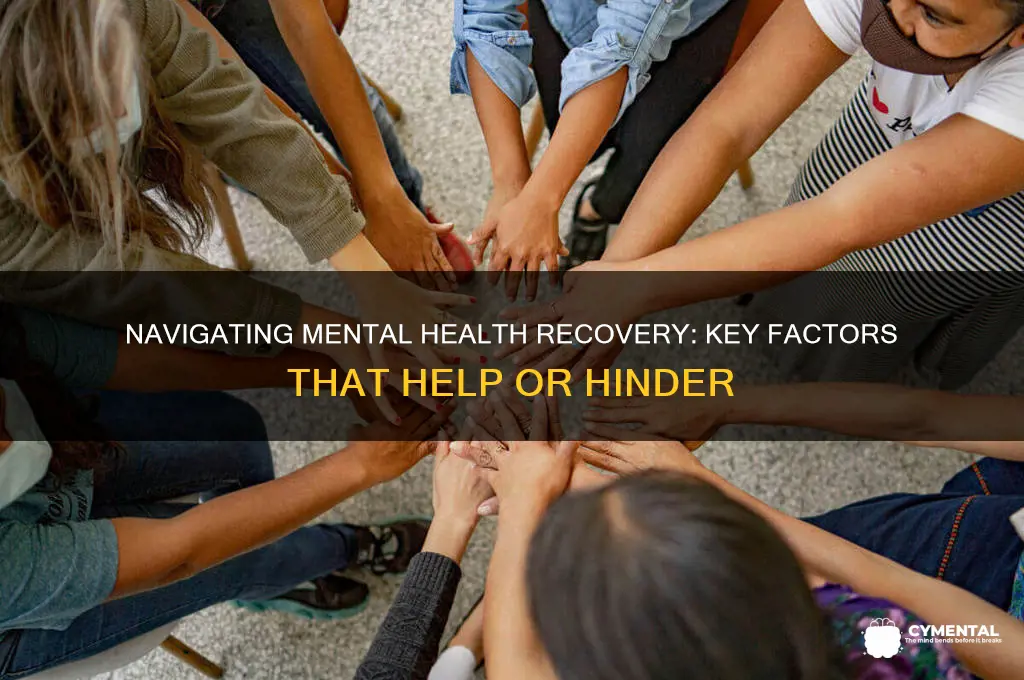
Mental health recovery is a deeply personal and multifaceted journey, influenced by a complex interplay of factors that can either support or impede progress. On one hand, access to professional care, such as therapy and medication, alongside a strong support network of family, friends, or community, significantly aids recovery by providing emotional stability and practical resources. Additionally, self-care practices like mindfulness, exercise, and healthy routines empower individuals to manage symptoms and build resilience. Conversely, stigma, lack of awareness, and limited access to mental health services often hinder recovery, leaving individuals feeling isolated and unsupported. Socioeconomic barriers, such as financial strain or unstable living conditions, further exacerbate challenges, while internal obstacles like self-doubt or fear of relapse can stall progress. Understanding these dynamics is crucial for fostering environments that promote healing and sustainable mental well-being.
Explore related products


What You'll Learn
- Social Support Networks: Strong relationships foster recovery; isolation and stigma hinder progress significantly
- Access to Resources: Adequate therapy, medication, and care aid recovery; limited access delays healing
- Self-Care Practices: Regular exercise, sleep, and mindfulness promote recovery; neglect worsens mental health
- Professional Guidance: Skilled therapists and treatment plans help; misdiagnosis or lack of care hinders
- Personal Resilience: Coping skills and optimism drive recovery; chronic stress and trauma impede it

Social Support Networks: Strong relationships foster recovery; isolation and stigma hinder progress significantly
Strong social connections act as a protective shield against the debilitating effects of mental health struggles. Research consistently shows that individuals with robust support networks experience faster recovery, improved symptom management, and a reduced risk of relapse. A 2018 meta-analysis published in *Clinical Psychology Review* found that social support was a significant predictor of positive outcomes across various mental health conditions, including depression, anxiety, and schizophrenia. This support can take many forms: emotional encouragement from a trusted friend, practical assistance from a family member, or the sense of belonging fostered by a community group.
For instance, a study on individuals recovering from major depressive disorder revealed that those who participated in peer support groups experienced a 50% reduction in relapse rates compared to those who received standard treatment alone.
Building and maintaining these networks, however, is not always straightforward. Active participation is key. Joining support groups, volunteering, or simply reaching out to loved ones regularly are essential steps. It's important to remember that quality trumps quantity. A few deeply supportive relationships are more beneficial than a large circle of acquaintances. For those struggling with social anxiety, starting small is crucial. Initiating conversations with a single person at a community event or joining an online forum focused on shared interests can be less daunting first steps.
Additionally, leveraging technology can be helpful. Video calls and messaging apps allow for connection even when physical meetings are difficult.
Despite the clear benefits, stigma remains a formidable barrier. Fear of judgment and discrimination often prevents individuals from seeking support. This isolation exacerbates symptoms and creates a vicious cycle. Combating stigma requires collective effort. Public awareness campaigns that humanize mental health struggles and highlight stories of recovery are powerful tools. Encouraging open conversations about mental health within families, schools, and workplaces fosters an environment of understanding and acceptance.
Policy changes that promote mental health parity and ensure access to affordable, stigma-free care are also crucial.
Ultimately, fostering strong social support networks is a cornerstone of mental health recovery. It requires active effort, both on an individual and societal level. By building connections, challenging stigma, and creating supportive environments, we can create a world where no one faces mental health challenges alone. Remember, reaching out for help is a sign of strength, not weakness. In the journey towards recovery, the power of human connection cannot be overstated.
Headspace: A Powerful Tool for Enhancing Mental Health and Well-being
You may want to see also
Explore related products


$11.56 $18.99


Access to Resources: Adequate therapy, medication, and care aid recovery; limited access delays healing
Access to mental health resources is a critical determinant of recovery, yet disparities in availability and affordability create significant barriers. For instance, individuals with severe depression often require a combination of cognitive-behavioral therapy (CBT) and selective serotonin reuptake inhibitors (SSRIs) like fluoxetine (20–60 mg/day). However, in rural or underserved areas, only 30% of residents may have access to licensed therapists, and medication costs can exceed $100 monthly without insurance. This gap forces many to forgo treatment, prolonging symptoms and increasing the risk of chronic illness. Without consistent access to these essential tools, recovery becomes an uphill battle, highlighting the urgent need for systemic change.
Consider the case of a 28-year-old with generalized anxiety disorder who, after six months of weekly CBT sessions and a stable dose of sertraline (50 mg/day), reports a 70% reduction in symptoms. Contrast this with someone in the same demographic who, due to financial constraints, receives only intermittent care and generic medication with inconsistent dosing. The latter individual’s recovery stalls, with symptoms recurring within three months. This comparison underscores how adequate resources not only accelerate healing but also prevent relapse, emphasizing the importance of sustained access to therapy, medication, and supportive care.
To bridge the resource gap, practical steps can be taken at individual and community levels. For those with limited means, exploring sliding-scale therapy clinics or telehealth platforms can provide affordable care. Apps like Calm or Headspace offer evidence-based mindfulness exercises for as little as $10/month, complementing traditional treatment. Additionally, patient assistance programs (e.g., RxAssist) help offset medication costs, ensuring adherence to prescribed regimens. Advocacy for policy changes, such as expanding Medicaid coverage for mental health services, is equally vital to address systemic inequities.
However, reliance on digital tools or self-help strategies alone is not a substitute for professional care. While apps and online resources can be valuable adjuncts, they lack the personalized guidance of a trained therapist or psychiatrist. For example, a mismanaged medication regimen—such as abruptly discontinuing SSRIs without tapering—can lead to withdrawal symptoms like dizziness or mood swings. This cautionary note reinforces the necessity of integrating accessible, professional resources into recovery plans, ensuring holistic and safe treatment.
Ultimately, the availability of therapy, medication, and care is not just a matter of convenience but a cornerstone of mental health recovery. Limited access perpetuates suffering, while adequate resources empower individuals to reclaim their lives. By addressing financial, geographic, and systemic barriers, we can create a more equitable landscape where recovery is not a privilege but a universal possibility. This shift requires collective effort—from policymakers to healthcare providers to community advocates—to ensure that no one is left behind in the journey toward mental wellness.
Altruism's Healing Power: Can Selfless Acts Improve Mental Health?
You may want to see also
Explore related products


Self-Care Practices: Regular exercise, sleep, and mindfulness promote recovery; neglect worsens mental health
Mental health recovery is deeply intertwined with self-care practices, yet the simplicity of this concept often belies its transformative power. Regular exercise, adequate sleep, and mindfulness are not mere lifestyle choices; they are foundational pillars that either bolster or undermine mental well-being. Neglecting these practices can exacerbate symptoms of anxiety, depression, and other mental health conditions, while prioritizing them fosters resilience and recovery. The interplay between these habits and mental health is both profound and actionable, offering a clear path toward healing.
Consider exercise, a natural antidepressant with no prescription required. Studies show that just 30 minutes of moderate-intensity physical activity, such as brisk walking or cycling, five days a week, can significantly reduce symptoms of depression and anxiety. For older adults, low-impact activities like swimming or yoga are equally effective, improving mood while minimizing joint strain. The key lies in consistency; sporadic workouts yield fleeting benefits, while a routine builds cumulative resilience. Practical tips include pairing exercise with social interaction, like joining a group fitness class, or integrating it into daily life, such as taking the stairs instead of the elevator.
Sleep, often overlooked in the hustle of modern life, is another critical component. Adults require 7–9 hours of quality sleep per night, yet nearly one-third fall short. Chronic sleep deprivation disrupts emotional regulation, heightens stress responses, and impairs cognitive function, creating a fertile ground for mental health struggles. Establishing a sleep hygiene routine—such as dimming lights an hour before bed, avoiding screens, and maintaining a consistent sleep schedule—can dramatically improve sleep quality. For those with insomnia, cognitive-behavioral therapy for insomnia (CBT-I) offers evidence-based strategies to reset sleep patterns without reliance on medication.
Mindfulness, the practice of being present in the moment, complements exercise and sleep by rewiring the brain’s response to stress. Just 10 minutes of daily mindfulness meditation can reduce cortisol levels, the body’s primary stress hormone, and enhance emotional stability. Apps like Headspace or Calm provide guided sessions for beginners, while journaling or mindful breathing exercises offer accessible alternatives. For children and adolescents, incorporating mindfulness into daily routines, such as mindful eating or short breathing exercises before school, can instill lifelong habits that protect mental health.
Neglecting these self-care practices, however, creates a downward spiral. Skipping exercise, sacrificing sleep, and dismissing mindfulness amplify vulnerability to mental health challenges. For instance, sedentary lifestyles are linked to a 47% higher risk of developing depression, while sleep deprivation exacerbates symptoms in those already struggling. The takeaway is clear: self-care is not indulgent; it is essential. By prioritizing exercise, sleep, and mindfulness, individuals can actively participate in their mental health recovery, turning small, consistent actions into profound, lasting change.
Boosting Mental Stability: Essential Practices for Inner Peace and Resilience
You may want to see also
Explore related products


Professional Guidance: Skilled therapists and treatment plans help; misdiagnosis or lack of care hinders
Access to skilled therapists and well-structured treatment plans can be transformative for mental health recovery. These professionals provide evidence-based interventions tailored to individual needs, such as cognitive-behavioral therapy (CBT) or dialectical behavior therapy (DBT), which have proven effective for conditions like depression and borderline personality disorder. A competent therapist not only offers tools to manage symptoms but also fosters a therapeutic alliance, a critical factor in treatment success. For instance, a meta-analysis published in *Psychotherapy* found that a strong therapeutic relationship can account for up to 30% of treatment outcomes. Treatment plans, when personalized and consistently followed, provide a roadmap for recovery, ensuring progress is measurable and sustainable.
Conversely, misdiagnosis or lack of professional care can severely hinder recovery. Misdiagnosis often leads to inappropriate treatment, such as prescribing antidepressants for someone with bipolar disorder, which can exacerbate symptoms. According to the *Journal of Clinical Psychiatry*, up to 69% of patients with bipolar disorder are initially misdiagnosed, delaying effective treatment by an average of 8–10 years. Similarly, a lack of access to care, whether due to financial barriers, stigma, or shortages of mental health professionals, leaves individuals without the support they need. Without professional guidance, self-management strategies may be ineffective or even harmful, perpetuating cycles of distress and dysfunction.
To maximize the benefits of professional guidance, individuals should actively engage in the therapeutic process. This includes attending sessions consistently, being open about symptoms and concerns, and collaborating with therapists to refine treatment plans. For example, keeping a symptom journal can help therapists identify patterns and adjust interventions accordingly. Additionally, seeking second opinions in cases of uncertainty can mitigate the risks of misdiagnosis. For those with limited access to care, teletherapy platforms or community mental health clinics can provide viable alternatives, though they may require persistence to navigate.
The contrast between skilled professional care and its absence underscores the importance of systemic improvements. Policymakers and healthcare providers must address barriers to access, such as expanding insurance coverage for mental health services and increasing the number of trained therapists. At the individual level, advocating for oneself or loved ones by asking informed questions and seeking competent providers is crucial. Ultimately, professional guidance is not just a facilitator of recovery but often a prerequisite for it, while its absence or misapplication can derail even the most determined efforts to heal.
Exercise and Mental Health: Unlocking the Mind-Body Connection for Wellness
You may want to see also
Explore related products



Personal Resilience: Coping skills and optimism drive recovery; chronic stress and trauma impede it
Resilience isn’t an innate trait but a skill forged through practice, and it hinges on two pillars: coping mechanisms and optimism. Coping skills—whether mindfulness, journaling, or physical activity—act as mental armor against life’s blows. For instance, a 20-minute daily mindfulness practice has been shown to reduce cortisol levels by up to 14%, mitigating the physiological effects of stress. Optimism, meanwhile, rewires the brain to perceive challenges as surmountable rather than insurmountable. Research indicates that optimistic individuals are 30% more likely to engage in proactive problem-solving, accelerating recovery from setbacks. Together, these tools transform adversity into a catalyst for growth, not a sentence to stagnation.
Contrast this with the corrosive effects of chronic stress and trauma, which erode resilience like acid on stone. Prolonged exposure to stress hormones like cortisol damages the hippocampus, the brain’s memory and emotional center, impairing its ability to regulate emotions. Trauma, particularly in childhood, can lead to maladaptive coping mechanisms—substance abuse, avoidance, or emotional numbing—that further entrench mental health struggles. For example, individuals with a history of childhood trauma are twice as likely to develop anxiety or depression later in life. These factors create a vicious cycle, where the very mechanisms meant to protect the mind instead sabotage it, making recovery an uphill battle.
To build resilience, start by auditing your coping strategies. Are they adaptive (e.g., seeking support, reframing negative thoughts) or maladaptive (e.g., isolation, self-blame)? Replace one maladaptive habit weekly with a healthier alternative, such as swapping screen time for a 10-minute walk. Cultivate optimism through cognitive reframing: instead of thinking, “I can’t do this,” ask, “What’s one step I can take today?” For trauma survivors, evidence-based therapies like EMDR or CBT can reprocess traumatic memories, reducing their emotional grip. Pair these efforts with stress-reducing activities like deep breathing exercises (4-7-8 technique: inhale for 4 seconds, hold for 7, exhale for 8) to lower cortisol levels and restore emotional balance.
The interplay between resilience-building and stress mitigation is delicate but critical. While coping skills and optimism fuel recovery, they cannot thrive in an environment saturated with chronic stress or unresolved trauma. Think of resilience as a garden: coping skills and optimism are the seeds, but chronic stress and trauma are the weeds that choke their growth. Regularly tending to this garden—through self-reflection, therapy, and stress management—ensures that resilience not only survives but flourishes. Recovery isn’t about eliminating challenges but equipping yourself to face them with unwavering strength and hope.
Concerta and Mental Alertness: Boosting Focus and Cognitive Performance
You may want to see also
Frequently asked questions
Supportive relationships, access to professional treatment, self-care practices, and a stable environment are crucial for mental health recovery. Building a strong support network, engaging in therapy or medication when needed, and maintaining healthy habits like exercise and sleep significantly aid the process.
Stigma creates barriers to seeking help by fostering shame, fear, and isolation. It discourages individuals from accessing treatment, delays intervention, and perpetuates negative self-perception, making recovery more challenging.
Self-awareness helps individuals recognize triggers, emotions, and patterns, enabling them to take proactive steps toward healing. It fosters personal growth, empowers better decision-making, and enhances the effectiveness of therapeutic interventions.


![Nekteck Shiatsu Foot Massager with Heat [2026 Upgraded], Valentines Day Gifts for Him Her Relaxation Tools, FSA Eligible Deep Kneading Therapy Air Compression, HSA Feet Massage for Plantar Fasciitis](https://m.media-amazon.com/images/I/81lu0+xiXEL._AC_UL320_.jpg)