Madison Cole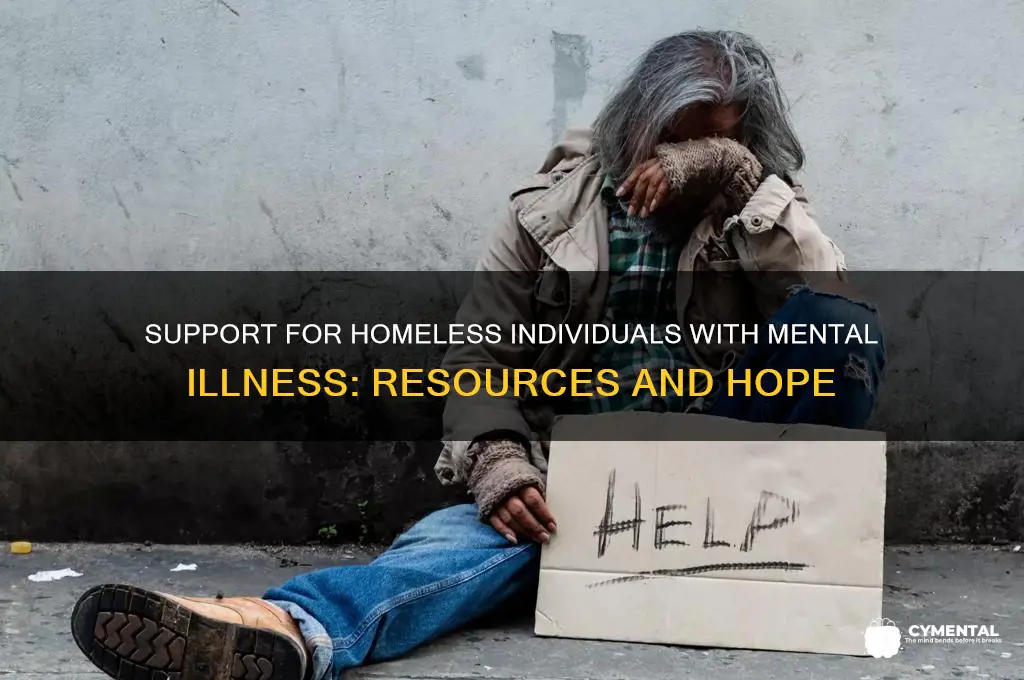
Addressing the needs of homeless individuals with mental illness requires a multifaceted approach, as this vulnerable population faces unique challenges that often exacerbate both their housing instability and mental health conditions. Various forms of assistance are available, including government-funded programs, non-profit organizations, and community-based initiatives that provide shelter, mental health services, and case management. Housing First models, which prioritize securing stable housing before addressing other issues, have proven effective in reducing homelessness and improving mental health outcomes. Additionally, integrated care programs that combine mental health treatment with social services, such as job training and substance abuse counseling, offer holistic support. Public awareness and advocacy efforts also play a crucial role in expanding resources and reducing stigma, ensuring that homeless individuals with mental illness receive the compassionate and comprehensive care they need.
| Characteristics | Values |
|---|---|
| Housing Programs | Permanent Supportive Housing (PSH), Housing First model, Rapid Re-Housing (RRH), transitional housing, and emergency shelters. |
| Mental Health Services | Assertive Community Treatment (ACT), case management, outpatient therapy, psychiatric care, and crisis intervention services. |
| Government Assistance | Medicaid, Supplemental Security Income (SSI), Social Security Disability Insurance (SSDI), and state-funded mental health programs. |
| Nonprofit Organizations | Organizations like the National Alliance on Mental Illness (NAMI), PATH (Projects for Assistance in Transition from Homelessness), and local homeless coalitions. |
| Integrated Care Models | Coordinated care between housing providers and mental health professionals, often using a multidisciplinary team approach. |
| Substance Abuse Treatment | Access to detox programs, medication-assisted treatment (MAT), and dual diagnosis treatment for co-occurring mental health and substance use disorders. |
| Employment and Vocational Support | Job training programs, supported employment, and vocational rehabilitation services to help individuals gain financial stability. |
| Peer Support Programs | Peer-led groups and mentorship programs where individuals with lived experience provide support and guidance. |
| Legal and Advocacy Services | Legal aid for housing rights, disability benefits, and protection against discrimination, as well as advocacy for policy changes. |
| Healthcare Access | Mobile health clinics, community health centers, and telehealth services to provide accessible medical and mental health care. |
| Prevention Initiatives | Early intervention programs, homelessness prevention grants, and initiatives to address root causes like poverty and lack of affordable housing. |
| Funding Sources | Federal grants (e.g., HUD Continuum of Care Program), state and local funding, private donations, and philanthropic support. |
| Data and Research | Ongoing research to evaluate program effectiveness, track homelessness trends, and inform policy decisions, often supported by organizations like the Substance Abuse and Mental Health Services (SAMHSA). |
Explore related products


What You'll Learn
- Emergency Shelters: Provide immediate housing, food, and basic needs for homeless individuals with mental illness
- Supportive Housing: Offers stable, affordable housing with on-site mental health and social services
- Outreach Programs: Mobile teams connect homeless mentally ill individuals to resources and treatment
- Mental Health Clinics: Free or low-cost therapy, medication, and counseling for homeless populations
- Government Assistance: Programs like SSI/SSDI provide financial aid for eligible mentally ill homeless individuals

Emergency Shelters: Provide immediate housing, food, and basic needs for homeless individuals with mental illness
Emergency shelters serve as a critical lifeline for homeless individuals with mental illness, offering immediate relief from the harsh realities of life on the streets. These facilities provide more than just a roof over one’s head; they are designed to address the urgent needs of a vulnerable population by offering food, hygiene facilities, and basic medical care. For someone struggling with mental health issues, the stability of a shelter can be the first step toward recovery, breaking the cycle of homelessness and despair.
Consider the operational structure of these shelters: most are open 24/7, ensuring access regardless of the hour. Upon arrival, individuals typically undergo a brief intake process to assess their immediate needs, including mental health concerns. This allows staff to connect them with appropriate resources, such as on-site counselors or referrals to psychiatric services. For example, shelters like the *Downtown Emergency Service Center* in Seattle integrate mental health screenings into their intake process, ensuring residents receive tailored support from the outset.
However, emergency shelters are not without challenges. Overcrowding, limited resources, and the transient nature of their clientele can hinder their effectiveness. A shelter in New York City reported that 40% of its residents had severe mental health issues, yet only 20% had consistent access to psychiatric care due to staffing shortages. To mitigate this, some shelters adopt a "housing first" model, prioritizing stable housing before addressing other needs, which has shown promise in improving long-term outcomes for mentally ill individuals.
Practical tips for accessing these services include calling local hotlines (e.g., 211 in the U.S.) to locate nearby shelters and inquiring about mental health-specific programs. For families or caregivers, advocating for a loved one may involve accompanying them to the shelter and providing relevant medical history to staff. Additionally, donating items like hygiene kits, non-perishable foods, or volunteering time can help shelters expand their capacity to serve this population.
In conclusion, emergency shelters are indispensable in providing immediate relief to homeless individuals with mental illness, but their impact is maximized when paired with comprehensive mental health services and community support. By addressing both housing and mental health needs simultaneously, these facilities offer a beacon of hope for those in crisis, paving the way for long-term stability and recovery.
Empowering Change: Simple Ways You Can Make a Difference Today
You may want to see also
Explore related products

$10.88 $15.99


Supportive Housing: Offers stable, affordable housing with on-site mental health and social services
Stable housing is a cornerstone of recovery for individuals experiencing homelessness and mental illness. Supportive housing goes beyond simply providing a roof over someone's head. It offers a holistic approach by integrating affordable housing with on-site mental health and social services, creating a foundation for long-term stability and well-being.
Imagine a studio apartment, modest but clean and safe, where a person struggling with schizophrenia can find refuge. Within the same building, they have access to a therapist who understands their condition, a case manager helping them navigate benefits and appointments, and a community room where they can connect with others facing similar challenges. This is the reality of supportive housing.
Unlike traditional shelters, supportive housing prioritizes permanence. Residents sign leases, fostering a sense of ownership and belonging. Rent is typically set at 30% of a resident's income, ensuring affordability. This stability allows individuals to focus on managing their mental health, rebuilding relationships, and pursuing personal goals.
The on-site services are the linchpin of supportive housing's success. Mental health professionals provide individualized therapy, medication management, and crisis intervention. Social workers assist with accessing benefits, finding employment, and developing life skills. Peer support specialists, individuals with lived experience of homelessness and mental illness, offer invaluable understanding and encouragement. This comprehensive support network addresses the complex needs of this vulnerable population, breaking the cycle of homelessness and promoting recovery.
While supportive housing requires significant upfront investment, studies consistently demonstrate its cost-effectiveness. By reducing hospitalizations, emergency room visits, and incarceration rates, supportive housing saves taxpayers money in the long run. More importantly, it offers individuals a chance to rebuild their lives, regain their dignity, and become contributing members of their communities.
Can Your GP Support Mental Health? Exploring Primary Care Options
You may want to see also
Explore related products




Outreach Programs: Mobile teams connect homeless mentally ill individuals to resources and treatment
Homeless individuals with mental illness often face barriers to accessing care, such as lack of transportation, distrust of institutions, and the complexity of their conditions. Outreach programs employing mobile teams address these challenges by bringing services directly to those in need, rather than waiting for them to seek help. These teams typically consist of mental health professionals, social workers, and peer support specialists who travel to shelters, streets, and other locations where homeless populations congregate. By meeting individuals where they are, both physically and emotionally, these programs build trust and provide immediate access to resources like medication, therapy, and housing assistance.
Consider the logistical advantages of mobile outreach. Teams can conduct on-the-spot assessments, administer short-acting antipsychotics (e.g., 5–10 mg of olanzapine for acute agitation) when necessary, and connect individuals to long-term treatment plans. For example, a study in *Psychiatric Services* found that mobile outreach increased engagement in mental health services by 40% among homeless individuals compared to traditional clinic-based approaches. Practical tips for implementing such programs include equipping teams with portable medical supplies, ensuring 24/7 availability for crisis intervention, and training staff in de-escalation techniques to handle volatile situations safely.
A comparative analysis reveals that mobile outreach is particularly effective for individuals with severe mental illness, such as schizophrenia or bipolar disorder, who might otherwise fall through the cracks. Unlike static clinics, mobile teams can follow up with clients regularly, reducing the likelihood of treatment discontinuation. For instance, a program in Los Angeles reported a 60% retention rate for clients receiving consistent mobile support, compared to 20% for those relying on walk-in clinics. This highlights the importance of continuity of care in stabilizing both mental health and housing outcomes.
Persuasively, the cost-effectiveness of mobile outreach cannot be overstated. While initial setup costs may be high, the long-term savings from reduced hospitalizations and emergency room visits are substantial. A 2020 report by the National Alliance to End Homelessness estimated that every dollar invested in mobile outreach saves $3 in healthcare and criminal justice expenses. Policymakers and funders should prioritize these programs as a strategic intervention, especially in urban areas with high concentrations of homeless populations.
In conclusion, mobile outreach teams are a vital component of addressing the complex needs of homeless individuals with mental illness. By combining flexibility, immediacy, and personalized care, these programs bridge critical gaps in the healthcare system. To maximize their impact, stakeholders should focus on sustainable funding, interdisciplinary team training, and integration with broader housing initiatives. This approach not only improves individual outcomes but also contributes to healthier, more equitable communities.
Can Ibuprofen Ease Mental Pain? Exploring Science and Limits
You may want to see also
Explore related products


Mental Health Clinics: Free or low-cost therapy, medication, and counseling for homeless populations
Homeless individuals with mental illness often face barriers to accessing healthcare, but mental health clinics offering free or low-cost services are bridging this gap. These clinics provide therapy, medication management, and counseling tailored to the unique challenges of homelessness, such as trauma, substance abuse, and lack of stable housing. For instance, the PATH (Projects for Assistance in Transition from Homelessness) program, funded by the Substance Abuse and Mental Health Services Administration (SAMHSA), connects homeless individuals to mental health services, including outpatient clinics that offer sliding-scale fees or no-cost treatment.
Consider the practical steps to access these services. First, locate a clinic through local homeless shelters, community health centers, or SAMHSA’s online treatment locator. Many clinics operate on a walk-in basis, eliminating the need for appointments, which can be crucial for those without stable schedules. During the first visit, individuals typically undergo a brief assessment to determine their needs, such as therapy for depression, medication for schizophrenia, or counseling for dual diagnosis (mental illness and substance abuse). For example, a homeless person with bipolar disorder might receive a prescription for mood stabilizers like lithium (dosage: 300–900 mg daily) alongside weekly cognitive-behavioral therapy sessions.
One critical aspect of these clinics is their ability to address the intersection of mental health and homelessness. Therapists often use trauma-informed care, recognizing that many clients have experienced violence, abuse, or chronic stress. Medication management is equally vital, with clinicians prescribing antipsychotics, antidepressants, or anxiolytics at affordable rates or through patient assistance programs. For instance, a low-cost clinic might provide fluoxetine (Prozac) for $4–10 per month, depending on dosage (20–60 mg daily). However, adherence can be challenging for homeless individuals, so clinics often pair medication with case management to help clients secure housing or benefits.
Despite their benefits, these clinics face challenges, such as limited funding and high demand. To maximize their impact, some adopt innovative models like mobile clinics that travel to shelters or street locations, ensuring accessibility for those who cannot travel. Others integrate peer support specialists—individuals with lived experience of homelessness and mental illness—into their teams, fostering trust and relatability. For example, a peer specialist might accompany a client to a therapy session, offering encouragement and practical advice on managing symptoms in unstable environments.
In conclusion, mental health clinics offering free or low-cost services are lifelines for homeless individuals with mental illness. By combining therapy, medication, and counseling with flexible, compassionate care, these clinics address both mental health needs and the realities of homelessness. To support their work, advocate for increased funding, volunteer time, or donate to organizations like the National Alliance to End Homelessness. For those in need, reaching out to a local clinic is the first step toward healing and stability.
Massage Therapy: A Powerful Tool for Mental Health and Wellness
You may want to see also
Explore related products


Government Assistance: Programs like SSI/SSDI provide financial aid for eligible mentally ill homeless individuals
For homeless individuals grappling with mental illness, navigating the complexities of government assistance can be a lifeline. Programs like Supplemental Security Income (SSI) and Social Security Disability Insurance (SSDI) offer critical financial support, but understanding eligibility and application processes is key. SSI, a needs-based program, targets those with limited income and assets, while SSDI is available to individuals who have worked and paid into Social Security but can no longer do so due to disability. Both programs require medical documentation proving a mental illness that significantly impairs daily functioning, a hurdle that often necessitates professional advocacy or legal assistance.
The application process for SSI and SSDI is notoriously rigorous, often requiring multiple rounds of appeals. Homeless individuals face unique challenges here, such as lacking a stable address for communication or difficulty accessing medical records. However, the Social Security Administration (SSA) has recognized these barriers and allows applicants to use a shelter address or appoint a representative payee to manage benefits. Additionally, the SSA’s "Compassionate Allowances" program expedites claims for certain severe conditions, including schizophrenia and bipolar disorder, potentially reducing wait times from months to weeks.
One practical tip for applicants is to gather comprehensive medical evidence, including treatment histories, medication lists, and statements from mental health professionals. Nonprofit organizations like the National Alliance on Mental Illness (NAMI) often provide free assistance with applications, ensuring forms are completed accurately and deadlines are met. For homeless individuals without access to a phone or computer, local Social Security offices and community outreach programs can serve as vital resources for initiating the process.
Comparatively, while SSI and SSDI provide a financial foundation, they are not standalone solutions. Benefits typically range from $800 to $900 per month, which, while helpful, may fall short of covering housing and living expenses in high-cost areas. This underscores the need for complementary programs like Housing First initiatives, which prioritize stable housing as a platform for addressing mental health and other challenges. When combined with SSI/SSDI, such programs create a more holistic support system.
In conclusion, SSI and SSDI are indispensable tools for homeless individuals with mental illness, offering financial stability that can pave the way for broader recovery. Yet, their effectiveness hinges on accessible application processes, robust advocacy, and integration with housing and health services. For those in need, persistence and leveraging available resources can turn these programs into a stepping stone toward self-sufficiency.
GLP-1 and Mental Health: Exploring the Potential Benefits
You may want to see also
Frequently asked questions
Resources include local shelters with mental health services, community mental health centers, outreach programs, and government-funded initiatives like Housing First programs, which provide stable housing and support services.
They can access care through mobile crisis units, free or low-cost clinics, Medicaid-funded services, and nonprofit organizations specializing in mental health and homelessness.
Yes, programs like Permanent Supportive Housing (PSH) and Housing First offer long-term housing solutions combined with mental health, substance abuse, and case management services to ensure stability.