Harper Lewis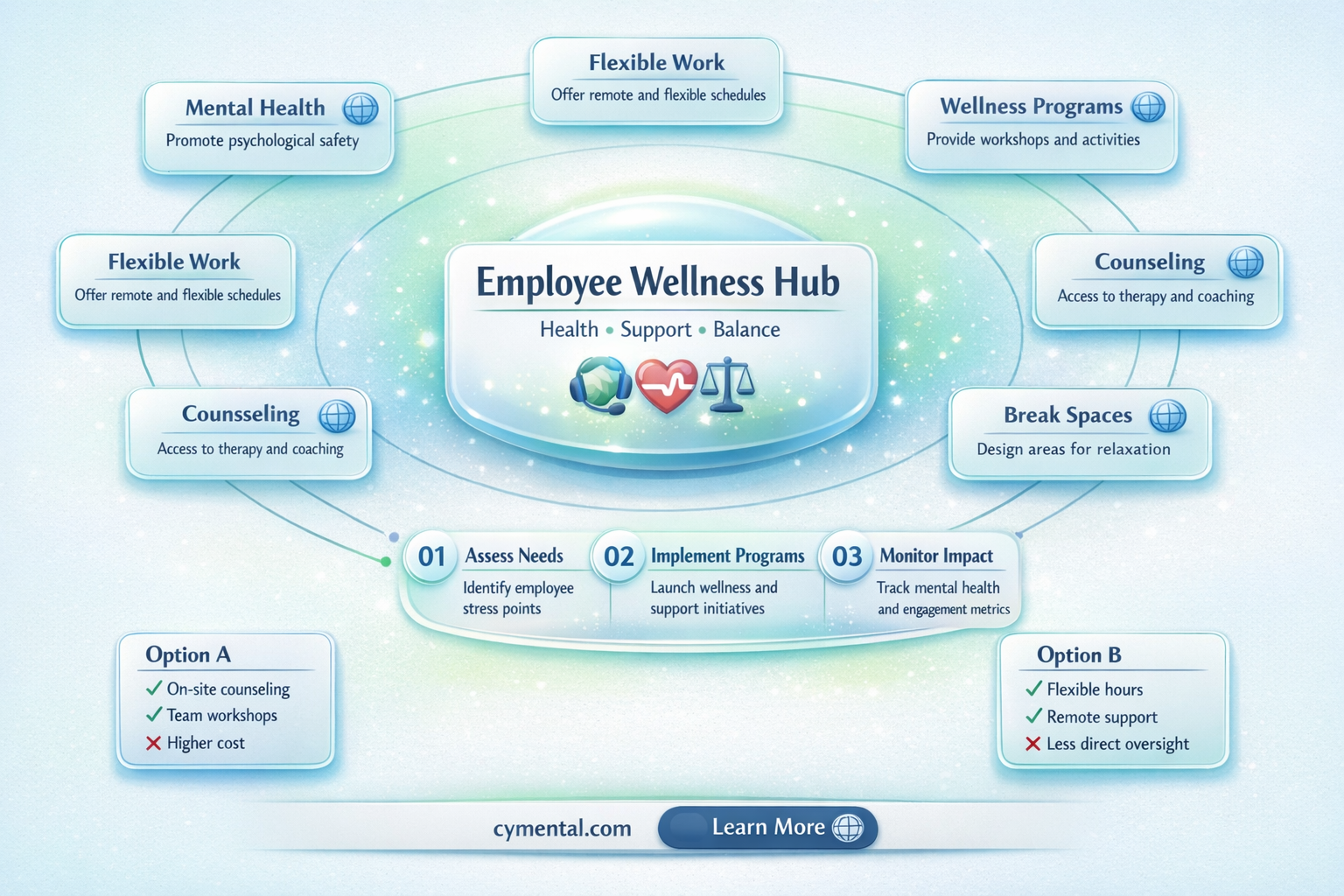
Employers play a crucial role in supporting mental health in the workplace, as they have the power to create environments that foster well-being and reduce stigma. By implementing policies such as flexible work arrangements, mental health days, and access to counseling services, organizations can demonstrate their commitment to employee mental health. Additionally, providing training for managers to recognize signs of mental health issues and offering resources like Employee Assistance Programs (EAPs) can empower employees to seek help without fear of judgment. A proactive approach not only improves productivity and job satisfaction but also strengthens the overall organizational culture, ensuring employees feel valued and supported in their personal and professional lives.
| Characteristics | Values |
|---|---|
| Promote Work-Life Balance | Flexible work arrangements (remote work, compressed workweeks), paid time off for mental health days, discourage after-hours communication |
| Offer Mental Health Benefits | Comprehensive health insurance covering therapy, psychiatry, and mental health apps, Employee Assistance Programs (EAPs) offering confidential counseling |
| Foster a Supportive Culture | Open communication about mental health, train managers to recognize signs of struggle, encourage peer support networks |
| Reduce Stigma | Leadership openly discussing mental health, anti-stigma campaigns, inclusive language and policies |
| Provide Stress Management Resources | Access to mindfulness apps, yoga/meditation classes, stress management workshops, ergonomic workspaces |
| Encourage Physical Health | Subsidized gym memberships, healthy food options, wellness challenges, standing desks |
| Offer Professional Development | Clear career paths, opportunities for skill development, mentorship programs, recognition and rewards |
| Create a Safe and Inclusive Environment | Zero-tolerance policy for harassment and discrimination, diversity and inclusion initiatives, accessible workspaces |
| Regularly Check In with Employees | One-on-one meetings, anonymous feedback channels, pulse surveys to gauge employee well-being |
| Provide Access to Financial Wellness Resources | Financial planning workshops, employee discounts, financial counseling services |
Explore related products


What You'll Learn
- Flexible Work Arrangements: Offer remote options, reduced hours, or adjusted schedules to reduce stress and improve work-life balance
- Mental Health Training: Provide employees and managers with training to recognize and address mental health issues
- Access to Resources: Offer EAPs, counseling services, or mental health apps to support employee well-being
- Open Communication: Foster a stigma-free environment where employees feel safe discussing mental health concerns
- Regular Check-Ins: Implement one-on-one meetings to monitor employee mental health and provide timely support

Flexible Work Arrangements: Offer remote options, reduced hours, or adjusted schedules to reduce stress and improve work-life balance
Workplace stress is a leading contributor to mental health issues, with rigid schedules often exacerbating the problem. Flexible work arrangements—such as remote options, reduced hours, or adjusted schedules—can significantly alleviate this burden. For instance, a study by Stanford University found that remote workers reported a 13% increase in productivity and a 50% decrease in attrition rates, largely due to reduced stress and improved work-life balance. This approach not only benefits employees but also enhances overall organizational performance.
Implementing flexible work arrangements requires a structured approach. Start by assessing which roles can feasibly transition to remote or part-time setups. For example, customer service teams can often work remotely with minimal disruption, while project managers might benefit from adjusted schedules to accommodate personal commitments. Employers should also establish clear communication channels to ensure remote workers remain connected and supported. Tools like Slack, Microsoft Teams, or Zoom can facilitate seamless collaboration, while regular check-ins can address potential feelings of isolation.
One common concern is maintaining productivity with flexible arrangements. However, research shows that employees with flexible schedules often work more efficiently, compensating for reduced hours with heightened focus. For instance, a four-day workweek trial in Iceland resulted in 81% of participants reporting reduced stress and no decline in productivity. Employers can further support this by setting measurable goals rather than focusing on hours worked. This outcome-based approach fosters trust and empowers employees to manage their time effectively.
Critics argue that flexible work arrangements may lead to overwork or blurred boundaries between professional and personal life. To mitigate this, employers should encourage employees to set clear boundaries, such as designated work hours and a dedicated workspace at home. Additionally, offering training on time management and digital wellness can help employees navigate these challenges. For example, a company might provide workshops on prioritizing tasks or using apps like RescueTime to monitor and optimize productivity.
Ultimately, flexible work arrangements are a powerful tool for supporting mental health, but their success depends on thoughtful implementation. By offering remote options, reduced hours, or adjusted schedules, employers can reduce stress, improve work-life balance, and foster a more engaged workforce. The key lies in balancing flexibility with structure, ensuring employees feel supported while maintaining productivity. As mental health continues to be a priority, such arrangements are not just a perk but a necessity for modern workplaces.
Music's Impact: Enhancing Mental Agility and Emotional Well-being
You may want to see also
Explore related products

$19.99 $19.99


Mental Health Training: Provide employees and managers with training to recognize and address mental health issues
Mental health training isn’t just a checkbox for HR compliance—it’s a strategic investment in a healthier, more productive workforce. Employees spend a third of their lives at work, and managers are often the first to notice subtle changes in behavior. Yet, without proper training, they may misinterpret signs of mental distress as laziness, disengagement, or poor performance. A study by the World Health Organization found that for every dollar invested in mental health training, there’s a $4 return in improved productivity and reduced absenteeism. This isn’t about turning managers into therapists; it’s about equipping them with the skills to recognize red flags and respond appropriately.
Consider a scenario: an employee starts missing deadlines, arriving late, and withdrawing from team interactions. An untrained manager might assume it’s a performance issue and escalate with warnings. A manager trained in mental health awareness, however, might notice the employee’s fatigue, irritability, or changes in communication style. They could initiate a private conversation, using open-ended questions like, “I’ve noticed you seem a bit overwhelmed lately. How are you doing?” This simple act of acknowledgment can make a profound difference, signaling to the employee that their well-being matters.
Effective mental health training should be multi-faceted, blending awareness, skill-building, and practical tools. Start with foundational education on common mental health conditions—depression, anxiety, burnout—and their workplace manifestations. For instance, anxiety might appear as excessive perfectionism or avoidance of meetings, while burnout often shows up as cynicism and detachment. Next, teach active listening and empathetic communication techniques. Role-playing scenarios, such as how to respond to an employee disclosing suicidal thoughts, can build confidence and reduce stigma. Finally, provide resources: EAP contacts, local counseling services, and digital mental health platforms.
One caution: avoid one-size-fits-all approaches. A manufacturing floor supervisor needs different training than a remote team leader. Tailor content to the workplace context, incorporating industry-specific stressors. For example, healthcare workers may face trauma exposure, while tech employees might struggle with long hours and isolation. Additionally, ensure trainers are qualified mental health professionals or experienced facilitators who can handle sensitive discussions without triggering participants.
The takeaway? Mental health training isn’t a one-time event but an ongoing commitment. Regular refreshers, anonymous feedback mechanisms, and leadership buy-in are essential to sustain momentum. When employees and managers feel empowered to address mental health proactively, the workplace becomes a safer, more supportive environment. This isn’t just about reducing risk—it’s about fostering a culture where people thrive, not just survive.
Hydration and Mind: How Drinking Water Boosts Mental Health
You may want to see also
Explore related products


Access to Resources: Offer EAPs, counseling services, or mental health apps to support employee well-being
Employers play a pivotal role in fostering a workplace culture that prioritizes mental health, and one of the most effective ways to do this is by providing accessible resources. Employee Assistance Programs (EAPs) are a cornerstone of this approach, offering confidential support for personal and work-related issues. These programs typically include counseling services, legal advice, and financial planning, addressing stressors that often contribute to mental health challenges. For instance, a study by the International Foundation of Employee Benefit Plans found that organizations with EAPs saw a 30% reduction in absenteeism and a 25% decrease in healthcare costs, highlighting their tangible benefits.
While EAPs are comprehensive, integrating mental health apps can further enhance accessibility and flexibility. Apps like Calm, Headspace, or Sanvello provide tools for stress management, meditation, and cognitive-behavioral therapy techniques. Employers can subsidize subscriptions or partner with app providers to offer customized programs tailored to their workforce’s needs. For example, a tech company might prioritize apps with digital detox features, while a healthcare organization could focus on burnout prevention modules. The key is to ensure these resources are widely communicated and destigmatized, encouraging employees to utilize them without fear of judgment.
Counseling services, whether in-person or virtual, are another critical resource. Employers can partner with local mental health providers or telehealth platforms to offer subsidized or free sessions. A practical tip is to provide a tiered system: employees can access a certain number of sessions annually, with additional support available through EAPs for more complex issues. For instance, a mid-sized company might offer 6 free counseling sessions per employee per year, with EAPs covering further needs. This approach balances cost-effectiveness with comprehensive care, ensuring employees receive timely support.
However, simply offering these resources is not enough; employers must actively promote their availability and encourage usage. This can be done through regular workshops, email campaigns, or intranet updates that highlight success stories and testimonials. For example, a monthly mental health awareness newsletter could feature an employee’s positive experience with a mental health app, normalizing its use. Additionally, managers should be trained to recognize signs of distress and guide employees toward these resources without overstepping boundaries.
In conclusion, providing EAPs, counseling services, and mental health apps is a multifaceted strategy that addresses mental health at various levels. By combining traditional support systems with modern digital tools, employers can create a robust framework that meets diverse employee needs. The investment in these resources not only improves individual well-being but also enhances productivity, engagement, and overall organizational health. Practical implementation, paired with proactive communication, ensures these tools are not just available but actively utilized, fostering a culture of care and resilience.
Psychedelics as Treatment: Healing Drug-Induced Mental Illness?
You may want to see also
Explore related products


Open Communication: Foster a stigma-free environment where employees feel safe discussing mental health concerns
Mental health struggles often thrive in silence, and breaking that silence begins with open communication. Employers play a pivotal role in creating an environment where employees feel safe discussing their mental health concerns without fear of judgment or repercussions. This isn't just about being "nice" – it's about fostering a culture of trust, productivity, and overall well-being.
Imagine an employee battling anxiety, their performance dipping, but too afraid to seek help due to the stigma surrounding mental health. This scenario is all too common, highlighting the urgent need for workplaces to become safe spaces for these conversations.
Building this safe space requires intentional action. First, leadership must set the tone. Managers and executives should openly discuss mental health, share their own experiences (when comfortable), and actively encourage employees to prioritize their well-being. This normalizes the conversation and signals that vulnerability is not a weakness. Secondly, implement clear policies outlining available resources, confidentiality protocols, and procedures for requesting accommodations. Ambiguity breeds fear; clarity empowers.
Think of it like this: just as fire safety drills prepare employees for emergencies, open communication about mental health prepares them to seek help when needed.
However, policies alone aren't enough. Training is crucial. Equip managers with the skills to recognize signs of distress, initiate conversations sensitively, and connect employees with appropriate resources. This doesn't mean turning managers into therapists, but rather providing them with the tools to offer support and navigate difficult conversations effectively. Remember, language matters. Avoid stigmatizing terms and instead use neutral, empathetic language that focuses on the individual's experience, not their diagnosis.
Finally, create opportunities for informal dialogue. Host workshops, lunch-and-learns, or peer support groups where employees can connect, share experiences, and learn from each other. These initiatives foster a sense of community and remind employees they are not alone. By fostering open communication, employers don't just address mental health concerns; they cultivate a culture of empathy, resilience, and ultimately, a more engaged and productive workforce.
CBD and Mental Clarity: Enhancing Focus and Cognitive Function Naturally
You may want to see also
Explore related products


Regular Check-Ins: Implement one-on-one meetings to monitor employee mental health and provide timely support
One of the most effective ways employers can support mental health is by establishing regular, structured check-ins with employees. These one-on-one meetings serve as a proactive measure to identify early signs of stress, burnout, or other mental health challenges before they escalate. Unlike performance reviews, which often focus on productivity and goals, mental health check-ins prioritize the individual’s well-being, creating a safe space for open dialogue. For instance, a bi-weekly 30-minute meeting can provide employees with a consistent opportunity to voice concerns, share personal struggles, or simply reflect on their emotional state. This frequency strikes a balance between being supportive and not overwhelming, ensuring employees feel cared for without feeling micromanaged.
However, the success of these check-ins hinges on their execution. Managers must be trained to approach these conversations with empathy and sensitivity, avoiding judgment or dismissiveness. Practical tips include starting the meeting with open-ended questions like, “How are you feeling about your workload?” or “What’s been on your mind lately?” rather than generic inquiries. Employers should also provide resources or next steps during these discussions, such as access to counseling services, flexible work arrangements, or stress management workshops. For example, if an employee mentions feeling overwhelmed, a manager could suggest a temporary reduction in hours or recommend a mindfulness app paired with a follow-up meeting in two weeks to reassess.
A comparative analysis reveals that organizations implementing regular check-ins report higher employee satisfaction and lower turnover rates. Companies like Google and Microsoft have integrated similar practices, pairing them with data-driven tools to track employee well-being trends. While these tech giants use advanced analytics, smaller businesses can achieve similar results through consistent, personalized interactions. The key is to treat these check-ins as a two-way street, where employees feel heard and managers feel equipped to respond effectively. Cautions include avoiding tokenism—check-ins must be genuine, not just a box to tick—and ensuring confidentiality to build trust.
Ultimately, regular check-ins are a low-cost, high-impact strategy for fostering a mentally healthy workplace. They shift the narrative from reactive crisis management to preventive care, aligning with the growing emphasis on holistic employee well-being. By investing time in these conversations, employers not only safeguard their workforce’s mental health but also cultivate a culture of transparency and support. The takeaway is clear: small, consistent efforts can yield significant, long-term benefits for both individuals and the organization as a whole.
Unlocking Wellness: How a Mental Health Counselor Can Transform Your Life
You may want to see also
Frequently asked questions
Employers can foster a supportive environment by promoting open communication, reducing stigma, and implementing policies that prioritize mental well-being, such as flexible work hours and access to resources like counseling services.
Leadership plays a critical role by modeling healthy behaviors, encouraging work-life balance, and providing training to managers to recognize and address mental health concerns effectively.
Employers can offer resources such as Employee Assistance Programs (EAPs), mental health days, access to therapy or counseling, and partnerships with mental health organizations to provide additional support.
Effective strategies include setting clear expectations, providing regular feedback, encouraging breaks, promoting physical activity, and creating opportunities for social connection among employees.
Employers can measure effectiveness through employee surveys, tracking utilization of mental health resources, monitoring absenteeism and productivity, and gathering feedback to continuously improve programs.


![Support Your Local Sheriff [Blu-ray]](https://m.media-amazon.com/images/I/81THHG1wB7L._AC_UL320_.jpg)