Madison Cole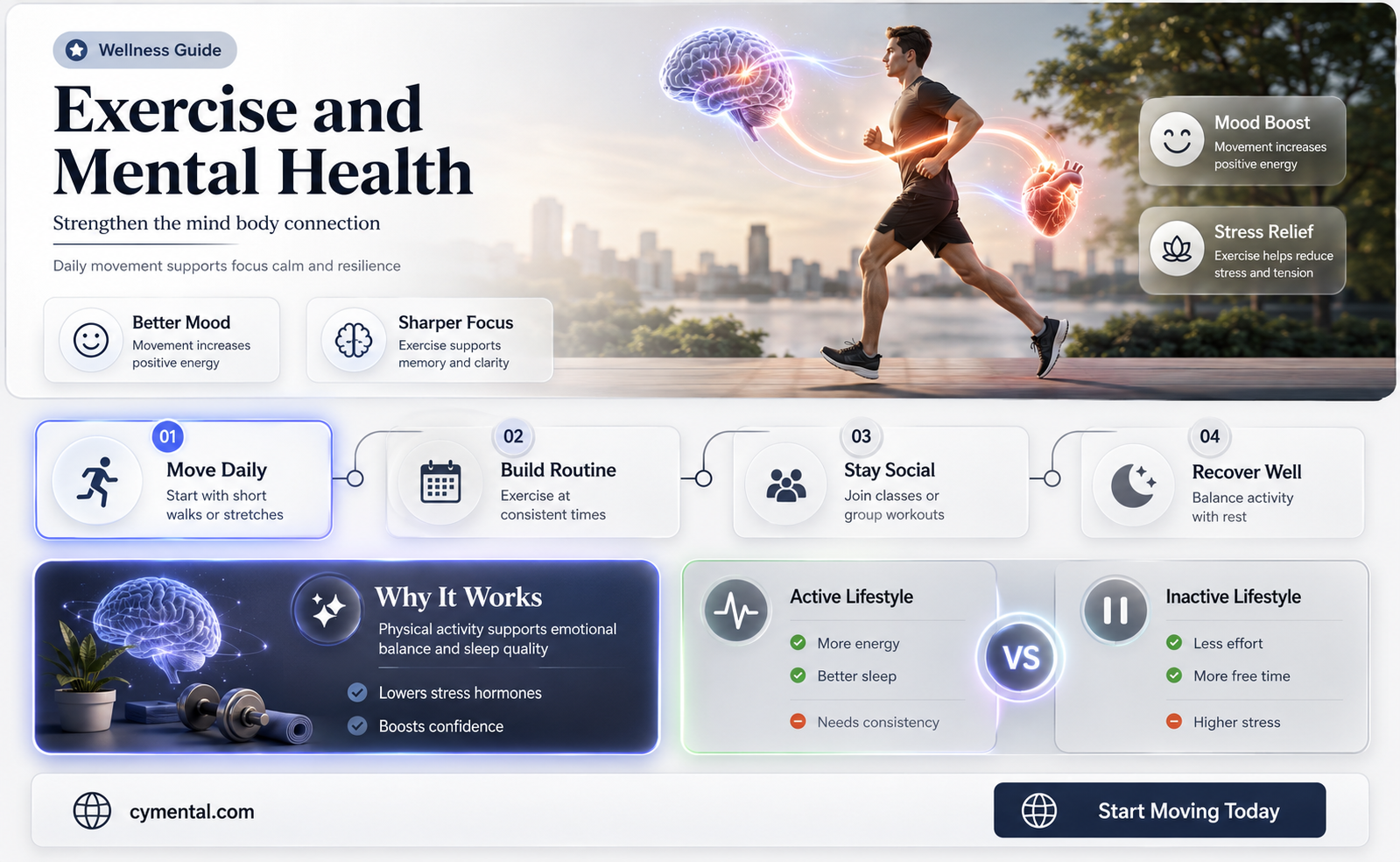
Regular physical activity has been widely recognized as a powerful tool for improving mental health, with numerous studies highlighting its positive effects on mood, stress reduction, and overall well-being. Engaging in workouts, whether it’s aerobic exercises like running or strength training, triggers the release of endorphins, often referred to as feel-good hormones, which can alleviate symptoms of anxiety and depression. Additionally, exercise promotes better sleep, boosts self-esteem, and provides a healthy outlet for managing stress. Beyond the biochemical benefits, the structured nature of working out can offer a sense of accomplishment and routine, which is particularly beneficial for individuals struggling with mental health challenges. As such, incorporating physical activity into one's lifestyle is increasingly seen as a complementary strategy for enhancing mental health alongside traditional therapies.
| Characteristics | Values |
|---|---|
| Reduces Stress | Exercise lowers cortisol levels and increases endorphins, reducing stress. |
| Improves Mood | Physical activity boosts serotonin, dopamine, and norepinephrine, enhancing mood. |
| Alleviates Anxiety | Regular exercise reduces symptoms of anxiety by promoting relaxation. |
| Combats Depression | Exercise is as effective as medication or therapy for mild to moderate depression. |
| Enhances Cognitive Function | Increases blood flow to the brain, improving memory, focus, and decision-making. |
| Boosts Self-Esteem | Achieving fitness goals improves body image and self-confidence. |
| Improves Sleep Quality | Regular physical activity regulates sleep patterns and reduces insomnia. |
| Reduces Symptoms of ADHD | Exercise increases dopamine, norepinephrine, and serotonin, improving focus in ADHD. |
| Lowers Risk of Cognitive Decline | Physical activity reduces the risk of dementia and Alzheimer's disease. |
| Promotes Social Interaction | Group exercises or team sports foster social connections, reducing loneliness. |
| Regulates Emotions | Exercise helps manage emotional responses by balancing brain chemicals. |
| Increases Resilience | Regular physical activity builds mental toughness and coping mechanisms. |
| Reduces PTSD Symptoms | Exercise helps manage PTSD symptoms by reducing hyperarousal and anxiety. |
| Improves Overall Mental Well-being | Consistent exercise is linked to lower rates of mental health disorders. |
| Recommended Duration | 150 minutes of moderate aerobic activity or 75 minutes of vigorous activity weekly. |
Explore related products

$6.79 $14.99

$14.97

$10.6 $19.99


What You'll Learn
- Exercise and Stress Reduction: Physical activity lowers cortisol, reduces tension, and promotes relaxation
- Mood Enhancement: Releases endorphins, boosts serotonin, and improves overall emotional well-being
- Anxiety Management: Regular workouts reduce symptoms, increase resilience, and calm the mind
- Cognitive Benefits: Enhances focus, memory, and brain function through increased blood flow
- Social Connection: Group exercises foster community, reduce loneliness, and improve mental health

Exercise and Stress Reduction: Physical activity lowers cortisol, reduces tension, and promotes relaxation
Stress, an inevitable companion in modern life, often manifests physically—tightened muscles, rapid heartbeat, and a mind racing with worries. Exercise, however, offers a counterbalance by directly targeting the body’s stress response. When you engage in physical activity, your body releases endorphins, often called "feel-good" hormones, which act as natural painkillers and mood elevators. Simultaneously, exercise reduces cortisol, the primary stress hormone, by signaling to your brain that the perceived threat has passed. For instance, a 30-minute brisk walk or a moderate jog can lower cortisol levels by up to 15%, according to studies. This biochemical shift not only alleviates immediate tension but also builds resilience against future stressors.
To harness these benefits, consistency is key. Aim for at least 150 minutes of moderate aerobic exercise or 75 minutes of vigorous activity weekly, as recommended by the World Health Organization. For those short on time, even three 10-minute sessions of high-intensity interval training (HIIT) can yield significant stress-reducing effects. Incorporate activities you enjoy—whether dancing, swimming, or cycling—to ensure sustainability. Pairing exercise with mindfulness practices, such as focusing on your breath during a run, amplifies relaxation by grounding you in the present moment.
Age and fitness level play a role in how you approach stress-reducing exercise. Younger adults might benefit from high-energy workouts like kickboxing or spin classes, which provide an outlet for pent-up tension. Older adults or those with physical limitations can opt for low-impact activities like yoga or tai chi, which combine movement with relaxation techniques. For example, a 2020 study found that seniors practicing tai chi for 60 minutes, three times a week, experienced a 20% reduction in perceived stress levels.
Practical tips can enhance the stress-relieving power of exercise. Schedule workouts during peak stress times—like mid-afternoon slumps or after work—to break the tension cycle. Use music strategically; upbeat playlists during cardio sessions can boost motivation, while calming tunes during cool-downs promote relaxation. Hydration and proper nutrition also play a role; dehydration and low blood sugar can exacerbate stress, so drink water and eat a balanced snack before exercising.
Incorporating exercise into your stress management toolkit isn’t about achieving peak fitness—it’s about reclaiming control over your mental state. By lowering cortisol, reducing muscle tension, and fostering relaxation, physical activity becomes a proactive way to dismantle stress before it overwhelms. Start small, stay consistent, and let movement be your ally in cultivating a calmer, more resilient mind.
Supporting Loved Ones: Strategies to Assist Those Denying Mental Health Struggles
You may want to see also
Explore related products




Mood Enhancement: Releases endorphins, boosts serotonin, and improves overall emotional well-being
Exercise is a powerful tool for enhancing mood, and its effects can be both immediate and long-lasting. At the heart of this phenomenon are endorphins, often referred to as the body’s "feel-good" hormones. Released during physical activity, endorphins act as natural painkillers and trigger positive feelings, creating what many describe as a "runner’s high." This surge in endorphins can provide instant relief from stress, anxiety, and even mild depression, making a 30-minute jog or an intense weightlifting session more than just a physical endeavor—it’s a mental reset.
To maximize endorphin release, aim for moderate to high-intensity workouts lasting at least 20–30 minutes. Activities like running, swimming, cycling, or high-intensity interval training (HIIT) are particularly effective. For those new to exercise, starting with shorter durations and gradually increasing intensity can still yield mood-boosting benefits. Consistency is key; incorporating these workouts 3–5 times per week can create a sustained elevation in mood over time.
Beyond endorphins, exercise significantly impacts serotonin, a neurotransmitter crucial for regulating mood, sleep, and appetite. Chronic stress and depression are often linked to low serotonin levels, but physical activity stimulates its production. Studies show that aerobic exercises, such as brisk walking or dancing, can increase serotonin activity in the brain. Even low-impact activities like yoga or tai chi, which combine movement with mindfulness, have been proven to enhance serotonin levels and improve emotional well-being.
For optimal serotonin benefits, combine aerobic exercise with strength training. A balanced routine might include 150 minutes of moderate aerobic activity and 2–3 days of muscle-strengthening exercises weekly, as recommended by the World Health Organization. Additionally, outdoor workouts can amplify these effects, as exposure to natural light further boosts serotonin production.
The cumulative impact of these biochemical changes is a profound improvement in overall emotional well-being. Regular exercise fosters resilience to stress, enhances self-esteem, and promotes a sense of accomplishment. For individuals struggling with mental health challenges, it can serve as a complementary therapy, reducing symptoms of anxiety and depression. A study published in *JAMA Psychiatry* found that physical activity of any intensity was associated with lower mental health burdens, highlighting its accessibility and effectiveness across age groups and fitness levels.
Practical tips for integrating mood-enhancing exercise into daily life include scheduling workouts as non-negotiable appointments, finding activities you genuinely enjoy, and tracking progress to stay motivated. For older adults or those with physical limitations, gentle exercises like water aerobics or chair yoga can still deliver significant mental health benefits. The goal is not perfection but consistency, as even small steps toward an active lifestyle can lead to substantial improvements in mood and emotional resilience.
Supporting Mental Health: Effective Ways to Help a Loved One in Need
You may want to see also
Explore related products


Anxiety Management: Regular workouts reduce symptoms, increase resilience, and calm the mind
Regular physical activity is a powerful tool in the battle against anxiety, offering a natural and accessible way to alleviate symptoms and foster mental resilience. Numerous studies have shown that exercise can be as effective as medication or therapy in reducing anxiety, providing a holistic approach to managing this common mental health challenge. The key lies in understanding the science behind this connection and implementing a consistent workout routine tailored to individual needs.
The Science of Exercise and Anxiety Relief
When you engage in physical activity, your brain undergoes a series of chemical changes that directly impact your mood and anxiety levels. Exercise stimulates the release of neurotransmitters like serotonin, norepinephrine, and dopamine, which are crucial for regulating emotions and promoting feelings of well-being. For instance, serotonin, often referred to as the 'feel-good' hormone, helps reduce anxiety and improves mood. A study published in the *Journal of Psychiatric Research* found that exercise can increase serotonin levels, leading to a significant reduction in anxiety symptoms. Additionally, exercise promotes neuroplasticity, encouraging the growth of new brain cells and connections, which can enhance emotional resilience over time.
Practical Workout Strategies for Anxiety Management
Incorporating regular workouts into your routine doesn't necessarily mean intense gym sessions. Moderate-intensity exercises like brisk walking, swimming, or cycling for 30 minutes, 3-5 times a week, can be highly effective. For instance, a study by the *American Psychological Association* suggested that even a single session of moderate-intensity exercise can provide immediate anxiety relief, with effects lasting up to 2 hours post-workout. Consistency is key; aim for a routine that you can sustain over time. Consider activities you enjoy to increase adherence. For those with busy schedules, high-intensity interval training (HIIT) can be a time-efficient option, offering similar benefits in shorter durations.
Mind-Body Connection: Yoga and Mindful Movement
Yoga and mindful movement practices deserve special mention in anxiety management. These activities combine physical exercise with breath control and mindfulness, addressing both the physical and mental aspects of anxiety. A study in the *Journal of Clinical Psychology* found that yoga significantly reduced symptoms of anxiety and improved overall mood. The focus on deep breathing and present-moment awareness in yoga helps calm the mind, reduce stress hormones, and promote a sense of tranquility. Starting with basic poses and gradually progressing can make yoga accessible to all fitness levels.
Long-Term Benefits and Lifestyle Integration
The benefits of exercise for anxiety management extend beyond the immediate post-workout period. Regular physical activity can lead to long-term reductions in anxiety symptoms and improve overall mental health. It empowers individuals by providing a sense of control and achievement, which is particularly valuable for those struggling with anxiety. To maximize these benefits, consider the following:
- Set Realistic Goals: Start with achievable workout goals and gradually increase intensity and duration.
- Variety is Key: Mix different types of exercises to keep your routine engaging and target various aspects of fitness.
- Track Progress: Monitor your anxiety levels and overall mood over time to observe the positive changes.
- Combine with Other Strategies: Exercise is most effective when complemented with other anxiety management techniques like therapy, meditation, or social support.
In the journey of anxiety management, regular workouts emerge as a potent and accessible tool. By understanding the science, adopting practical strategies, and embracing the mind-body connection, individuals can harness the power of physical activity to reduce anxiety symptoms, build resilience, and cultivate a calmer mind. This holistic approach not only addresses immediate concerns but also contributes to long-term mental well-being.
Social Media's Role in Supporting Mental Health and Well-being
You may want to see also
Explore related products


Cognitive Benefits: Enhances focus, memory, and brain function through increased blood flow
Exercise isn't just about building muscle or shedding pounds. It's a powerful tool for sharpening your mind. When you engage in physical activity, your heart pumps faster, increasing blood flow to your brain. This surge in oxygen and nutrient delivery acts like a natural fertilizer for your neurons, fostering an environment conducive to improved cognitive function.
Think of it as giving your brain a refreshing shower, washing away mental cobwebs and leaving it energized and ready to tackle challenges.
This increased blood flow translates to tangible cognitive benefits. Studies show that regular exercise, particularly aerobic activities like brisk walking, swimming, or cycling, can significantly enhance focus and concentration. Imagine being able to sustain attention during long meetings or power through complex tasks without feeling mentally drained. Exercise helps achieve this by boosting levels of neurotransmitters like dopamine and norepinephrine, which play crucial roles in attention and alertness.
Aim for at least 150 minutes of moderate-intensity aerobic exercise or 75 minutes of vigorous-intensity aerobic exercise per week, as recommended by the World Health Organization, to reap these cognitive rewards.
But the benefits don't stop at focus. Exercise also strengthens memory formation and retrieval. Physical activity stimulates the production of brain-derived neurotrophic factor (BDNF), a protein that promotes the growth and survival of neurons, particularly in the hippocampus, a region vital for memory. This means that hitting the gym or going for a run isn't just good for your body; it's like giving your memory a workout too, helping you remember names, dates, and important information more effectively.
The cognitive benefits of exercise extend beyond the immediate post-workout glow. Regular physical activity has been linked to long-term brain health, potentially reducing the risk of cognitive decline and neurodegenerative diseases like Alzheimer's. Think of it as investing in your brain's future, ensuring its resilience and functionality as you age. So, lace up your sneakers and embrace the power of movement – your brain will thank you for it.
Moving Out: A Mental Health Boost or Added Stress?
You may want to see also
Explore related products


Social Connection: Group exercises foster community, reduce loneliness, and improve mental health
Human beings are inherently social creatures, and our mental health thrives on meaningful connections. Group exercises tap into this fundamental need, offering a powerful antidote to the loneliness and isolation that often exacerbate mental health struggles.
Imagine a bustling park at dawn, where a group of runners, united by a shared goal, push through the morning chill. Their synchronized strides and shared encouragement create a sense of belonging, a community forged through sweat and shared effort. This isn't just a workout; it's a social experience, a reminder that we're not alone in our struggles.
Research backs this up. Studies show that group exercise participants report significantly lower levels of loneliness and depression compared to those who exercise solo. The social interaction, the shared laughter, the collective achievement – these elements create a potent cocktail for mental well-being. Think of it as a natural mood booster, delivered through endorphins and camaraderie.
For those struggling with anxiety or depression, the structured environment of a group class can be particularly beneficial. The predictability of the routine, the guidance of an instructor, and the support of fellow participants can provide a sense of control and safety, allowing individuals to focus on the present moment and experience the therapeutic benefits of movement.
But how much is enough? While any amount of social connection is beneficial, aiming for at least two group exercise sessions per week can provide a significant boost to mental health. This could be a yoga class, a team sport, a walking group, or even a dance fitness session. The key is consistency and finding an activity that resonates with your interests and fitness level.
Remember, group exercise isn't just about physical transformation; it's about building a community, fostering connections, and nurturing your mental well-being. So, lace up your sneakers, find your tribe, and experience the transformative power of shared movement. Your mind will thank you.
Supporting Mental Health: Compassionate Ways to Help a Loved One
You may want to see also
Frequently asked questions
Yes, working out has been shown to significantly improve mental health by reducing symptoms of anxiety, depression, and stress. Physical activity releases endorphins, which are natural mood lifters, and promotes better sleep and self-esteem.
Aim for at least 30 minutes of moderate exercise, 3-5 times a week. Even small amounts of activity, like a 10-minute walk, can provide immediate mood boosts, while consistent exercise yields long-term mental health benefits.
Any form of physical activity can help, but aerobic exercises like walking, running, swimming, and cycling are particularly effective. Yoga and mindfulness-based movements are also great for reducing stress and improving mental clarity.
While exercise is a powerful tool for improving mental health, it should not replace professional treatment like therapy or medication for severe conditions. It can, however, complement these treatments and enhance overall well-being.