Lucas Bennett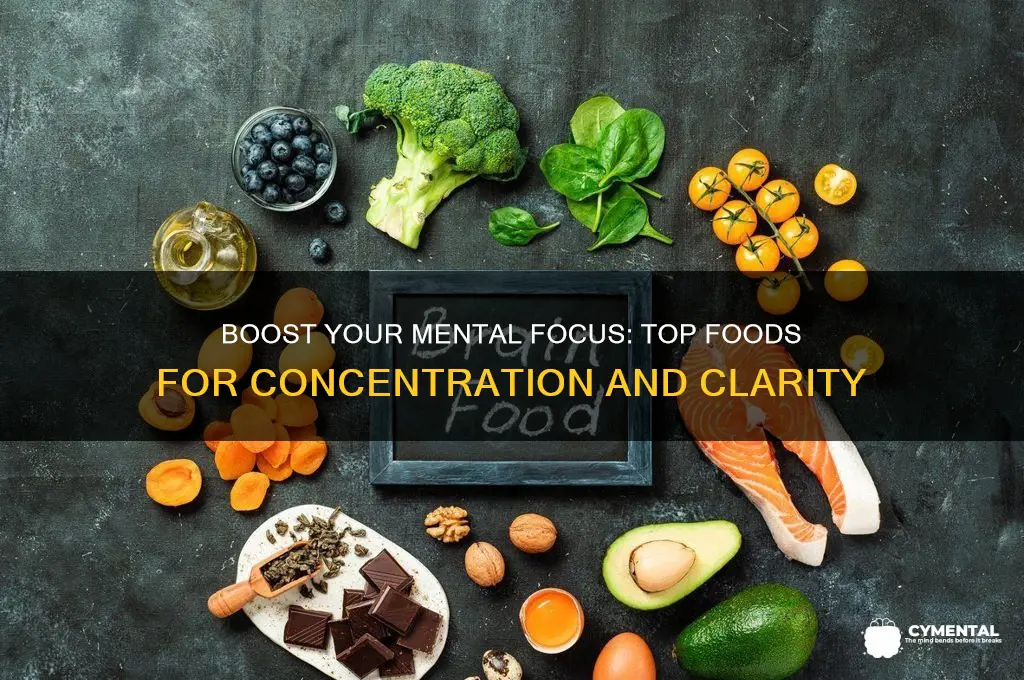
Maintaining mental focus and clarity is essential for productivity and overall well-being, and incorporating certain foods into your diet can significantly support cognitive function. Foods rich in omega-3 fatty acids, such as salmon, walnuts, and flaxseeds, are known to enhance brain health and improve concentration. Antioxidant-packed berries, like blueberries and strawberries, protect the brain from oxidative stress, while leafy greens like spinach and kale provide essential nutrients like folate and vitamin K, which are linked to better cognitive performance. Additionally, whole grains and complex carbohydrates, such as quinoa and oats, supply a steady stream of glucose to the brain, ensuring sustained energy and focus throughout the day. Including these nutrient-dense foods in your meals can help sharpen your mind and boost mental clarity.
| Characteristics | Values |
|---|---|
| Fatty Fish (e.g., Salmon, Trout) | Rich in omega-3 fatty acids (DHA and EPA), which support brain health and cognitive function. |
| Blueberries | High in antioxidants (anthocyanins) that improve memory and cognitive aging. |
| Turmeric | Contains curcumin, which boosts memory and mood by reducing inflammation and oxidative stress. |
| Broccoli | Packed with antioxidants and vitamin K, essential for memory and brain health. |
| Pumpkin Seeds | High in magnesium, zinc, and iron, which enhance memory, learning, and overall brain function. |
| Dark Chocolate (70%+ Cocoa) | Contains flavonoids, caffeine, and antioxidants that improve focus and cognitive performance. |
| Eggs | Rich in choline, vitamins B6 and B12, which support brain development and neurotransmitter function. |
| Green Tea | Contains L-theanine and caffeine, which improve alertness, focus, and cognitive performance. |
| Nuts (e.g., Almonds, Walnuts) | High in healthy fats, antioxidants, and vitamin E, which protect the brain from oxidative stress. |
| Oranges | Rich in vitamin C, which reduces mental decline and supports overall brain health. |
| Whole Grains (e.g., Oats, Quinoa) | Provide steady glucose release, ensuring consistent energy and focus throughout the day. |
| Avocados | High in healthy fats and vitamin K, which support brain health and cognitive function. |
| Rosemary | Contains carnosic acid, which improves memory and cognitive performance. |
| Water | Proper hydration is essential for maintaining focus, memory, and overall cognitive function. |
| Probiotics (e.g., Yogurt, Kefir) | Support gut health, which is linked to improved mood, focus, and cognitive function. |
Explore related products


What You'll Learn
- Omega-3 Rich Foods: Fish, flaxseeds, walnuts boost brain health, enhancing cognitive function and concentration
- Antioxidant-Packed Berries: Blueberries, strawberries protect brain cells, improving memory and focus
- Complex Carbohydrates: Whole grains provide steady energy, supporting sustained mental clarity
- Protein Sources: Eggs, lean meats, tofu deliver amino acids essential for neurotransmitter production
- Hydration and Focus: Water and herbal teas maintain cognitive performance by preventing dehydration

Omega-3 Rich Foods: Fish, flaxseeds, walnuts boost brain health, enhancing cognitive function and concentration
Omega-3 fatty acids are the unsung heroes of brain health, and incorporating them into your diet can significantly enhance mental focus and cognitive function. Found abundantly in fish like salmon, mackerel, and sardines, these essential fats are critical for maintaining the structure of brain cells and promoting neural communication. For those who prefer plant-based options, flaxseeds and walnuts offer a robust alternative, ensuring that everyone can access these cognitive benefits. But how exactly do these foods translate into sharper focus and better concentration?
Consider the science: Omega-3s, particularly EPA and DHA, are integral to the brain’s gray matter, which governs decision-making, memory, and attention. Studies suggest that a daily intake of 250–500 mg of combined EPA and DHA can support cognitive performance, especially in adults over 50. For practical application, aim for two servings of fatty fish per week or incorporate a tablespoon of ground flaxseeds into your morning smoothie. Walnuts, rich in alpha-linolenic acid (ALA), can be a convenient snack—a handful (about 14 halves) provides 2.5 grams of ALA, contributing to your daily Omega-3 needs.
While fish is a direct source of EPA and DHA, plant-based options like flaxseeds and walnuts provide ALA, which the body converts to EPA and DHA, albeit less efficiently. This distinction matters for vegetarians or vegans, who may need to consume larger quantities of ALA-rich foods or consider algae-based supplements to meet their Omega-3 requirements. Pairing these foods with sources of vitamin C, like citrus fruits or bell peppers, can enhance ALA absorption, making your diet work harder for your brain.
Incorporating Omega-3-rich foods into your daily routine doesn’t require a drastic overhaul. Start small: swap your usual snack for a handful of walnuts, sprinkle flaxseeds on yogurt, or grill salmon for dinner. For children and teens, whose brains are still developing, Omega-3s are equally vital—offer them walnut-crusted chicken or flaxseed-infused pancakes to make brain-boosting nutrition appealing. Consistency is key; regular intake ensures a steady supply of these essential fats to support long-term cognitive health.
Finally, while Omega-3s are powerful, they’re not a standalone solution. Pair them with a balanced diet rich in antioxidants, vitamins, and minerals for optimal brain function. For those with specific health conditions or dietary restrictions, consulting a nutritionist can provide tailored guidance. By prioritizing Omega-3-rich foods, you’re not just eating for today—you’re investing in a sharper, more focused tomorrow.
Finding Support: A Guide to Getting Help for Schizophrenia
You may want to see also
Explore related products




Antioxidant-Packed Berries: Blueberries, strawberries protect brain cells, improving memory and focus
Berries, particularly blueberries and strawberries, are not just delicious snacks but also powerful allies in enhancing mental focus and cognitive function. These small fruits are packed with antioxidants, which play a crucial role in protecting brain cells from oxidative stress and inflammation. Studies have shown that regular consumption of berries can improve memory, attention, and overall brain health. For instance, a study published in the *Annals of Neurology* found that women who consumed more blueberries and strawberries experienced a slower rate of cognitive decline compared to those who consumed fewer berries.
To harness the brain-boosting benefits of berries, consider incorporating them into your daily diet in practical ways. Start by adding a handful of blueberries or sliced strawberries to your morning oatmeal, yogurt, or smoothie. For a mid-day snack, pair berries with nuts or seeds for a balanced mix of antioxidants and healthy fats. Aim for at least one cup of berries per day to maximize their cognitive benefits. For children and older adults, who may have smaller appetites, even half a cup can make a difference. The key is consistency—making berries a regular part of your diet ensures a steady supply of their protective compounds.
While berries are beneficial, it’s important to note that their effects are most pronounced when combined with a balanced diet and healthy lifestyle. Antioxidants in berries work synergistically with other nutrients like omega-3 fatty acids (found in fish and flaxseeds) and vitamins (such as vitamin E in nuts and seeds). Avoid relying solely on berries for cognitive health; instead, view them as a complementary component of a brain-friendly diet. Additionally, opt for fresh or frozen berries over dried or processed versions, as the latter often contain added sugars that can counteract their benefits.
For those seeking a more targeted approach, consider incorporating berry extracts or supplements, particularly if fresh berries are not readily available. However, consult a healthcare provider before starting any supplement regimen, especially for children, pregnant women, or individuals with underlying health conditions. While supplements can be convenient, they should not replace whole berries, as the latter provide fiber and other nutrients that contribute to overall health. Ultimately, the simplicity and accessibility of adding berries to your diet make them an easy yet impactful way to support mental focus and brain longevity.
Teen Mental Health Support: Confidential Options Without Parental Involvement
You may want to see also
Explore related products




Complex Carbohydrates: Whole grains provide steady energy, supporting sustained mental clarity
Whole grains are the unsung heroes of mental focus, offering a steady stream of energy that fuels the brain without the crashes associated with refined carbohydrates. Unlike their processed counterparts, whole grains like oats, quinoa, and brown rice retain their fiber, vitamins, and minerals, which slow digestion and provide a gradual release of glucose into the bloodstream. This consistent energy supply is crucial for maintaining concentration over extended periods, making whole grains a cornerstone of any diet aimed at enhancing mental clarity.
Incorporating whole grains into your daily meals doesn’t require a culinary overhaul. Start with simple swaps: replace white bread with whole-grain varieties, opt for brown rice instead of white, or begin your day with a bowl of oatmeal topped with nuts and seeds. For those with busy schedules, pre-cooked quinoa or whole-grain wraps can be convenient options. Aim for at least three servings of whole grains daily, as recommended by dietary guidelines, to ensure your brain receives the sustained fuel it needs to perform optimally.
The science behind whole grains’ impact on mental focus lies in their low glycemic index (GI), which prevents rapid spikes and drops in blood sugar levels. Fluctuations in blood sugar can lead to fatigue, irritability, and difficulty concentrating—common obstacles to productivity. By stabilizing blood sugar, whole grains help maintain a steady cognitive pace, particularly beneficial during tasks requiring prolonged attention, such as studying or problem-solving. Studies have shown that individuals who consume whole grains regularly report improved focus and mental stamina compared to those relying on refined carbs.
However, not all whole grains are created equal. Refined grains stripped of their bran and germ lose their nutritional value, so it’s essential to read labels carefully. Look for terms like “100% whole wheat,” “whole oats,” or “brown rice” to ensure you’re getting the full spectrum of benefits. Additionally, pairing whole grains with protein and healthy fats, such as avocado or Greek yogurt, can further enhance their ability to sustain energy and focus by slowing digestion even more.
For parents and caregivers, introducing whole grains into children’s diets can set the foundation for better focus and academic performance. Swap sugary cereals for whole-grain options like shredded wheat or barley porridge, and pack whole-grain sandwiches or wraps for lunch. Teens and adults alike can benefit from keeping whole-grain snacks on hand, such as popcorn (air-popped, not drenched in butter) or whole-grain crackers, to combat mid-afternoon slumps without derailing mental clarity.
In essence, whole grains are a practical and powerful tool for anyone seeking to enhance their mental focus. By providing a steady, reliable energy source, they support sustained cognitive function without the drawbacks of refined carbs. With a few mindful adjustments to your diet, you can harness the full potential of complex carbohydrates, ensuring your brain stays sharp and engaged throughout the day.
Iowa Mental Health Laws: Can You Force Someone to Get Help?
You may want to see also
Explore related products


Protein Sources: Eggs, lean meats, tofu deliver amino acids essential for neurotransmitter production
Amino acids, the building blocks of proteins, are the unsung heroes of mental focus. Among them, tyrosine and tryptophan stand out for their role in producing dopamine and serotonin, neurotransmitters critical for attention and mood regulation. Eggs, lean meats, and tofu are not just protein sources; they are direct suppliers of these essential amino acids, bypassing the body’s need to synthesize them from incomplete proteins. For instance, a single large egg provides 6.3 grams of high-quality protein, including all nine essential amino acids, making it a compact, cost-effective brain fuel.
Consider this practical approach: start your day with a scrambled egg breakfast, pair grilled chicken breast with quinoa at lunch, and incorporate tofu stir-fry for dinner. This distribution ensures a steady amino acid supply throughout the day, supporting sustained neurotransmitter production. For vegetarians or vegans, tofu’s 10 grams of protein per half-cup serving makes it a reliable alternative, especially when fortified with vitamin B12, another focus-critical nutrient often lacking in plant-based diets.
However, not all proteins are created equal. Processed meats, while protein-rich, often contain additives like nitrates that can impair blood flow to the brain, counteracting focus benefits. Opt for lean cuts like turkey, chicken, or grass-fed beef, which minimize saturated fats and maximize amino acid bioavailability. Similarly, choose organic or pasture-raised eggs to ensure higher omega-3 fatty acid content, synergizing protein’s effects with cognitive-enhancing fats.
A cautionary note: excessive protein intake can lead to nutrient imbalances, particularly if it displaces carbohydrates, which are the brain’s primary energy source. Aim for a balanced macronutrient ratio, such as 20-30% protein, 45-65% carbs, and 20-35% fats, tailored to age and activity level. For example, adolescents and athletes may require higher protein doses (1.2-1.7 g/kg body weight) to support both physical and mental demands, while older adults should focus on maintaining muscle mass without overburdening the kidneys.
In conclusion, eggs, lean meats, and tofu are more than dietary staples—they are strategic tools for sharpening mental focus. By prioritizing these protein sources and mindful consumption, you can optimize neurotransmitter production, ensuring your brain operates at peak efficiency. Pair this approach with hydration, regular exercise, and adequate sleep for a holistic focus-enhancing regimen.
Laughter Therapy: Unlocking Mental Health Benefits Through Joy and Humor
You may want to see also
Explore related products


Hydration and Focus: Water and herbal teas maintain cognitive performance by preventing dehydration
Dehydration, even as mild as 2%, impairs cognitive performance, affecting attention, memory, and mood. The brain is 75% water, and its function relies on proper hydration to maintain neurotransmitter balance and energy production. While coffee and energy drinks are go-to focus aids, their diuretic effects can backtrack progress if not balanced with water intake. Adults should aim for 8–10 cups (2–2.5 liters) of fluid daily, adjusting for activity level, climate, and health conditions like pregnancy or illness.
Herbal teas, particularly those with rosemary, peppermint, or lemon balm, offer a dual benefit: hydration plus cognitive-enhancing compounds. Rosemary tea, for instance, contains carnosic acid, linked to improved memory and focus in studies. Peppermint tea boosts alertness by stimulating the central nervous system, while lemon balm reduces anxiety without sedation, sharpening mental clarity. Steep 1–2 teaspoons of dried herbs in hot water for 5–10 minutes, consuming 2–3 cups daily to complement plain water intake.
Practical tips for consistent hydration include carrying a reusable water bottle with time markers, setting hourly reminders, and infusing water with cucumber, berries, or citrus for flavor without added sugar. For tea drinkers, alternating herbal options throughout the day prevents palate fatigue and ensures sustained focus. Athletes or those in hot climates should add an extra 1–2 cups of fluid per hour of activity and consider electrolyte-rich herbal blends like nettle or dandelion tea to replace lost minerals.
Children and older adults require tailored approaches. Kids aged 5–8 need 5 cups of fluid daily, while teens and adults over 65 should match the general 8–10 cup guideline. For older adults, who often have diminished thirst sensation, pairing hydration with routine activities (e.g., drinking a cup of tea with meals) ensures consistency. Parents can encourage kids to drink by offering herbal teas like rooibos, naturally caffeine-free and slightly sweet, as a healthier alternative to sugary drinks.
While water and herbal teas are foundational, overhydration is rare but possible, particularly with excessive tea consumption. Limit herbal tea intake to 3–4 cups daily, as some herbs (e.g., licorice root) can cause side effects in large amounts. Always consult a healthcare provider if you have kidney issues or are taking diuretic medications. Ultimately, hydration is not just about quantity but consistency—small, regular sips throughout the day outperform sporadic gulping for sustained cognitive performance.
Seeking Support: A Guide to Accessing Mental Health Assistance
You may want to see also
Frequently asked questions
Foods rich in omega-3 fatty acids (e.g., salmon, walnuts, flaxseeds), antioxidants (e.g., blueberries, dark chocolate), and complex carbohydrates (e.g., whole grains, quinoa) can enhance mental focus by supporting brain health and stable energy levels.
Omega-3 fatty acids are essential for brain function, as they help build cell membranes and reduce inflammation. They support cognitive processes like memory and concentration, making them crucial for maintaining mental focus.
Yes, moderate caffeine intake from sources like coffee, tea, or dark chocolate can temporarily enhance focus and alertness. However, excessive caffeine may lead to jitters or crashes, so it’s best to consume it in moderation and pair it with foods that provide sustained energy, like nuts or fruits.
Yes, snacks combining protein and healthy fats, such as Greek yogurt with berries, almond butter on apple slices, or a handful of mixed nuts and seeds, can provide sustained energy and nutrients that support focus and cognitive function.