Madison Cole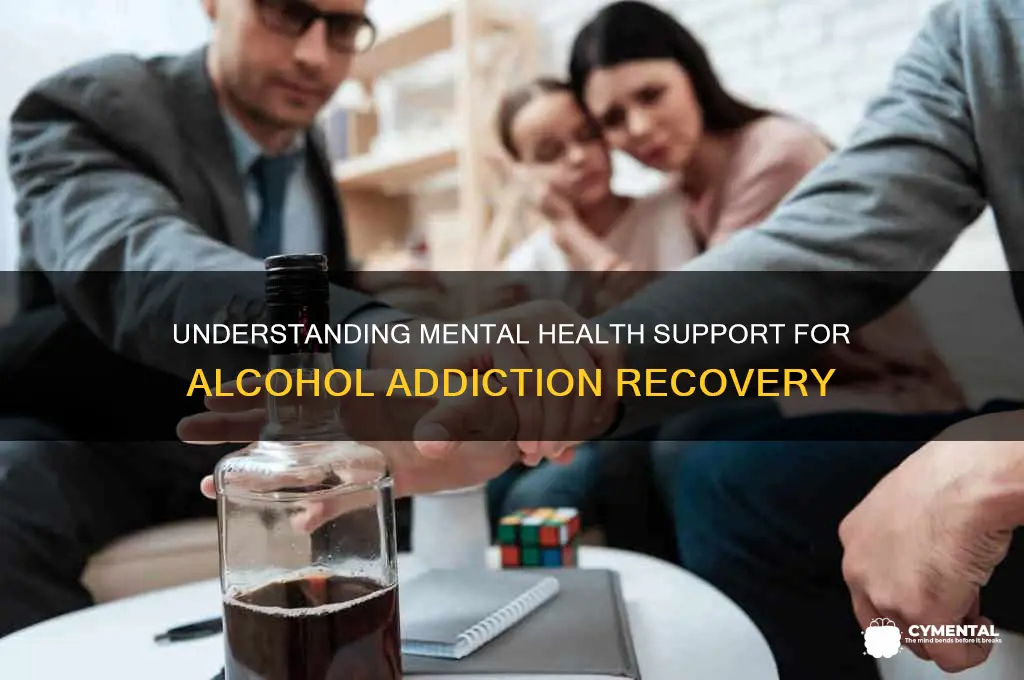
Mental health support for alcohol-related issues is a critical aspect of addressing the complex interplay between substance use and psychological well-being. It encompasses a range of therapeutic interventions, counseling, and support systems designed to help individuals struggling with alcohol dependence or abuse. This support often includes strategies to manage cravings, cope with triggers, and address underlying mental health conditions such as anxiety, depression, or trauma that may contribute to alcohol misuse. By integrating mental health care with addiction treatment, individuals can develop healthier coping mechanisms, improve emotional resilience, and work toward long-term recovery. This holistic approach not only focuses on reducing alcohol consumption but also on fostering overall mental and emotional stability.
| Characteristics | Values |
|---|---|
| Definition | Mental help for alcohol refers to therapeutic interventions and support aimed at addressing alcohol-related issues, including addiction, dependence, and co-occurring mental health disorders. |
| Types of Therapy | Cognitive Behavioral Therapy (CBT), Dialectical Behavior Therapy (DBT), Motivational Interviewing (MI), and family therapy. |
| Professional Support | Psychiatrists, psychologists, counselors, and addiction specialists. |
| Medication-Assisted Treatment (MAT) | Medications like Naltrexone, Acamprosate, and Disulfiram to reduce cravings and prevent relapse. |
| Support Groups | Alcoholics Anonymous (AA), SMART Recovery, and other peer support groups. |
| Holistic Approaches | Mindfulness, meditation, yoga, and lifestyle changes to support recovery. |
| Dual Diagnosis Treatment | Integrated treatment for co-occurring mental health disorders (e.g., depression, anxiety) and alcohol use disorder. |
| Detoxification | Medically supervised detox to manage withdrawal symptoms safely. |
| Aftercare Programs | Ongoing support post-treatment, including counseling, sober living homes, and relapse prevention planning. |
| Telehealth Services | Virtual therapy and counseling sessions for accessible mental health support. |
| Personalized Treatment Plans | Tailored interventions based on individual needs, severity of addiction, and personal goals. |
| Education and Skill-Building | Teaching coping strategies, stress management, and relapse prevention skills. |
| Family Involvement | Involving family members in therapy to improve support systems and address relational issues. |
| Evidence-Based Practices | Treatments supported by research, such as CBT and MAT, for effective outcomes. |
| Accessibility | Available in outpatient, inpatient, and residential treatment settings. |
| Stigma Reduction | Efforts to reduce societal stigma around seeking help for alcohol-related issues. |
Explore related products


What You'll Learn
- Therapy Options: Counseling, CBT, and group therapy for alcohol addiction recovery and mental health support
- Medication Assistance: Prescribed medications to reduce cravings and manage withdrawal symptoms effectively
- Support Groups: Peer support through AA, SMART Recovery, and other community-based programs
- Dual Diagnosis: Treating co-occurring mental health disorders alongside alcohol use disorder
- Holistic Approaches: Mindfulness, yoga, and lifestyle changes to aid mental and physical healing

Therapy Options: Counseling, CBT, and group therapy for alcohol addiction recovery and mental health support
Alcohol addiction often intertwines with mental health struggles, creating a complex web that requires targeted, multifaceted intervention. Therapy stands as a cornerstone in this process, offering structured pathways to recovery. Among the most effective approaches are counseling, Cognitive Behavioral Therapy (CBT), and group therapy, each addressing distinct aspects of addiction and mental health.
Counseling: Unraveling the Root Causes
Individual counseling serves as a private, judgment-free space where individuals can explore the underlying triggers of their alcohol use. A trained therapist employs techniques like motivational interviewing to enhance readiness for change and psychodynamic therapy to uncover past traumas or unresolved conflicts. For instance, a 35-year-old professional might discover that workplace stress and childhood neglect fuel their reliance on alcohol. Sessions typically last 45–60 minutes, with weekly meetings recommended for the first 3–6 months, tapering off as progress stabilizes. Practical tips include keeping a journal to track emotions and triggers, and setting small, achievable goals between sessions.
CBT: Rewiring Thought Patterns
Cognitive Behavioral Therapy (CBT) is a goal-oriented, short-term treatment that focuses on identifying and changing destructive thought patterns. It’s particularly effective for alcohol addiction, as it teaches individuals to anticipate high-risk situations and develop coping strategies. For example, someone might learn to replace the thought, “I need a drink to relax,” with, “I can take deep breaths and go for a walk instead.” CBT typically involves 12–20 sessions, each lasting 50–60 minutes. A key takeaway is its emphasis on homework assignments, such as practicing new behaviors in real-life scenarios, which reinforces learning outside the therapy room.
Group Therapy: Harnessing Collective Strength
Group therapy offers a unique advantage: the power of shared experience. Participants meet regularly with a therapist and a small group of peers, fostering a sense of community and accountability. Programs like Alcoholics Anonymous (AA) or SMART Recovery incorporate group dynamics, though professional group therapy sessions are more structured. For instance, a 12-week program might include weekly 90-minute meetings where members discuss challenges, celebrate milestones, and role-play difficult situations. Cautions include ensuring the group is facilitated by a licensed therapist to maintain safety and productivity. A practical tip is to commit to attending at least six sessions before evaluating its effectiveness, as trust and rapport take time to build.
Comparative Analysis and Tailored Approach
While counseling delves into emotional and psychological roots, CBT provides actionable tools for immediate change, and group therapy leverages peer support for sustained recovery. The ideal approach often combines these methods, tailored to the individual’s needs. For example, a 25-year-old with anxiety-driven drinking might start with individual counseling to address anxiety, incorporate CBT to reframe drinking triggers, and join a group for ongoing support. Age, severity of addiction, and co-occurring mental health conditions should guide the selection of therapy options.
Therapy is not a one-size-fits-all solution but a customizable toolkit for alcohol addiction and mental health recovery. By integrating counseling, CBT, and group therapy, individuals can address the emotional, cognitive, and social dimensions of their struggle. Consistency, patience, and openness to trying different modalities are key. Whether you’re seeking help for yourself or a loved one, understanding these options empowers informed decision-making on the journey to healing.
Sleep's Role in Boosting Mental Health and Emotional Well-Being
You may want to see also
Explore related products


Medication Assistance: Prescribed medications to reduce cravings and manage withdrawal symptoms effectively
Prescribed medications play a pivotal role in alcohol addiction treatment by addressing the biological underpinnings of dependency. Drugs like naltrexone, acamprosate, and disulfiram are FDA-approved to reduce cravings and manage withdrawal symptoms. Naltrexone, for instance, blocks opioid receptors in the brain, diminishing the pleasurable effects of alcohol. Acamprosate works by restoring the balance of neurotransmitters disrupted by chronic drinking. Disulfiram, though less commonly used due to its aversive effects, induces severe nausea if alcohol is consumed, acting as a deterrent. These medications are not standalone solutions but are most effective when integrated into a comprehensive treatment plan that includes therapy and support systems.
The administration of these medications requires careful consideration of dosage, patient history, and potential side effects. Naltrexone is typically prescribed at 50 mg daily, while acamprosate is taken as two 333 mg tablets three times a day. Disulfiram dosages range from 125 to 500 mg daily, depending on the individual’s tolerance and response. It’s crucial for healthcare providers to monitor patients regularly, especially during the initial stages of treatment, to adjust dosages and address adverse reactions. For example, naltrexone may cause nausea or headaches, while disulfiram can lead to fatigue or skin rashes. Patients should be educated about these possibilities to ensure adherence and safety.
Comparatively, medication-assisted treatment (MAT) for alcohol use disorder (AUD) differs from approaches like detoxification or behavioral therapy by directly targeting the neurochemical changes caused by addiction. While detoxification focuses on managing acute withdrawal symptoms, and therapy addresses psychological triggers, medications like naltrexone and acamprosate work at the molecular level to reduce cravings and prevent relapse. Studies show that MAT can increase abstinence rates by up to 25% compared to placebo or non-medicated treatments. However, success hinges on patient commitment and a supportive environment, as medications alone cannot address the social or emotional factors contributing to addiction.
Practical tips for patients undergoing medication-assisted treatment include maintaining a consistent schedule to avoid missed doses, keeping a journal to track cravings and side effects, and communicating openly with their healthcare provider. It’s also advisable to avoid triggers like social settings where alcohol is present, especially during the early stages of treatment. For older adults or individuals with comorbidities, dosages may need adjustment to account for slower metabolism or potential drug interactions. Combining medication with mindfulness practices, such as meditation or yoga, can enhance effectiveness by reducing stress, a common relapse trigger.
In conclusion, medication assistance is a scientifically grounded approach to alcohol addiction treatment that complements traditional therapies. By reducing cravings and managing withdrawal symptoms, medications like naltrexone, acamprosate, and disulfiram provide a critical tool for individuals striving for sobriety. However, their success depends on proper administration, patient education, and integration into a holistic treatment plan. For those committed to recovery, these medications offer a tangible path toward reclaiming control over their lives.
Supporting Parkinson's Mental Health: Strategies for Overcoming Daily Challenges
You may want to see also
Explore related products


Support Groups: Peer support through AA, SMART Recovery, and other community-based programs
Alcohol use disorder (AUD) affects millions globally, but recovery often thrives in community. Support groups like Alcoholics Anonymous (AA), SMART Recovery, and others harness the power of shared experience, offering a lifeline to those seeking sobriety. These programs, rooted in peer support, provide a judgment-free space where individuals can connect, learn, and grow together. Unlike clinical settings, they emphasize mutual understanding and collective resilience, making them a cornerstone of mental health support for alcohol-related issues.
AA, founded in 1935, operates on a 12-Step framework that encourages spiritual growth and accountability. Meetings are free, widely available, and structured around personal testimonials and group discussions. Participants often work with a sponsor—a more experienced member—to navigate challenges. While AA’s spiritual undertones may not suit everyone, its longevity and global reach attest to its effectiveness. For instance, studies show that consistent AA attendance correlates with higher abstinence rates, particularly when combined with professional treatment.
SMART Recovery, on the other hand, appeals to those seeking a secular, science-based approach. It focuses on self-empowerment through a 4-Point Program: building motivation, coping with urges, managing thoughts and behaviors, and living a balanced life. Meetings, both in-person and online, are facilitated by trained volunteers and emphasize problem-solving techniques. This program is ideal for individuals who prefer evidence-based strategies over spiritual principles. For example, a 2017 study found that SMART participants reported significant reductions in alcohol consumption and related problems after just three months.
Beyond AA and SMART Recovery, community-based programs like Women for Sobriety and LifeRing Secular Recovery cater to specific needs. Women for Sobriety, for instance, addresses the unique challenges women face in recovery, offering a supportive environment focused on positivity and self-esteem. LifeRing, meanwhile, emphasizes personal responsibility and peer support without any prescribed steps or beliefs. These niche programs highlight the importance of finding a group that aligns with one’s values and preferences, increasing the likelihood of long-term engagement.
To maximize the benefits of support groups, consider these practical tips: attend meetings consistently, even when you feel strong; actively participate by sharing your experiences and listening to others; and complement group involvement with individual therapy or medical treatment if needed. Remember, recovery is a journey, not a destination, and these communities provide the tools and encouragement to navigate it successfully. Whether you choose AA, SMART Recovery, or another program, the collective wisdom and solidarity of peers can be a transformative force in overcoming alcohol-related challenges.
Is It Okay to Decline Help for Mental Illness? Exploring the Choice
You may want to see also
Explore related products



Dual Diagnosis: Treating co-occurring mental health disorders alongside alcohol use disorder
Alcohol use disorder (AUD) rarely travels alone. Up to 50% of individuals with AUD also struggle with a co-occurring mental health disorder, a phenomenon known as dual diagnosis. This complex interplay between substance abuse and mental health conditions creates a vicious cycle, each disorder fueling the other. Anxiety may drive someone to drink for temporary relief, while prolonged alcohol use can exacerbate depressive symptoms. Untangling this knot requires a nuanced approach that addresses both conditions simultaneously.
Simply treating AUD without addressing the underlying mental health issue often leads to relapse. Conversely, focusing solely on mental health neglects the powerful grip of addiction.
The Dual Diagnosis Dilemma: A Tailored Treatment Approach
Effective treatment for dual diagnosis demands an integrated approach. This means a team of professionals – psychiatrists, psychologists, addiction specialists, and social workers – collaborating to create a personalized plan. Medication management is crucial. Antidepressants, anti-anxiety medications, or mood stabilizers may be prescribed to manage mental health symptoms, while medications like naltrexone or acamprosate can help reduce alcohol cravings. However, medication alone is insufficient. Psychotherapy is the cornerstone of treatment. Cognitive-behavioral therapy (CBT) helps individuals identify and change negative thought patterns and behaviors contributing to both disorders. Dialectical behavior therapy (DBT) teaches skills for emotional regulation and distress tolerance, crucial for managing both mental health symptoms and cravings.
For example, a 35-year-old woman with AUD and generalized anxiety disorder might benefit from a combination of CBT to challenge her anxiety-provoking thoughts, medication to manage her anxiety symptoms, and participation in a support group for individuals with dual diagnosis.
Beyond Therapy: Building a Supportive Environment
Recovery from dual diagnosis extends beyond clinical settings. Building a strong support network is vital. Support groups like Double Trouble in Recovery, specifically designed for individuals with co-occurring disorders, provide a safe space for sharing experiences and learning coping strategies. Lifestyle changes are equally important. Regular exercise, healthy eating, and adequate sleep significantly improve mental well-being and reduce cravings. Mindfulness practices like meditation or yoga can help manage stress and anxiety, common triggers for both AUD and mental health issues.
A Journey, Not a Destination
Treating dual diagnosis is a marathon, not a sprint. Relapses may occur, but they are not failures; they are opportunities to learn and adjust the treatment plan. Patience, self-compassion, and a commitment to long-term recovery are essential. With the right support and a comprehensive treatment approach, individuals with dual diagnosis can break free from the cycle of addiction and mental health struggles, reclaiming their lives and building a brighter future.
Judaism's Healing Wisdom: Strengthening Mental Health Through Faith and Tradition
You may want to see also
Explore related products


Holistic Approaches: Mindfulness, yoga, and lifestyle changes to aid mental and physical healing
Alcohol dependence often intertwines with mental health struggles, creating a cycle that demands more than just abstinence. Holistic approaches like mindfulness, yoga, and lifestyle changes address this complexity by targeting both the mind and body, offering tools to manage cravings, reduce stress, and rebuild overall well-being.
Mindfulness, the practice of present-moment awareness without judgment, equips individuals with a powerful weapon against alcohol cravings. Studies show that mindfulness-based interventions significantly reduce relapse rates by helping individuals observe urges as temporary sensations rather than irresistible commands. Start small: dedicate 5-10 minutes daily to mindful breathing, focusing on the sensation of air entering and leaving your body. Gradually increase duration and explore guided meditations specifically designed for addiction recovery.
Yoga, a centuries-old practice combining physical postures, breathing techniques, and meditation, complements mindfulness by addressing the physical toll of alcohol dependence. Yoga improves sleep quality, reduces anxiety, and increases self-awareness, all crucial for long-term recovery. Begin with gentle Hatha or Yin yoga styles, focusing on holding poses for longer durations to cultivate patience and body awareness. Avoid strenuous styles like Ashtanga initially, as they may be physically demanding.
Lifestyle changes form the bedrock of sustainable recovery. Prioritize a balanced diet rich in fruits, vegetables, whole grains, and lean protein to nourish your body and stabilize blood sugar levels, which can influence mood and cravings. Aim for 7-8 hours of quality sleep each night, establishing a consistent sleep schedule and creating a relaxing bedtime routine. Regular exercise, even moderate activities like walking or swimming, releases endorphins, natural mood boosters that combat depression and anxiety often associated with alcohol dependence.
Remember, holistic approaches are not quick fixes but powerful tools for long-term transformation. Consistency is key. Integrate these practices into your daily routine, seeking support from therapists, yoga instructors, or support groups specializing in holistic recovery. By nurturing both your mind and body, you can break free from the cycle of alcohol dependence and embrace a healthier, more fulfilling life.
Sculpting for Serenity: Unveiling Art's Healing Power on Mental Health
You may want to see also
Frequently asked questions
Mental health support for alcohol use involves professional assistance to address the psychological and emotional aspects of alcohol consumption, including therapy, counseling, and treatment for co-occurring mental health disorders like anxiety or depression.
Therapy helps individuals understand the underlying causes of their alcohol use, develop coping strategies, and build healthier habits. Approaches like Cognitive Behavioral Therapy (CBT) are commonly used to change harmful thought patterns and behaviors.
Yes, mental health treatment can significantly reduce the risk of relapse by addressing triggers, improving emotional regulation, and providing ongoing support through individual or group therapy, support groups, and aftercare programs.
Mental health is crucial in alcohol recovery, as untreated psychological issues can contribute to alcohol misuse. Addressing mental health concerns alongside addiction treatment improves overall well-being and increases the chances of long-term sobriety.