Ava Ramirez
Supporting children’s mental health is a critical yet often overlooked aspect of their overall well-being, and certain professions play a pivotal role in this area. One of the most impactful jobs in this field is that of a school counselor, who works directly within educational settings to provide emotional support, guidance, and intervention for students facing anxiety, depression, or other mental health challenges. Additionally, child psychologists and therapists specialize in diagnosing and treating mental health issues in children through evidence-based therapies like cognitive-behavioral therapy (CBT) or play therapy. Social workers also contribute significantly by connecting families with resources, advocating for systemic changes, and addressing underlying social factors affecting mental health. Beyond clinical roles, teachers and pediatricians often serve as the first line of defense, identifying early signs of distress and fostering safe, supportive environments. Together, these professionals collaborate to create a holistic support system that helps children navigate their emotional struggles and build resilience for a healthier future.
| Characteristics | Values |
|---|---|
| Job Title | Child Psychologist, School Counselor, Pediatric Psychiatrist, Social Worker, Mental Health Therapist, Behavioral Therapist, Special Education Teacher, Child Life Specialist, Youth Worker, Family Therapist |
| Primary Focus | Supporting children and adolescents with mental health challenges |
| Required Education | Bachelor’s degree (minimum); Master’s or Doctorate (e.g., PhD, PsyD, MD) for advanced roles |
| Licensure/Certification | Licensed Professional Counselor (LPC), Licensed Clinical Social Worker (LCSW), Board Certification in Psychiatry or Psychology |
| Key Skills | Empathy, active listening, crisis intervention, communication, patience, cultural competency |
| Work Environment | Schools, hospitals, clinics, community centers, private practices |
| Common Techniques | Cognitive Behavioral Therapy (CBT), play therapy, family therapy, mindfulness, trauma-informed care |
| Population Served | Children and adolescents (ages 0–18), families |
| Challenges | Emotional burnout, dealing with trauma, navigating complex family dynamics |
| Salary Range (USA) | $40,000–$120,000 annually (varies by role, experience, and location) |
| Growth Outlook | High demand due to increasing awareness of child mental health issues |
| Additional Responsibilities | Advocacy, prevention programs, collaboration with educators and healthcare providers |
Explore related products


What You'll Learn
- School Counselors: Provide emotional support, crisis intervention, and mental health resources within educational settings
- Child Psychologists: Diagnose and treat mental health issues using therapy and behavioral strategies
- Social Workers: Connect families to resources, advocate for children, and address systemic barriers
- Special Education Teachers: Support students with mental health needs through tailored learning and coping skills
- Pediatric Occupational Therapists: Help children develop emotional regulation and social skills through activities

School Counselors: Provide emotional support, crisis intervention, and mental health resources within educational settings
School counselors are often the first line of defense in addressing the mental health needs of students within educational settings. Positioned at the intersection of academia and emotional well-being, they provide a critical safety net for children and adolescents navigating the complexities of growth, stress, and identity. Unlike general mental health professionals, school counselors are embedded in the daily lives of students, allowing them to identify early warning signs of distress—such as sudden changes in behavior, declining grades, or social withdrawal—before they escalate into crises. Their role is not just reactive but proactive, fostering resilience and coping skills through individual and group counseling sessions tailored to the developmental stages of their students, typically ranging from ages 5 to 18.
The scope of a school counselor’s work extends beyond one-on-one support. They act as crisis interveners during emergencies, whether it’s a student experiencing a panic attack, a traumatic event like a death in the family, or a school-wide tragedy. In these moments, counselors provide immediate stabilization, employing techniques like grounding exercises or guided breathing to help students regain emotional control. For instance, a counselor might use the 5-4-3-2-1 grounding technique—naming five things you see, four you can touch, three you hear, two you smell, and one you taste—to help a student experiencing acute anxiety. Post-crisis, they connect students with long-term resources, such as referrals to external therapists or support groups, ensuring continuity of care.
Resource allocation is another cornerstone of a school counselor’s role. They serve as liaisons between students, families, and community mental health services, bridging gaps in access to care. For example, counselors often curate lists of local therapists, low-cost clinics, or telehealth platforms that accept insurance plans common in their area. They also educate students and parents about the benefits of therapy, debunking stigma through workshops or informational sessions. In schools with limited budgets, counselors may advocate for funding to bring in external programs, like mindfulness workshops or peer mentoring, to supplement their efforts.
Despite their multifaceted responsibilities, school counselors face challenges that can hinder their effectiveness. High student-to-counselor ratios—often exceeding 400:1 in underfunded districts—limit the time they can dedicate to individual students. To mitigate this, counselors prioritize caseloads based on severity of need, using data like attendance records, teacher referrals, and standardized assessments to identify at-risk students. They also leverage group counseling sessions to address common issues, such as test anxiety or peer conflict, efficiently reaching more students at once.
Ultimately, school counselors are indispensable in fostering a culture of mental health awareness and support within schools. By combining emotional support, crisis intervention, and resource coordination, they create a nurturing environment where students feel seen, heard, and valued. Their work not only helps students manage immediate challenges but also equips them with lifelong skills to navigate future stressors. For parents, educators, and policymakers, investing in robust school counseling programs is one of the most impactful ways to safeguard the mental well-being of the next generation.
Supportive Facilities for Mental Health: Resources and Recovery Options
You may want to see also
Explore related products





Child Psychologists: Diagnose and treat mental health issues using therapy and behavioral strategies
Child psychologists play a pivotal role in addressing the mental health needs of children by employing evidence-based therapies and behavioral strategies tailored to young minds. Unlike general psychologists, they specialize in developmental stages, ensuring interventions align with a child’s cognitive and emotional maturity. For instance, cognitive-behavioral therapy (CBT) is often adapted for children aged 7–12, using play-based techniques to help them identify and reframe negative thought patterns. This age-specific approach ensures the therapy is accessible and effective, fostering resilience and coping skills during critical formative years.
Diagnosis in child psychology requires a nuanced understanding of typical versus problematic behaviors. A child psychologist might observe a 9-year-old exhibiting frequent tantrums and assume it’s a phase, but through structured assessments like the Child Behavior Checklist (CBCL), they can differentiate between normal developmental challenges and symptoms of anxiety or ADHD. Misdiagnosis can lead to inappropriate interventions, underscoring the importance of specialized training in child psychology. Parents and educators often overlook subtle signs, such as withdrawal or changes in academic performance, which a trained psychologist can flag early.
Therapy sessions with children are rarely one-size-fits-all. A psychologist might use art therapy for a nonverbal 6-year-old struggling with trauma, allowing the child to express emotions without words. For older children, group therapy can provide peer support, reducing feelings of isolation. Behavioral strategies, such as token economies, are particularly effective for managing conditions like oppositional defiant disorder (ODD). For example, a child earns points for completing tasks, which they can exchange for rewards, reinforcing positive behaviors. Consistency across home and school environments is critical for success, requiring collaboration with caregivers and teachers.
Despite their expertise, child psychologists face challenges, including limited access to care and stigma surrounding mental health. In rural areas, families may travel hours for appointments, while urban families might face long waitlists. Teletherapy has emerged as a solution, offering remote sessions that bridge geographical gaps. However, not all children engage equally in virtual settings, highlighting the need for creative adaptations. Advocacy for policy changes, such as increased funding for school-based mental health services, is another vital aspect of their role, ensuring more children receive timely support.
The impact of child psychologists extends beyond individual therapy rooms. By equipping children with tools to manage emotions and navigate challenges, they contribute to healthier families and communities. A child who learns to regulate anger through dialectical behavior therapy (DBT) is less likely to engage in disruptive behaviors at school, improving their academic and social outcomes. Long-term, these interventions can reduce the risk of mental health crises in adolescence and adulthood. Investing in child psychology is not just about treating disorders—it’s about building a foundation for lifelong well-being.
Veganism and Mental Health: Exploring the Mind-Diet Connection
You may want to see also
Explore related products





Social Workers: Connect families to resources, advocate for children, and address systemic barriers
Social workers are often the linchpin in a child’s mental health support system, bridging the gap between families and the resources they desperately need. Imagine a single mother whose teenager is struggling with anxiety but lacks insurance or transportation to therapy. A social worker steps in, connecting her to sliding-scale counseling services, arranging bus passes, and even advocating for school-based mental health programs. This isn’t just about handing out referrals—it’s about dismantling the logistical and financial barriers that prevent children from accessing care. By acting as navigators in a complex system, social workers ensure that mental health support isn’t a privilege but a possibility for all.
Advocacy is another cornerstone of a social worker’s role, particularly when children’s voices are drowned out by systemic challenges. Consider a child in foster care who’s been shuffled between placements, each move exacerbating their trauma. A social worker might push for stability by lobbying for consistent schooling, trauma-informed care, or even legal guardianship with a supportive relative. They don’t just address immediate needs; they challenge the policies and practices that perpetuate harm. This advocacy often involves collaborating with schools, courts, and healthcare providers to create a safety net tailored to the child’s unique circumstances.
Systemic barriers—poverty, racism, ableism—are silent saboteurs of children’s mental health, and social workers are trained to confront them head-on. For instance, a social worker might notice that a child’s depression is linked to food insecurity at home. Instead of solely focusing on therapy, they might connect the family to SNAP benefits, local food banks, or community gardens. By addressing the root causes of distress, social workers don’t just treat symptoms; they foster environments where mental health can thrive. This macro-level approach is what sets them apart from other mental health professionals.
To maximize their impact, social workers employ practical strategies that families can implement immediately. For a child with ADHD, they might teach parents behavioral techniques like token economies or visual schedules while simultaneously advocating for an IEP at school. They also educate families about the importance of consistency, patience, and self-care, recognizing that caregivers’ well-being directly affects children’s mental health. These dual roles—educator and advocate—make social workers indispensable in the fight for children’s mental health equity.
Ultimately, social workers don’t just help kids; they transform systems. Their ability to connect families to resources, amplify children’s voices, and challenge systemic injustices makes them a vital force in mental health care. While therapists focus on individual healing and psychiatrists on medication management, social workers ensure that no child falls through the cracks. In a world where mental health struggles are increasingly common, their work isn’t just valuable—it’s essential.
Ketamine's Role in Mental Health: A Breakthrough Treatment Explained
You may want to see also
Explore related products


Special Education Teachers: Support students with mental health needs through tailored learning and coping skills
Special Education Teachers play a pivotal role in addressing the mental health needs of students by integrating tailored learning strategies with coping skills development. Unlike general educators, these professionals are trained to identify and adapt to the unique emotional and psychological challenges faced by students with disabilities or learning differences. For instance, a student with anxiety might benefit from structured breaks during lessons, while another with ADHD could thrive with visual aids and movement-based activities. This individualized approach not only supports academic progress but also fosters resilience and emotional well-being.
Consider the process of creating a personalized education plan (PEP) for a student struggling with depression. A Special Education Teacher might collaborate with counselors, parents, and the student to design a curriculum that reduces stress while maintaining academic rigor. This could include breaking assignments into smaller tasks, incorporating mindfulness exercises, or allowing flexible deadlines. Research shows that such accommodations can significantly improve engagement and reduce symptoms of mental health issues. For example, a study by the American Psychological Association found that students with tailored support plans experienced a 30% reduction in anxiety-related absences.
However, the role of Special Education Teachers extends beyond academics. They often serve as mentors, teaching students coping mechanisms that can be applied outside the classroom. Techniques like deep breathing exercises, journaling, or sensory grounding activities are integrated into daily routines. For younger students (ages 6–12), these skills might be introduced through games or stories, while teenagers (ages 13–18) could engage in peer-led discussions or goal-setting workshops. The key is to make these practices relatable and accessible, ensuring students feel empowered rather than overwhelmed.
One caution is the risk of burnout among Special Education Teachers, given the emotional intensity of their work. To sustain their effectiveness, educators must prioritize self-care and seek ongoing professional development. Schools can support this by providing access to mental health resources for staff and fostering a collaborative environment. Additionally, educators should avoid over-relying on one-size-fits-all strategies, as mental health needs can vary widely even within the same diagnosis.
In conclusion, Special Education Teachers are indispensable in helping students navigate mental health challenges through customized learning and skill-building. Their ability to blend academic instruction with emotional support creates a holistic approach that benefits students both in and out of the classroom. By focusing on individual needs and fostering resilience, these educators not only improve academic outcomes but also lay the foundation for long-term mental well-being.
Phones and Mental Health: A Double-Edged Digital Companion?
You may want to see also
Explore related products


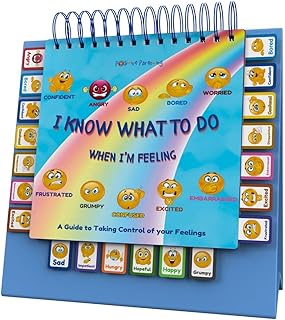



Pediatric Occupational Therapists: Help children develop emotional regulation and social skills through activities
Children struggling with mental health often face challenges in regulating emotions and navigating social interactions. Pediatric occupational therapists (OTs) address these issues through structured, activity-based interventions tailored to each child’s needs. Unlike traditional talk therapy, OTs use sensory integration, play, and functional tasks to teach emotional regulation and social skills in a tangible, engaging way. For instance, a child who struggles with anger might learn deep breathing exercises paired with a sensory activity like squeezing a stress ball, bridging physical action with emotional control.
Consider the case of a 7-year-old with ADHD who has difficulty transitioning between tasks and often melts down in frustration. A pediatric OT might design a sensory diet—a scheduled set of activities like jumping on a trampoline or brushing with a sensory brush—to regulate their nervous system. Simultaneously, the therapist incorporates social scenarios, such as taking turns in a game, to practice patience and communication. Over time, the child learns to recognize emotional cues and respond appropriately, reducing outbursts and improving peer interactions.
The effectiveness of this approach lies in its focus on *doing* rather than just talking. Activities are chosen based on the child’s developmental stage and specific challenges. For a teenager with anxiety, an OT might use mindfulness-based activities like yoga or journaling to build emotional resilience. For younger children, play-based interventions, such as role-playing or group games, teach social norms and empathy. Each activity is a stepping stone, reinforcing skills in a low-pressure, naturalistic setting.
Parents and caregivers play a critical role in this process. OTs often educate families on strategies to continue progress at home, such as creating a calm-down corner with sensory tools or using visual schedules to reduce anxiety. Consistency is key; practicing these skills daily, even for 10–15 minutes, can lead to significant improvements. For example, a child who learns to use a “feelings thermometer” to identify emotions can better articulate their needs, reducing frustration for both the child and their family.
While pediatric OTs are not mental health counselors, their work complements other therapies by addressing the *functional* aspects of emotional and social challenges. By embedding skill-building into everyday activities, they empower children to manage their mental health in real-world contexts. This hands-on approach not only fosters independence but also builds confidence, proving that emotional regulation and social success are achievable through purposeful action.
Melodies of Healing: How Music Supports Mental Health Recovery
You may want to see also
Frequently asked questions
A Child Psychologist or Child Therapist specializes in providing therapy and counseling to children, helping them address mental health issues like anxiety, depression, and trauma.
A School Counselor works within educational settings to support students' emotional and mental well-being, offering guidance, crisis intervention, and referrals to additional resources.
A Child Psychiatrist is a medical doctor who diagnoses and treats mental health disorders in children, often prescribing medication and providing therapy.
A Child and Family Social Worker assists children and families by connecting them to resources, providing counseling, and advocating for their mental health needs in the community.
A Mental Health Educator or Youth Development Specialist focuses on teaching children coping skills, resilience, and emotional regulation through programs and workshops.